REVIEW · TURIN
Fine Chocolate Tasting in Turin
Book on GetYourGuide →Operated by Slow Travel · Bookable on GetYourGuide
Turin smells like hazelnuts and chocolate. This 1-hour fine chocolate tasting at Chocolate7 is built like a mini tasting flight, starting with Gianduja and then moving through other bean-to-bar styles with clear tasting notes. I love how you’re not just eating sweets—you learn how the flavors are created, and I love that the host, Giovanni, keeps the pace relaxed and friendly.
One thing to know: the shop is small. It’s a small group experience (up to 8 people), and if you’re hoping for lots of space to stretch out, you may feel a bit snug. Also, it’s not set up for wheelchair users.
In This Review
- Key things that make this tasting worth your time
- Inside Chocolate7 in Turin: how a 1-hour tasting really goes
- Gianduja, then dark, milk, and white: the flight that builds your palate
- What bean-to-bar training adds (and why it changes your chocolate choices)
- The local vs. international mix: how to use it during your Turin trip
- Price and value: is $36 for a 1-hour tasting fair?
- Group size, languages, and how to get the most out of the hour
- Hazelnut allergy and swaps: plan this at the start
- Should you buy chocolate to take home?
- Should you book this fine chocolate tasting in Turin?
- FAQ
- How long is the fine chocolate tasting?
- Where does the tasting take place?
- What is included in the tasting?
- What chocolates will I taste?
- Do I need to pay transportation to get there?
- What’s the price per person?
- Is the tour offered in English or other languages?
- What if I’m allergic to or intolerant to hazelnuts?
- Is this experience suitable for wheelchair users?
- Can I cancel for a refund or pay later?
Key things that make this tasting worth your time
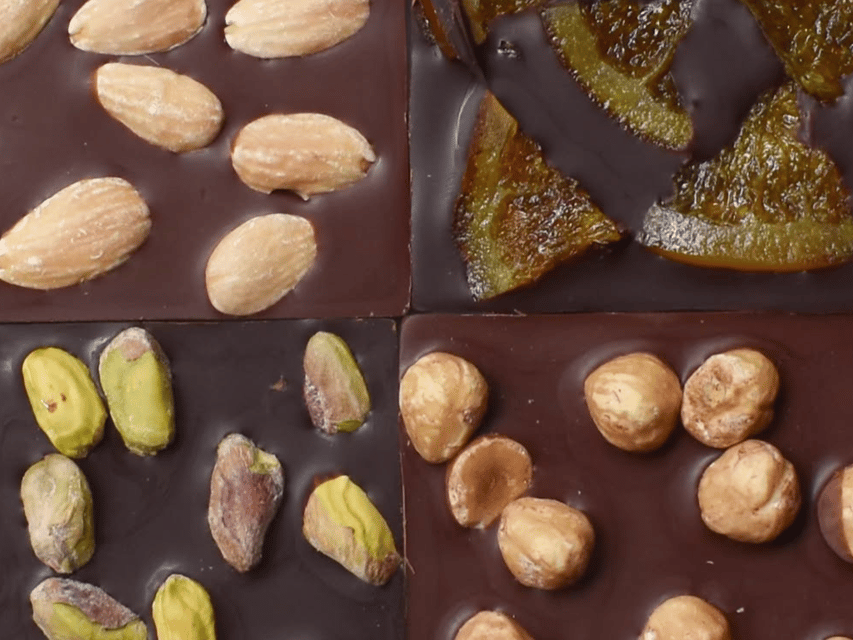
- Gianduja first: you start with Piedmont’s signature hazelnut-chocolate blend for an instant local context.
- Four styles in one flight: you’ll sample a mix of local/Italian/international chocolates, including dark, milk, and white.
- Bean-to-bar explained: you’ll hear how chocolatiers manage the process end-to-end for better flavor control.
- Tasting notes, not just tasting: you learn what to look for in aroma, texture, and finish.
- Generous samples: the best reviews point to plenty of chocolate for a 1-hour visit.
- Allergy support with notice: if you have a hazelnut issue, the host can offer alternatives if you tell them up front.
Inside Chocolate7 in Turin: how a 1-hour tasting really goes
This experience takes place in a boutique chocolate shop called Chocolate7. You meet the host inside the shop, enter fully, and show your ticket to start. The shop is described as being to the left of a sushi restaurant, so if you’re walking around central Turin, treat it like a quick “find the door, then follow the smell” mission.
The session itself is short—just 1 hour—but it doesn’t feel rushed. The host guides you through what you’re tasting, then prompts you to notice differences like you would in a wine tasting. Small-group size (limited to 8 people) helps a lot here. You get time to ask questions, and you’re not competing with a crowd for attention.
I like that the focus stays on quality and technique, not on gimmicks. You’ll be standing and tasting in a compact retail space, and the payoff is that you leave with a much clearer sense of what fine chocolate tastes like compared with the stuff that shows up in the usual supermarket aisle.
Gianduja, then dark, milk, and white: the flight that builds your palate
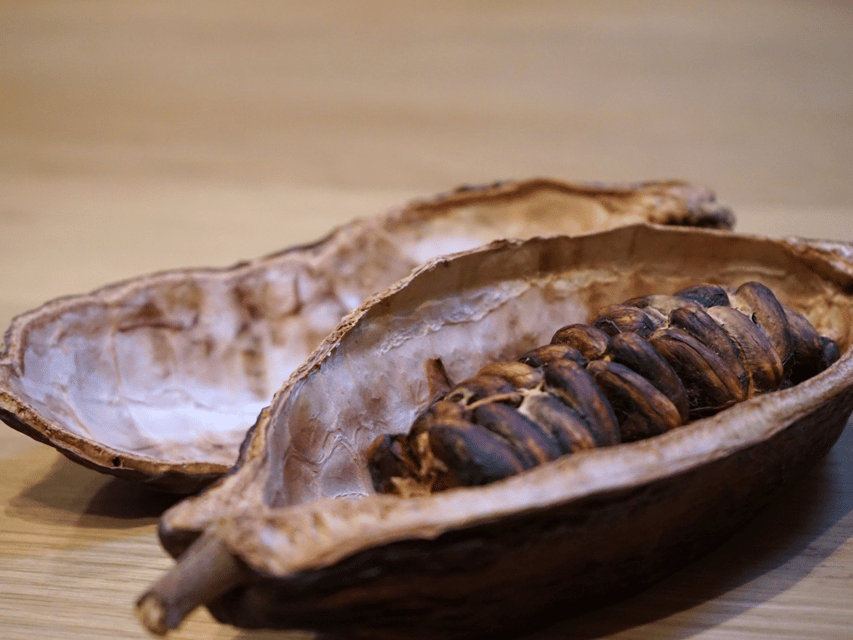
The tasting is designed to take your taste buds from familiar to specific, with Piedmont leading the way. First comes Gianduja, Turin’s famous chocolate-hazelnut specialty. It’s smooth, made with toasted hazelnuts from Piedmont, and it gives you that creamy, nutty profile that locals link to their chocolate heritage.
From there, you’ll sample other chocolates from local and Italian makers, then finish with international dark, milk, and white options. That structure matters more than it sounds. If you start with a Piedmont baseline (Gianduja), then later compare to styles made elsewhere, you start to understand what changes when the cocoa, the ingredients, and the crafting approach shift.
Also, pay attention to texture and finish as much as flavor. Fine chocolate tends to show more “layers” than standard chocolate. If you notice how the taste evolves—sweetness arriving, then fading, then leaving behind notes—you’ll get more out of the tasting notes your host shares.
And yes, you’ll likely taste a lot in a short window. Several people highlight that samples feel plentiful, which is exactly what you want for value at this price point.
What bean-to-bar training adds (and why it changes your chocolate choices)
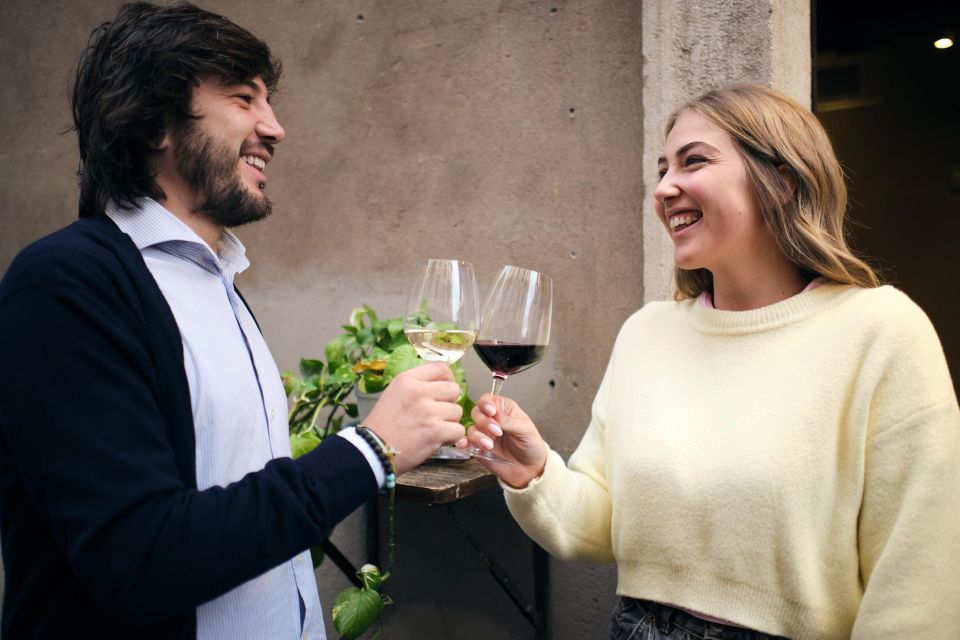
Here’s the real reason this tasting works: it explains bean-to-bar in plain, practical terms. Instead of thinking of chocolate as one finished product, you learn that chocolatiers can influence flavor at multiple steps—starting from the bean and continuing through processing and making.
This matters because fine chocolate isn’t only about “better ingredients.” It’s about control. When the makers handle more of the chain themselves, they can adjust how chocolate is refined and developed, which affects flavor clarity and how clean the cocoa tastes.
The host also connects this to tasting notes, so you don’t just learn that a chocolate is dark or creamy. You learn what to expect from the way it’s made, and how to read the flavor signals you’re tasting. It’s similar to learning to taste coffee or wine: once you know what to look for, you start enjoying what was previously just “sweet.”
One more detail that helps your understanding: the chocolates you try are described as pure and often mainly organic and without emulsifiers. That’s not just marketing fluff. Without emulsifiers, the texture and flavor delivery can feel more direct. You may notice chocolates that taste more like cocoa and less like a uniform sweetness coating.
The local vs. international mix: how to use it during your Turin trip
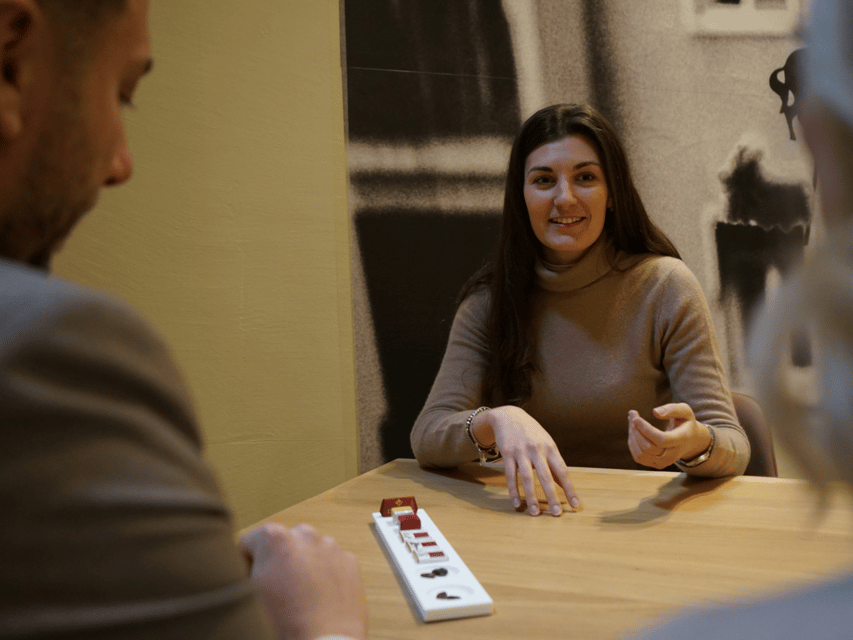
This isn’t a tasting that sticks to only one style or one brand. You’ll move across chocolates from local, Italian, and international makers, which is great if you want to compare rather than just collect trivia.
From a practical standpoint, this helps you when you’re shopping in Turin afterward. Chocolate stores are full of labels, but after a guided tasting you’ll have a better instinct for questions like:
- Do you prefer hazelnut-forward flavors (hello, Gianduja) or cocoa-first profiles?
- Do you like dark chocolate’s intensity, milk chocolate’s roundness, or white chocolate’s creamy sweetness?
- When a chocolate says fine or organic, do the flavors actually taste different?
The tasting also gives you a chance to learn the history of chocolate production and how bean-to-bar fits into quality expectations. Even if you’re not a total chocolate nerd, the “why it matters” part is what keeps this from becoming a sugar parade with no meaning.
Price and value: is $36 for a 1-hour tasting fair?
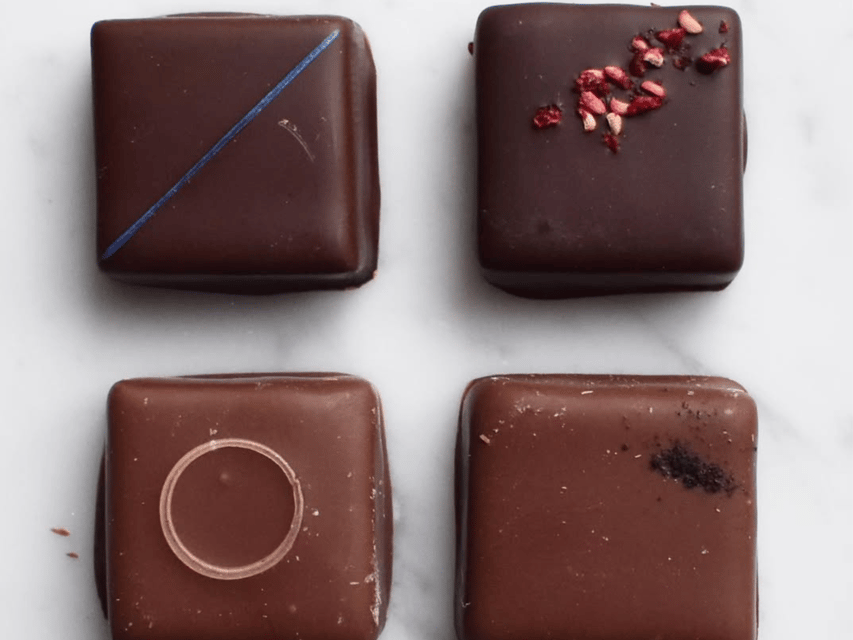
At $36 per person for about 1 hour, you’re paying for two things: guided guidance and multiple tastings. The key value question isn’t whether the chocolate is expensive—it’s whether the experience teaches you to taste better.
Here, you get that teaching element. You also get a variety of chocolates that go beyond one type of candy bar. You’re tasting Gianduja, then multiple additional chocolates, including dark, milk, and white, plus an explanation of bean-to-bar and tasting notes.
Is it a big-ticket item for Turin? Yes, it’s not a free activity. But if you’re the type of person who likes food experiences with education—like guided tastings, cooking classes, or craft workshops—this is a fair match. The small group and the host interaction are part of what you’re paying for.
If your goal is strictly quantity (lots of sugar with zero education), you might want something else. But if you want quality and a clear takeaway, this price feels reasonable.
Group size, languages, and how to get the most out of the hour
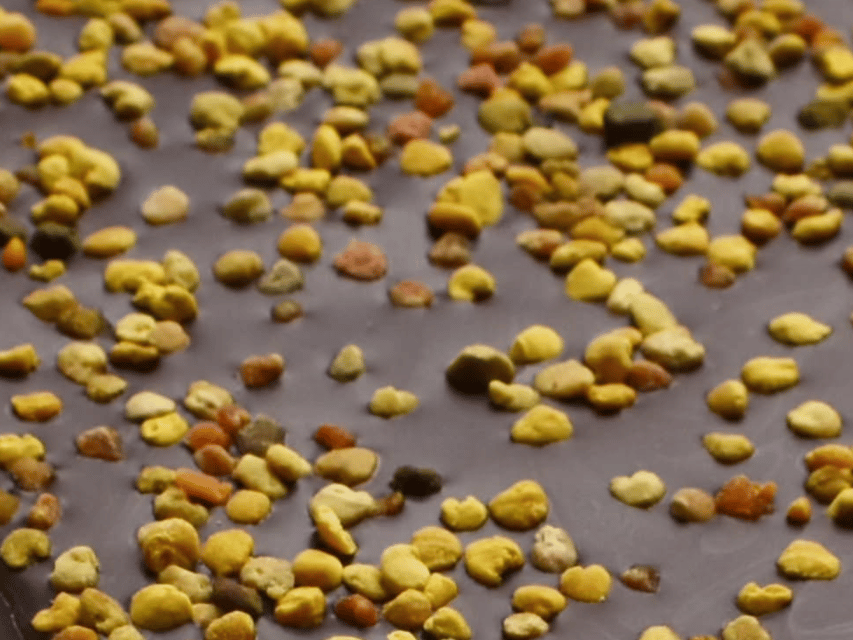
This is a small group tour capped at 8 participants. That’s important because chocolate tastings work best when you can hear the guidance and ask questions. You also don’t want to be stuck in the back of a room while everyone else tastes quietly. Here, the setup is intimate enough that the host can guide the pace.
Language options include Italian, French, and English. If you’re comfortable with any of those, you’ll get the best experience by using the language you’re most at ease with. The host is described as very friendly and passionate, and the vibe from the guides is clearly part of the attraction—Giovanni’s personality comes through strongly in the experience.
Practical tip: wear comfortable shoes. You’ll be in a boutique shop, and you may stand more than you expect for a 1-hour food event.
And if you’re the quiet type, don’t worry. The pace is relaxed, and the tasting notes make it easy to follow without feeling pressured to be chatty.
Hazelnut allergy and swaps: plan this at the start
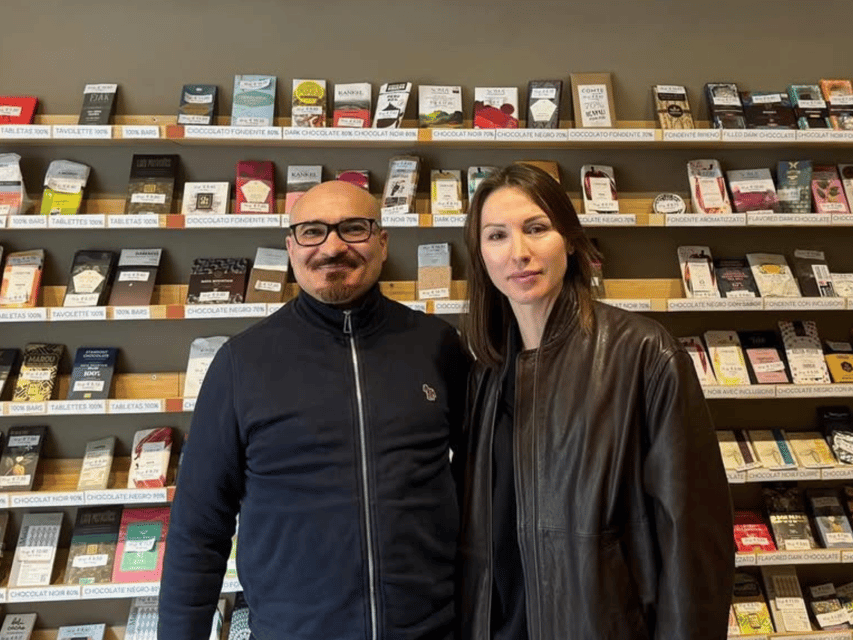
Gianduja is hazelnut-forward, so hazelnut allergies are not a small detail here. The host can provide alternatives if you have hazelnuts intolerance or allergy, but you have to communicate it at the beginning of the tasting.
So do yourself a favor: message or tell the host right away when you arrive. Don’t wait until you’re halfway through. That early heads-up is what keeps the experience comfortable and safe.
Should you buy chocolate to take home?
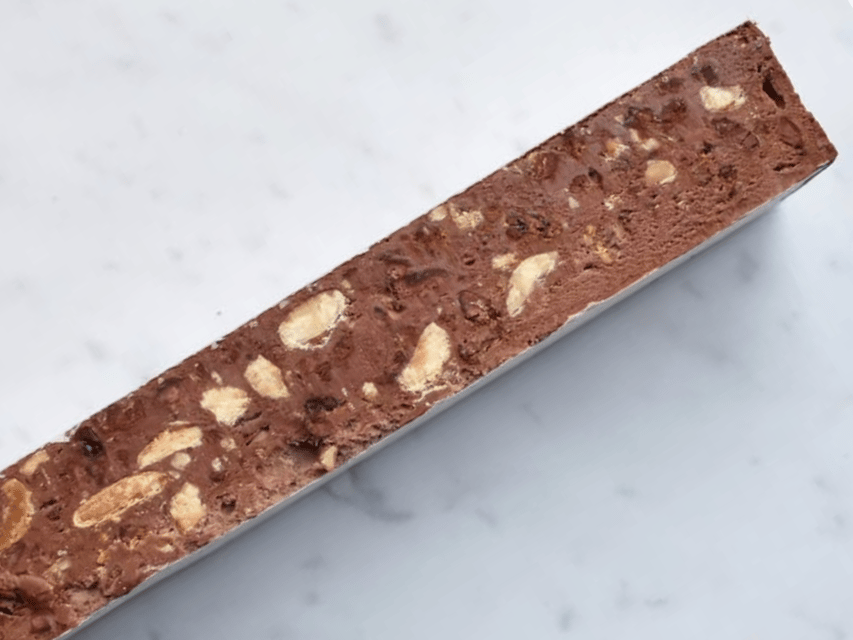
This is a chocolate shop, not just a tasting corner. After tasting, it makes sense to pick up a few bars or boxes you actually liked. A couple of people specifically mention buying goodies after the session, which tells you the shop experience continues beyond the tasting.
My advice: buy only what you can identify. If you liked a particular flavor profile during the tasting (nutty, cocoa-forward, or the sweetness style of dark/milk/white), look for that match in the store. You’ll shop smarter, and you won’t end up with a “mystery” purchase you don’t really enjoy.
Should you book this fine chocolate tasting in Turin?
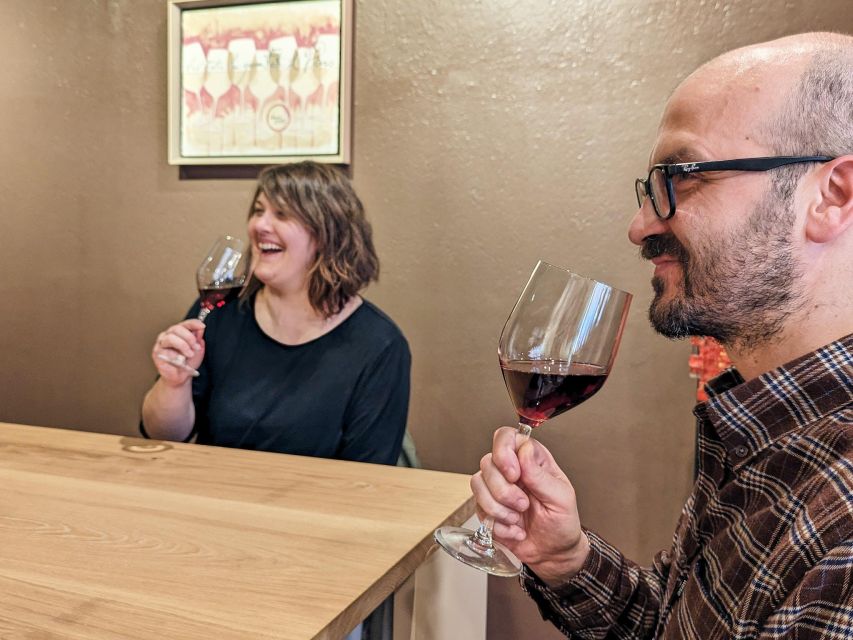
Book it if you want a short, high-quality food experience with real explanations. The biggest wins are the Gianduja focus, the mix of local/Italian/international chocolates, and the bean-to-bar learning that helps you taste with more intention. It’s also a great pick for couples and small groups who want something different from the usual guided sightseeing circuit.
Skip it (or choose another option) if you need lots of space in your venue or if you require wheelchair access—this isn’t set up for wheelchair users. Also skip if you’re expecting a long, sit-down meal. This is a compact, standing tasting.
If you’re a chocolate person, or you want to become one quickly, this is one of those Turin food stops that gives you an education you can actually use later when you’re choosing what to buy and what to taste.
FAQ
How long is the fine chocolate tasting?
It lasts about 1 hour.
Where does the tasting take place?
You meet the host inside Chocolate7, described as a small boutique to the left of a sushi restaurant.
What is included in the tasting?
You’ll taste local and Italian luxury chocolates, plus international bean-to-bar fine chocolates. You’ll also learn about tasting notes and the bean-to-bar production method, with guided tastings by the host.
What chocolates will I taste?
The experience starts with Gianduja, then includes other local and Italian chocolates, and finishes with international chocolates made with dark, milk, and white.
Do I need to pay transportation to get there?
Transportation to the venue is not included.
What’s the price per person?
The price is $36 per person.
Is the tour offered in English or other languages?
Yes. The live guide offers Italian, French, and English.
What if I’m allergic to or intolerant to hazelnuts?
If you have a hazelnut allergy or intolerance, the host can provide alternatives, but you must communicate it at the beginning of the tasting.
Is this experience suitable for wheelchair users?
No, it’s not suitable for wheelchair users.
Can I cancel for a refund or pay later?
Yes. It offers free cancellation up to 24 hours in advance for a full refund, and it also offers reserve now & pay later.