REVIEW · VERONA
Verona: the Arena at the Gladiators’ time
Book on GetYourGuide →Operated by Fabio Massimo Rapanà · Bookable on GetYourGuide
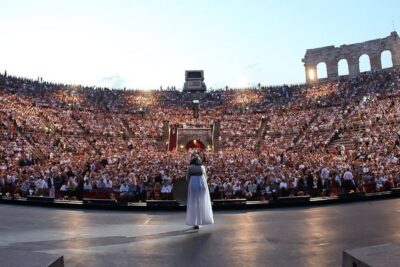
The Verona Arena is still loud with echoes. This guided walk shows you the amphitheater’s layout like it’s a living diagram, from gates to corridors to seats used by Roman spectators.
What makes it especially fun is the “how it worked” focus: you’re not just looking at an ancient monument, you’re learning the logic behind it, including the spaces tied to gladiators and wild beasts.
I love the way this tour turns architecture into a story you can actually picture. You’ll get two big wins right away: a clear look at how the Arena evolved, and a guided inside-and-outside route that keeps you moving instead of just standing in one spot.
One possible drawback: it’s not a quick drop-in. It’s a 1-hour experience with real walking, and it requires an entrance ticket for the amphitheater, so plan around ticket timing and the short photo stops.
In This Review
- Key Highlights You’ll Want to Know
- Verona Arena’s Gladiator-Era Layout: What You’ll Actually Learn
- Meeting at Palazzo Barbieri: Getting Oriented Before You Enter
- The Outside Walk: Shape, Scale, and Access Points Around Bra Gardens
- Entering the Amphitheater: Corridors, Archways, and the Vomitoria System
- Seats and Atmosphere: Sitting on the Stone Steps Like a Spectator
- Gladiators and Wild Beasts: Stories Tied to Evidence You Can See
- The Tour’s Final Finish: Hidden Corners and Free Time to Linger
- Price and Value: Why a Private 1-Hour Tour Can Be Worth It
- Tickets: What You Need to Know Before You Go
- Who This Tour Suits Best (And Who Might Want Something Else)
- Practical Tips to Make the Most of Your Hour
- Should You Book This Verona Arena Tour?
- FAQ
- How long is the Verona Arena guided tour?
- Is the entrance ticket to the Arena included?
- Where do we meet for the tour?
- What languages are the guides available in?
- What does the tour include?
- Is this tour suitable for wheelchair users?
- Can I cancel if my plans change?
Key Highlights You’ll Want to Know
- Start in the right spot near Palazzo Barbieri so you’re oriented fast, under the Italian flag.
- Bra Gardens viewing angle for spotting the amphitheater’s shape and original scale.
- Vomitoria explained in practical terms, showing how crowds and performers moved.
- Corridors, archways, and gates mapped out so you understand the Arena as a system.
- Gladiator and beast areas discussed in context, not as random trivia.
- A “hidden and evocative” finish with free time for you to linger and choose your seat.
Verona Arena’s Gladiator-Era Layout: What You’ll Actually Learn
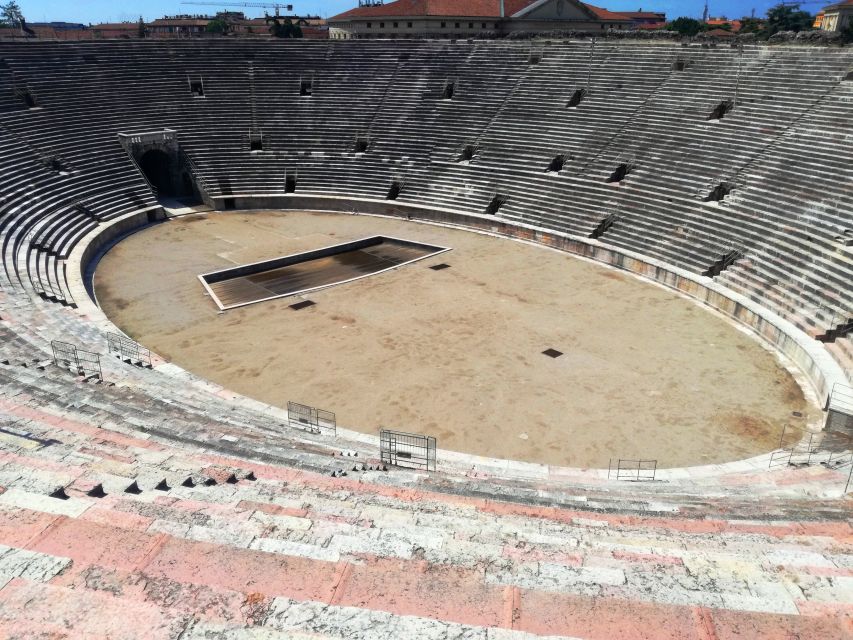
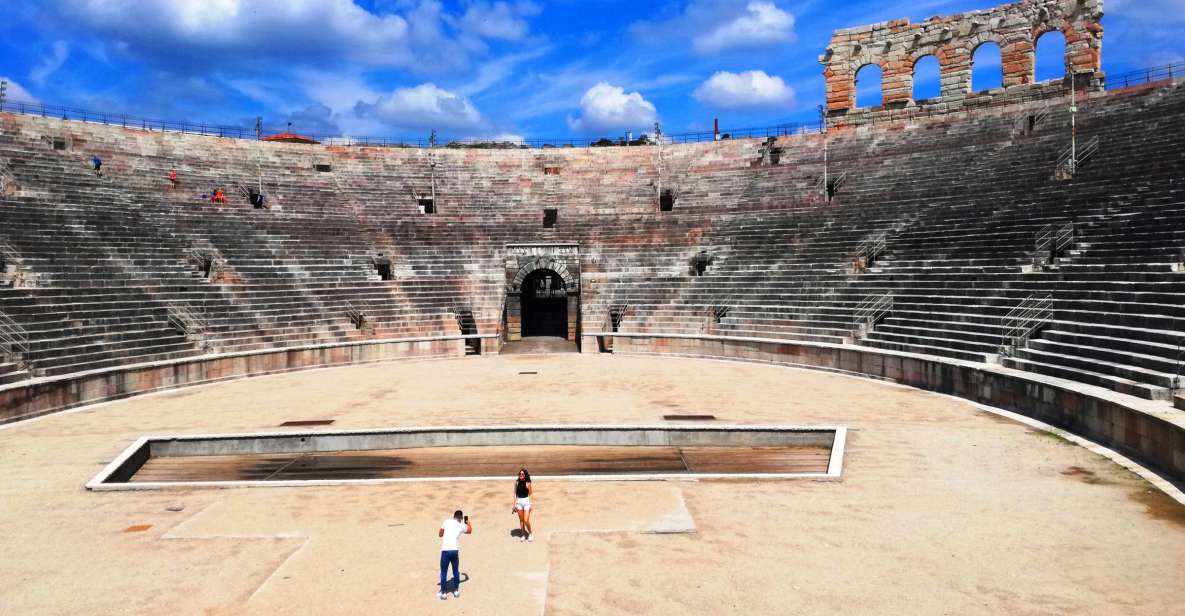
The Verona Arena (the city’s famous Roman amphitheater) isn’t just big. It’s designed. That’s why this tour feels different from a basic stop-and-take-a-photo visit.
You start with the monument’s outside shell, then you move to the areas that explain how the building functions. When you step into the corridors and archways, you stop thinking of it as a stadium and start seeing it as a controlled flow system: entrances, staging areas, and access paths built to get people where they needed to go.
The gladiator theme isn’t there just for drama. The guide connects the stories to the evidence you can observe: angles, entrances, and the way spaces relate to the larger square and the city around it.
You can also read our reviews of more tours and experiences in Verona.


Meeting at Palazzo Barbieri: Getting Oriented Before You Enter
Your tour meets at Palazzo Barbieri – Comune di Verona, right in front of the Town Hall, just underneath the Italian flag. This matters more than it sounds. Verona’s center is walkable, but the Arena is surrounded by streets and viewpoints, and you’ll save time by getting oriented from the first minute.
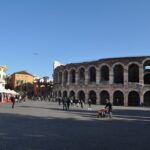
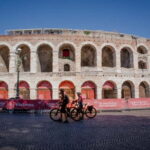
From there, you follow your guide to the nearby side of the square for early visual cues. You’ll have a photo stop where you can frame the Arena from the outside, then the route starts to “teach” you how to look at it—first by geometry and scale, then by movement.
If you’re arriving early or want a smooth first Verona activity, this is a smart choice. You’ll come away with a map in your head, which makes later self-guided wandering easier.
The Outside Walk: Shape, Scale, and Access Points Around Bra Gardens
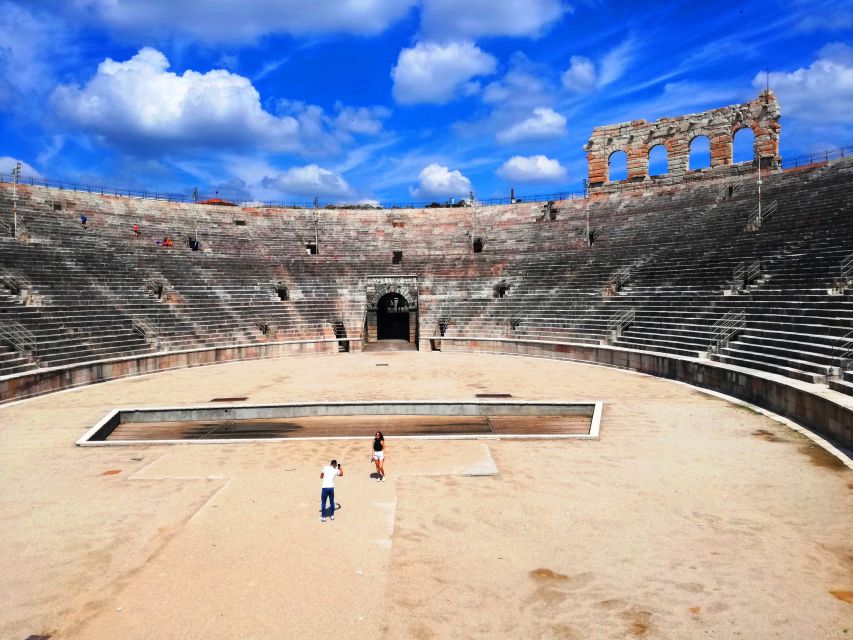
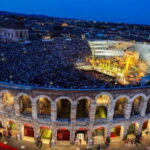
Before you enter, you’ll take a short walking section that leads you to the northern part of the square, where the Bra Gardens cast shade and give you a clean view of the Arena’s overall shape.
This is where the tour pays off for people who like details. You don’t just look up. You carefully observe things like:
- the original size and how it compares to what you see today
- the Arena’s relationship with the town (how the city grew around it)
- the articulation of access facilities—meaning the way the building connects to outside entry points
It’s also the moment where you start to understand why the interior feels so practical. Roman builders weren’t only building seats for spectators. They were building a machine for crowds.
There’s another quick shift in viewpoint toward a “wing,” where you can spot more unexpected details. Even if you’re not an architecture fan, this outside phase helps you read the Arena later once you’re inside.
Entering the Amphitheater: Corridors, Archways, and the Vomitoria System
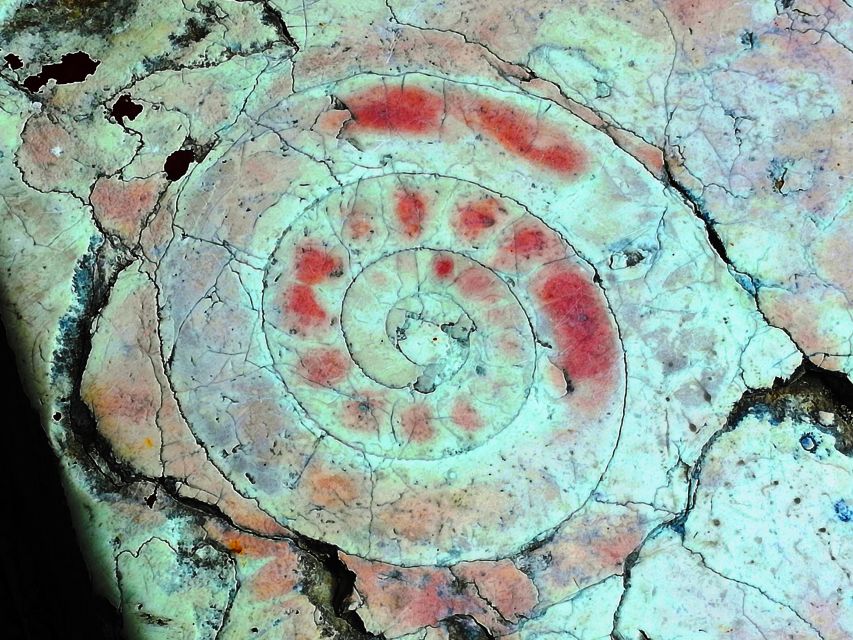
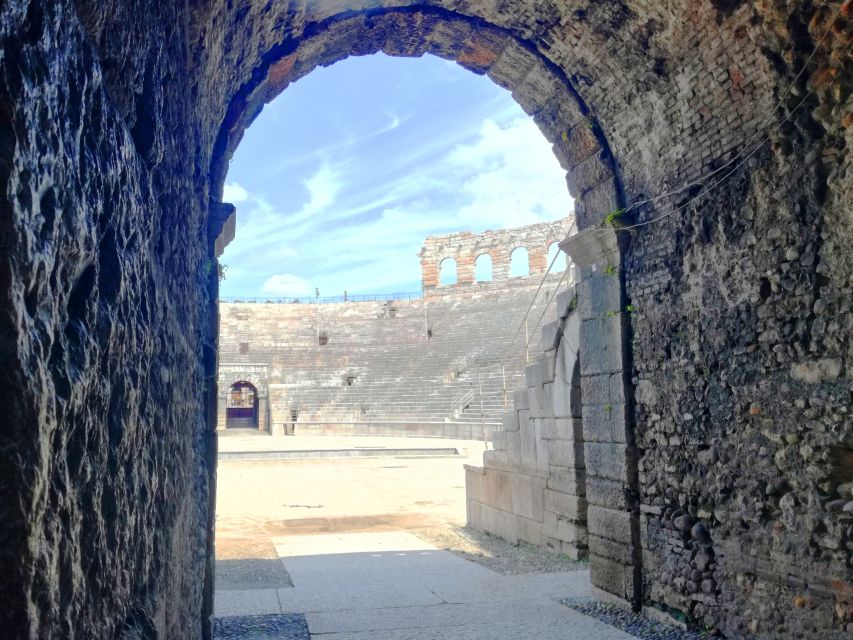
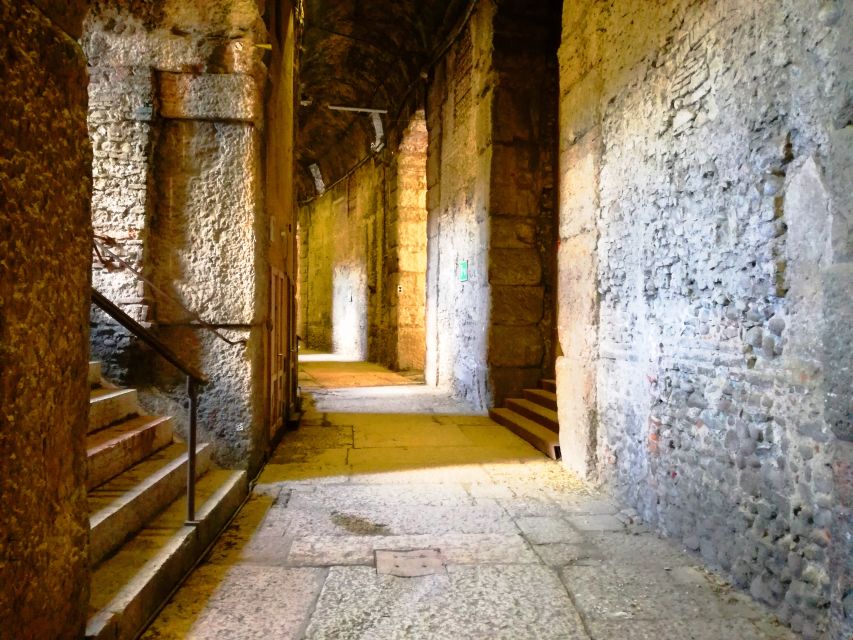
Now for the part that makes this tour worth it: you go inside and walk along the corridors and archways—the parts most visitors skip.
This is where your guide turns the Arena into something you can navigate. You’ll explore how the outer gates connect with the internal vomitoria. A vomitoria is a passage built to help people move quickly in and out. The name gets attention, but the practical point is what you’ll understand during the walk: the building was designed to handle large crowds without turning the exits into bottlenecks.
As you move through these spaces, you’ll also get a guided look at the building’s “logic”:
- where the traffic would funnel
- how access points link with the interior levels
- how the structure makes quick movement possible
If you like learning by seeing, this section lands well. It’s not abstract. You’re physically moving through the same types of passages spectators and performers would have related to, even if the modern context is different.
Seats and Atmosphere: Sitting on the Stone Steps Like a Spectator
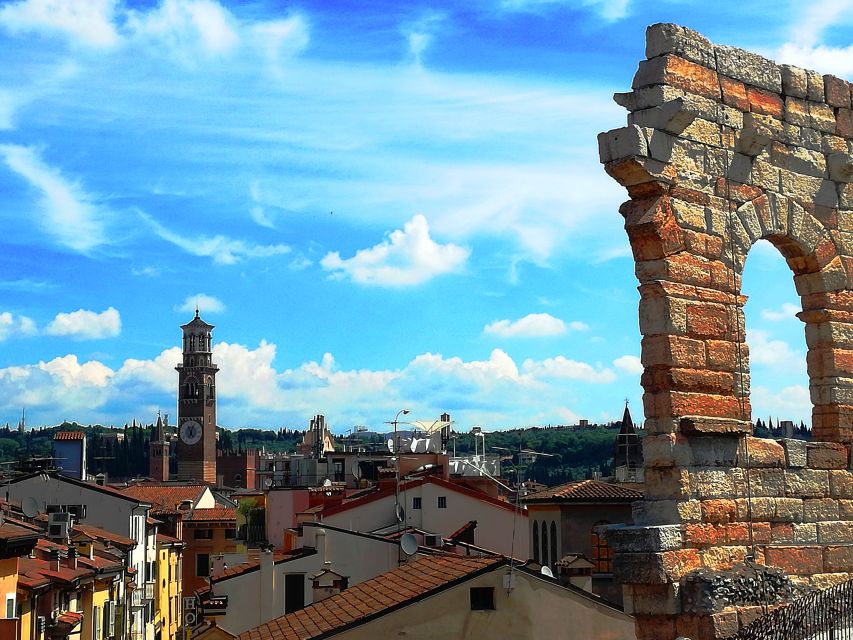
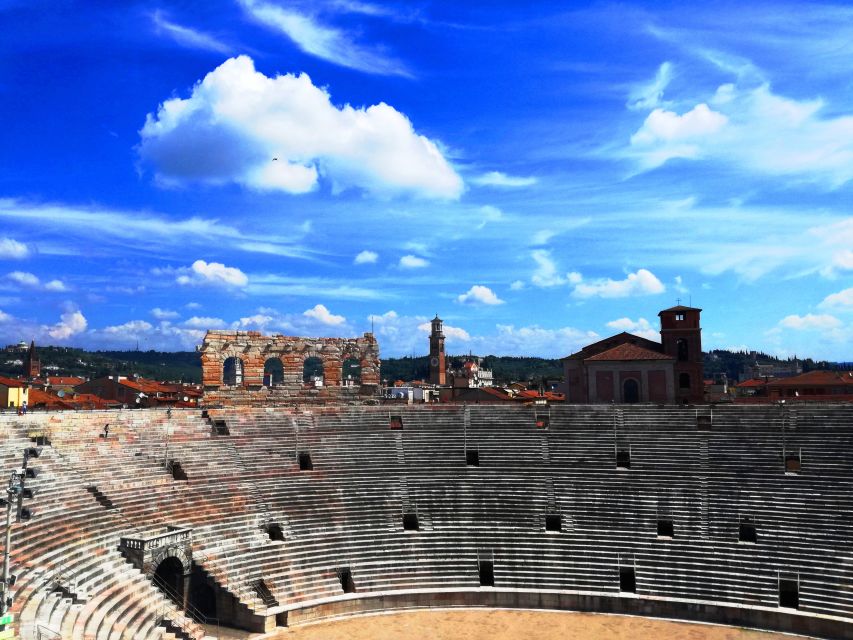
At some point during the inside visit, you’ll be guided to consider whether to enter the Arena proper—like a gladiator would have done—and then take a seat on the stone steps, the way spectators still do today.
This is one of those moments that doesn’t take long, but it changes your perspective. Standing outside is one view. Walking corridors teaches you function. Sitting on the steps gives you scale and feeling—how close the action would have seemed, how the room “held” voices and movement.
It’s also where the tour shifts from instruction to experience. You’re not just listening. You’re putting your body in the space.


Gladiators and Wild Beasts: Stories Tied to Evidence You Can See
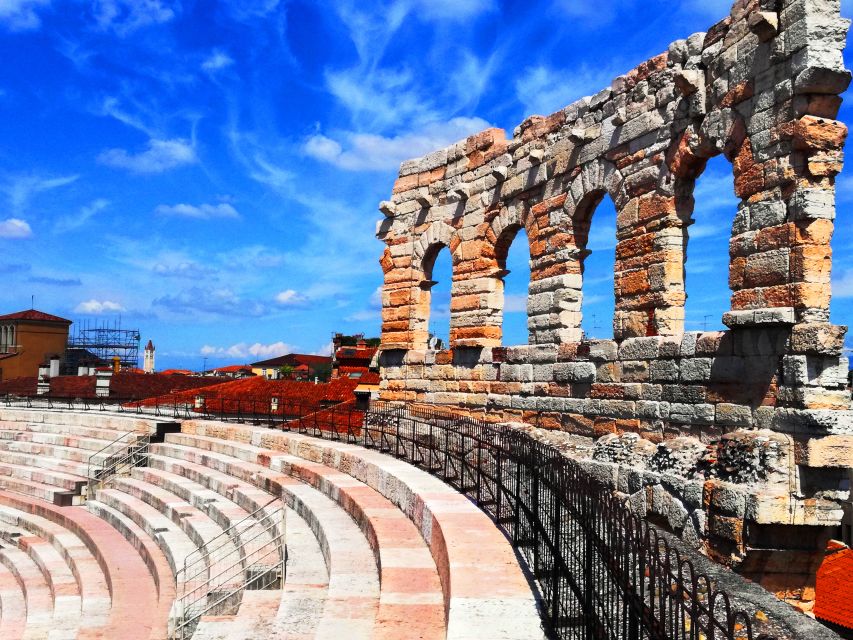
The gladiator angle here is story-driven, but it’s tied to the structure. You’ll discover places frequented by gladiators and areas used to house wild beasts.
The value isn’t just the theme. It’s the pairing of story and visible setting. Instead of hearing random facts, you’re learning how game spaces fit into the larger building—where people would gather, where animals or equipment might be prepared, and how access would work around that activity.
Expect plenty of anecdotes connected to the world of gladiator games, plus references to local evidence found in and around Verona that supports what you’re being told. That “proof through place” approach is what makes the Arena feel less like a postcard and more like a real workplace from the Roman era.
One practical note: this tour leans toward performance-style storytelling more than hands-on interaction. You’ll be involved mostly through listening, watching, and asking questions—not through acting, props, or experiments.
The Tour’s Final Finish: Hidden Corners and Free Time to Linger
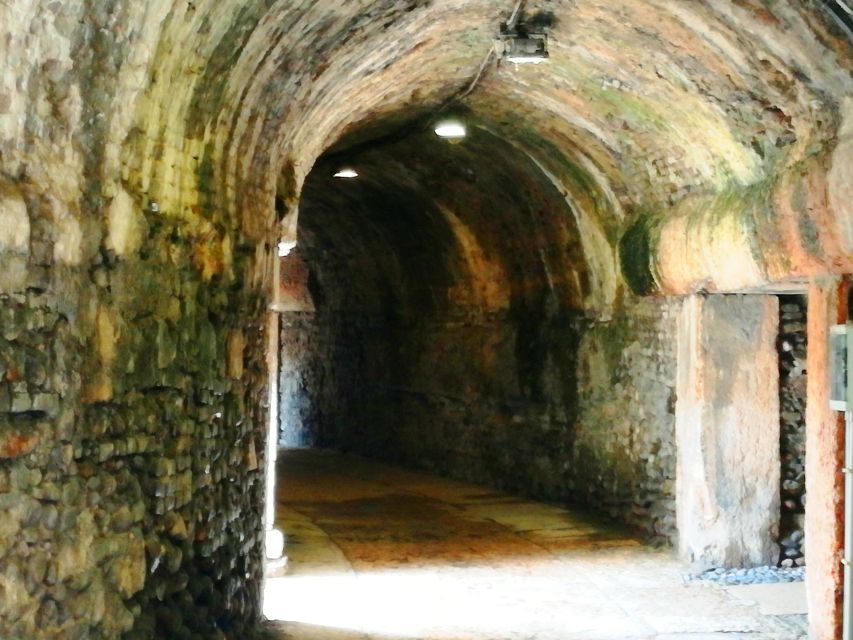
You’ll end the tour in the most hidden and evocative part of the amphitheater. Then you get free time to stay as long as you wish.
This is a smart design. You use the guided portion to understand the Arena. After that, you can choose your own pace. Want extra photos? Want to sit again? You can do that without feeling rushed by the group.
It’s also a good chance to re-read the building. Once you’ve walked the corridors and understood vomitoria access, the Arena starts to “make sense” from new angles.
Price and Value: Why a Private 1-Hour Tour Can Be Worth It
The price is $159 per group up to 8, and the experience lasts about 1 hour (starting times depend on availability).
You’re paying for a lot of “guided inside access” value. The amphitheater’s entrance ticket is separate, but your guide covers the outside layout, then leads you through the corridors and archways—plus the interpretive storytelling that turns those spaces into meaning.
Here’s how to think about value:
- If you go alone, you’ll likely spend time locating the best viewpoints and you may miss the connections between gates, passages, and seating.
- With a guide, the hour is focused on what the Arena can teach you through its design.
- Because it’s a private group, you can ask questions immediately, which matters for a topic like Roman access systems where details can feel confusing if you don’t get them explained.
Language options are also a part of value: Italian, German, English, Spanish. That’s not a small deal when you want clear narration, not a generic audio route.
Tickets: What You Need to Know Before You Go
Entrance tickets are not included. You’ll need one to enter the amphitheater, and you can buy online or on the spot, with your guide helping you in the on-the-spot case.
For 2024, the prices are:
- Adults: €12
- Over 60: €9
- Ages 18–25 (EU citizens): €3
- Minors and Veronacard holders: free
- First Sunday of the month (Nov–Mar): €1
Also note: the activity includes skip the ticket line, which helps once you’ve got your ticket situation sorted.
Who This Tour Suits Best (And Who Might Want Something Else)
This is a great match if you:
- want to understand the Arena’s layout, not just see it
- enjoy Roman stories with a practical “how this worked” angle
- like photo opportunities from more than one viewpoint around the square
It also works well for mixed ages. A family setup with adults and kids can enjoy it because the subject matter is vivid and the guide answers questions.
It may be less ideal if you:
- need wheelchair access (it is not suitable for wheelchair users)
- prefer super long, unstructured museum-style wandering
- dislike guided walking tours (you will walk, and it’s designed as an efficient circuit)
Practical Tips to Make the Most of Your Hour
Here are a few ways to get more out of the time you spend:
- Wear comfortable shoes. You’re moving between outside viewpoints and interior passages.
- Bring your curiosity for questions. The tour is built around explanations, and the guide handles queries during the walk.
- When you sit on the stone steps, take 2 minutes before you start taking photos. Look around first. The Arena reads differently once you pause.
If you’re building a Verona plan, I also like the idea of pairing this with another guided walking overview of the city. It helps you get bearings fast, then you come back for a specific deep look at one monument.
Should You Book This Verona Arena Tour?
Yes, if your goal is to understand how Verona’s Arena worked and how it evolved, not just to check off a landmark. The hour format is tight, the inside route through corridors and access passages is the main draw, and the gladiator stories are tied to what you can actually see in the building.
I’d book it especially if you care about details like entrances, crowd movement, and how the Arena connects to Verona’s layout. If you’re only looking for quick photos, you might be happier with a self-guided visit. But if you want the monument to make sense while you’re standing in it, this is a strong choice.
FAQ
How long is the Verona Arena guided tour?
The tour lasts about 1 hour, with starting times depending on availability.
Is the entrance ticket to the Arena included?
No. Entrance tickets are not included. You must buy a ticket to access the amphitheater (your guide can help you on the spot if needed).
Where do we meet for the tour?
You meet your guide in front of Palazzo Barbieri – Comune di Verona, just underneath the Italian flag.
What languages are the guides available in?
The live guide is available in Italian, German, English, and Spanish.
What does the tour include?
It includes a guided tour inside and outside the Arena.
Is this tour suitable for wheelchair users?
No. It is not suitable for wheelchair users.
Can I cancel if my plans change?
Yes. You can cancel up to 24 hours in advance for a full refund.