A great Verona walk is about seeing patterns, fast. This one uses a local guide to connect the big sights to the quiet side streets that usually get skipped. You meet in Piazza Bra and keep your footing with headsets, so the story stays clear even in busy squares.
I especially love how Fabio Massimo Rapanà ties each stop to a timeline you can feel. You start with the Arena’s gladiator-era fame, then move into Roman traces like Porta Borsari and Porta Jovia, and end with the medieval power centers around the main squares.
One drawback to plan around: it’s rain or shine, and it’s a steady walk for two hours. If you want long museum-style time inside churches and houses, you’ll likely wish some entries were included too.
In This Review
- Key things you’ll notice on this tour
- Verona Walk Review: Piazza Bra to Juliet’s Corner, in Two Hours
- Start at Palazzo Barbieri and Lock In the Arena Area
- Roman Traces: Porta Borsari and Porta Jovia
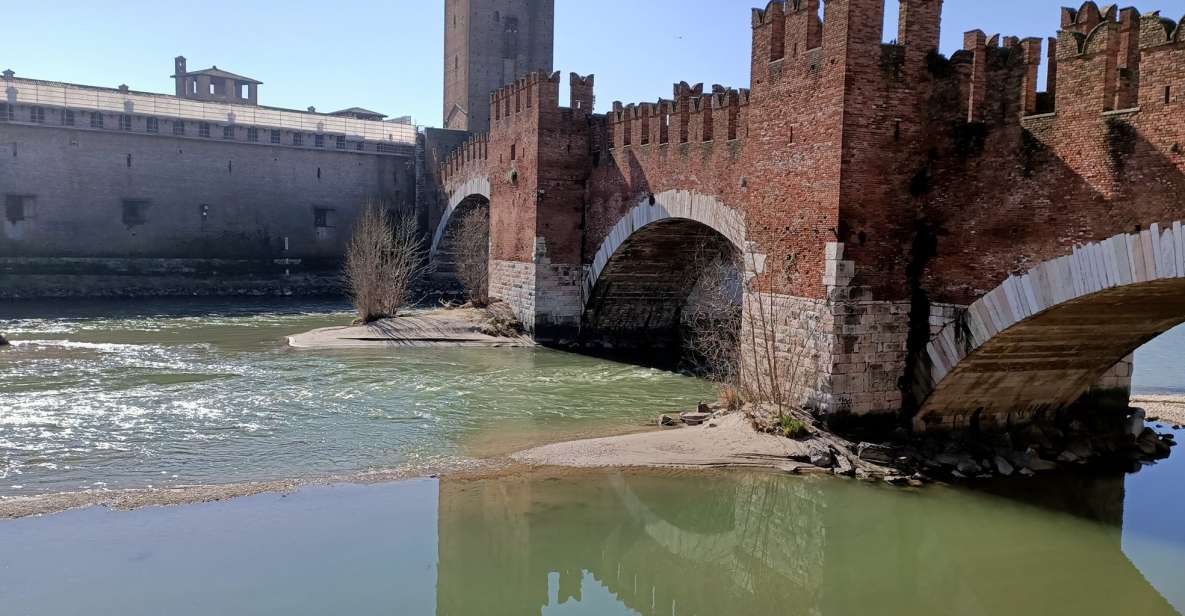
- The Adige River Views: Castelvecchio and Ponte Scaligero
- Piazza delle Erbe: Market Life, Facades, and an Old Fountain
- Piazza dei Signori and the Power Centers of Medieval Verona
- Basilica di Santa Anastasia and Church Details You’ll Appreciate Later
- Romeo’s House, Juliet’s Balcony, and the Scaligero Tombs in Context
- A Few Bonus Stops on the Route You’ll Be Glad You Didn’t Skip
- Via Dietro Anfiteatro and the Walk Back to Palazzo Barbieri
- Practicalities: what $41 buys you in real time
- Who should book this Verona history walk?
- Should you book this tour?
- FAQ
- Where do I meet the guide?
- How long is the walking tour?
- How much does the tour cost?
- What group size should I expect?
- Is the tour guided in English?
- Are headsets provided?
- Is food or entry tickets included?
- What should I bring?
- Does the tour run in bad weather?
- Can I cancel if my plans change?
Key things you’ll notice on this tour
- Small group (up to 10) keeps the walk comfortable and interactive
- Over-ear headsets make the guide easy to hear in noisy public spaces
- Fabio’s storytelling style links architecture, politics, and everyday city life
- Adige River viewpoints give you the postcard angles without feeling rushed
- Roman-to-medieval route helps you read Verona like a single story
- Plenty of photo stops at the Arena area, Piazza delle Erbe, and Juliet’s neighborhood
Verona Walk Review: Piazza Bra to Juliet’s Corner, in Two Hours
If Verona is your first stop in the Veneto region, this is a smart way to get oriented quickly. The tour is built around short segments and frequent look-closely moments, so you don’t just see landmarks—you understand what they meant and how they connect. With a local guide in the lead, the city feels less like a list of places and more like one long conversation.
The price is $41 per person for a 2-hour guided walk, and the value comes from the small group size plus the headsets. You’re not paying for museum tickets, and that’s important: entries aren’t included. But you are paying for a guided route that helps you notice details you’d usually walk right past.
Meet-up is in Piazza Bra, at Palazzo Barbieri – Comune di Verona, where you’ll find the guide standing below the Italian flag. From there, you’re walking immediately, which is exactly what helps you start your Verona day with context.
You can also read our reviews of more tours and experiences in Verona.
Start at Palazzo Barbieri and Lock In the Arena Area
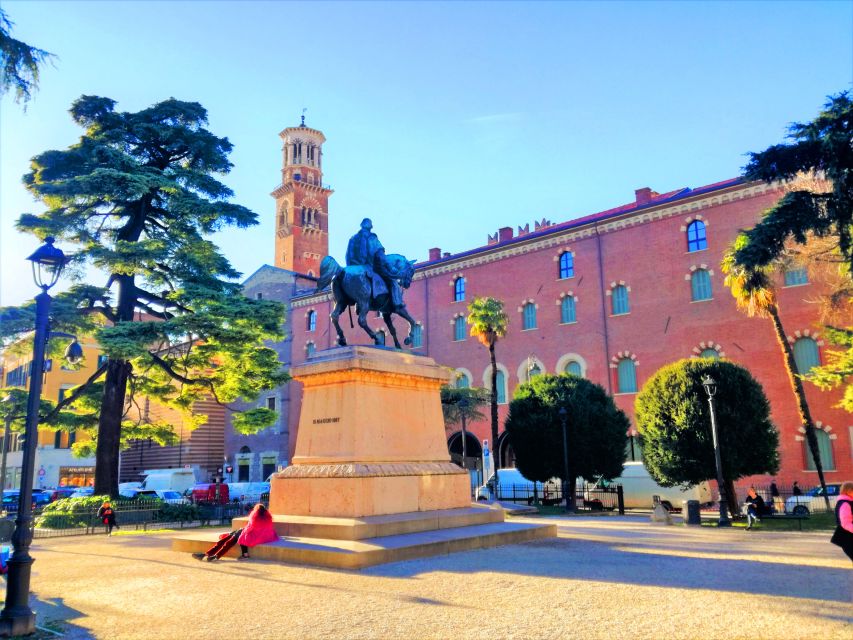
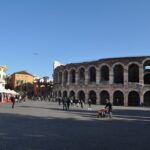
The first stretch sets the tone: you begin by the Town Hall in Piazza Bra, then head toward the Arena. Even if you’ve seen photos of the Verona Arena, it helps to view it from the street level while someone explains what you’re looking at.
You’ll get a photo stop at the Arena and hear the big connection right away: this is where gladiator-era battles happened. The guide also points out the architecture and how the structure shaped the way people used the surrounding area.
What I like about starting here is timing. You’re not spending your whole tour trying to find the right streets—you’re getting oriented on the most famous square first, then gradually moving into the less obvious corners nearby.
There’s also a quick detour early on (just a couple minutes) that works like a palate cleanser. It’s the kind of stop that reminds you the tour isn’t only about the headline buildings.
Roman Traces: Porta Borsari and Porta Jovia
Next, the route brings you into the Roman layer of Verona. Porta Borsari is your first notable Roman stop. You get a photo pause and a guided explanation of what the gate represents in the city’s older defensive and movement network.
Then you’ll reach Porta Jovia, described as a historic Roman-era monument. This matters because it’s easy to think Verona’s Roman story is only about big monuments. Here, you’re learning how Roman infrastructure still shows up in everyday streets and sight lines.
If you like city history that feels physical—doors, walls, street alignments—this part is a highlight. The guide helps you connect the dots between the old fortifications and the way the modern city formed around them.
The Adige River Views: Castelvecchio and Ponte Scaligero
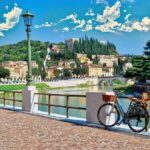
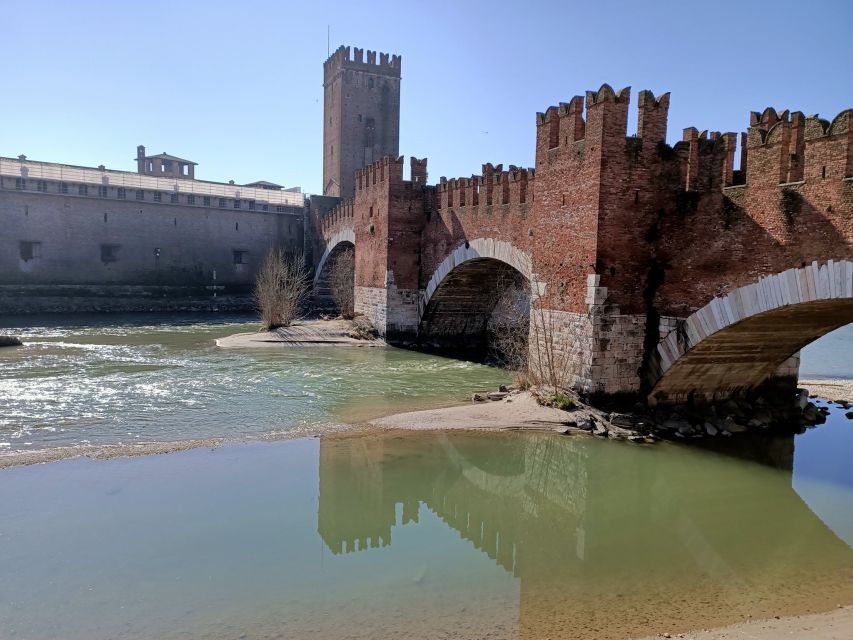
One of the best “reset moments” on the walk comes when you shift toward the Adige River. The guide schedules scenic viewing time on the way to major landmarks, and you’ll get views over the river as you move.
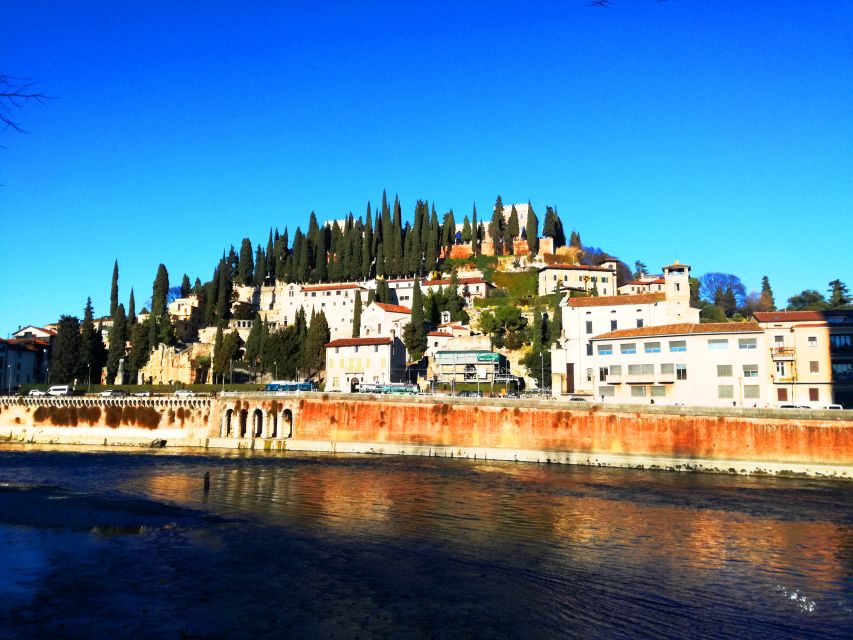
This is where Ponte Scaligero comes into play, with the route designed so you can admire both the bridge and the broader river setting. You’ll also see Castelvecchio from a viewpoint that explains why the river mattered to Verona’s defense and trade.
What’s smart here is that the scenic stops aren’t random. They’re timed so you understand what you’re seeing before you’re hit with more squares and buildings. By the time you’re back on streets and plazas, the city’s geography clicks.
Piazza delle Erbe: Market Life, Facades, and an Old Fountain
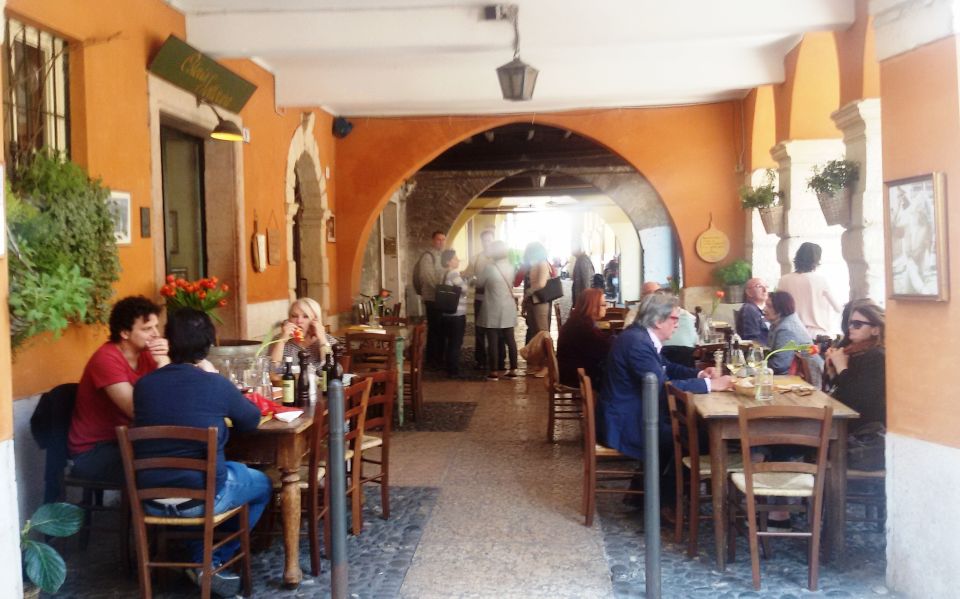
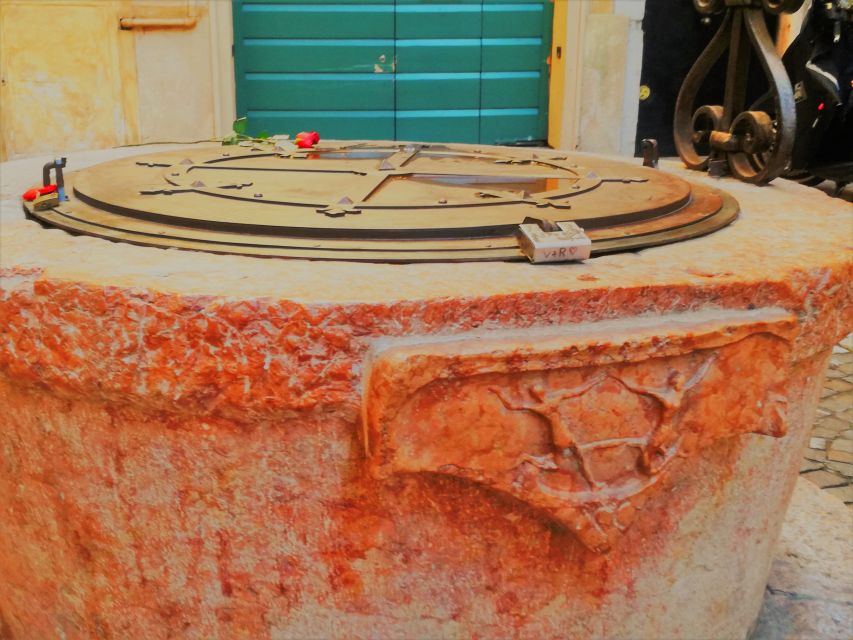
Piazza delle Erbe is one of Verona’s key public stages, and this tour treats it like more than a photo location. You’ll arrive with guided context and a stop long enough to look around properly—time for the oldest fountain in the city and for the surrounding façades of historic townhouses.
The guide also explains how the market shaped local life over time. That perspective is useful because Piazza delle Erbe can feel like a stylish square at first glance. On the tour, it becomes a working space that helped define Verona’s rhythm.
There are also quick pass-by stops that keep you moving through the “between places” of the square area. They don’t interrupt the story; they help you connect adjacent streets back to the larger picture.
If you plan to return later on your own for meals or shopping, you’ll notice details immediately after this stop. You’ll know why certain corners feel important and which streets are worth walking off the main route.

Piazza dei Signori and the Power Centers of Medieval Verona
After Piazza delle Erbe, you move into the atmosphere of medieval civic power at Piazza dei Signori. This is where the tour leans hard into public buildings and political identity, not just architecture.
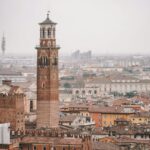
You’ll see a group of major palaces, including Palazzo della Ragione, Palazzo Della Scala, and Palazzo del Capitano. You also visit viewpoints tied to the city’s medieval era, including a stop where you learn about the highest tower in Verona.
This section is great if you like learning how power was displayed in stone—what a city chose to build, where it placed authority, and how architecture communicated status. The guide keeps the story clear even when you’re standing in a lively square.
And just as importantly, the tour keeps the pace manageable. You’re not sprinting from landmark to landmark; you’re taking enough time to actually look at façades and notice repeated patterns.
Basilica di Santa Anastasia and Church Details You’ll Appreciate Later
One of the stops is Basilica di Santa Anastasia, with a photo pause that helps you observe the church from the outside in a way that you might not on a quick self-guided pass. You get a chance to take it in before the tour shifts into the Romeo-and-Juliet neighborhood area.
This is also one of those moments where the guide’s storytelling makes your later walking more rewarding. Churches can be visually impressive, but context turns them into something you can read. Here, you’re learning what to watch for as you move forward.
If you’re the type who likes to re-check buildings later, this is a good stop to anchor your memory. You’ll likely find yourself pointing out details when you return on your own.
Romeo’s House, Juliet’s Balcony, and the Scaligero Tombs in Context
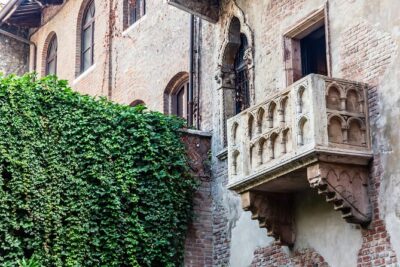
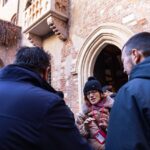
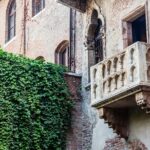
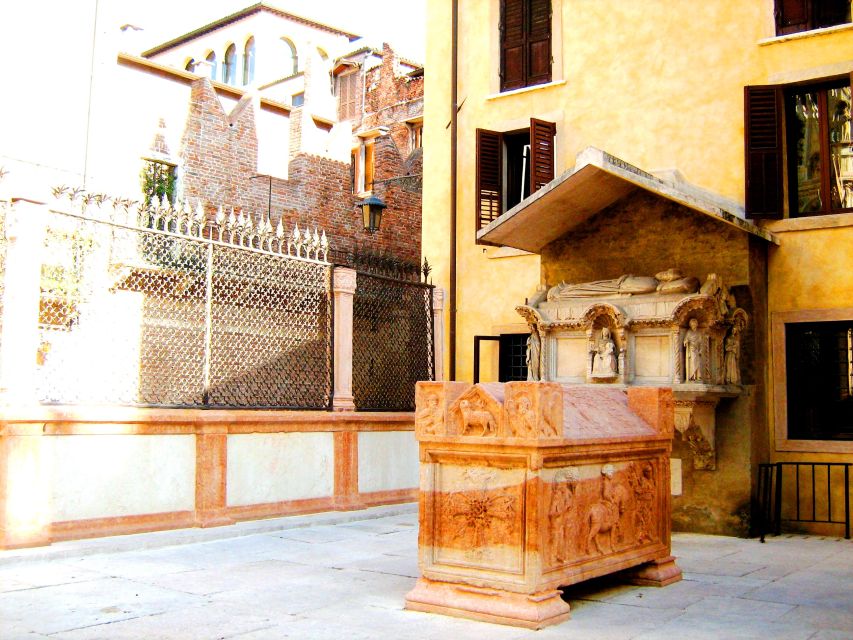
The tour then moves toward the Shakespeare connection, but it does so in a very Verona way. You’ll stop at Casa di Romeo, then see the dramatic Arche Scaligere mausoleums on your way toward Juliet’s House and Juliet’s balcony area.
The key idea is that the Shakespeare story is woven into the city’s real medieval and political identity. The Scaligero family’s legacy shows up in stone, and the guide helps you understand how that history feeds the later cultural myth.
This portion works best if you accept two things: first, you’ll likely see the best-known romantic sites; second, you’ll also understand the serious medieval backbone underneath them. That mix is why this tour feels more satisfying than a purely theme-based walk.
A Few Bonus Stops on the Route You’ll Be Glad You Didn’t Skip
Beyond the headline sights, the route includes several smaller, quick stops that help build Verona’s full picture.
You pass by Chiesa di San Giovanni in Foro, with a photo stop, and you take in Piazzetta Monte and Piazzetta Bra Molinari on the way to later areas. These short moments are useful because they show you that Verona isn’t just a straight line between famous landmarks.
You’ll also stop at Sinagoga di Verona. That’s an important part of making the city feel complete rather than overly simplified. The tour doesn’t treat it as an optional add-on; it gives you a guided moment to recognize it as part of Verona’s lived history.
There’s also a photo stop at the Convent of Saint Mary ‘della Scala’ of the Servants of Mary. Again, it’s brief, but it adds another layer so the city doesn’t feel like one single era.
Via Dietro Anfiteatro and the Walk Back to Palazzo Barbieri
As you near the end, you’ll follow the final approach back toward the meeting point. A photo stop at Via Dietro Anfiteatro helps reinforce the Arena neighborhood connection from another angle, like watching the same chapter of a book from a different page.
Then you loop back to where you started: Palazzo Barbieri – Comune di Verona in Piazza Bra. The structure works well because you finish close to where your day began, so you can pivot into lunch, a longer stroll, or a stop at something you noticed on the walk.
Practicalities: what $41 buys you in real time
This tour runs for about 2 hours, and you’ll want comfortable shoes. It’s rain or shine, so bring a plan for wet pavement and add a small amount of buffer to your day.
What’s included is a lot more helpful than it sounds on paper:
- A professional licensed guide born and raised in Verona
- Small group size up to 10 people
- Route planned to support storytelling
- Headsets, which you’ll really appreciate near squares and noisy crossings
Not included are transport, food and drinks, and entries. That’s the one trade-off. You’ll still see a wide range of major and minor sights, but if you’re hoping to pay one price and walk into everything, you’ll need to plan separate stops.
Languages offered are English, German, Italian, and Spanish. If you’re sensitive to hearing in busy areas, the headsets are a big plus and can make the difference between catching the story and losing it.
Also, don’t underestimate the benefit of a guide who actively manages the day. In past experiences of this type, guides often stick to the route only. Here, the experience emphasizes staying comfortable with shade breaks when possible and clear pacing so you don’t get steamrolled by the calendar.
Who should book this Verona history walk?
Book it if:
- You’re in Verona for the first time and want quick orientation through the city’s eras
- You care about architecture and how buildings connect to political power and everyday life
- You want a guide named and human, not a printed route that forces you to guess what you’re looking at
- You’re attending an Arena performance and want the setting to make more sense before the show
Skip it or swap it for something else if:
- You hate walking and want a seated tour
- You want long time inside specific sites rather than short exterior looks and street-level context
- You’re only interested in one famous landmark and nothing else
Should you book this tour?
Yes, if you want your Verona day to start with understanding, not just sightseeing. The $41 cost is fair when you factor in the small group, the headsets, and the guide’s ability to link major sites like the Arena and Piazza delle Erbe to the surrounding streets, river views, and medieval squares.
If you’re planning only a couple hours in the city, this walk helps you make the rest of your itinerary smarter. And if you’re a repeat walker type, you’ll come back to buildings with new questions in mind—which is the best kind of souvenir.
FAQ
Where do I meet the guide?
Meet at Palazzo Barbieri – Comune di Verona in Piazza Bra, where the guide stands below the Italian flag.
How long is the walking tour?
The tour lasts about 2 hours.
How much does the tour cost?
The price is $41 per person.
What group size should I expect?
It’s a small group with up to 10 participants.
Is the tour guided in English?
Yes. The tour is offered in English, German, Italian, and Spanish.
Are headsets provided?
Yes, headsets are included.
Is food or entry tickets included?
No. Transport, food and drinks, and entries are not included.
What should I bring?
Bring comfortable shoes and water.
Does the tour run in bad weather?
Yes, it runs rain or shine.
Can I cancel if my plans change?
Free cancellation is available up to 24 hours in advance for a full refund.