REVIEW · VERONA
Verona: Food and Wine Tasting Walking Tour
Book on GetYourGuide →Operated by Ways Tours | B Corp company · Bookable on GetYourGuide
Verona tastes better on foot. This 3-hour food and wine walking tour turns the historic center into a tasting route, with stops timed for flavor, photo-worthy scenery, and that Verona pace of wander plus snack.
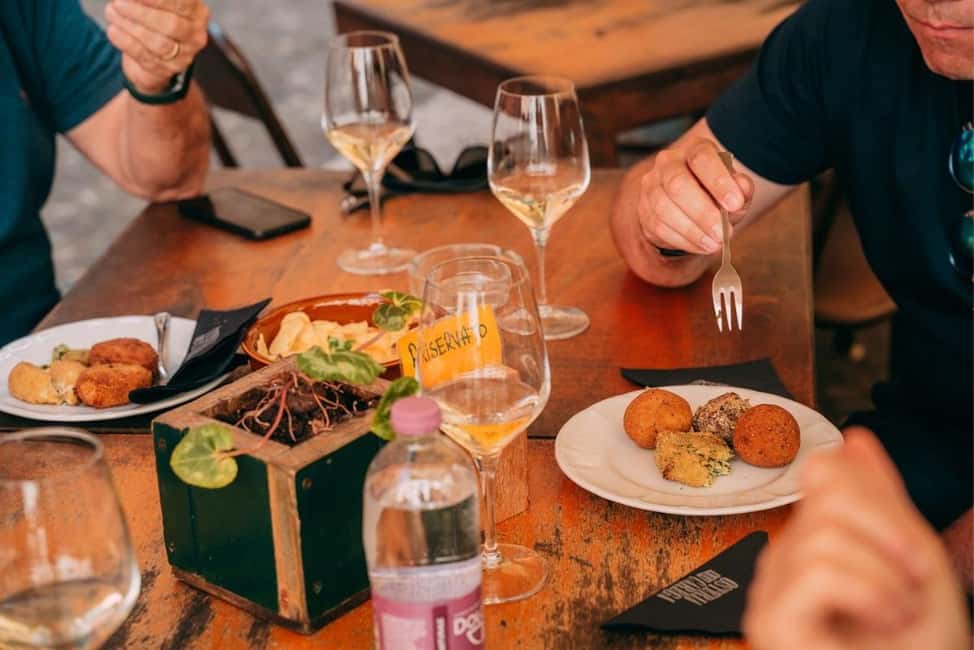
I love how the itinerary leans into the real stuff: an Espresso and Risino breakfast, handmade meatballs, and a sit-down moment for risotto all’Amarone made with Valpolicella red wine. You also get a guided three-wine tasting paired with small bites, not just a quick sip-and-go.
One consideration: it’s a mostly on-foot experience and not set up for wheelchair users, so if mobility is a big issue, you’ll want to think it through before booking.
In This Review
- Key highlights you will feel on this tour
- Porta Borsari meet-up: starting where Verona really begins
- The morning flow in Verona: espresso, Risino, and smart stop timing
- Piazza Bra: Espresso and Risino
- Piazza delle Erbe: snacks that match the vibe of the square
- A traditional restaurant moment: risotto all’Amarone
- The wine part: three Valpolicella wines with pairing bites
- Ponte Pietra: mixing a big view with wine time
- Dessert and gelato: ending sweet without losing your appetite for the rest of Verona
- The afternoon alternative: aperitivo first, then meatball cone, then Aperol Spritz
- Start with a non-alcoholic aperitivo and cicchetti
- Then a wine glass in a historic café or wine shop
- Takeout meatballs on the go
- The big tasting moment, then a sparkling finish
- What the tour does well (beyond listing stops)
- You get variety without feeling frantic
- You learn by connection, not lecture
- It’s guided enough to feel effortless
- Price and value: does $96.29 make sense for 3 hours?
- Who should book this Verona food and wine tour
- Practical tips to make the tasting route feel easy
- Should you book this tour?
- FAQ
- How long is the Verona food and wine walking tour?
- Where does the tour meet?
- Is there more than one tour time?
- What’s included in the price?
- Does the tour run in bad weather?
- Is it suitable for wheelchair users or young children?
Key highlights you will feel on this tour
- Five food and wine tastings in a tight 3-hour plan
- Piazza Bra breakfast with espresso and Risino pastry
- Valpolicella focus with a guided tasting of three local wines
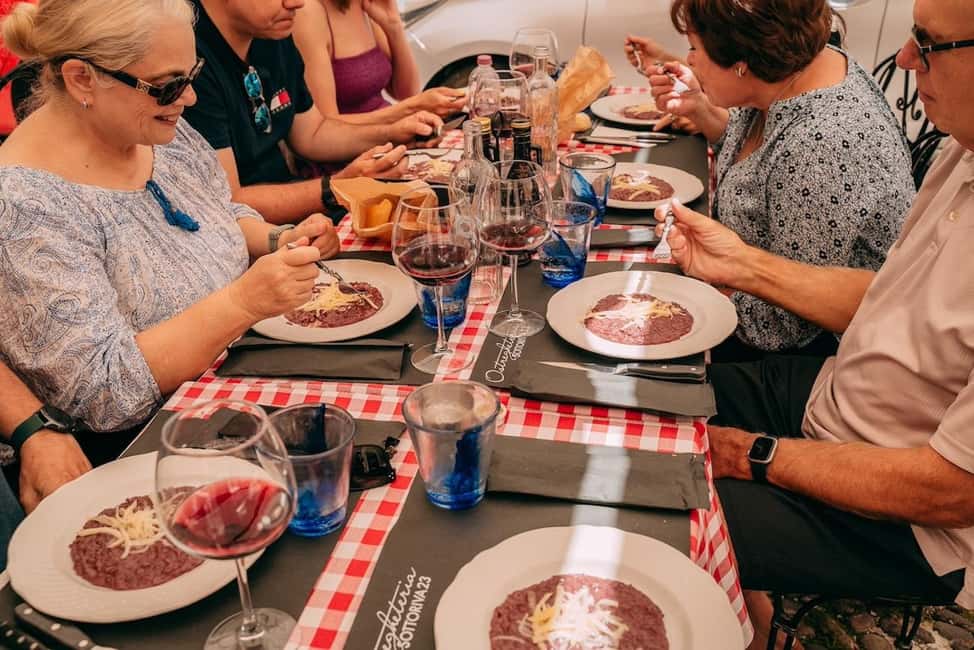
- Risotto all’Amarone and handmade meatballs in traditional settings
- Ponte Pietra as part of the wine time and city-walk flow
- Afternoon finish with an Aperol Spritz at an artisanal focacceria
Porta Borsari meet-up: starting where Verona really begins
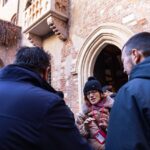
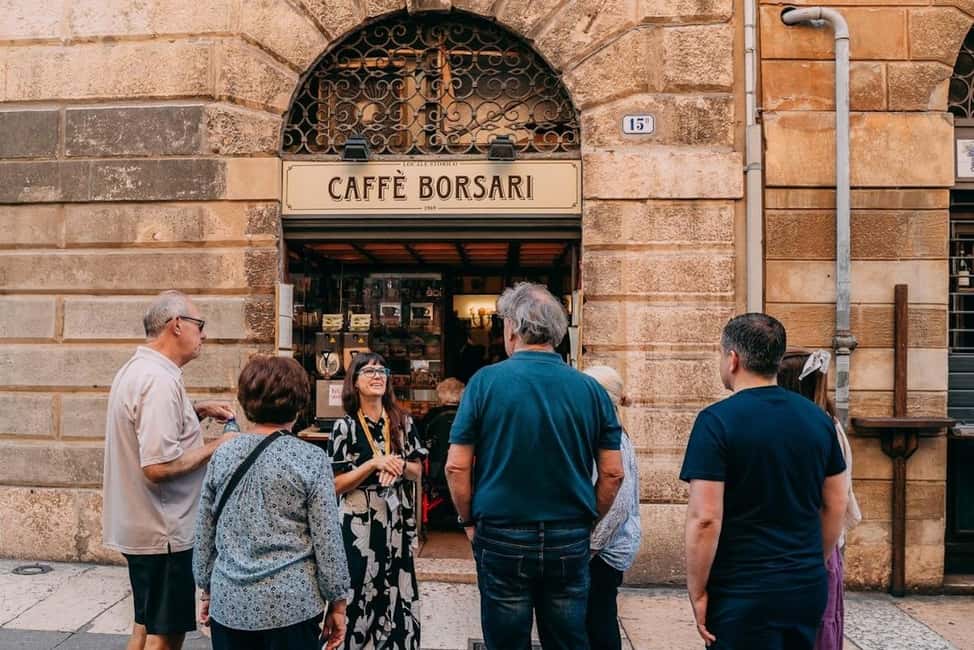
The tour meets at Porta Borsari, right under an arcade. Look for the guide under a yellow sign with the word tour on it. This matters more than you might think: starting near the old city entry means you naturally move into the historic center instead of spending the first 30 minutes figuring out where everything is.
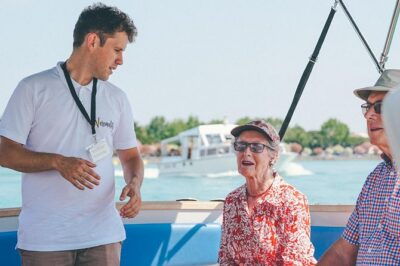
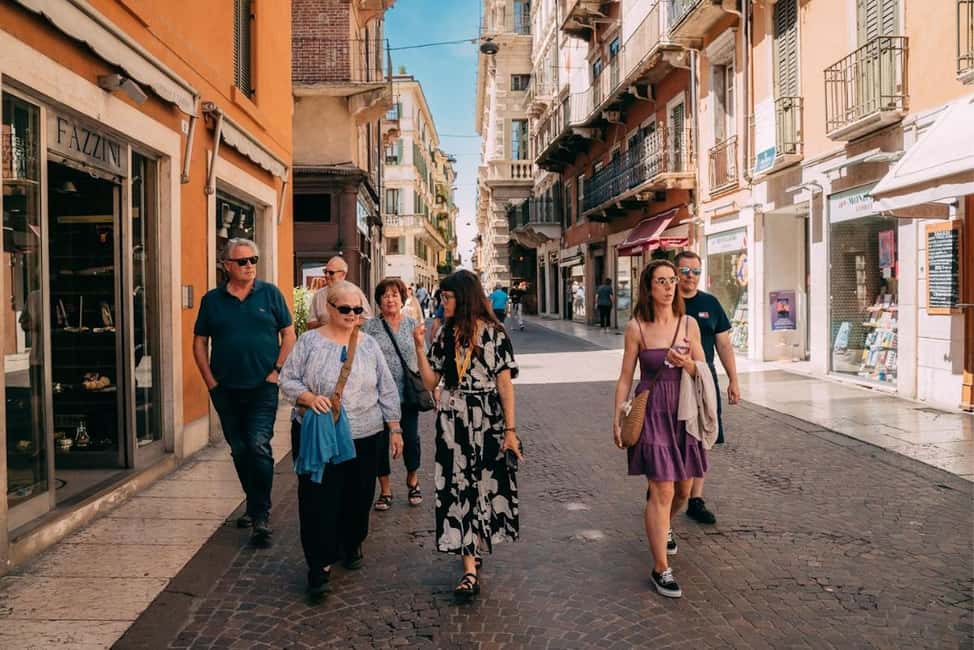
From there, you stay with your licensed local guide as you weave through the center on foot. It’s the kind of plan where you get your bearings fast, because you’re walking and eating at the same time.
You can also read our reviews of more tours and experiences in Verona.
The morning flow in Verona: espresso, Risino, and smart stop timing
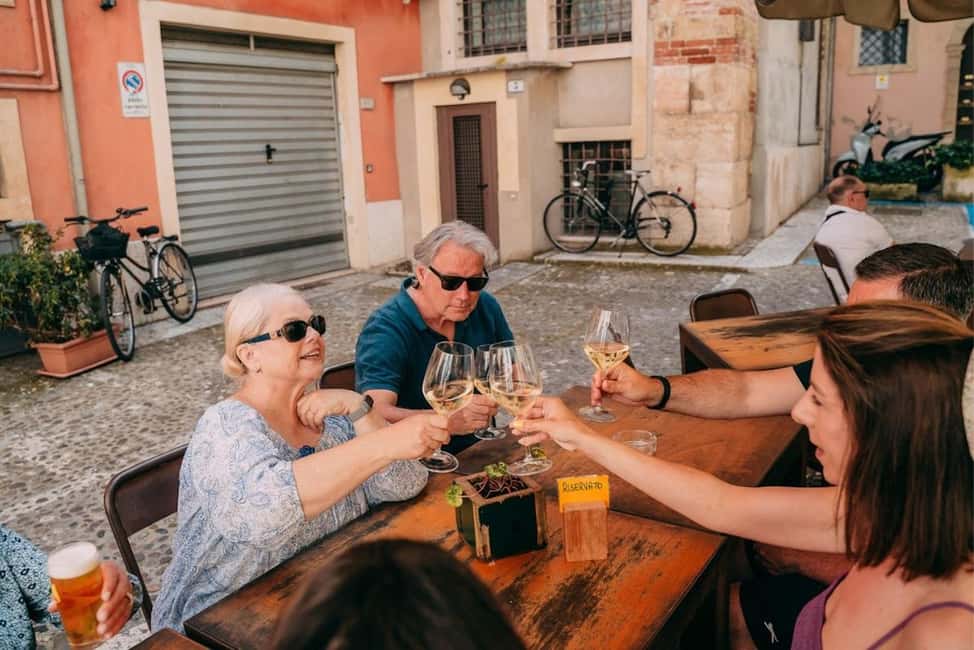
If you choose the morning tour, it’s built around a sweet-leaning start that feels very Italian: breakfast first, then the savory stuff.
Piazza Bra: Espresso and Risino
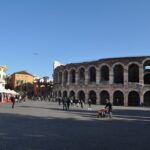
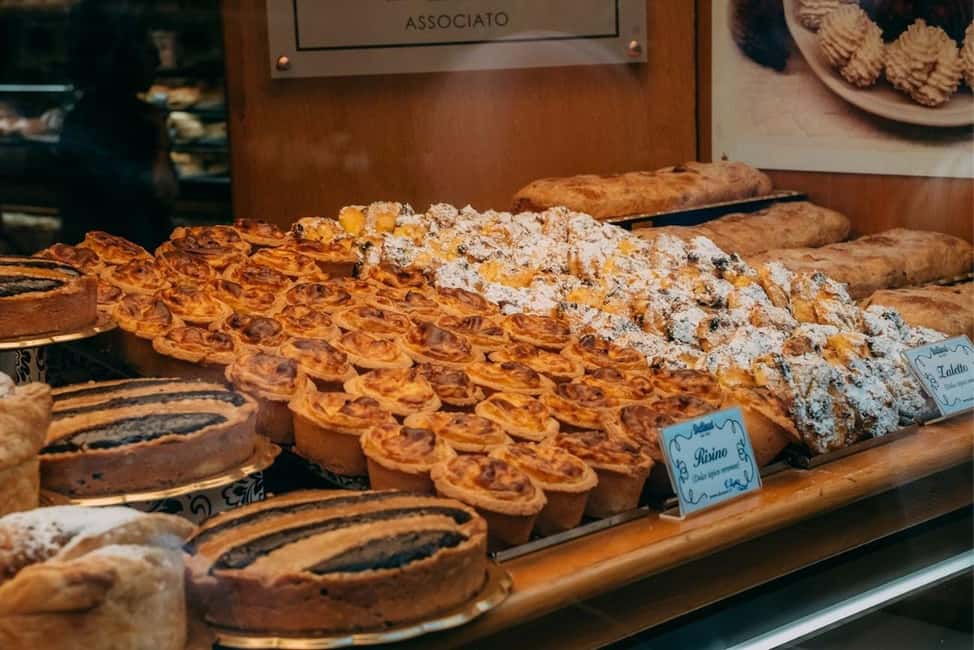
The day opens in Piazza Bra with the classic breakfast approach: Espresso plus Risino, a traditional pastry made with rice. It’s small, but it hits the right note before you start walking. If you tend to get lightheaded early in the day, this is the best kind of start: not a huge meal, but enough to keep your energy steady.
Piazza delle Erbe: snacks that match the vibe of the square
Next comes Piazza delle Erbe, one of Verona’s most central squares, where you get local snacks and taste your way through typical regional flavors. This stop is about variety and mood: short, flavorful bites, plus a chance to see the city’s energy before the tour shifts into more intimate dining spots.
A traditional restaurant moment: risotto all’Amarone
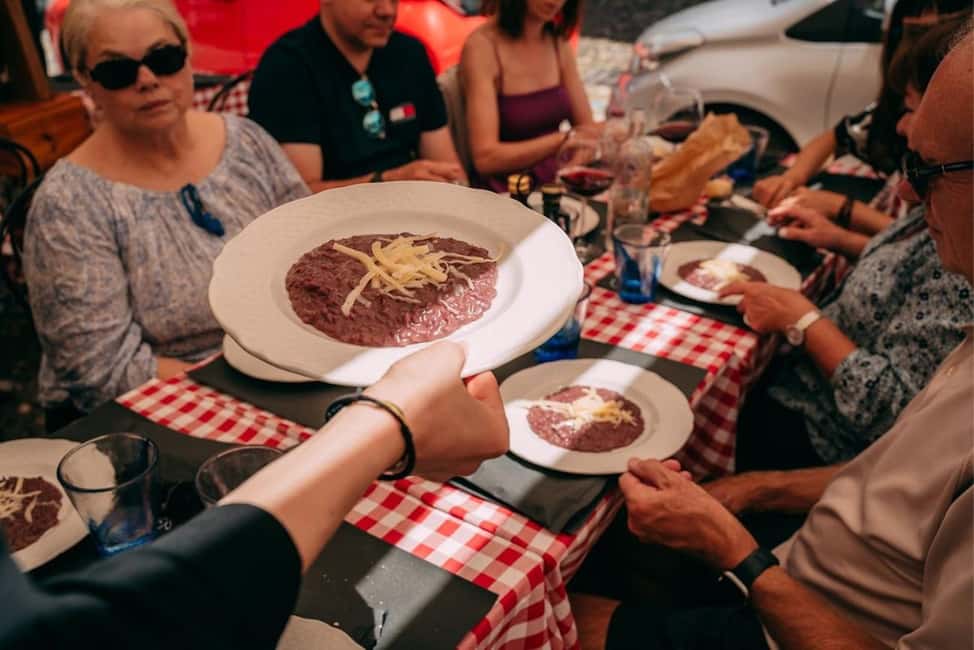
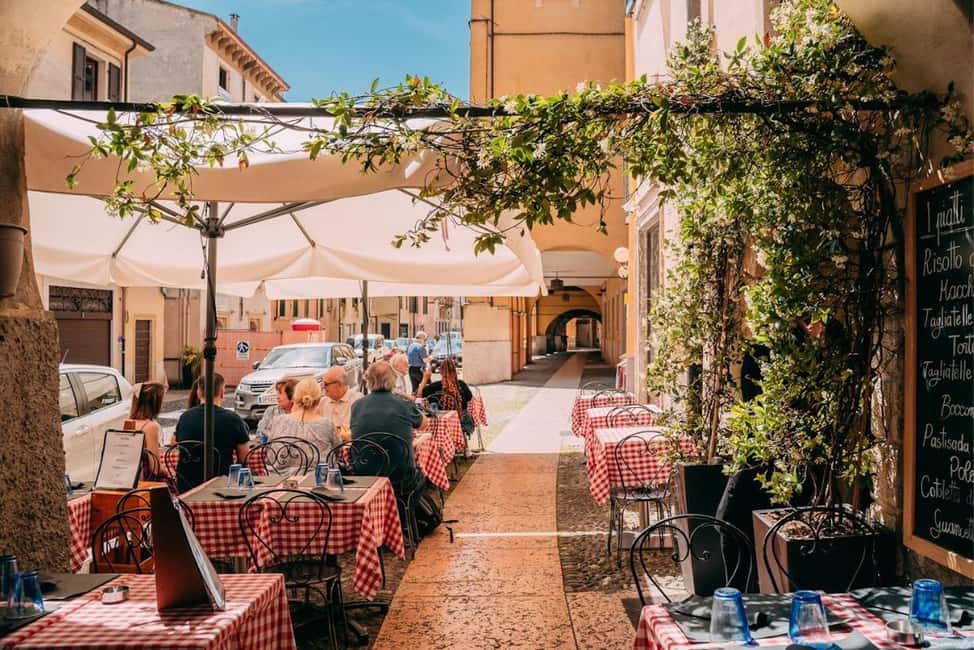
Then you hit the stop many people remember: risotto all’Amarone at a regional trattoria. The key detail is that it’s made with red wine from Valpolicella, which is the point of the whole tour theme. This isn’t just food for food’s sake; it’s Verona telling you how wine and cooking talk to each other.
The practical upside: this is a sit-down pause in a walking schedule. It gives you a real meal component, so you’re not relying only on tiny tastings.

The wine part: three Valpolicella wines with pairing bites
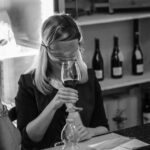
After the stronger food notes, the tour turns to wine in a refined wine bar setting. You’ll do a guided tasting of three local wines, and each pour comes with small gourmet bites meant to help you understand the flavors better.
This is where I think the tour gives real value. A lot of tastings are either too brief or too technical. Here, it stays focused on learning what you’re tasting and why it fits the local cuisine, while still keeping the pace friendly and tour-like rather than classroom-like.
And yes, Valpolicella is the star. Even if you aren’t a wine expert, the structure helps: taste, talk, connect it back to what you’ve eaten, repeat.
Ponte Pietra: mixing a big view with wine time
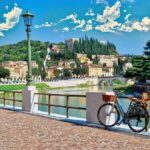
One of the scheduled stops is at Ponte Pietra, where you’ll spend about 30 minutes with wine. This is a different feeling than the indoor bars: the bridge area gives you open-air perspective, and it breaks up the denser streets of the center.
If you like walking tours but also want that classic Verona “pause and look” moment, this stop does the job. It’s not just scenery on the way to food; it’s part of the tasting experience.
Dessert and gelato: ending sweet without losing your appetite for the rest of Verona
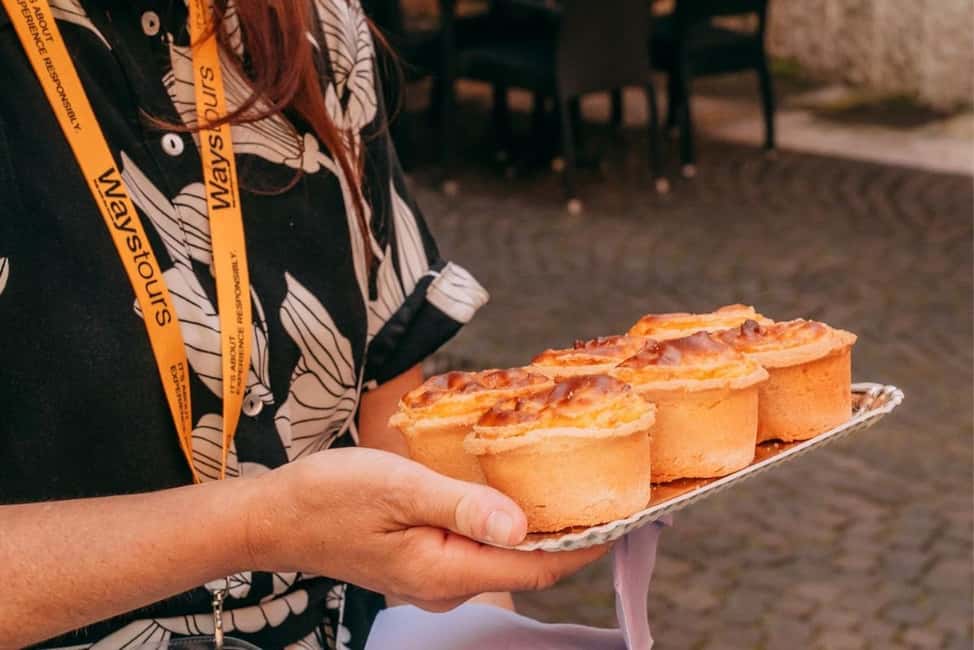
Towards the end of the morning route, you’ll go to a local bakery for dessert (about 15 minutes) and you can also expect an artisanal gelateria-style sweet note as part of the morning ending. The idea is to finish the tour with something light enough that you still have energy for your next stop in town.
This is especially useful in Verona, where it’s easy to overeat quickly. A planned finish helps you pace the day instead of trying to guess what you’ll still want later.
The afternoon alternative: aperitivo first, then meatball cone, then Aperol Spritz
If you prefer your day to move slower toward sunset, the afternoon version changes the flavor order.
Start with a non-alcoholic aperitivo and cicchetti
You’ll begin with a non-alcoholic aperitivo served with cicchetti at a local Osteria. That’s a nice choice because it sets the tone without turning the tour into an early-drink marathon.
Then a wine glass in a historic café or wine shop
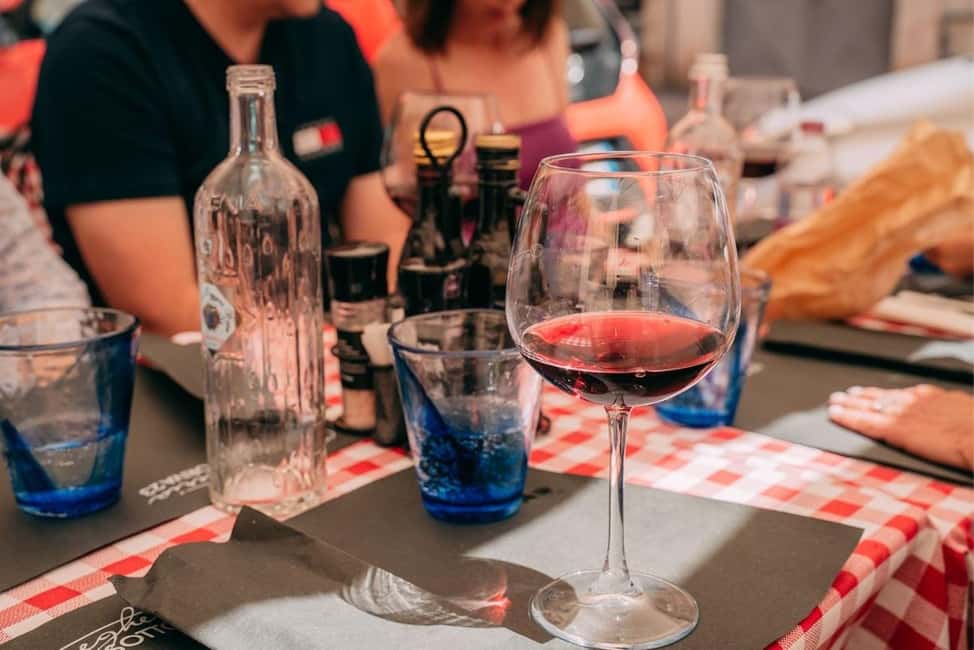
Next you’ll get a glass of wine in an atmosphere-heavy spot, either a historic café or a charming wine shop. This keeps the theme consistent but varies the setting, so you’re not repeating the same type of bar.
Takeout meatballs on the go
As you keep walking, you’ll taste a cone of handmade meatballs from a local takeout spot. This is one of the best parts for people who like street food energy. You get the fun, portable bite without breaking the flow of the tour.
The big tasting moment, then a sparkling finish
At the specialty winehouse, you’ll taste three carefully selected wines again, with the same idea: learn the nuances and connect the wines to what you’re eating.
Then you end at an artisanal focacceria with an Aperol Spritz, which is the classic Italian way to toast a day in motion. If you’re thinking about sunset plans afterward, this ending is timed well: it feels like a finish, not the beginning of another meal cycle.
What the tour does well (beyond listing stops)
I like that the tour is built around how people actually eat in Italy: short bites that lead to bigger flavors, then a wine phase where you slow down just enough to notice differences.
You get variety without feeling frantic
The stops are spread across cafés, osterias, wine bars, and a trattoria. That variety matters because it changes your taste experience. Espresso and pastry feel different from risotto; meatballs feel different from cicchetti; wine in a quiet bar feels different from a glass near Ponte Pietra.
You learn by connection, not lecture
The tasting structure helps you remember what you tasted. You eat one thing, then you taste something that belongs to the same region and flavor logic. That’s why risotto all’Amarone and the Valpolicella trio work together so well on this tour.
It’s guided enough to feel effortless
You’re not trying to translate menus or track down the right places. The licensed local guide keeps things moving and explains what you’re eating and drinking in plain terms, with enough context to make it feel connected to Verona.
Price and value: does $96.29 make sense for 3 hours?
At about $96.29 per person for a 3-hour walking tour, you’re paying for three things at once: a licensed guide, multiple tastings, and access to places that are good fits for this kind of route.
You get five food and wine tastings included, plus the structure of an itinerary that moves you through major Verona moments like Piazza Bra and Ponte Pietra while still squeezing in traditional, smaller stops. If you’ve got limited time in Verona and you want a smart mix of food, wine, and city orientation, this price often feels fair.
If you already plan to DIY wine tastings and only want a quick snack, you might spend less. But if you want the convenience of a guided plan that also adds depth, the cost is doing actual work.
Who should book this Verona food and wine tour
This tour fits best if:
- You love wine and food as a single experience, not as two separate plans
- You want a guided way to explore the center without getting stuck searching for places
- You like the balance of walking plus sit-down eating (especially with the risotto stop)
It’s probably not your best match if:
- You use a wheelchair, since it’s not suitable for wheelchair users
- You need fully accessible routes, since some parts may not be easy for reduced mobility
- You’re traveling with a child under 6, since children under 6 can’t participate
Practical tips to make the tasting route feel easy
- Wear shoes you’re happy to walk in for a few hours. This is a walking plan, not a bus tour.
- If you have allergies or dietary needs, tell the provider ahead of time so the guide can plan for you.
- For the afternoon tour, consider how much you already plan to drink later. The tour includes wine elements and ends with an Aperol Spritz.
Should you book this tour?
I’d book it if you want Verona to feel personal and flavorful fast: espresso and Risino, classic bites like meatballs, a true meal stop with risotto all’Amarone, and a Valpolicella three-wine tasting that ties everything together. It’s a good fit for first-timers who want history through food, and wine lovers who want a structured tasting without the stress.
I would skip it or research more if accessibility is a concern or if you dislike walking. But if you’re good on your feet and you want a tasting-focused Verona route that leaves you satisfied and oriented, this is one of the smarter ways to spend three hours in town.
FAQ
How long is the Verona food and wine walking tour?
The duration is 3 hours.
Where does the tour meet?
Meet under the arcade at Porta Borsari. The guide will be under a yellow sign with tour written on it.
Is there more than one tour time?
Yes, the tour is offered in the morning and in the afternoon. Starting times vary, so you’ll need to check availability.
What’s included in the price?
A local licensed tour guide is included, along with 5 food and wine tastings.
Does the tour run in bad weather?
Yes, it runs rain or shine.
Is it suitable for wheelchair users or young children?
It is not suitable for wheelchair users. Children under 6 can’t participate, and minors must be accompanied by an adult.