REVIEW · VERONA
Verona: Pasta and Tiramisu Cooking Class With Free Flowing Wine
Book on Viator →Operated by The Roman Food Tour - Food Tour Rome · Bookable on Viator
Cooking pasta in Verona beats another museum stop. In a central restaurant, I love the hands-on pasta dough coaching and the free-flowing Prosecco and wine that turn dinner into a shared celebration. The trade-off: it’s not a good fit if you need vegan, egg-free, lactose-free, or gluten-free meals.
You’ll learn with an English-speaking guide, and the vibe stays friendly and practical with a small group size (up to 12). I also like that you’re not just watching from a distance—you get to work at your station and then sit down for what you made.
And yes, this class can run warm (one report mentioned the room was hot when air was off), so plan for that. Still, the mix of cooking, eating, and meeting people makes it a smart change of pace in Verona.
In This Review
- Key Highlights You’ll Feel Immediately
- A Central Verona Restaurant, Not a Distant Studio
- The Wine-Start Moment: Prosecco Before You Touch Flour
- Making Fresh Pasta Dough Like Locals Teach It
- Fettuccine and Ravioli Stations: What You Actually Learn
- Tiramisu Class: The Sweet Finish Everyone Remembers
- Lunch or Dinner at Your Own Table: Wine Meets What You Cooked
- Dietary Reality Check: Who Should Book and Who Should Skip
- Price and Value for a 3-Hour Pasta and Tiramisu Class
- Practical Tips for Booking a Fun Night in Verona
- Should You Book This Verona Pasta and Tiramisu Class?
- FAQ
- Is the class offered in English?
- How long does the cooking class last?
- What’s included in the price?
- Do I need to print a ticket?
- How big is the group?
- What foods and drinks should I expect?
- Is it suitable for vegans or people with lactose intolerance or gluten intolerance?
- Are there substitutions for allergies or food preferences?
- What’s the cancellation policy?
- FAQ
- How far in advance should I book?
- Is it near public transportation?
Key Highlights You’ll Feel Immediately
- Central Verona setting in a restaurant near major sights and public transport
- Welcome Prosecco first, then wine paired with your meal
- Small-group format (max 12) for real attention at your workstation
- Hands-on pasta dough lessons including fresh pasta vs dried pasta
- Make-and-eat lunch or dinner, with tiramisu as the sweet finish
A Central Verona Restaurant, Not a Distant Studio
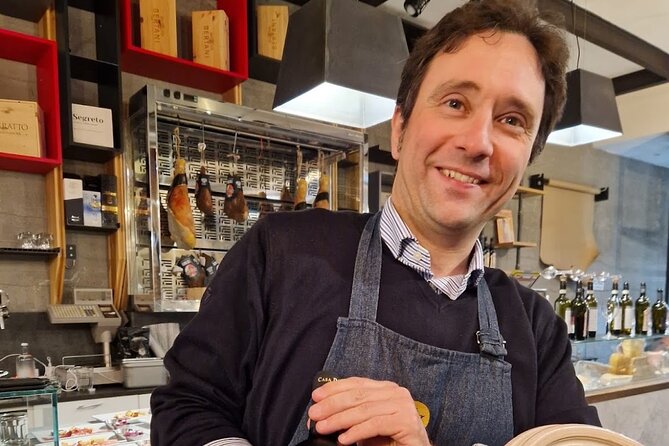
This cooking class is hosted in a working restaurant in central Verona, so the whole experience feels grounded in everyday Italian food culture. Instead of bouncing between attractions, you step into a real dining room and kitchen setup where you can watch service life and then jump into it yourself.
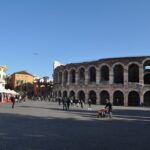
That location matters more than it sounds. If you’re staying in or near the Arena area, you can fit this into your day without a long transit headache. One review specifically called out the restaurant as being opposite the Arena, which is exactly the kind of convenience that keeps your time in Verona feeling efficient.
I also like the format: you arrive, get welcomed, then you move from dining-room energy into kitchen work. Reviews mention parts of the preparation happening in the dining room, which helps the class feel social, not like a sterile cooking lab.
The group stays small (maximum 12), so you’re more likely to get personal help when dough is sticky or the steps feel fuzzy. If you prefer learning in a room where you can ask questions quickly, this setup tends to work well.
You can also read our reviews of more tours and experiences in Verona.


The Wine-Start Moment: Prosecco Before You Touch Flour
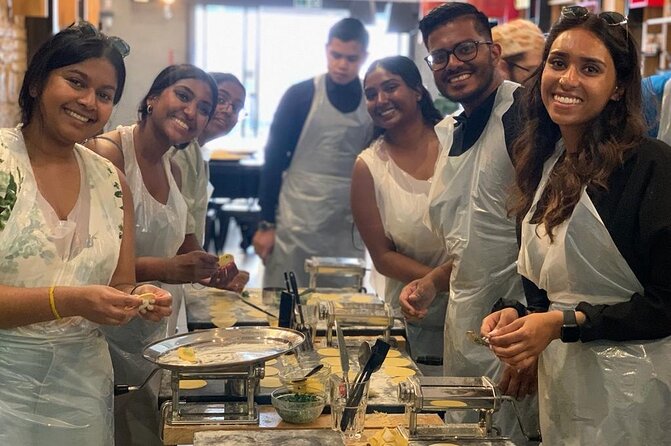
The class begins with a welcome glass of Prosecco, then the wine continues with your meal. This isn’t a side perk—it’s part of the pacing. You’ll feel relaxed enough to focus on the technique rather than worrying about whether you’re doing it right.
The menu includes multiple drinks with the meal: Prosecco, plus red wine and white wine, along with non-alcoholic beverages and soft drinks. That matters because it turns the “we cooked, then we ate” structure into a real shared lunch or dinner. You’re not rushing to the finish line; you’re finishing with a glass in hand.
One review raved about doing the class in the evening for more Prosecco and wine, so timing can affect the party feel. If you like a lively atmosphere, lean toward evening slots. If you want a calmer learning-focused session, an earlier time may suit you better.
Also note the class includes wine, but tips aren’t included. So if you want to leave something extra for your guide or the restaurant staff, plan to budget for it.
Making Fresh Pasta Dough Like Locals Teach It
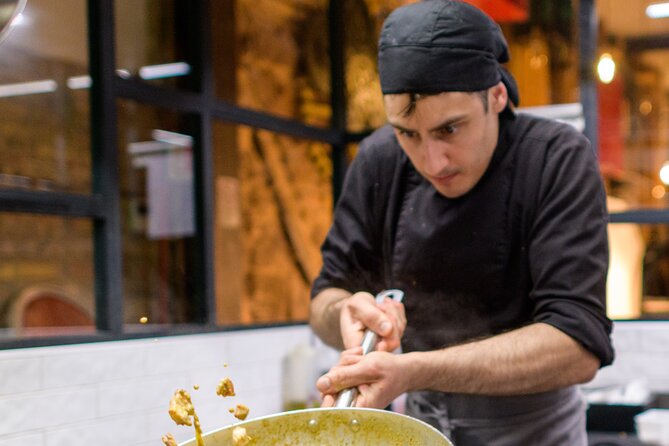
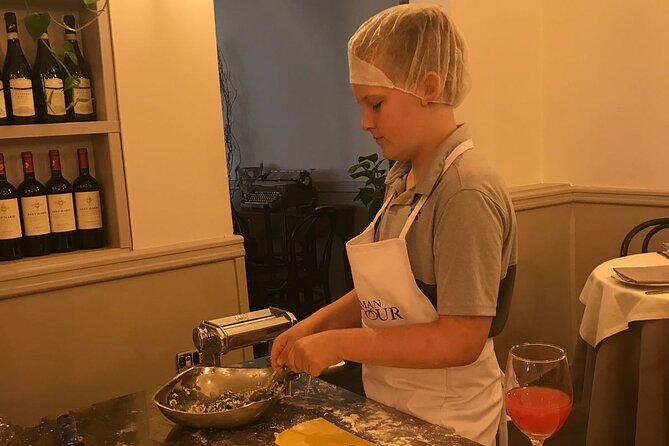
This is a pasta-focused class, and the teaching starts where pasta actually starts: the dough. You’ll learn step-by-step how to prepare the dough, including what flour to use and the difference between pasta fresca and pasta secca.
That fresh-versus-dried comparison is useful even if you only cook occasionally. Pasta fresca is made with fresh dough and is meant for faster cooking. Pasta secca is typically dried and keeps longer. Understanding that difference helps you avoid the most common home-cooking disappointment: ending up with pasta that behaves differently than you expected.
A big plus here is the “do it with guidance” approach. Multiple reviews mention clear instructions and instructors moving around tables to help people directly. There are names you might see in different sessions, including Elodie, Carlo, Carlos, Ava, Victoria, Jasmine, and others. The important part isn’t the name—it’s the style. Reviews describe guides as patient, supportive, and quick to clarify small questions.
If you’re cooking with kids, this kind of instruction style is especially valuable. At least one review described it as a great experience for younger kids (ages 9 and 11), with encouragement to help.
Fettuccine and Ravioli Stations: What You Actually Learn
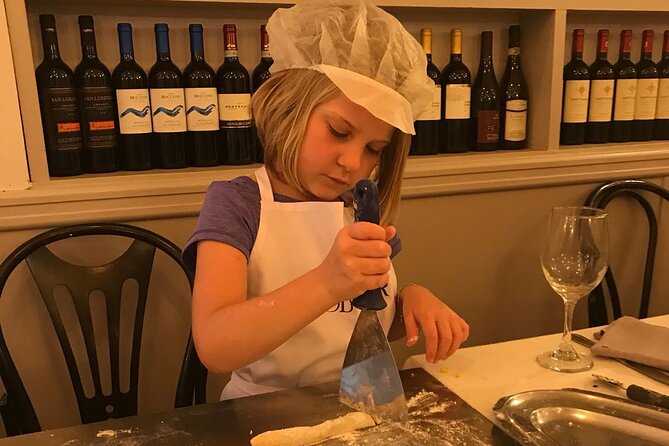
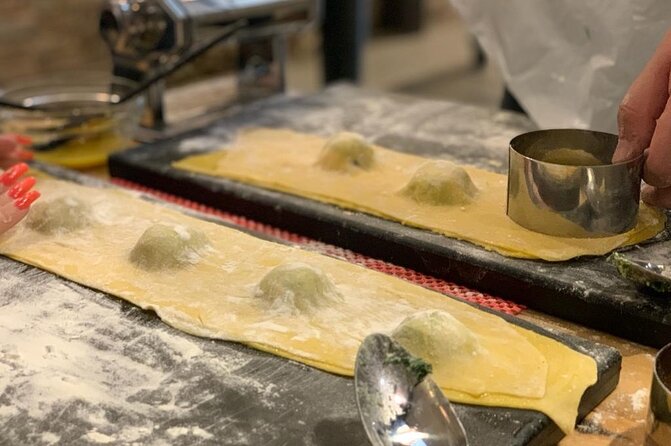
You’ll typically make the dough and then work through two pasta items. The sample menu calls out fettuccine with tomato sauce, and ravioli filled with ricotta and spinach, finished with butter and sage and served with Prosecco.
In practice, reviews back up that you’ll be hands-on with at least two pastas, often described as fettuccine plus ravioli. One review mentioned making two types of pasta and specifically called out ravioli and fettuccine results.
Here’s what I think you’ll take away from the stations:
- You learn how to handle dough so it rolls and shapes better.
- You learn how filling pasta differs from saucing pasta.
- You get guided timing so the pasta comes out right rather than overcooked or undercooked.
One caution: a couple of reviews suggested there wasn’t a deep lesson in making sauces from scratch. If you’re hoping for a heavy focus on homemade sauce technique, adjust expectations. The class concentrates on pasta dough and assembling classic dishes, then serves the finished meal.
Group setup matters too. One review described a day that felt crowded (around 15 people) even though the experience is marketed as small. If you dislike feeling rushed, you might prefer booking earlier in the week or choosing time slots that tend to have fewer people—small groups are usually the point here.
Tiramisu Class: The Sweet Finish Everyone Remembers
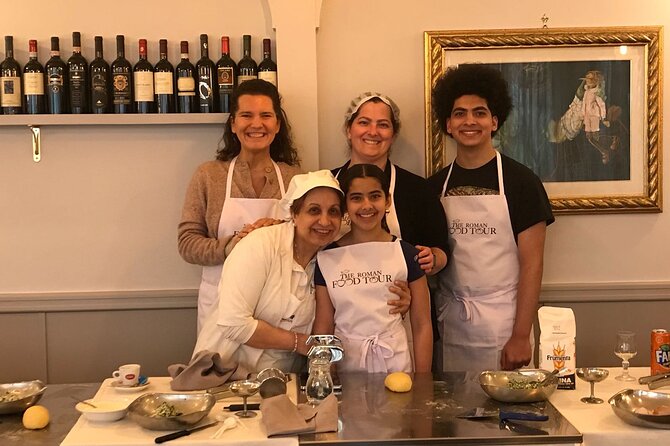
Tiramisu is the dessert you’ll learn to make, and it’s one of the reasons this class works as a travel memory. It’s familiar enough to feel achievable, but you still get real technique practice.
The standard plan is that you’ll make tiramisu as part of the class, and then eat it with your meal. But do read the room—or rather, the day. One review noted that not everyone made individual tiramisu; some participants helped while others had a different role. That doesn’t mean you won’t participate, but it does mean your exact contribution can vary by how the instructors manage portions.
In a class like this, tiramisu can also be a good bridge for different comfort levels in the group. If someone is struggling with pasta rolling, dessert offers another skill set: careful layering, handling ingredients correctly, and learning how to build the final texture.
Also keep in mind the ingredient reality. The class is not recommended for lactose intolerants or vegans, and it isn’t recommended for egg allergy. The important note is that they can offer substitutions for allergies or preferences, but the instructions focus on the traditional recipe (which contains gluten, dairy, and eggs). They also can’t guarantee 100% freedom from cross contamination. If you’re managing a serious allergy, this is the section you should take most seriously.



Lunch or Dinner at Your Own Table: Wine Meets What You Cooked
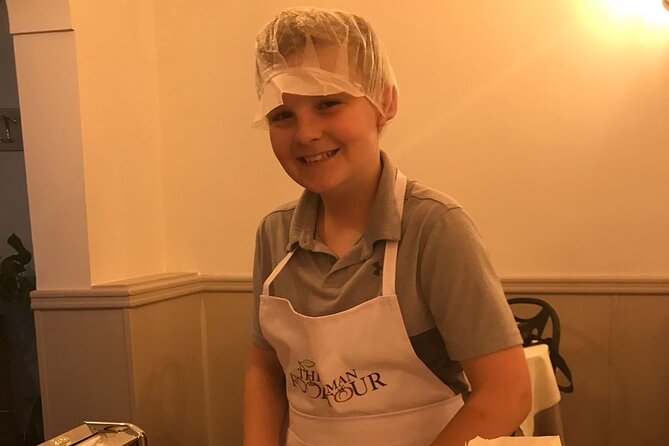
After the work in the kitchen, you sit down together for the lunch/dinner you made. This is a key value point: the meal isn’t a separate add-on. It’s built on your labor, which is why the cooking class feels like more than just a ticketed activity.
The meal is paired with wine, and the drinks are part of the flow. The sample includes Prosecco, red wine, and white wine. So even if you don’t consider yourself a wine person, you’re still tasting along with a classic Italian menu structure.
I also like the social rhythm. Reviews mention convivial conversations over lunch, and at least one described eating outside in a patio setting. That kind of setting turns the class into a “meeting people while staying in one place” kind of evening—perfect when you want something more relaxed than bar-hopping.
What you won’t get is a silent, exam-like environment. The better sessions are described as fun and engaging, with instructors adding humor and energy. One review even mentioned singing skills from an instructor, which tells me the tone isn’t stiff.
Dietary Reality Check: Who Should Book and Who Should Skip
This is where you should be honest with yourself. The experience is not recommended for:
- Egg allergy
- Vegans
- Lactose intolerants
- Gluten intolerants or gluten allergies
The reason is straightforward: the instructions focus on the traditional tiramisu and pasta recipes that contain gluten, dairy, and eggs. Substitutions may be offered, but they explicitly can’t guarantee 100% avoidance of cross contamination.
So if your needs are moderate—like you’re just looking to eat less meat or you’re generally comfortable with dairy and eggs—this may be fine. If you have a medical allergy or strict dietary restriction, I’d treat this as a “ask first” situation or even consider a different cooking class style.
Also, if you’re sensitive to heat, note that one review described the restaurant as hot during the class. Since you’ll be actively working with pasta, that could feel more intense than just sitting at a table.
If you’re not in those categories, this class tends to work well for people who want a real Italian food experience without needing to already know how to cook.
Price and Value for a 3-Hour Pasta and Tiramisu Class
At $71.35 per person for about 3 hours, you’re paying for four things that usually cost extra when purchased separately: instruction, ingredients, a full meal, and wine service.
For value, the biggest win is that lunch/dinner and wine are included. The class also includes a welcome glass of Prosecco and non-alcoholic beverages. Then, dessert (tiramisu) is part of the package too. So you’re not just buying a hands-on lesson—you’re also getting the results served back to you, plus the social experience around it.
Small-group size (max 12) can also justify the price. If you’ve ever taken cooking classes where you’re basically just standing in line, this one aims to keep instruction personal. Reviews back that up, mentioning individual attention and instructors who help at each table.
Is it pricey compared to doing it DIY at home? Yes, but that’s not the point. You’re buying time in a central location, with guidance, plus a meal and drinks that you can’t replicate the same way without equipment and shopping.
Also, it’s described as easy to fit into travel. Mobile ticket, English speaking guide, and a central location near public transport mean less friction.
Practical Tips for Booking a Fun Night in Verona
A few practical points will help you get the experience you want:
- Book ahead. It’s commonly booked about 30 days in advance, so popular dates can move fast.
- If you want a livelier wine mood, lean toward evening. One review suggested evening sessions had more Prosecco and wine.
- Dress for hands-on work. Pasta classes can get floury, and you’ll be shaping dough at your station.
- Go in expecting classic recipes. This is about traditional pasta dough and classic tiramisu, not a menu of modern fusion options.
- If you have any allergies or intolerance, message or check carefully. Substitutions are mentioned, but the traditional recipe remains central and cross-contamination can’t be ruled out.
And if you’re traveling as a couple, a group of friends, or even with kids, the small group setup tends to keep the atmosphere friendly and interactive. Multiple reviews highlight fun energy and learning that feels accessible rather than intimidating.
Should You Book This Verona Pasta and Tiramisu Class?
I’d book it if you want a hands-on Verona experience that ends with a real sit-down meal—plus wine—without turning your day into logistical chaos. The small-group size, English guidance, and the focus on dough technique plus tiramisu make it a strong choice for most travelers who want more than another photo stop.
I’d skip it (or ask very detailed questions first) if you have egg, dairy, gluten issues, or vegan requirements. The class emphasizes traditional ingredients, and cross-contamination can’t be guaranteed.
If you’re hoping for deep sauce-making lessons, set your expectations around pasta dough and assembly rather than full sauce chef training. But if your goal is to learn the core pasta skills and bring home a reliable tiramisu memory, this is a good bet.
FAQ
Is the class offered in English?
Yes. The experience is offered in English with an English-speaking guide.
How long does the cooking class last?
It’s listed as about 3 hours.
What’s included in the price?
Lunch or dinner is included, along with wine and soft drinks. You’ll also get a welcome glass of Prosecco, and the tiramisu dessert is included. Tips are not included.
Do I need to print a ticket?
No. You get a mobile ticket.
How big is the group?
The maximum group size is 12 travelers.
What foods and drinks should I expect?
You’ll make fresh pasta (the sample includes fettuccine and ravioli) and tiramisu. Drinks include a welcome glass of Prosecco and wine with the meal (Prosecco, red wine, white wine) plus non-alcoholic beverages.
Is it suitable for vegans or people with lactose intolerance or gluten intolerance?
It’s not recommended for vegans, lactose intolerants, or gluten intolerants/allergic travelers. It’s also not recommended for egg allergy.
Are there substitutions for allergies or food preferences?
Substitutes may be offered, but the instructions focus on the traditional recipe (containing gluten, dairy, and eggs). The provider also cannot guarantee 100% freedom from cross contamination.
What’s the cancellation policy?
Free cancellation is available up to 24 hours in advance for a full refund.
FAQ
How far in advance should I book?
It’s typically booked about 30 days in advance, so booking around that timeframe (or earlier) is wise.
Is it near public transportation?
Yes. The meeting point is near public transportation.