REVIEW · TRENTINO
Trento: Aula del Simonino Entry Ticket
Book on GetYourGuide →Operated by FAI - Fondo Ambiente Italiano · Bookable on GetYourGuide
A chapel with a wireless story. The Aula del Simonino turns a small space in Trento’s historic center into a powerful 45-minute visit, paced by a headphone audio narrative.
I love the sound-narrative format: you sit on wooden benches and listen, instead of standing in a busy group. I also like how the ticket gives you access to the Simonino Room inside Palazzo Bortolazzi Larcher Fogazzaro, where restoration work has clarified painted figures and older architectural details.
One consideration: there is no guided tour included, and the subject matter is heavy. The audio covers antisemitism and an unjust trial, so this is not a casual “quick look” experience.
In This Review
- Key highlights worth planning around
- Finding the Aula del Simonino in Trento’s historic center
- Entering the Simonino Room: how the 45 minutes actually works
- The headphone narrative: the heart of the experience
- The story you’ll hear: Simon of Trento and the machinery of injustice
- What restoration lets you see: architecture plus meaning
- Price and value: is $5 worth your time?
- Who should book this entry ticket, and who might skip it
- FAQ
- How long is the Aula del Simonino experience?
- What languages is the audio available in?
- Is a guided tour included with the entry ticket?
- Where is the Aula del Simonino located?
- Is the site wheelchair accessible?
- What does the ticket include?
- Should you book the Aula del Simonino ticket?
Key highlights worth planning around
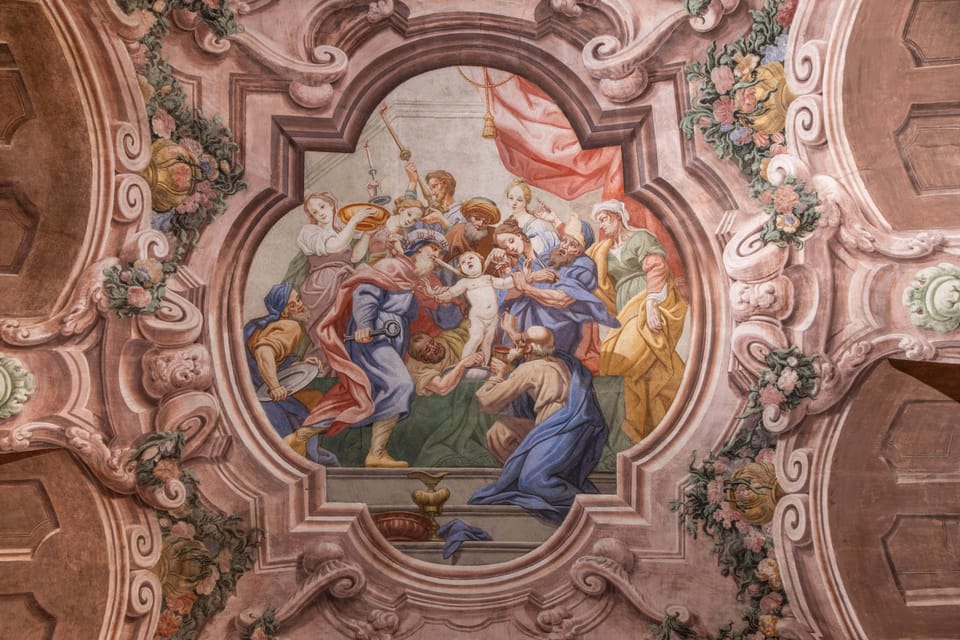
- Wireless headphones, timed pacing: you get a 20-minute narrative experience inside the room.
- A restored setting: the facade and interior decoration were refreshed so inscriptions and painted figures are easier to read and see.
- The story of Simon of Trento: the audio explains how a boy became a central figure through false accusations and later suppression of the cult.
- Four languages available: Italian, English, French, and German for the audio narration.
- Serious but important history: it’s a cultural site that preserves memory of injustice, not worship.
Finding the Aula del Simonino in Trento’s historic center
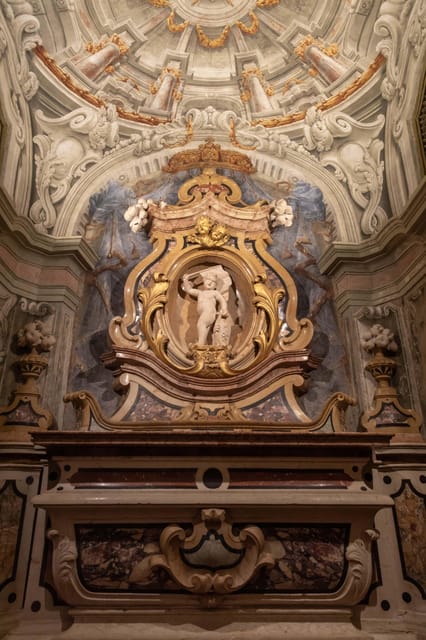
The Aula del Simonino is in Trento, in the Trentino-South Tyrol region of Italy, tucked inside Palazzo Bortolazzi Larcher Fogazzaro on Via del Simonino. If you like exploring historic city centers on foot, this stop fits well with a walking loop around Trento’s older streets.
The building matters because the Simonino Room wasn’t always presented the way you see it now. Donated to FAI (Fondo Ambiente Italiano) in 2018, it became a restoration and enhancement project meant to preserve both the art and the meaning of the place. In other words, you’re not just buying a ticket to “see a chapel.” You’re entering a carefully presented cultural room inside a real palace setting.
If you’re trying to build your day, I’d treat this as a focused stop, not a quick detour. The time adds up fast because the experience is designed to hold your attention in one seated session.
You can also read our reviews of more tours and experiences in Trentino.

Entering the Simonino Room: how the 45 minutes actually works
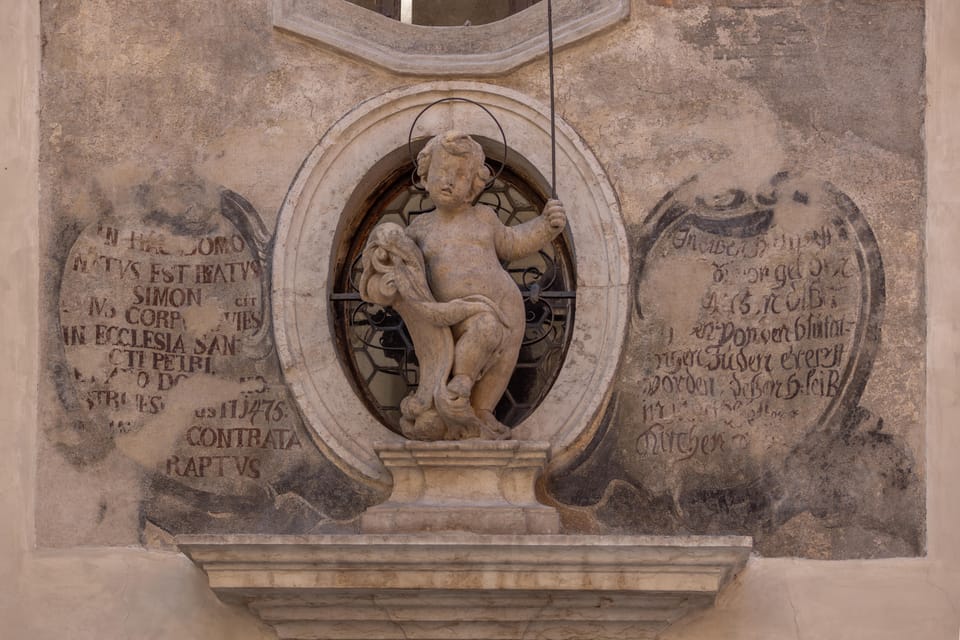
This entry ticket is built around one main moment: sitting down with wireless headphones for a 20-minute narrative. Even though the total duration is listed as 45 minutes, that extra time is there for getting settled and moving through the space at a calm pace.
You’ll be seated on wooden benches that feel reminiscent of choir pews. That detail is more than decorative. It changes the mood. Instead of “tour mode,” you’re in “listening mode,” which helps the audio story land with clarity.
The audio itself is designed to be high-quality and multi-language. You can choose among Italian, English, French, and German. The point is simple: the museum experience is accessible without needing you to track down a separate guide.
Practical tip: if you’re the kind of traveler who likes to read every sign before starting, you may want to skim what you can quickly, then commit to the audio. The narrative is the core experience here, and it’s paced to match what you’re seeing.
The headphone narrative: the heart of the experience
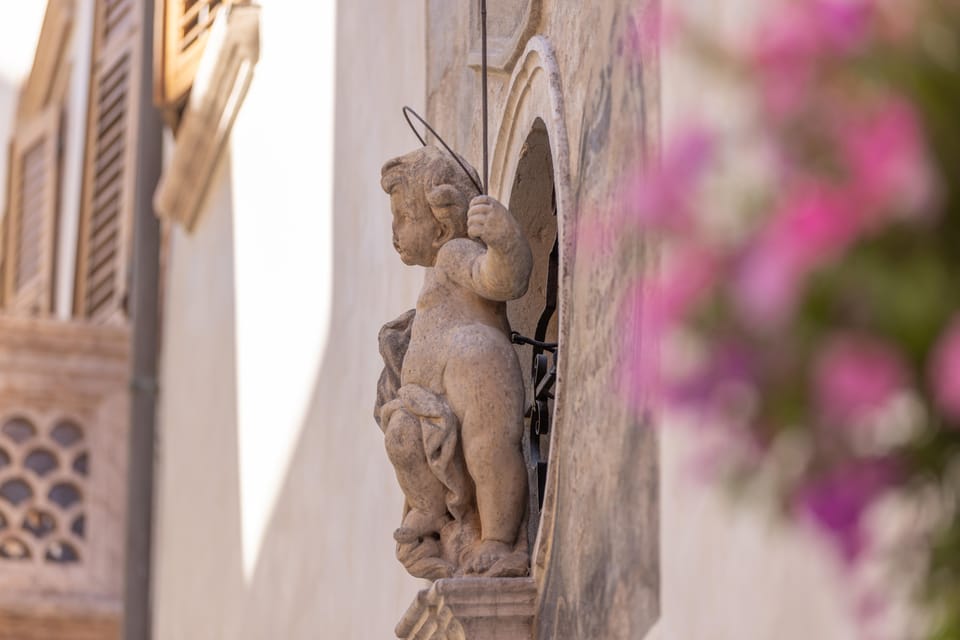
Once you start, the narrative guides you through the story of Simon of Trento and explains how the site became what it is today. The audio is framed as a “sound narrative,” and it’s not trying to overwhelm you with dates and names. It gives you a storyline you can follow, then anchors it in the physical location you’re in.
You’re essentially listening to a historically grounded interpretation of why this chapel mattered and why it became controversial. That’s why the room uses wireless headphones: it keeps you from competing with noise, and it helps the story feel intimate rather than like background information.
Also, the narrative connects architecture and memory. The room is linked to the area where his birthplace once stood, indicated by inscriptions on the facade. That facade detail becomes meaningful once the story explains who Simon was and why the events around his death caused lasting harm.
If you’re sensitive to difficult historical topics, take this at your own speed. There’s no indication that the experience is designed for a quick “power through.” It’s structured for attention.
The story you’ll hear: Simon of Trento and the machinery of injustice
The audio centers on Simone Lomferdorm, a boy just over two years old who was found dead on March 24, 1475, in the moat of a house along the Adige River owned by a Jew. The narrative doesn’t treat this as a mystery to solve. It presents what happened next: a predictable pattern of scapegoating.
At that time, the city authorities promoted a false belief that Jews committed ritual murder, claiming they killed the boy to use his blood in Passover rites. From a storytelling perspective, that’s where the audio becomes especially important. It shows how a tragedy can be twisted into propaganda.
Simon then becomes a Christian martyr, against his will, and the narrative explains how he later received official beatification. This is where the story grows wider than one person. The cult that formed around Simonino includes dedicated places of worship, annual processions, and a collection of sacred images spread across Italy.
While that religious cult expanded, the small Jewish community in Trento was accused, tried, condemned, persecuted, and expelled. The narrative points out what that means in real life: you don’t just hear a rumor. People are harmed, rights vanish, and a community is forced out.
The audio also brings the story into modern times. In 1965, a scientific review of the trial overturned the guilty verdict against the Jews. A papal decree then suppressed the cult: the boy’s remains were ordered removed from the Church of SS. Peter and Paul, celebrations were stopped, and chapels were closed, including this one that had been donated for preservation later on.
Then there’s the long memory that follows. Not until 1992 did the Jewish community officially return to Trento, marked by a plaque placed by the city.
This is why the Aula del Simonino exists as a cultural space today. Since 1965, it is no longer a place of worship, but it remains a place of great cultural significance—because it preserves a dark chapter and the evidence of what must never be repeated.
What restoration lets you see: architecture plus meaning
One reason the experience feels polished is that the presentation is backed by restoration. After the facade work, the project revealed 15th-century windows and restored the facade’s color and clarity. It also refreshed 18th-century painted figures and inscriptions, so the decorative layer is easier to recognize.
Then, once the exterior work was done, FAI reorganized the interior to create the current enhancement project. The result is a room that supports both reading and listening. You’re not expected to decipher everything through tiny details. The space is meant to hold the audio story and the visual cues together.
If you like travel sites where you can see the “before and after” in how clearly elements are restored, this is worth it. The chapel room isn’t presented as a blank stage. It still has texture: painted figures, inscriptions, and older architecture that now looks more legible and intentional.
And since this was originally called the Simonino Chapel in the 18th century (and possibly even earlier), the place carries layering. The point isn’t to turn it into a purely aesthetic visit. The art and architecture are there to make the history easier to understand and remember.
Price and value: is $5 worth your time?
At about $5 per person, the ticket price is remarkably low for a curated, multi-language audio experience in a historic palace setting. You’re paying for access to a preserved room plus the headphone narrative, not for a generic open-door sightseeing stop.
The value is strongest if you want:
- a short visit that still feels meaningful
- an audio-led format that doesn’t require a live guide
- a site in Trento’s center that you can fit into a half day
There’s no guided tour included, so if you prefer a person who can answer questions in real time, you might decide to pair it with another guided stop elsewhere in the city. But for most travelers, the audio format does the heavy lifting.
Time-wise, you’re looking at about 45 minutes total. That makes it an easy add-on when you’re already walking the historic streets. It also means you can keep your day moving without sacrificing depth.
Who should book this entry ticket, and who might skip it
You’ll probably be happy with this ticket if you:
- like museums or monuments that explain the “why,” not just the “what”
- want an audio experience in Italian, English, French, or German
- enjoy visiting restored spaces where you can still spot older architectural details
- prefer seated listening over standing in a group
You might think twice if:
- you strongly dislike headphone-based experiences (the narrative is central)
- you’re looking for something light, upbeat, or purely architectural
- you need a live guide to get the most out of your visit, since guided tours are not included
In my view, this works best as a deliberate stop in the middle of a walk—something you schedule so you can give it your attention.
FAQ
How long is the Aula del Simonino experience?
The total duration is listed as 45 minutes, built around a 20-minute audio narrative.
What languages is the audio available in?
The audio narrative is available in Italian, English, French, and German.
Is a guided tour included with the entry ticket?
No. This ticket includes entry and the audio story, but it does not include a guided tour.
Where is the Aula del Simonino located?
It’s located inside Palazzo Bortolazzi Larcher Fogazzaro on Via del Simonino in the historic center of Trento.
Is the site wheelchair accessible?
Yes, it is listed as wheelchair accessible.
What does the ticket include?
Your ticket includes an entry ticket to the Aula del Simonino, with an audio story available in Italian, English, French, and German.
Should you book the Aula del Simonino ticket?
Book it if you want a short, well-presented experience that connects restored art to real, painful history—delivered through clear headphone narration. It’s excellent value at $5 and a smart way to add meaning to your Trento walk.
Skip it only if you’re not up for a serious story, or if you specifically want a live guide instead of audio. For the right mood, this is exactly the kind of small, focused stop that stays with you long after you’ve left the room.