One good cliff walk can change how you see mountains. This Dolomites via ferrata experience based in Cortina d’Ampezzo mixes top-tier guide coaching with big scenery and a practical first climb, so you’re not just getting scared and hoping for the best. I like the small-group feel (max 20) and the way guides named Marco, Luca, Mara, and Alex focus on calm, step-by-step instruction. You’ll get the rope skills, clipping habits, and confidence-building habits that make the iron cables feel less intimidating.
The only real catch is the need for moderate physical fitness and comfort with exposure. If heights make you freeze or you’re short on stamina for a steady climbing effort, this can feel like too much too soon, even on easier graded routes.
In This Review
- Key highlights you’ll feel fast
- Cortina d’Ampezzo and the 4-hour rhythm of a via ferrata day
- How the UIAGM/IFMGA guides keep your first climb calm
- Gear, shoes, and the extras you should plan for
- The Dolomites route: what stops like Cascate di Fanes and Lagazuoi give you
- Cascate di Fanes
- Funivia Faloria
- Monte Averau
- Parco Naturale delle Dolomiti d’Ampezzo
- Monte Sass de Stria and Giro del Nuvolau
- Anello del Lagazuoi and Funivia del Lagazuoi
- Alpe di Siusi, Val Gardena, Gardena Pass, Passo di Giau
- Schlern-Rosengarten / Sciliar-Catinaccio Nature Park
- Alta Badia
- What you actually learn: rope manoovres and first-time technique
- Difficulty level: easy side routes, real heights, and smart comfort checks
- Who should book this via ferrata in the Dolomites
- Quick practical tips before you go
- Should you book this Cortina via ferrata experience?
- FAQ
- How long is the Dolomites via ferrata experience?
- Where does the tour start?
- Is the tour offered in English?
- What’s included in the price?
- Do I need to rent a helmet, harness, or via ferrata set?
- Are ski lifts included?
- What if weather is bad or I cancel?
Key highlights you’ll feel fast
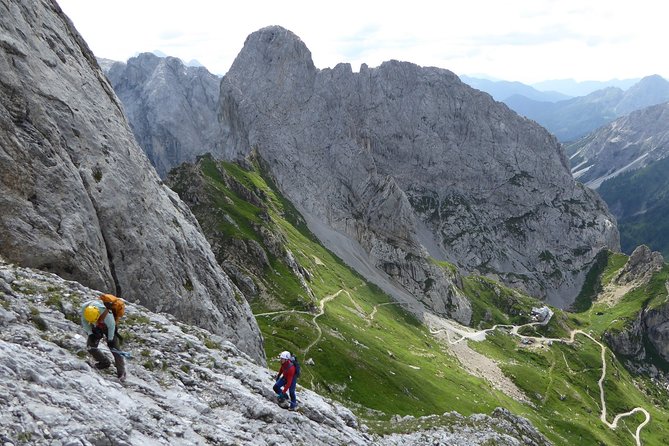
- UIAGM/IFMGA Mountain Guide service for safety-first instruction throughout your climb
- First-timer-friendly coaching, including rope/clip technique built around your comfort level
- Guides pick a route to match you, and many beginners get an easy-to-intermediate climb like A–C grades
- Dolomites scenery all day, with named stops from Cascate di Fanes to Lagazuoi and beyond
- Small-group energy, with examples of groups of 4–5 that make questions easy
Cortina d’Ampezzo and the 4-hour rhythm of a via ferrata day
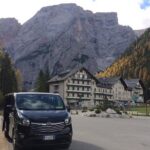
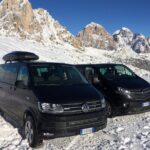
Cortina d’Ampezzo is a great place to start because it gives you a true “mountain town” base instead of a remote trailhead. You meet at Cason Dei Caai (32043 Cortina d’Ampezzo), then the day moves quickly: a short drive to the parking area, a walking approach to the climbing point, and then the ferrata portion.
Even though the overall timing is listed at about 4 hours, the bigger value here is how the time is used. This isn’t just a climb. It’s a guided skills loop: safety briefing, gear setup, learning rope handling and climbing technique, then doing the route while the guide watches your form and adjusts as needed. That pacing matters if you’re a first-timer, because the first minutes on the iron cables can be the most mentally intense. Several guide styles in the feedback you’re working with emphasize that early steep section isn’t the whole story, and the difficulty can shift as you go.
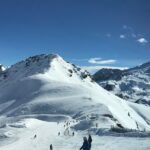
And you’re not stuck staring at one cliff either. The itinerary includes a string of dramatic Dolomites areas—waterfalls, viewpoints, and cable-car zones—so even if your main focus is the ferrata, you get that sense of place.
You can also read our reviews of more tours and experiences in Cortina dAmpezzo.
How the UIAGM/IFMGA guides keep your first climb calm
Here’s what consistently shows up in the best feedback: the guides don’t just point and go. They teach.
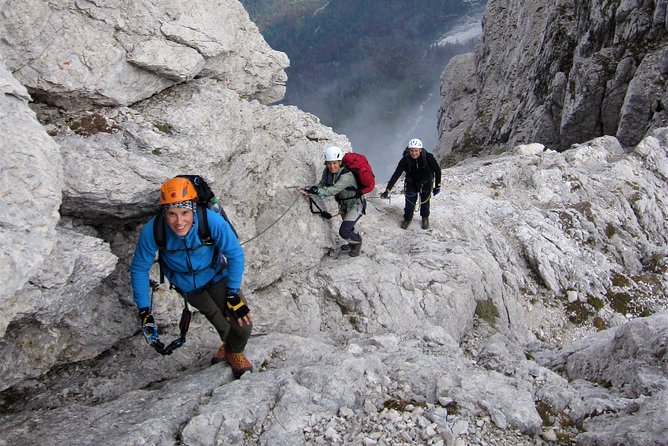
You’ll start with a quick briefing on gear and safety rules, then move into rope maneuvers and climbing techniques. That instruction is where you get real value. If you’ve never done via ferrata, you don’t need more “encouragement.” You need clear explanations and a guide who watches how you clip, how you transfer weight, and how you move hands and feet together.
The feedback also gives you a concrete sense of the training approach:
- One guide style (Marco) included a more redundant start for beginners, with a rope setup acting as a fail-safe while you get comfortable, then transitioning you out of the extra attachment if you’re ready.
- Other guides, like Luca and Mara, are praised for taking the time to match the route to your comfort and for pushing just enough without rushing you.
You’ll also get real-world local context as you climb. Notes about geology, the region, and even history tied to routes (like historic trench-style sections) show up in the feedback. That turns the day from a physical activity into something you’ll remember as “this is what I learned up there.”
One more practical bonus: in a couple of groups, guides offered photos during the climb. It’s not guaranteed, but it’s a good sign that these aren’t detached “lead and disappear” tours.
Gear, shoes, and the extras you should plan for
Your price is listed at $167.75 per person for about 4 hours, and it includes the UIAGM/IFMGA Mountain Guide service. That’s the big value driver: you’re paying for a credentialed professional guide, not just a ticket to an iron cable.
But a few extra costs can matter, especially for first-time climbers:
- Helmet, harness, and via ferrata set are not included by default. Rental is available on request for €15 per person.
- Ski lifts are not included. In feedback, one group paid about €15 for a lift to reach the via ferrata.
- Shoes matter. One consistent tip from feedback: bring hiking or climbing shoes and avoid running shoes. If you don’t want to pack them, there may be local rental options in Cortina (for example, Ski Service in Cortina was mentioned in one feedback note).
If you want the easiest day, do this:
1) Confirm whether you need gear rental ahead of time so you’re not improvising at the start.
2) Wear shoes with grip that can handle rock and metal equipment.
3) Expect the first stretch to feel steeper than you thought. Even beginners say the difficulty shifts into something manageable once you’re moving well.
The Dolomites route: what stops like Cascate di Fanes and Lagazuoi give you
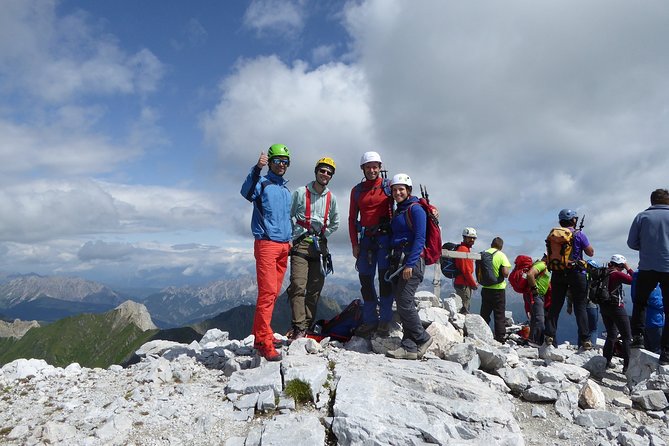
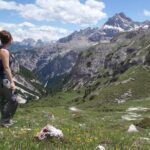
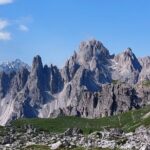
Your itinerary is loaded with famous-sounding Dolomite names, and the practical takeaway is variety. You’ll see multiple mountain zones rather than spending the whole day staring at one view.
Here’s how to think about the named stops, and what they usually mean in terms of experience:
Cascate di Fanes
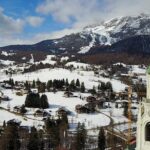
This one signals water plus rock scenery. You get a change of visual texture early in the day, which helps mentally. It also breaks up the “just driving to the climb” feeling.

Funivia Faloria
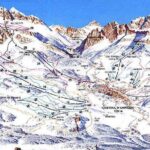
“Funivia” means cable car access. That matters because it can put you closer to higher terrain without adding a bunch of uphill time. It’s especially useful if your main goal is the via ferrata rather than turning the day into a long hike.
Monte Averau
A mountain stop like this is usually about viewpoint time and getting oriented in the terrain. It’s also a useful mental step: you see the type of rock and the scale of the climb before you commit to being clipped in.
Parco Naturale delle Dolomiti d’Ampezzo
A natural park stop is a way to broaden the day beyond one single target. If the group has time for short walks or photo breaks, this kind of area typically offers cleaner sightlines and quieter surroundings than a crowded road pull-off.
Monte Sass de Stria and Giro del Nuvolau
These names hint at classic Dolomites vantage points. You’re getting that “vertical geometry” feel that makes via ferrata so special: sheer rock, cables, and long, open views.
Anello del Lagazuoi and Funivia del Lagazuoi
Lagazuoi is often associated with ferrata culture and dramatic mountain access, and the itinerary includes both a loop and a cable car here. Even if you only get brief time at each segment, it’s a smart pairing: loop-style options suggest scenic footpaths, while the cable car reduces effort and keeps you on schedule.
Alpe di Siusi, Val Gardena, Gardena Pass, Passo di Giau
This is the “big Dolomites survey” part of the day. Those names cover a lot of valley-and-pass terrain, which is where you get scale. It’s also helpful for planning future hikes and drives because you start recognizing where valleys and ridges connect.
Schlern-Rosengarten / Sciliar-Catinaccio Nature Park
Another park stop is a chance for a calmer break in the route, with a different mountain character than the more jagged ferrata cliffs.
Alta Badia
This is your final big regional note. The value is the way the day threads multiple Dolomite sub-areas, so your brain leaves with a broader sense of the region, not just the one climb.
Practical note: the listed stops are many for a half-day experience. Expect quicker transitions and shorter photo breaks rather than long, slow hikes at each location.
What you actually learn: rope manoovres and first-time technique
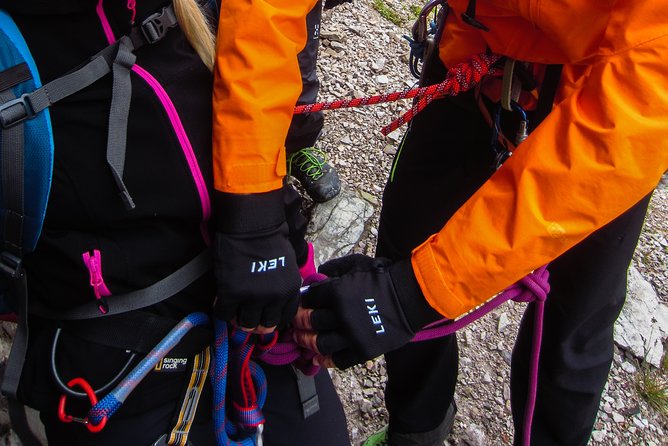
The technical part is where you get the confidence that lets you climb safely again later.
You’ll do a briefing on:
- Safety rules for via ferrata
- How to use your equipment correctly
- Core rope handling and climbing habits
The key skill isn’t “being strong.” It’s being consistent. Guides focus on how you manage your body position and keep your clipping rhythm steady. That’s why even experienced hikers in the feedback still said they appreciated the orientation at the start.
A few technique themes show up across the feedback:
- Beginners often find the first few meters mentally hardest, then it gets more manageable as you settle into the rhythm.
- A good guide doesn’t just correct mistakes at random. They teach you enough to self-correct as you go.
- Route choice matters. For first-timers, easier graded via ferrata routes can still be mentally engaging without turning into a panic situation.
Also, some guides add small “tooling” based on conditions. One group noted that when snow made the return slippery, the guide provided hiking poles for the way down. If conditions are messy, expect your guide to adapt to keep the group moving safely.
Difficulty level: easy side routes, real heights, and smart comfort checks
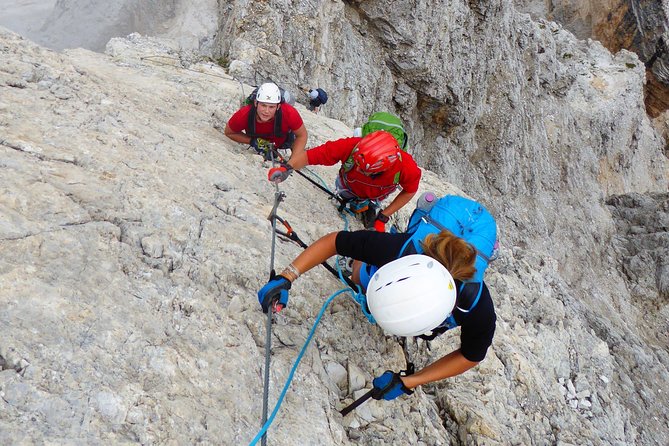
Your physical level requirement is listed as moderate, and the best way to read that is simple: you don’t need advanced climbing fitness, but you do need enough stamina to keep moving and enough head control to handle vertical exposure.
The feedback is clear that first-timers succeed. Several people describe their first via ferrata as a thrill that felt safe with the right instruction. Some routes were described as easy-to-intermediate on a grading scale (like A–C), and the experience was still mentally engaging.
So how do you decide if it’s right for you?
- If you can hike steadily for a few hours and you’re comfortable gripping, stepping, and staying focused, you’re likely fine.
- If you’re afraid of heights to the point you lose control, you might struggle even on easier routes.
The best guide factor is patience. In multiple feedback comments, the guides were praised for taking their time, explaining clearly, and pacing the group so nobody gets left behind at the hardest moment.
Who should book this via ferrata in the Dolomites
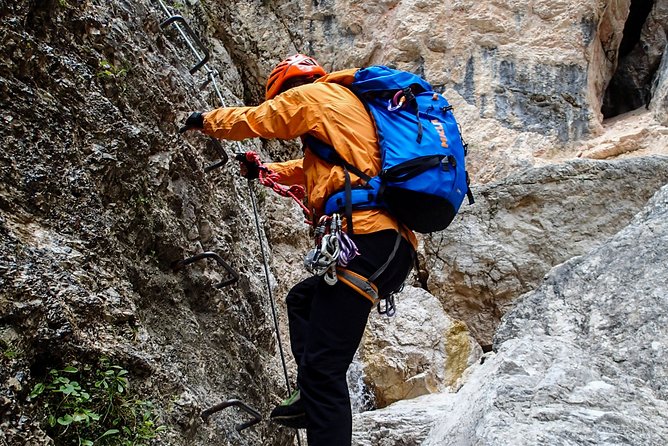
This tour works best if you want:
- A guided first via ferrata with professional mountain support
- A day that blends the climb with scenic Dolomites stops
- A small-group setting where you can ask questions and get corrections
It also suits you if you’re an active traveler who likes hands-on learning. You’re not just buying views; you’re learning rope and movement habits that help you do more later.
It might not be the best fit if:
- You’re very injury-prone or low on stamina.
- Heights make you shut down quickly.
- You want a fully “hands-off” experience with zero active movement. Via ferrata requires you to climb and participate.
Quick practical tips before you go
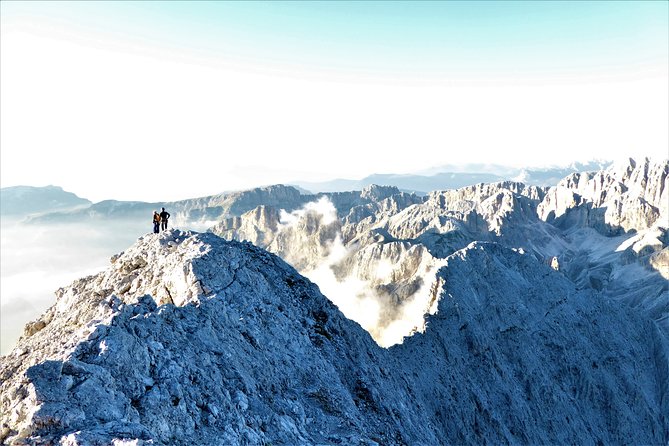
These are the things that can make the day feel smoother:
- Wear proper shoes with grip, not running shoes.
- Ask for gear rental if you don’t have a helmet, harness, and via ferrata set.
- Build in a bit of extra budget for lift access if it’s needed on your specific route day.
- If you get nervous in exposed spots, tell your guide early. A good guide will adjust how you’re moving and when you get reassurance.
Should you book this Cortina via ferrata experience?
If your goal is a confident first via ferrata in the Dolomites, I think this is a strong choice. The combination of credentialed mountain guide service, first-timer-focused rope instruction, and consistently high ratings (4.9) is exactly what you want when you’re stepping onto iron cables for the first time.
Book it if:
- You want to learn technique, not just finish a climb.
- You’re comfortable with moderate physical effort and exposure.
- You like the idea of pairing the ferrata with a wide-scope Dolomites day around Cortina.
Consider another option if:
- You’re not comfortable with heights or you can’t manage the moderate physical demand.
- You’d rather avoid any possible extra costs for gear or lift access.
FAQ
How long is the Dolomites via ferrata experience?
It’s listed at about 4 hours.
Where does the tour start?
The meeting point is Cason Dei Caai, 32043 Cortina d’Ampezzo, Province of Belluno, Italy.
Is the tour offered in English?
Yes, it’s offered in English.
What’s included in the price?
The UIAGM/IFMGA Mountain Guide service is included. Gear rental and other items are not included unless you request them.
Do I need to rent a helmet, harness, or via ferrata set?
You can request individual kit rental (helmet, harness, and via ferrata set) for €15 per person.
Are ski lifts included?
No. Skilifts are not included.
What if weather is bad or I cancel?
The experience requires good weather. If it’s canceled due to poor weather, you’ll be offered a different date or a full refund. If you cancel, it’s non-refundable and cannot be changed for any reason.