REVIEW · CORTINA DAMPEZZO
Guided Snowshoeing Day to Discover the Dolomites
Book on Viator →Operated by dolomiti explorer · Bookable on Viator
Quiet snowshoe steps reveal the Dolomites’ secrets. In a single day around Cortina d’Ampezzo, you’ll learn snowshoes with a real guide, then wander through the high quiet where tracks in the snow and big winter views are part of the point—especially when the peaks turn pale and pink near the end of the walk.
Two things I really like: first, you get hands-on instruction before you’re sent off into the snow, so your feet feel steadier fast. Second, the day isn’t just cardio with scenery; you also learn what to look for, from animal tracks to simple snow safety rules. It’s a way to “read” the Dolomites instead of just passing them by.
One thing to plan for: boots/winter clothes and lunch are not included, so you’ll want to budget for food and show up geared for cold, not just cold-ish.
In This Review
- Key highlights you’ll feel on the snow
- Why guided snowshoeing in the Dolomites feels so different than hiking
- Meeting at 9:00 and getting to the Dolomites without the hassle
- What you get from the start: snowshoes, poles, and Elisa’s coaching
- Stop-by-stop: what you’ll experience around famous Dolomites scenery
- Big-name Dolomites viewpoints to set the tone
- Snowshoeing in the Dolomites, not just walking through snow
- Exploring the five towers on foot in winter
- Another iconic mountain view to close out the day’s best light
- The mid-day lunch break: enjoy the view, but plan the meal
- Gear you must bring: boots and winter clothes are on you
- How fit do you need to be for 6–7 hours in snow?
- Price and value: is $154.46 worth it?
- Weather and timing: why “good weather” is part of the deal
- Who this snowshoeing day is best for
- Should you book this guided snowshoeing day in the Dolomites?
- FAQ
- How long is the Dolomites guided snowshoeing day?
- What time does the tour start?
- What’s included in the price?
- Is lunch included?
- Do I need to bring my own boots and winter clothes?
- Is pickup available from nearby towns?
- What happens if the weather is poor?
Key highlights you’ll feel on the snow
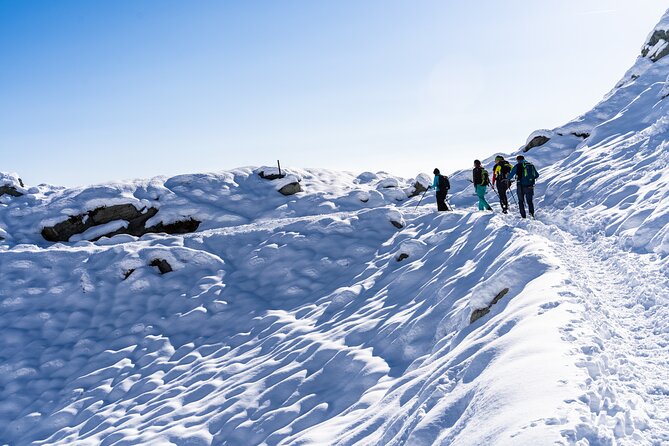
- Learn snowshoe technique first, with a few practice runs so you’re not guessing
- Guide-led wildlife and snow reading, including how to spot animal tracks
- Scenic stops tied to famous Dolomites views, not random walking
- A five-towers walk, with classic winter views along the way
- Private group format, so your pace can be adjusted if needed
- A full 6–7 hour winter outing, ending back where you start
Why guided snowshoeing in the Dolomites feels so different than hiking
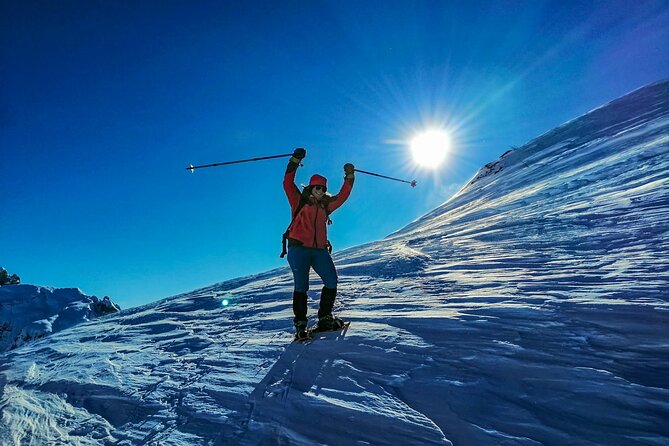
Snowshoeing sounds simple until you do it. In real snow, your balance changes, your steps sink and lift, and your legs do new work. That’s exactly why this type of guided day matters: you’re not just walking through the Dolomites, you’re learning how to move well on them.
The Dolomites in winter have a special kind of quiet. That silence makes the small details stand out: the sound of snow underfoot, the way snow-covered trees frame your view, and the animal tracks you’d miss if you were rushing. With an expert like Elisa leading the day, you’ll know what you’re looking at, and where to place your next step.
This is also a smart length of outing. At roughly 6 to 7 hours, you get a real experience without it turning into an all-day ordeal where everyone starts to hate their own knees. You’ll still have plenty of time for views, photos, and that mid-day pause.
You can also read our reviews of more tours and experiences in Cortina dAmpezzo.
Meeting at 9:00 and getting to the Dolomites without the hassle
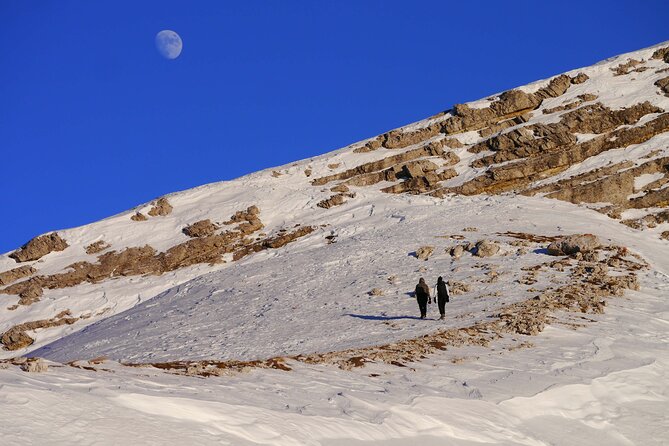
Your morning starts at 9:00am. The meeting point is in the area of San Vito di Cadore (Province of Belluno), and the tour ends back at the meeting point.
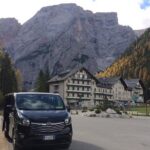
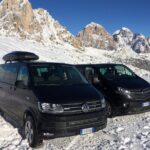
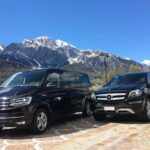
If you’re staying in the right towns, there’s also pickup. The operator offers to pick you up and return you to your hotel if you’re in Zoldo, Cortina, Belluno, Canazei, Agordo, or Alleghe. That’s a big deal in winter. Roads, parking, and timing get tricky when snow is involved, so having pickup can turn the day from complicated into smooth.
The day is described as private, meaning it’s only your group—not a big mixed crowd shuffled around for photo stops. That often translates to a calmer walk and better chances that the guide can adjust pace and breaks for your group.
What you get from the start: snowshoes, poles, and Elisa’s coaching
Here’s what’s included: snowshoes and trekking poles, plus a hiking guide. That alone helps value. Cold-weather gear can be expensive to buy, and if you’re only doing one snow day, it’s a relief not to have to source snowshoes too.
The best part is the approach. Before you begin the longer route, you’ll do some practice runs. This is not a throw-you-in-and-hope session. You’ll learn how to walk in snowshoes efficiently and how to use poles to stay stable.
Elisa stands out in the reviews for a reason. She’s described as adaptable—able to guide both a lighter outing and a full day hike approach—so your group isn’t forced into a single pace. People also mention that she checks in during the walk and adjusts for how you’re doing. In snow travel, that kind of feedback matters, because the “right” effort changes from person to person once the snow starts being deep.
Stop-by-stop: what you’ll experience around famous Dolomites scenery
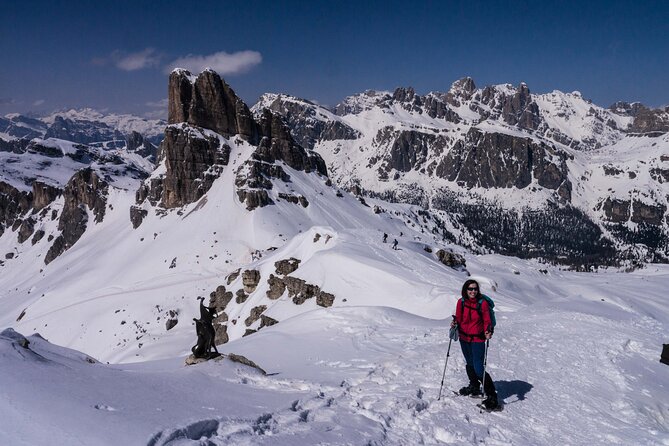
Even when you’re walking in fresh snow, you’ll still want a storyline to the day. This one gives you a sequence: classic Dolomites viewpoints, time on the snowshoe route, then a walk that focuses on a set of iconic rock formations (the five towers) before finishing with another well-known peak view.
Big-name Dolomites viewpoints to set the tone
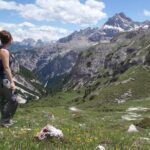
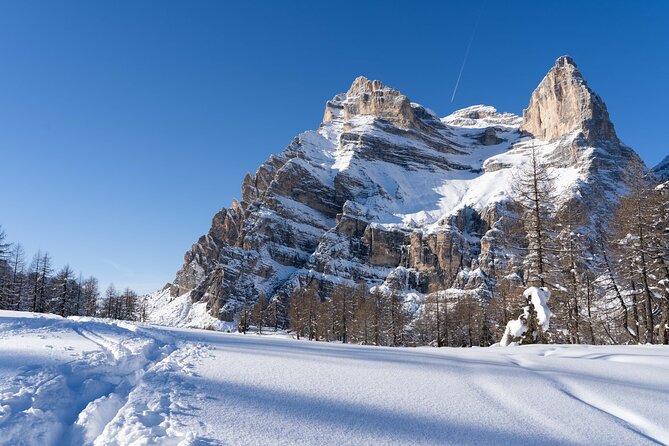
The day begins with a stop connected to the most famous Dolomites. Think of it as orientation for the views you came for. Winter makes the Dolomites feel more sculpted—sharp lines, high contrast, and the feeling that the mountains are right there with you.
A good guide helps you connect the dots in this moment. You’ll likely get pointers about what you’re seeing and what to notice as the day progresses. That makes later stops hit harder, because you’re not starting from zero.
Snowshoeing in the Dolomites, not just walking through snow
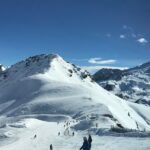
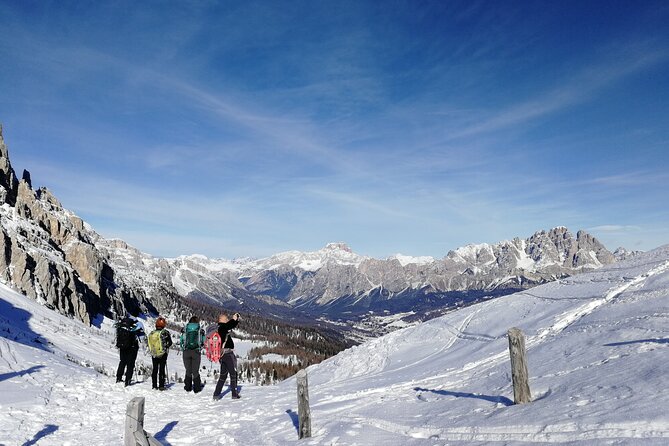
Once it’s time to get moving, the day focuses on snowshoeing in the most famous areas. You’ll walk through snow-covered terrain and along routes that keep the views in play. The overview mentions snow-covered trees and the feeling of moving through frozen mountain scenery—exactly the kind of setting where snowshoes make sense and trekking poles keep you confident.
This is also where safety comes in. The guide covers snow safety rules, and that matters because winter trails are different from summer paths. Snow depth, hidden ice, and weather shifts can change quickly.
Exploring the five towers on foot in winter
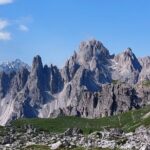
One of the headline moments is the walk to explore the 5 towers by walking in the snow. This is where the day feels most “Dolomites.” Those dramatic rock features look even more striking in winter, when everything else is muted white and the rock shapes do the talking.
What you gain here is perspective. From a guided route, you’re not just seeing the towers—you’re experiencing how they sit in the broader mountain view, with snow framing the rocks rather than obscuring them.
Another iconic mountain view to close out the day’s best light
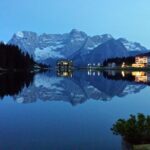
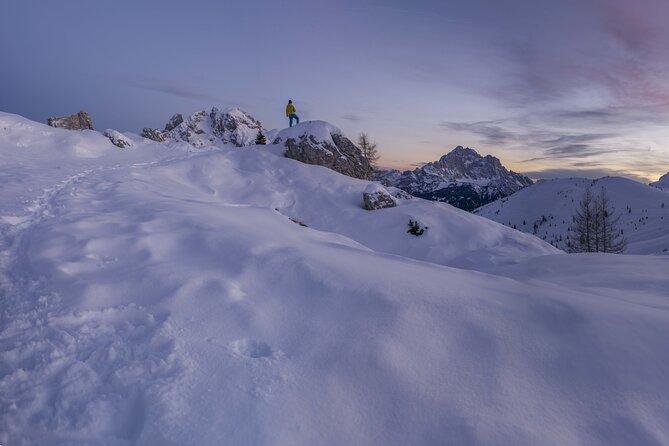
The itinerary also includes a stop tied to one of the most iconic mountains in the Dolomites. The key is timing. The day is set up so you return as the light fades—so your closing views can come as the sky changes and colors shift toward late-day tones.
In practical terms, this means you’ll want to keep your energy for the final stretch. In snowshoeing, it’s easy to “spend” your legs early and then get tired before the most photogenic parts.
The mid-day lunch break: enjoy the view, but plan the meal
You’ll have a lunch stop in the middle of the day with scenery to admire. That’s a nice rhythm—walk, pause, refuel, then head back.
But lunch is not included. So bring cash/plan for your purchase ahead of time, or pack snacks that you can eat during the break. Even if you find a place to buy lunch, weather and timing can affect what’s available, so having a simple backup like energy bars or a warm drink can be smart.
Gear you must bring: boots and winter clothes are on you
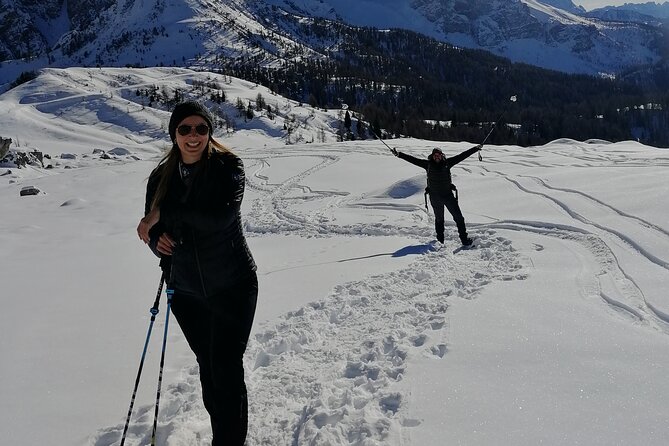
Included gear is the snowshoe setup and trekking poles. What’s not included is boots and winter clothes.
So plan your outfit the way you’d dress for cold wind and real winter walking:
- Insulated boots that can handle packed snow
- Warm layers you can move in
- Gloves and a hat that stay on in wind
- Socks that won’t get soaked and cold
- Sunglasses if it’s bright (snow glare can sneak up on you)
If you arrive wearing regular shoes or light boots, you’ll spend the day wishing you had stronger footwear. In snowshoeing, foot comfort is the difference between enjoying the walk and spending hours thinking about pain.
How fit do you need to be for 6–7 hours in snow?
The tour asks for moderate physical fitness. That’s a helpful phrase because snowshoeing adds effort without feeling like a steep mountain climb.
If you can handle a long winter walk at a steady pace, you’ll likely do fine. The guide’s ability to adapt pace matters here too. In the reviews, Elisa is singled out for adjusting the day to different energy levels, so you’re not locked into a single “go hard” plan.
Still, winter conditions change how hard it feels. Snow depth and footing can make a gentle trail feel more demanding. If you’re unsure, choose a slower approach early and let the group build momentum.
Price and value: is $154.46 worth it?
At $154.46 per person, you’re paying for a guided winter day, specialized equipment, and someone who can keep you safe while also making the scenery meaningful.
Here’s where the value comes from:
- You get snowshoes and trekking poles included, which can be costly or complicated to arrange yourself
- You get a guide for the full experience, including technique instruction and snow safety rules
- You get a structured route with stops tied to major Dolomites scenery, including the five towers focus
What you’ll likely spend extra on:
- Lunch, since it’s not included
- Boots and winter clothes, since you need to bring your own
If you already own proper winter boots and layers, this becomes easier to justify: your main extra cost is lunch. If you don’t own the gear, it’s still often a good deal compared to buying or juggling rentals just for one day, but factor in that you’ll need a complete outfit.
Weather and timing: why “good weather” is part of the deal
This excursion requires good weather. If conditions aren’t right, you’ll be offered a different date or a full refund. That’s the right approach for snowshoeing, because poor visibility or unsafe footing can change the entire experience.
A practical strategy for you: be flexible. If your trip schedule is tight, consider booking this earlier rather than stacking it as a last-day activity.
Who this snowshoeing day is best for
This tour fits best if you want more than a workout. You want to learn, not just trek.
It’s especially good for:
- First-timers with snowshoes who want instruction and practice
- People who like meaningful guidance—like noticing tracks and understanding safety
- Groups who want a calmer private outing rather than a large shuffle
- Anyone staying in the pickup zones who wants a low-stress logistics day
It may be less ideal if you’re only looking for a short walk or if you’re missing proper winter footwear and don’t want to buy/rent gear on your own.
Should you book this guided snowshoeing day in the Dolomites?
I’d book it if you want a structured winter experience with the right mix of technique, safety, and famous Dolomites views. The combination of snowshoe coaching first, time to appreciate the mountains, and stops built around major scenery—including the five towers—makes it feel like a full-day outing with purpose, not just time outside.
Book it if you can bring proper winter boots and handle moderate fitness for 6 to 7 hours. And if you care about learning what you’re seeing—like animal tracks and snow rules—this is the kind of guided day that turns the white world into something you can actually read.
Don’t book it if you’re counting on lunch being included or if you’re not willing to come prepared with winter clothing. In winter, comfort and footwear aren’t optional.
FAQ
How long is the Dolomites guided snowshoeing day?
The tour lasts about 6 to 7 hours.
What time does the tour start?
The start time is 9:00am.
What’s included in the price?
Snowshoes and trekking poles are included, along with a hiking guide.
Is lunch included?
No. Lunch is not included.
Do I need to bring my own boots and winter clothes?
Yes. Boots and winter clothes are not included.
Is pickup available from nearby towns?
Pickup is offered if you are staying in Zoldo, Cortina, Belluno, Canazei, Agordo, or Alleghe. For other locations or dates, you can message the operator.
What happens if the weather is poor?
If the experience is canceled due to poor weather, you’ll be offered a different date or a full refund.