REVIEW · DESENZANO DEL GARDA
Lake Garda: Cooking Class at a Local’s Home
Book on GetYourGuide →Operated by Cesarine · Bookable on GetYourGuide
Fresh pasta happens at a real Italian table. In this Lake Garda home-cook class, you learn sfoglia by hand and the steps for classic tiramisu, all topped off with an aperitivo to start (and snacks to keep you smiling).
One heads-up: the home address is only sent after booking, so make sure you double-check directions the day before to avoid a last-minute scramble with the final address.
In This Review
- Key Things I’d Not Skip
- Cesarine at Home in Lake Garda: What This Format Really Gives You
- Your 3 Hours in the Kitchen: Aperitivo, Dough, Pasta, Tiramisu, Then Eating
- 1) Aperitivo warm-up with prosecco and nibbles
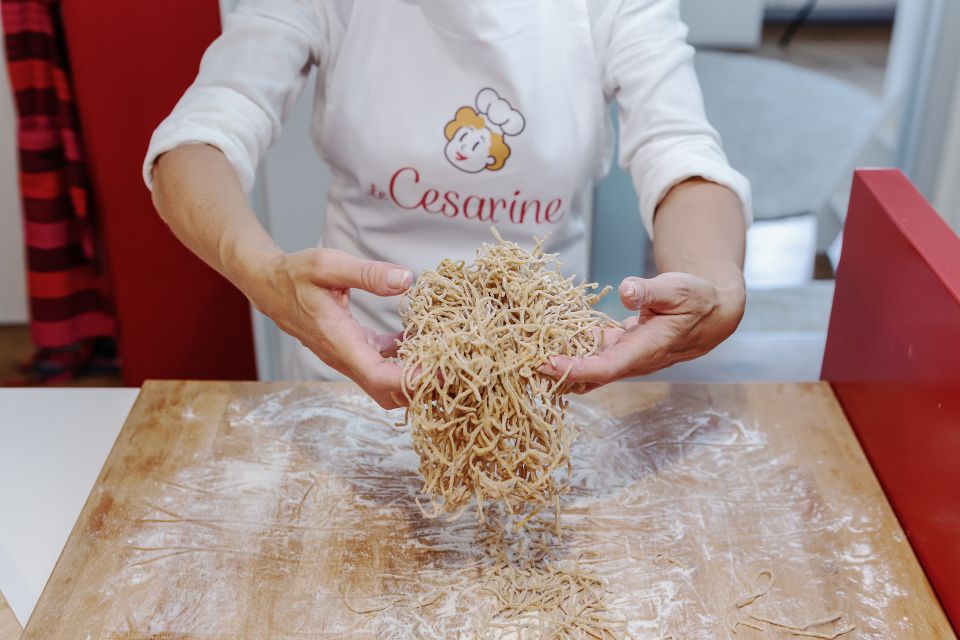
- 2) Learn and practice fresh pasta dough (sfoglia) by hand
- 3) Make two pasta types from scratch
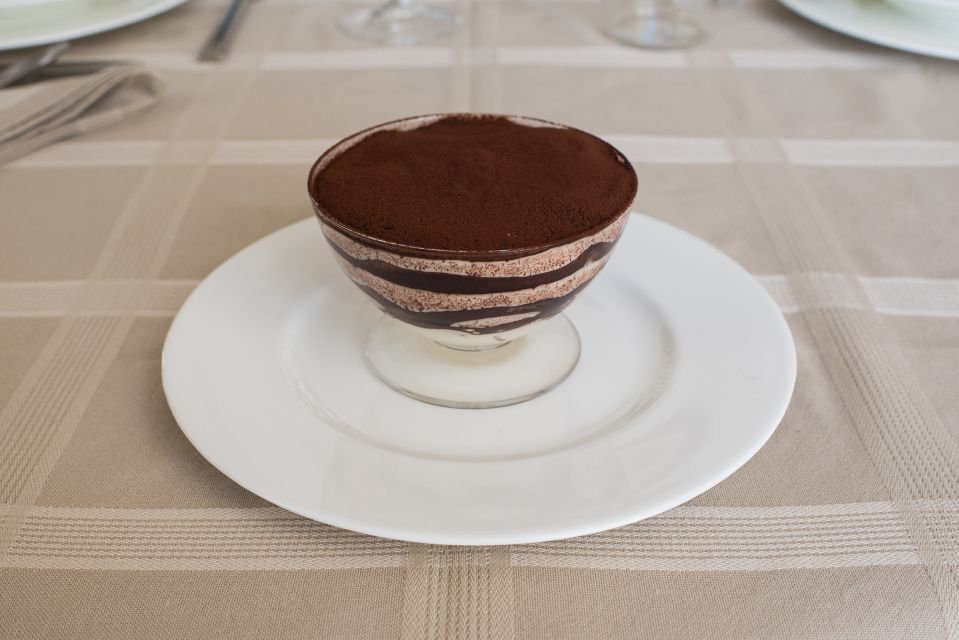
- 4) Learn the iconic tiramisu
- Rolling Sfoglia by Hand: The Skill You’ll Actually Use Again
- Two Pasta Recipes: Learning More Than Just One Dinner
- Tiramisu Lessons That Turn a Dessert Order Into a Homemade Win
- Aperitivo With Prosecco and Nibbles: The Social Part That Actually Works
- Price and Value in the Lake Garda Area: Paying for Instruction and a Full Meal
- Logistics That Matter: Getting the Address and Showing Up Calm
- Who Should Book This Cooking Class (and Who Might Want to Skip)
- Should You Book It? My Decision Checklist
- FAQ
- Where does the class take place?
- What will I learn to cook?
- How long is the cooking class?
- What’s included in the price?
- Is transportation included?
- What languages are used during the class?
- Is this experience wheelchair accessible?
Key Things I’d Not Skip
- Hands-on sfoglia: you roll fresh pasta dough by hand, not just watch it happen.
- Two pasta recipes, from scratch: you learn how to make two iconic pasta types, then taste them.
- Real tiramisu instruction: you follow along for the classic dessert you’ll want to repeat at home.
- Aperitivo first: prosecco and nibbles help you settle in before the cooking gets serious.
- Cesarine home-cook network: the class runs in a local kitchen through Italy’s home-cook program.
Cesarine at Home in Lake Garda: What This Format Really Gives You
A cooking class in Italy can be two things: a fun production, or a real look at how people actually cook at home. This Cesarine experience is built for the second one. You’re taught in a local home by an instructor who cooks from regional tradition, and the whole evening is centered on making food with your hands, not just taking photos.
I like that it’s Cesarine, Italy’s long-running network of home cooks. The idea is simple: these hosts serve local specialties from their own family know-how, so you’re not chasing generic “tourist pasta.” You’re learning how Italian cooks think about dough, timing, and tasting.
There’s also a privacy trade-off. Since the class happens in a home, you only get the full address after you book. That’s normal for this style of experience, but it means you should plan on a quick check-in once you receive the details. If you rely on one fixed GPS location from the start, you could feel a bit behind at the beginning.
You can also read our reviews of more tours and experiences in Desenzano Del Garda.

Your 3 Hours in the Kitchen: Aperitivo, Dough, Pasta, Tiramisu, Then Eating
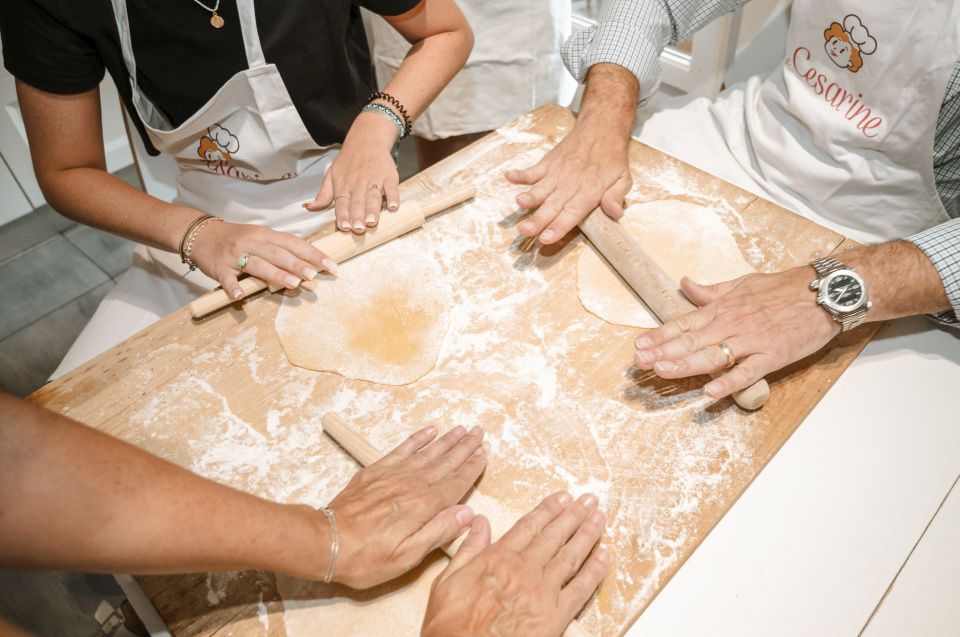
The class runs about 3 hours, with the schedule depending on the start time you choose. In that time, you’ll move through four main phases: warm-up, hands-on pasta work, dessert assembly, and a proper tasting at the end.
1) Aperitivo warm-up with prosecco and nibbles
You start with an Italian aperitivo: prosecco plus tasty snacks. This matters more than it sounds. It turns the experience from a classroom vibe into a “we’re about to cook together” vibe. It also helps you settle in because you’re about to learn by doing, and you don’t want to feel rushed right from the door.
2) Learn and practice fresh pasta dough (sfoglia) by hand
Next comes the dough work. You’ll learn how to roll sfoglia by hand—meaning technique, not just ingredients. The skill here is getting the dough evenly rolled so it cooks nicely and stays pleasant to work with.
This part is where the class earns its keep. A lot of cooking classes teach recipes. This one teaches a base skill you can actually use again. If you’ve ever looked at fresh pasta at home and thought it looks intimidating, this lesson turns the intimidation into steps.
3) Make two pasta types from scratch
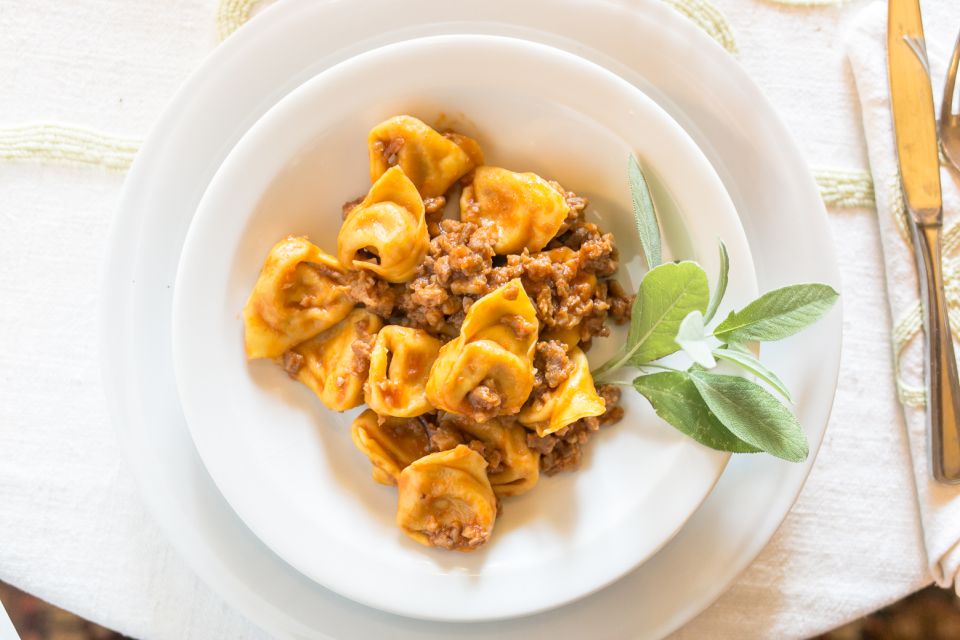
After the dough practice, you’ll prepare two different pasta dishes from scratch. You’ll learn the method for each and then taste what you make. Because you’re doing the work yourself, the tasting phase doesn’t feel like a rushed sample. It’s confirmation: you can recognize what good dough handling and cooking look like.
The exact pasta types aren’t listed here, but the big takeaway is the same: you get variety in one session. One dough base, two directions, and a clearer sense of how Italians think about pasta as both craft and comfort.
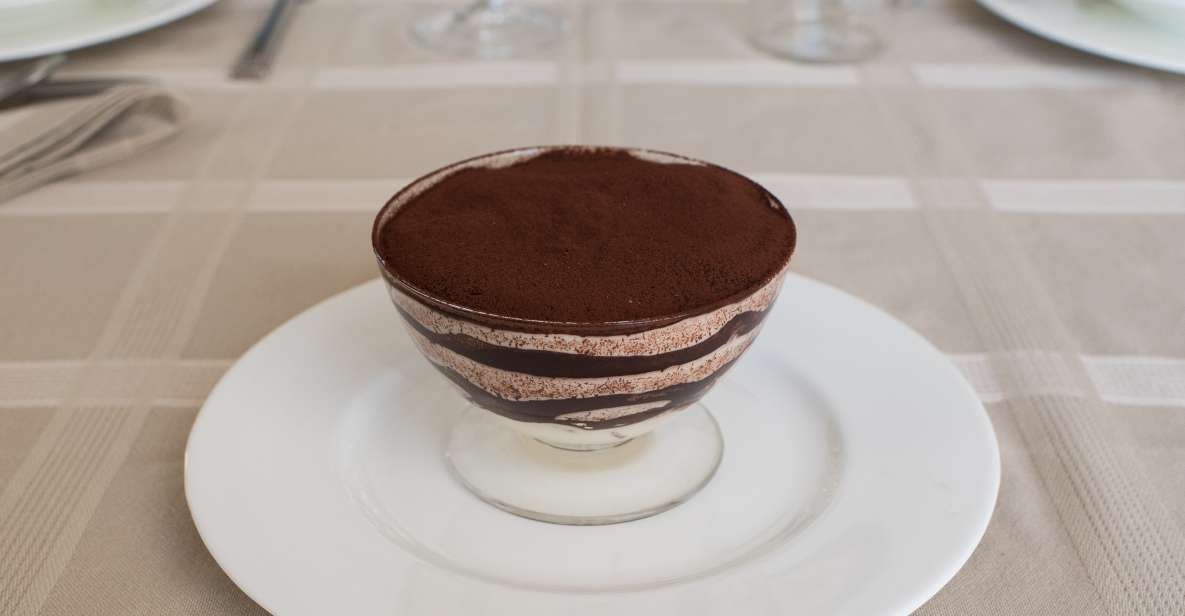
4) Learn the iconic tiramisu
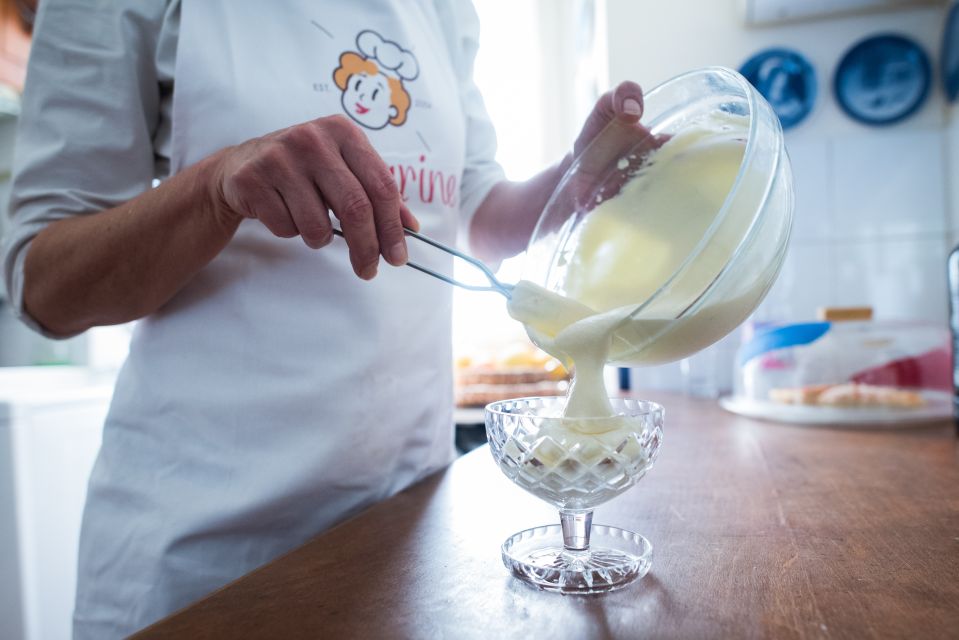
Then you shift to dessert. You’ll learn how to make tiramisu, which is one of those dishes people order everywhere but few truly know how to assemble well. In a good class, you’re not just mixing ingredients. You’re learning what the host is watching for—textures, balance, and timing.
By the time dessert is set and you sit down to taste, the whole meal feels cohesive, like you made a proper Italian night in a real kitchen.
Rolling Sfoglia by Hand: The Skill You’ll Actually Use Again
Fresh pasta sounds fancy, but sfoglia is basically the foundation of a lot of Italian comfort food. When you learn to roll by hand, you’re learning the feel: dough strength, thickness control, and patience.
Here’s the practical value for you. If you ever want to make pasta at home later, you’ll need more than a recipe card. You’ll need the sense of how the dough behaves when you press, roll, and thin it out. Classes that only focus on the final step won’t give you that. This one does.
Also, hands-on teaching tends to make you ask better questions. You can feel where you’re off—too thick in one spot, too dry, too sticky. A good host can correct you quickly so you don’t walk away with a vague idea.
Two Pasta Recipes: Learning More Than Just One Dinner
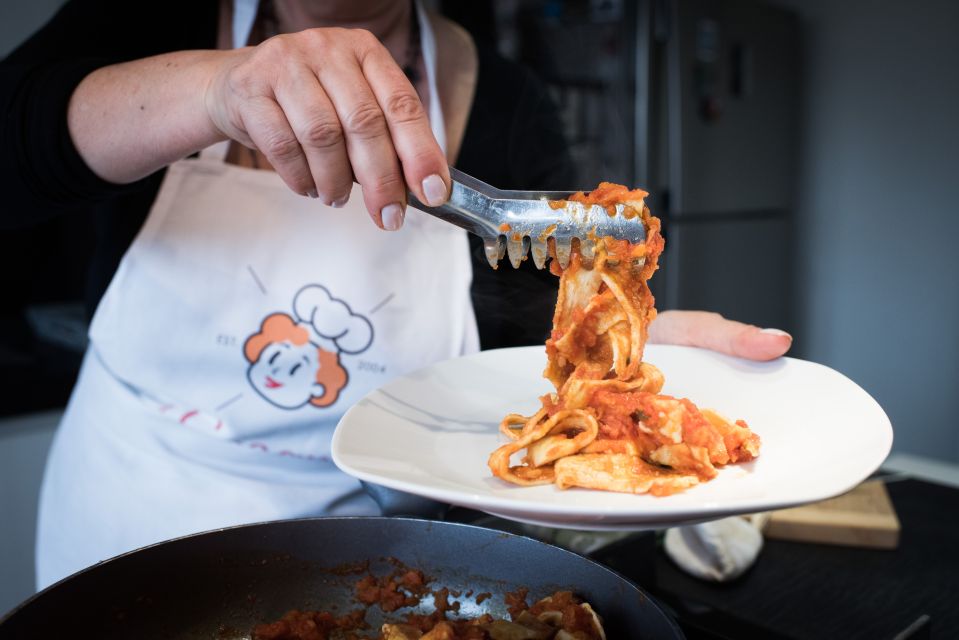
Two pasta types in one session is a smart use of your time. One recipe is nice, but it limits your understanding. Two gives you comparison: you see how different pasta shapes or preparations change the way the dough behaves and how the finished pasta feels in the mouth.
You also get a built-in reason to pay attention: you’ll taste both dishes. That means the class isn’t only about production. It’s about feedback. You learn what tastes right after you’ve done the work—so next time at home, you’ll remember the result you’re aiming for.
If you’re picky about value, this is where the $152.93 price starts to make sense. You aren’t paying for one pasta lesson and a quick sample. You’re paying for a full three-hour meal-building process with multiple components and instruction for all of them.
Tiramisu Lessons That Turn a Dessert Order Into a Homemade Win
Tiramisu is the kind of dessert that sounds straightforward until you try to make it at home. That’s why a dedicated tiramisu lesson is so useful. You get guided instruction for assembling the classic dessert, plus you’ll taste what you made.
What I like here is the outcome. Even if you never become a pasta-making fanatic, tiramisu is one of those dishes that makes people happy at the table. When you can pull it off at home, you’ve basically earned “host of the year” status without needing a restaurant kitchen.
One more practical note: dessert is usually where people rush. A class setup helps because you follow the host’s pace and structure. It’s not chaos; it’s a sequence.
Aperitivo With Prosecco and Nibbles: The Social Part That Actually Works
Most cooking classes forget the human part. This one starts with aperitivo—prosecco and nibbles—so you’re not walking into a room that instantly feels like work.
That warm-up does a few things:
- It helps you relax before hands-on cooking.
- It sets a friendly tone, so you’re more likely to ask questions.
- It turns the evening into an Italian-style hangout with food as the main event.
If you’re visiting Lake Garda and want something more personal than a standard restaurant meal, this is often the shift that makes the experience feel worth doing.
Price and Value in the Lake Garda Area: Paying for Instruction and a Full Meal
At $152.93 per person, this isn’t a bargain class. But it also isn’t a bare-minimum “sprinkle flour, take pictures, leave” experience.
You get:
- A three-hour home-cook session
- Instruction in fresh pasta techniques
- Two pasta recipes plus tiramisu taught step-by-step
- Aperitivo (prosecco) and nibbles
- Beverages including water, wines, and coffee
- Local taxes
- Tasting of everything you make
So the value is in the full package: teaching time, cooking materials/food, and a meal that’s built around what you learned. For many people, the real payoff is not the recipe—it’s the confidence. Once you’ve practiced rolling sfoglia and assembling tiramisu, you’re far more likely to cook it again instead of saving it for someday.
Logistics That Matter: Getting the Address and Showing Up Calm
Since the address comes after booking, plan for a little extra prep on your side. Do these two things and you’ll feel fine:
- When your host details arrive, save the phone number and address right away.
- Map the location based on the full address, not any short form placeholder.
One of the most common issues with home-based experiences is confusion about where exactly to meet. In practice, people have solved it fast by checking the final address promptly and using a short taxi ride if the neighborhood layout is unfamiliar.
Also note: this experience isn’t suitable for wheelchair users. It’s a home kitchen setup, and that usually means steps or tight spaces.
Who Should Book This Cooking Class (and Who Might Want to Skip)
This works best if you want a hands-on food experience that feels local and personal. It’s ideal for:
- Couples who want a different kind of Lake Garda activity than another dinner reservation
- Food lovers who care about technique, not just eating
- Families with older kids and teens who can follow steps and enjoy working with dough
- People who like meeting hosts and learning from someone’s home routine
It may not be your best pick if you want a large-scale, guide-led sightseeing format. This is a kitchen experience, and the main “view” is what’s happening on your counter.
The host quality matters here. The Cesarine model relies on welcoming, patient teaching, and names like Mariolina and Ada come up for exactly that kind of warm guidance. You don’t just get instruction; you get a sense of being invited into a real Italian home for the evening.
Should You Book It? My Decision Checklist
Book this cooking class if you can say yes to two questions:
- Do I want to learn a technique I can repeat, like rolling sfoglia by hand?
- Do I enjoy an aperitivo start and a meal ending where I eat what I made?
Skip it if:
- You hate dealing with last-stage address details and prefer a fixed meeting point you can plug in once and forget.
- You’re looking for a tour-style schedule with lots of walking and views.
If your goal is to leave Lake Garda with skills and a dinner story that feels personal, this is a strong choice.
FAQ
Where does the class take place?
It’s held in a local’s home. For privacy reasons, you receive the full address only after you book.
What will I learn to cook?
You’ll learn to roll fresh pasta dough (sfoglia) by hand, make two iconic pasta types from scratch, and make the iconic tiramisu.
How long is the cooking class?
The duration is 3 hours. Start times vary, so you’ll need to check availability for the specific time options.
What’s included in the price?
Included are beverages (water, wines, and coffee), an Italian aperitivo with prosecco and nibbles, local taxes, the pasta and tiramisu-making class, and tastings of what you make.
Is transportation included?
No. Transportation is not included.
What languages are used during the class?
The instructor works in Italian and English.
Is this experience wheelchair accessible?
No, it’s not suitable for wheelchair users.