Verona in two hours is a fun sprint. This walking tour strings together Rome-era gates, Roman arena views, and Romeo-and-Juliet atmosphere, with a real guide who helps you see what matters fast. I like the mix of big sights and lesser-known streets like Vicolo del Guasto, and I also like that you get practical guidance for what to do after the walk. The main trade-off: it is a city route with outside views, so if you want to go inside monuments, you’ll need separate tickets.
Guides really make this one shine. I’ve seen names come up like Sara, Graziano, Maria, Elettra, and Constanza, and the consistent theme is energy plus clear explanations, with extra suggestions beyond the stop list. If you’re visiting Verona for the first time and want to get your bearings quickly, this is a smart way to spend a couple of hours.
In This Review
- Key Points You Should Care About
- Verona Highlights & Hidden Gems: The Smart Way To See More Without Burning a Day
- Meeting at Via Dietro Listone: Where the Walk Starts and Why It Works
- Piazza Bra and the Arena di Verona: Roman Power at Street Level
- Vicolo del Guasto and Porta Borsari: The Streets That Make Verona Feel Real
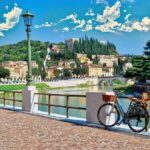
- Riva San Lorenzo: A Breather Along the Adige
- San Giovanni in Foro, Piazza delle Erbe, and Piazza dei Signori: How Squares Tell Stories
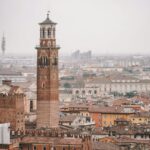
- Santa Anastasia and Ponte Pietra: Gothic Edges and an Ancient River Crossing
- Casa di Romeo and the Arche Scaligere: The Love Story Gets a History Backbone
- Price and Value: What $37.77 Buys You (and What It Doesn’t)
- Who This Walk Fits Best in Verona
- Should You Book This Verona Highlights and Hidden Corners Tour?
- FAQ
- How long is the Verona Highlights & Hidden Gems Walking Tour?
- Where does the tour start and where does it end?
- What languages are the guides available in?
- Is this tour inside monuments or museums?
- Is the tour private?
- Is food or drinks included?
Key Points You Should Care About
- Outside-first route: You focus on the streetscapes and key exteriors, not museum interiors.
- A tight 2-hour orientation: You see Verona’s big eras in one walk, including Roman and Gothic landmarks.
- Roman gate plus old lanes: Porta Borsari and Vicolo del Guasto add the local texture many tours skip.
- Your guide adds value: The best part is the storytelling and practical after-tour tips from guides like Sara and Graziano.
- Low price for a guided route: At about $37.77, you’re paying mostly for time, route planning, and interpretation.
Verona Highlights & Hidden Gems: The Smart Way To See More Without Burning a Day
Verona can feel like a movie set if you only hit the most famous corners. This tour helps you avoid that by pacing you through different “eras” of the city instead of repeating the same postcard views. In about two hours, you’ll move from Rome-era structures to medieval churches and then back toward the river and the old market area.
I especially like how the route gives you variety in walking—wide squares, narrow alleys, and river views—so you don’t get stuck in one kind of scenery. And because it’s a guided walk (offered in English and several other languages), you get context while you’re standing in place, not later when you’ve forgotten what you were looking at.
The other reason I’d pick this style of tour: Verona is compact, but not flat. You’ll want time to actually look. This route keeps things moving while still letting you pause in the right spots.
You can also read our reviews of more tours and experiences in Verona.
Meeting at Via Dietro Listone: Where the Walk Starts and Why It Works
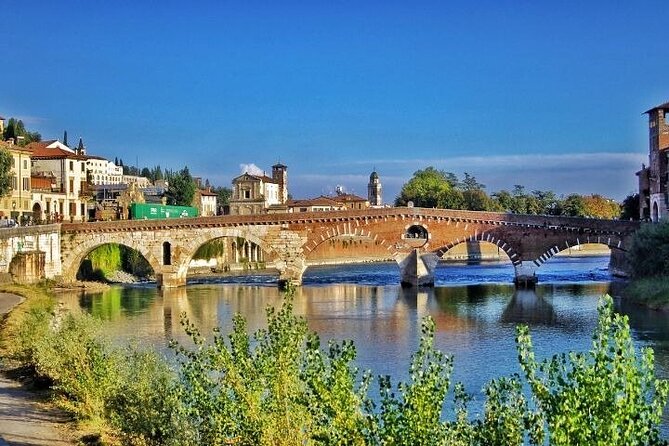
The tour starts at Via Dietro Listone, 1 and ends back there. That back-to-the-start setup matters more than people think. After a good walk, you don’t want the stress of finding your way back across town, especially if your plans for later include dinner or a quick second stop.
It’s also set up with convenience in mind: it’s near public transportation, and you’ll receive confirmation at booking. The duration is listed as about 2 hours, so treat it like a “first-day orientation” rather than a deep research project.
One more useful angle: there’s a private tour option (or small group), and only your group participates. That’s a big deal for families, couples who want a more relaxed pace, or anyone who doesn’t enjoy being swept along with strangers.
Piazza Bra and the Arena di Verona: Roman Power at Street Level
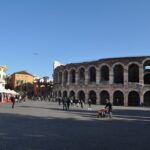
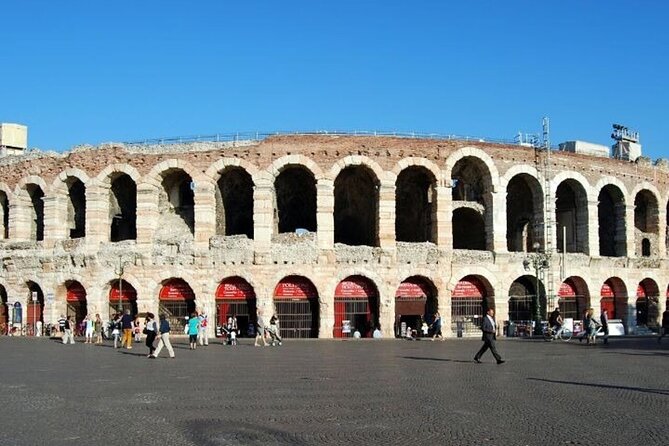
You begin in Piazza Bra, Verona’s main square, where the vibe is all about open space and people-watching. This is a good warm-up stop because you can orient your bearings before you start moving into tighter areas.
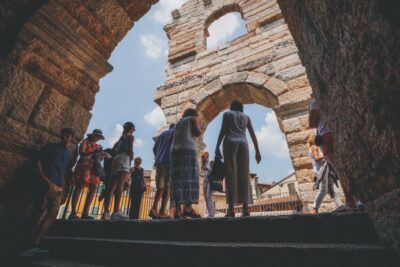
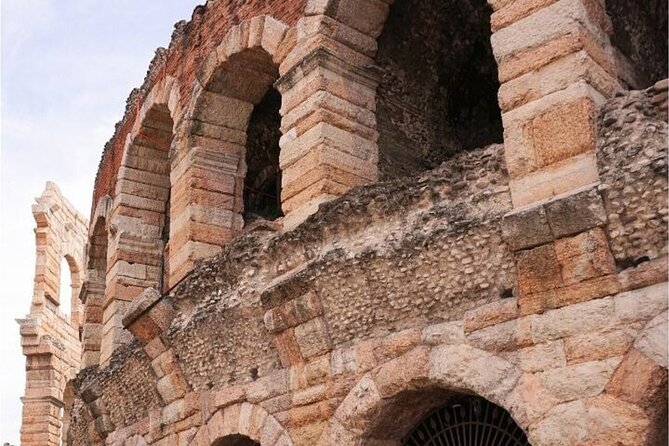
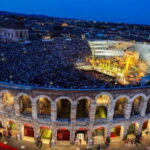
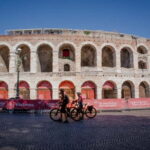
From there, you head to the Arena di Verona. You’re not going inside on this tour, but that’s okay. Seeing the arena’s scale from the outside helps you understand why Verona became a stage for major events over centuries. It’s Roman infrastructure turned cultural symbol. Even if you’ve never studied Roman history, you’ll instantly get the “this was built to host crowds” feeling.
Why this part works:
- It anchors your walk in the city’s oldest major footprint.
- It gives you an easy visual reference point for later photos.
Possible drawback: if you’re the type who wants to tour the interior spaces of major monuments, you’ll need to plan those separately.
Vicolo del Guasto and Porta Borsari: The Streets That Make Verona Feel Real
After the big square, you shift into tighter Verona with Vicolo del Guasto. This is the kind of lane that rewards slow walking. You’ll notice old building lines, small storefronts, and that slightly off-the-main-roads feeling that makes you look up and around.
Then comes Porta Borsari, a Roman gate that’s listed as a World Heritage Site. Roman gates aren’t just history facts on a plaque. Standing near one gives you a sense of how the city used to be entered and controlled. It also breaks the “Verona is only pretty” stereotype. There’s structure here. There’s purpose.
If you like travel that feels like you’re walking with someone who knows the city’s spine, this is a great pairing:
- Vicolo del Guasto adds atmosphere.
- Porta Borsari adds big history without needing a museum ticket.
Tip for your shoes: lanes like this are narrow, so comfortable footwear helps. You’ll also want to keep your camera ready, because the angles in these streets are genuinely photo-friendly.
Riva San Lorenzo: A Breather Along the Adige
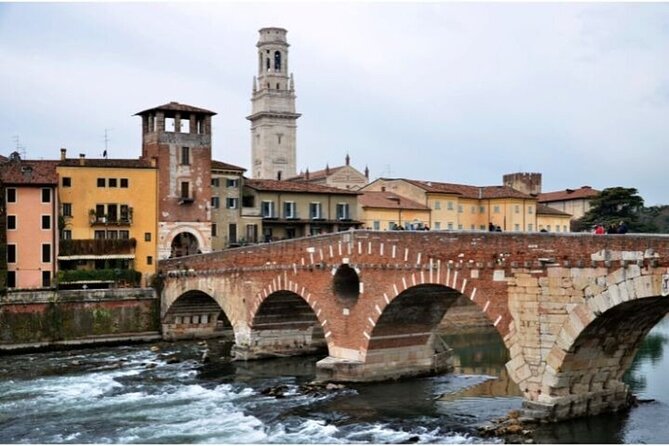
Then you get the palate cleanser: Riva San Lorenzo, a scenic riverside stretch along the Adige. This is where your walk slows down naturally because you can’t help stopping to look at the water and the riverfront buildings.
I like this break for two reasons. First, it helps you reset after moving through churches and squares. Second, it gives you a “Verona layout” perspective—how the historic center relates to the river.
Practical note: since the tour is outdoors and mostly walking, plan for weather. A light layer helps even in pleasant seasons because river areas can feel cooler.

San Giovanni in Foro, Piazza delle Erbe, and Piazza dei Signori: How Squares Tell Stories
The next stretch is where Verona starts acting like Verona. You visit Chiesa di San Giovanni in Foro, a church known for its architecture and detailed features. Since the tour is not focused on interior visits, you’ll get what you need from the outside view and the guide’s explanation of what you’re seeing.
Next up is Piazza delle Erbe, a market square. This is one of the most useful stops on the walk because it shows you how everyday life and tourism overlap here. You’ll be surrounded by stalls selling fresh produce and local delicacies, and it’s the kind of place where you can decide on a snack or meal after the tour, if you want.
Then you move to Piazza dei Signori, another major square, with palaces and monuments around you. This is where your guide’s pacing matters. A good guide helps you notice which buildings relate to politics, power, and family rule in the city’s history, even if you’re not reading every inscription.
Why these squares are worth the time:
- They help you understand Verona as a lived-in city, not only a list of attractions.
- They set you up to enjoy your own walking afterward, because you learn the city’s “centers.”
Small consideration: if you dislike crowds, plan for the fact that famous squares can get busy, especially near market areas.
Santa Anastasia and Ponte Pietra: Gothic Edges and an Ancient River Crossing
At Basilica di Santa Anastasia, you get a focused look at Gothic architecture. Again, this is mostly an exterior-and-details moment, but it’s a strong one. Gothic buildings have a way of looking different from different angles, so the guide’s directions can help you pick the most interesting viewpoints.
Then you head to Ponte Pietra, the ancient bridge. This is one of the best spots on the tour for views because it lines you up with the Adige River and the cityscape. Bridges act like natural framing devices—suddenly your photos look more “designed,” even if you’re just holding a camera.
What to expect:
- Nice photo angles for the river and surrounding architecture.
- A sense of how Verona’s historic core connects across the water.
If you’re short on time in Verona, this section gives you a lot of visual payoff for the walking effort.
Casa di Romeo and the Arche Scaligere: The Love Story Gets a History Backbone
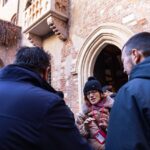
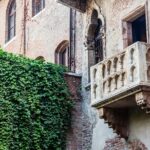
Now the famous part: you visit Romeo’s House (Casa di Romeo), associated with Shakespeare’s tragic lovers. Even if you’re not a Shakespeare superfan, it’s hard to miss how deeply the city leans into this story. I like visiting it as part of a wider tour because it becomes more than a single-name attraction. It becomes a way to understand how Verona markets itself and how legend and place overlap.
Finally, you end at the Arche Scaligere, Gothic-style funerary monuments dedicated to the Scaligeri family, who ruled Verona during the Middle Ages. This is a strong closer because it adds gravity to the romance. You go from storybook emotion to real medieval power and memorial culture.
You finish in the Courtyard of the Old Market, which gives you a calmer transition out of the main sights. Ending near the Old Market district also makes it easier to keep exploring on your own if you still have energy.
Price and Value: What $37.77 Buys You (and What It Doesn’t)
At about $37.77 per person for roughly two hours, the price is mainly about a guided orientation plus ticket-help support. The tour includes a walking route, and you can choose private or small group options, with customization available.
Here’s the important value catch: the tour is not described as entering monuments and museums. In other words, you’re paying for interpretation and street-level access, not museum admissions.
So if your priorities are:
- learning what you’re seeing,
- hitting the key exterior highlights,
- getting a clean first-day plan,
…then this is solid value.
If your priorities are:
- extensive interior tours,
- long time inside churches or major attractions,
- museum time,
…then you should treat this tour as the kickoff, not the whole trip.
One practical upside: the itinerary notes admission ticket free for the listed stops. Even so, always plan for the possibility of separate entry if you decide to go inside on your own later. Your guide can help you with the ticket approach, since ticket booking help is included.
Who This Walk Fits Best in Verona
This is a good match if you’re:
- seeing Verona for the first time,
- short on time but eager to understand the city,
- the kind of person who likes asking questions while you’re standing in front of the real thing,
- traveling with someone who wants the highlights without a long day.
It’s also a smart choice for honeymooners or couples because the pacing is relaxed enough to enjoy romance without turning the trip into a queue-and-photo sprint. The route naturally balances famous story sites with quieter spaces like alleys and riverfront walking.
If you want a tour that feels like a guided stroll with context, this fits. If you want a ticket-heavy museum marathon, you’ll probably feel shortchanged.
Should You Book This Verona Highlights and Hidden Corners Tour?
I’d book it if you want a fast, well-paced orientation that covers Roman, medieval, and love-story Verona in about two hours. It’s also a strong option when you care about the guide’s role in connecting the dots. Names like Sara, Graziano, Maria, Elettra, and Constanza show up because they’re the type of guides who give context and then help you plan what comes next.
Skip it (or pair it with extra plans) if you know you want to spend major time inside monuments and museums. This walk is designed for street views and explanation, not long interior sessions.
One more reason to feel good about booking: there’s free cancellation up to 24 hours in advance for a full refund, so you can lock it in and adjust if your schedule changes.
FAQ
How long is the Verona Highlights & Hidden Gems Walking Tour?
It runs about 2 hours.
Where does the tour start and where does it end?
It starts at Via Dietro Listone, 1, 37100 Verona VR, Italy, and it ends back at the same meeting point.
What languages are the guides available in?
The tour offers in-person guiding in English, Spanish, French, German, and Italian.
Is this tour inside monuments or museums?
It’s a city walking tour focused on the sights and views. It is not described as a tour inside monuments.
Is the tour private?
This is a private tour/activity, and only your group will participate. A minimum of 2 participants is required for the group option.
Is food or drinks included?
No. Drinks and food are not included.