REVIEW · TRENTO
Trento: Cooking Class at a Local’s Home
Book on GetYourGuide →Operated by Cesarine · Bookable on GetYourGuide
A real dinner starts in someone else’s kitchen. This Trento cooking class at a local home is built around hands-on lessons with locals like Constanza and Paolo, plus the chance to eat what you make. I love the private, table-centered format where instruction and tasting happen in the same place, not in separate phases. I also like that you get a proper wine pairing with your meal, not just a small sip.
One thing to consider: because it happens in a family home, you won’t see the exact address until after booking, so plan to arrive a little more carefully than you would for a public venue.
In This Review
- Key things that make this class worth your time
- Why this Trento cooking class feels different from a demo
- What you’ll cook: starter, pasta, dessert (with local favorites)
- The tasting: wine at the table and a real reason to slow down
- Meeting in a family home: the vibe, the pace, and what to expect
- Timing and the meeting-point reality in Trento
- Languages: how communication works when you don’t speak Italian
- Dietary needs: what you can count on, and what you should do next
- Price and value: is $146.14 per person a fair deal?
- Who this is best for (and who might want a different style)
- Should you book the Trento home cooking class?
- FAQ
- Where does the cooking class take place?
- How long is the experience?
- What time does it start?
- What will I cook during the class?
- Is wine included?
- Is the class taught in English?
- Is it a private group?
- Can the class accommodate dietary requirements?
- What happens at the end of the class?
Key things that make this class worth your time
- A true local home setting where the meal is the point, not a performance
- Three regional dishes structured as starter, pasta, and dessert
- English + Italian instruction, with hosts who can translate and keep things fun
- Taste everything you cook around the table with wine, plus coffee and water
- Private group experience that feels calmer and more personal than group tours
Why this Trento cooking class feels different from a demo
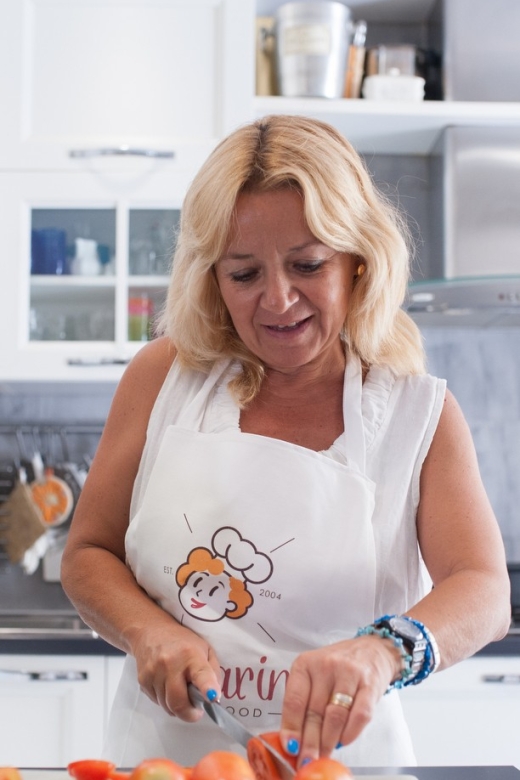
You can learn recipes anywhere. What makes this one special is that you’re working inside a real Trento home kitchen, then sitting down right after to eat your results. That simple choice changes the whole experience: you’re not watching food happen, you’re making it happen.
I also like that the class is hosted by a certified home cook and delivered in English and Italian. Even if your cooking confidence is mixed, you’ll get clear steps and the kind of practical guidance you can actually reuse later. In one example session, Constanza taught the recipes while Paolo translated and kept the mood light, which is exactly the combo that makes people relax and cook well.
The last key detail is the meal itself. This isn’t a quick sampling. You taste everything you prepare, and the tasting comes with a selection of local wines, plus coffee and water. You’ll leave with both recipes in your notebook and a clear memory of what they should taste like.
You can also read our reviews of more tours and experiences in Trento.



What you’ll cook: starter, pasta, dessert (with local favorites)
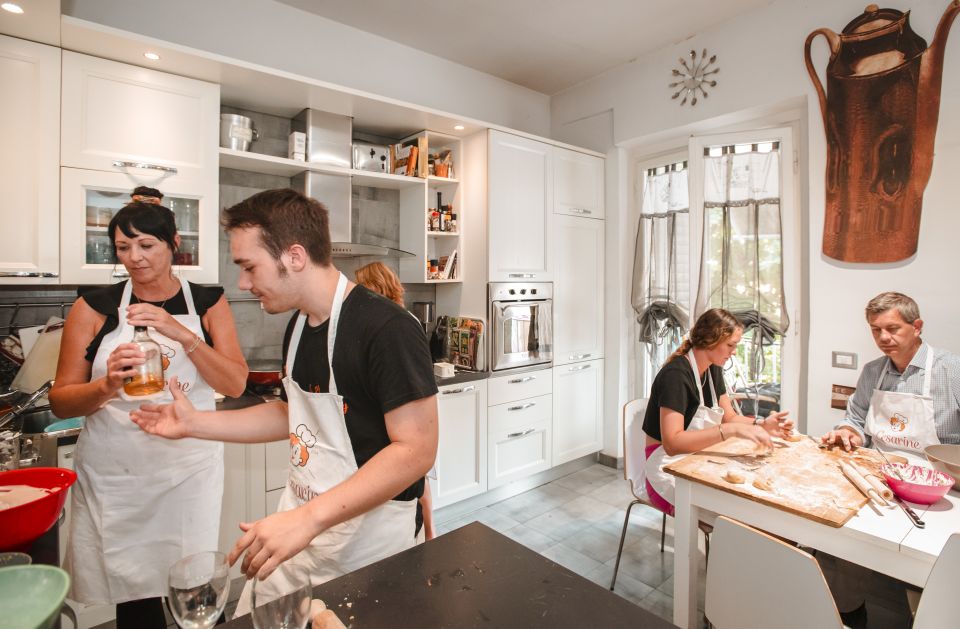
The lesson is designed around three authentic local recipes, typically shaped as starter, pasta, and dessert. You’ll cook at a workstation that’s set up with the tools and ingredients you need, so you’re not wasting time hunting for gear or missing a key ingredient you needed five minutes ago.
You also learn the “why” behind the dish, not just the order of steps. The cook shares the tricks of the trade for each recipe, which matters because Italian home cooking often depends on small decisions: timing, texture, seasoning, and how you treat the ingredients.
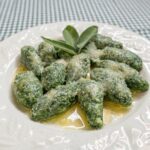
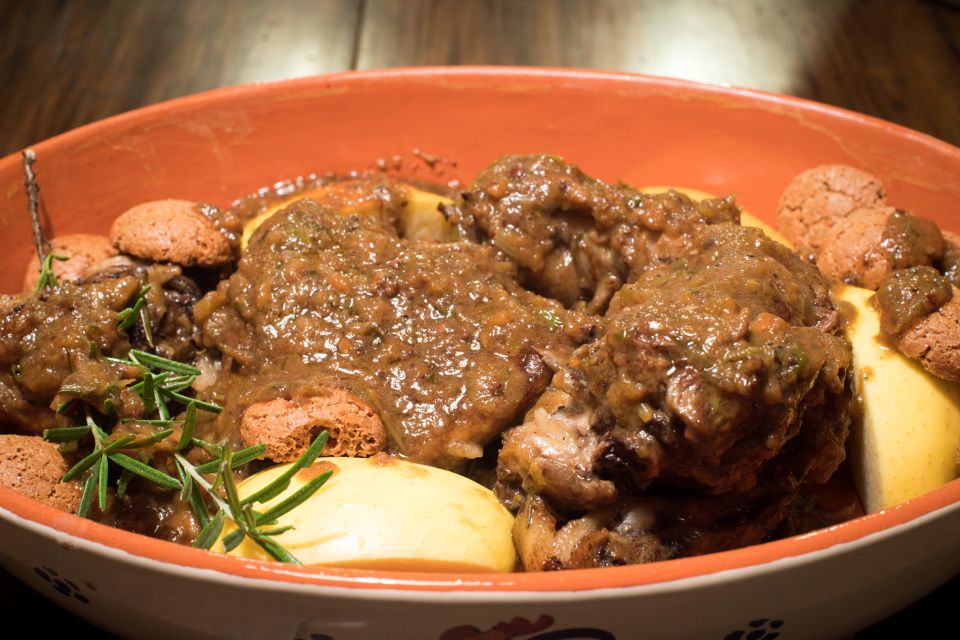
From past classes in this same experience, you can expect to see well-known Trentino flavors. Strangolapreti appears as a featured dish, and apple pie shows up as the sweet finale. Those are good clues for the style of food you’re signing up for: hearty, regional, and the kind of dishes families actually make.
One more detail I find encouraging: some sessions end in a multi-course meal you create together. In at least one example, the table turned into a four-course menu built from the class work. So even though the structure is three recipes (starter, pasta, dessert), the meal can feel full and satisfying once everyone sits down.
The tasting: wine at the table and a real reason to slow down
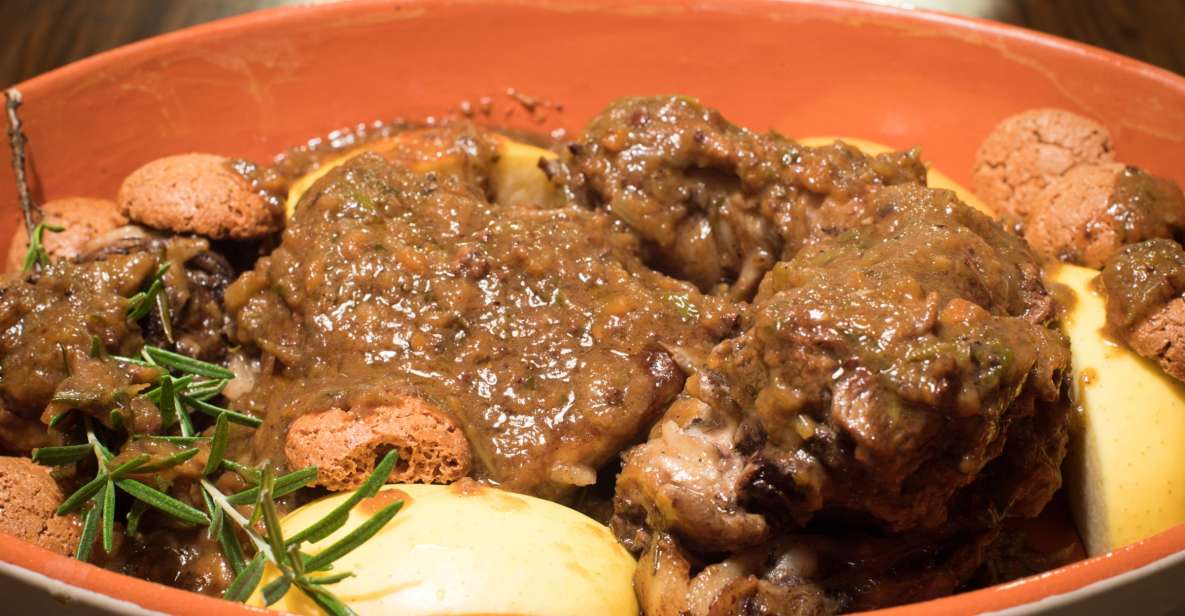
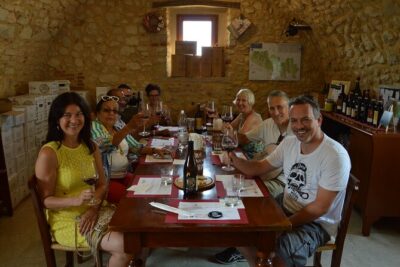
Food classes sometimes end right when the cooking ends. Here, the tasting is part of the core flow. After you finish each dish, you sit down and taste everything you made, with beverages that include local wines, plus water and coffee.
This is where the class becomes more than cooking technique. Wine changes the way you notice flavors. With a guided set of local choices, you’ll start to connect the food you made with the regional drinking culture that goes with it. You’ll also likely learn the subtle pairing logic as you taste—what tastes better with wine, what feels richer, what needs a balance of acidity or sweetness.
And because you’re eating what you prepared, there’s no awkward moment of trying to look impressed. You get to be honest with your own food. If something needs adjustment next time, you’ll remember exactly what step was involved, and you’ll know what you want to do differently.
Meeting in a family home: the vibe, the pace, and what to expect
This is a private group experience, which matters in a home setting. You’ll move at a more human pace than you would in a crowded workshop, and the host can spend time where it counts—like helping you correct technique mid-recipe instead of rushing you along.
The class also runs with real time to think. In one example session, the hosts set things up so there was enough time to process the dishes properly, not just churn through steps. That’s a big deal when you’re cooking something unfamiliar. Strangolapreti, for instance, isn’t the kind of dish you learn by accident; you need time to understand texture and consistency before you call it done.
You’ll get a workstation equipped with utensils and ingredients, and the cook handles the flow of the three recipes. You’re not doing everything alone, but you’re actively involved enough to come away with confidence. That balance is what turns a “nice experience” into a skill you can use later.
One practical plus from a previous class: a host home (Constanza and Paolo’s) had a parking lot directly in front of the door. Parking details can vary, so don’t assume it will be the same for every home, but it’s a great question to ask after you book.
Timing and the meeting-point reality in Trento
This class runs for 3 hours. Start times typically fall around 10:00 AM or 5:00 PM, and the schedule can be flexible with an advance request. For planning, think of it as a meal-focused experience: you’ll be cooking and then eating, so you’ll likely want to build your day around it rather than squeezing it between other stops.
The meeting point is the tricky part. Since it happens at a local family home, the exact address is shared after you reserve. That keeps the host’s privacy safe, but it also means you need to be ready with your navigation app once you get the message.
Practical tip: plan to arrive a little early so you can park or find the entrance calmly. Cooking classes punish stress. Even ten minutes of rushing can throw off your focus once your hands are in the dough.






Languages: how communication works when you don’t speak Italian
The instructor is listed as English, Italian, and the experience can include translation. In an example session, Paolo translated and helped keep guests entertained during the cooking. That kind of support is more than friendliness—it prevents the most common frustration in cooking classes: missing one crucial instruction because the explanation happens too fast.
If you’re comfortable with basic Italian phrases, you’ll probably catch more, but you don’t need to. You should plan for the host to guide you clearly enough to cook the steps correctly. When the language support is there, you focus on technique and taste, not on decoding instructions.
If you have food questions—ingredients, substitutions, or the goal texture—this is a good moment to ask. The home setting makes it natural to talk mid-recipe rather than waiting until the end.
Dietary needs: what you can count on, and what you should do next
The experience says it can cater to different dietary requirements, but you need to confirm specifics directly with the organizer after booking. That’s exactly the right approach for a home-cooked menu, because substitutions depend on what the host already planned and what ingredients they have on hand.
What you should do: when you book, send your dietary needs clearly and early. If you’re avoiding gluten, dairy, or specific ingredients, ask whether the starter, pasta, or dessert can be adapted. Since the class revolves around three recipes plus wine and coffee, it’s worth asking how beverages and dessert choices will be handled too.
Even if your dietary need is complex, this can still be a good option—just don’t wait until the last minute.
Price and value: is $146.14 per person a fair deal?
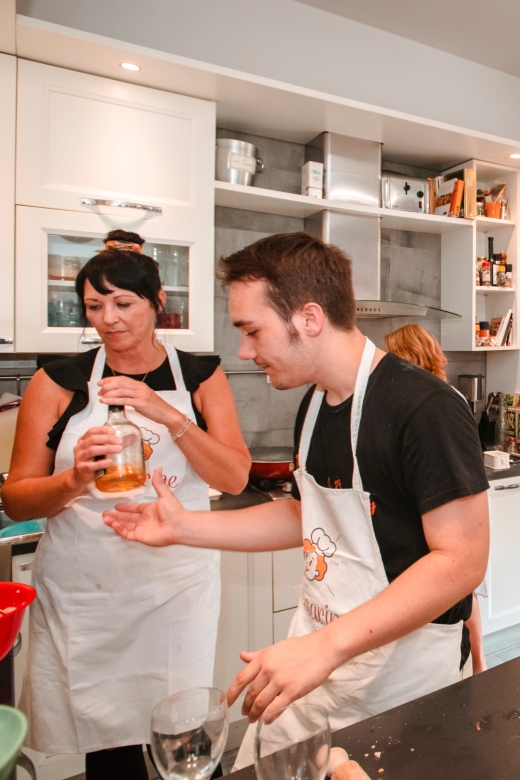
At $146.14 per person for a 3-hour private home cooking class, the value comes from what’s included. You’re paying for instruction, ingredients, utensils, the tasting of three local dishes, and beverages (water, wine, and coffee). That turns the “class” into an actual, sit-down meal experience.
If you compare it to paying separately for a cooking workshop plus dinner plus drinks, this format often makes sense. You’re not just learning recipes in theory—you’re eating them, with local wines, and taking home skills that transfer beyond this one night.
One more value point: private group time is time you control. The host can slow down when you need it and explain steps in a way you can remember. In a home kitchen, that attention is hard to replicate in a larger, more commercial setting.
Who this is best for (and who might want a different style)
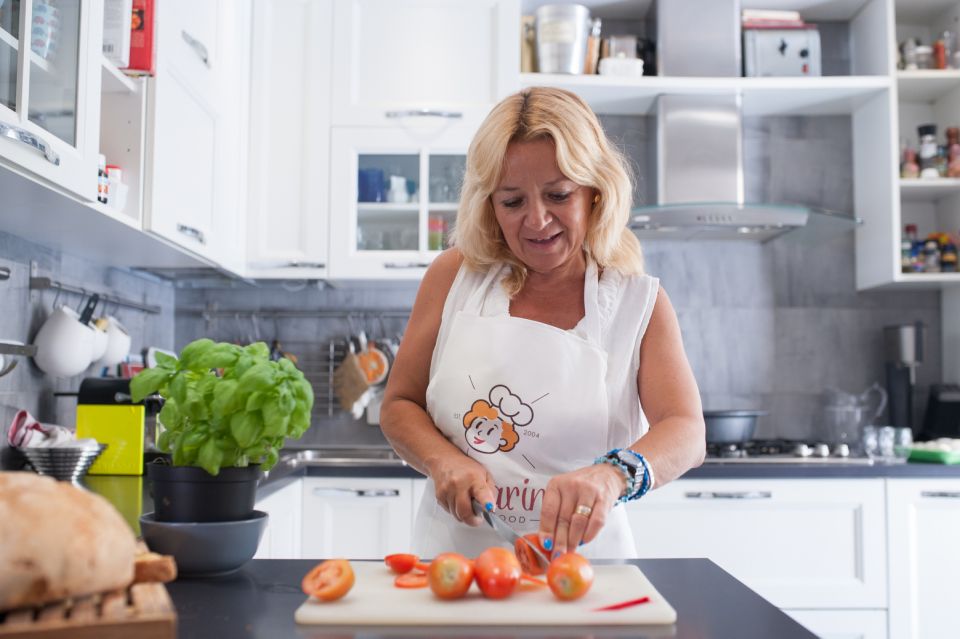
I’d book this if you want a hands-on way to experience regional Trentino cuisine through cooking, then tasting in a relaxed home setting. It’s also ideal if you like wine and want the lesson tied to what people actually drink with the meal.
It’s especially good for food-focused couples, small groups, and travelers who feel happiest when they’re learning something practical. If you want a story you can retell—strangolapreti lessons, apple pie tips, the moment the table fills up—it’s the kind of evening that leaves you with details.
You might hesitate if you dislike the idea of meeting inside a private home. The address is shared after booking for privacy reasons, and you’ll be following the host’s home setup and timing. It’s still organized and scheduled, but it’s not a standard restaurant experience.
Should you book the Trento home cooking class?
Yes, if you’re looking for a real meal made with locals, not just a cookbook-style workshop. The combination of home-kitchen teaching, three regional recipes, and tasting everything with local wine is a strong value play for 3 hours.
If you want a more formal public-venue experience, you may prefer a cooking class in a studio. But if your goal is to learn how Trentino dishes are made and actually enjoy eating them right away, this one fits the bill.
FAQ
Where does the cooking class take place?
It takes place in a local family’s home in Trentino-South Tyrol. For privacy reasons, you receive the full address of your host after booking.
How long is the experience?
The experience lasts 3 hours.
What time does it start?
Dining typically begins at 10:00 AM or 5:00 PM, but times can be flexible with an advance request.
What will I cook during the class?
You’ll learn to make three local dishes, typically arranged as a starter, pasta course, and dessert.
Is wine included?
Yes. Beverages included are water, wines, and coffee.
Is the class taught in English?
The instructor can teach in English and Italian.
Is it a private group?
Yes, it’s listed as a private group experience.
Can the class accommodate dietary requirements?
It can cater to different dietary requirements, but you need to confirm directly with the service organizer after booking.
What happens at the end of the class?
The activity ends back at the meeting point.