REVIEW · VERONA
Cesarine: Home Cooking Class & Meal with a Local in Verona
Book on Viator →Operated by Cesarine: Cooking Class · Bookable on Viator
A local kitchen is a better classroom. This private cooking class in Verona lets you learn classic regional dishes from a chef in their own home, then you eat what you make with a glass of local wine. It’s hands-on, personal, and less like a performance and more like being welcomed for dinner—only with tasks, tips, and a shared plate at the end.
What I like most is the way it’s set up around the food itself: you’re not just watching, you’re helping with the fresh pasta part and tasting a menu built from real Verona staples. I also like that you can pick lunch or dinner, so the experience fits your Verona rhythm instead of forcing your schedule around it. One thing to think about: because it’s private and home-based, there’s an elevated risk of last-minute disruption if the chef gets sick—one past cancellation was reported just a couple days before.
In This Review
- Key highlights to know before you book
- Why a private Verona home class feels different
- Picking lunch or dinner: how timing changes the vibe
- The menu: what you’ll cook and eat (and how to think about it)
- From meeting point to home kitchen: easy start, minimal friction
- What the chef teaches: practical skills you can reuse
- The wine-and-meal ending: why it feels worth the time
- Price and value: is $174.23 fair?
- Optional transportation: when to pay for door-to-door
- Small downside to plan for: last-minute cancellations
- Who this cooking class suits best (and who might want alternatives)
- Should you book Cesarine in Verona?
- FAQ
- What is the duration of the Cesarine home cooking class in Verona?
- Can I choose lunch or dinner?
- What language is the class offered in?
- Is this a private class or a group class?
- What’s included in the meal?
- Do I get transportation?
- Where does the experience start and end?
- How do I receive the ticket?
- Is there free cancellation?
- When do I need to cancel to receive a full refund?
Key highlights to know before you book
- Choose lunch or dinner so you can plan your day with less stress
- Private chef-led instruction in a local home, not a big group room
- Hands-on regional menu built around fresh pasta and a local dessert
- Wine included with your meal as part of the tasting
- Optional round-trip transportation if you want door-to-door help
Why a private Verona home class feels different
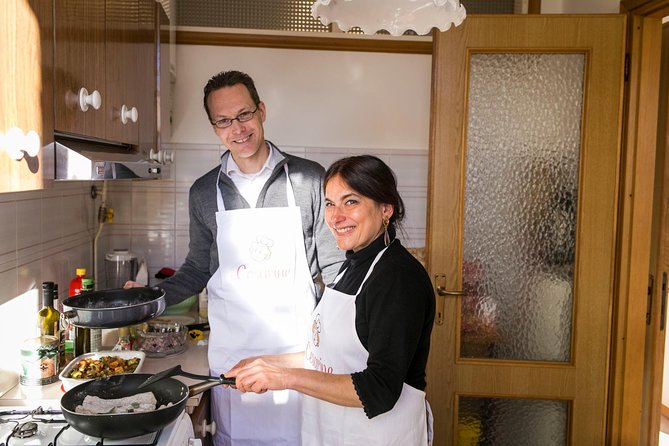
Verona does have plenty of culinary tours, but this one leans into the most useful kind of travel: learning from someone who cooks there all the time. You’re in a home kitchen, not a studio with a fixed workflow. That matters because the “why” behind cooking techniques tends to show up more when the space is real and lived-in.
You also get a private setup. That means the chef can pace the class around your questions, your comfort in the kitchen, and how quickly you pick up tasks. You’re not trying to keep up with a dozen people while someone explains dough timing like it’s a classroom demo.
And the structure is straightforward. You’ll cook a starter, work through a regional pasta choice (ravioli, risotto, or gnocchi), finish with a regional dessert, and then eat. The class is short—about 3 hours—which can be perfect if you want a memorable food experience without losing half your day.
You can also read our reviews of more tours and experiences in Verona.
Picking lunch or dinner: how timing changes the vibe
This experience is offered at a time that suits you, with a choice of lunch or dinner. That isn’t just about the clock—it affects the mood of Verona.
- If you choose lunch, you often get a more relaxed pace. Your afternoon plan stays open, and you can still do sightseeing after.
- If you choose dinner, it can feel like a “food anchor” for your evening. You finish with a full meal and wine right when the city is shifting gears.
Either way, the meal is the point. Since the full experience is about 3 hours, you’ll want to schedule it so you’re not rushing across town right afterward. If you’re hopping between sights, consider choosing the time that leaves you the most buffer for walking.
The menu: what you’ll cook and eat (and how to think about it)
The menu is clearly laid out, and that clarity is a plus. You’ll start with a seasonal starter, move into fresh pasta with a regional sample choice, and finish with a regional dessert.
Here’s how to interpret the pasta portion, because it affects what you’ll learn:
- Ravioli: You’ll likely focus on shaping, filling, and closing—classic technique work.
- Gnocchi: You can expect attention to texture and handling, since gnocchi depends on consistency.
- Risotto: Even though it’s not “pasta,” it’s very Verona-and-Italy in spirit. You’ll likely practice the rhythm of cooking and adding liquid gradually.
The menu doesn’t promise one single pasta every time, and that’s worth knowing. Your session may feature one of these pasta options (ravioli or risotto or gnocchi), so go in flexible. The payoff is that you’ll get instruction tied to a dish that’s actually being served in that specific setting.
Then comes the part people remember: tasting what you make. You’ll eat the starter, the pasta portion, and the dessert you made, and the meal is paired with a glass of local wine. That combination matters for value—you’re not paying just for a lesson. You’re paying for a full, seated tasting moment that ends the class.
From meeting point to home kitchen: easy start, minimal friction
The experience starts in Verona (Province of Verona, Veneto) and ends back at the same meeting point. It’s also listed as near public transportation, which is practical if you don’t want to guess which roads are easiest on foot.
You’ll receive confirmation at booking time, and you’ll get a mobile ticket. That’s small, but it reduces the usual stress: less searching, less printing, less last-minute hassle.
In a private home setup, the biggest “logistics worry” is usually how you get there and whether you’ll find the right place on time. Since the tour start and end are tied to the meeting point, you can plan around that. If you’re the type who hates being late, I’d still give yourself extra walking time in Verona—some streets are just… not fast.
What the chef teaches: practical skills you can reuse
The class is built around secrets and trade tricks from a private chef, and you’ll feel it in the structure: starter first, then your main pasta/carb work, then dessert. That order is smart because it keeps you moving through different techniques while you’re still fresh.
Here are the kinds of things you can expect to learn, based on the way the menu is designed:
- Starter technique: seasonal ingredients mean you learn how flavors match up, not just how to cook one item.
- Fresh pasta execution: whatever option you get—ravioli, risotto, or gnocchi—there’s a focus on proper texture and handling.
- Dessert finishing: regional desserts are a good moment to pick up the “final steps” that separate a decent sweet from a memorable one.
The private format also helps with pacing. If your hands move slower, you’re not stuck watching everyone else finish. If you’re quick, the chef can likely give you more detail without turning it into a rushed assembly line.

The wine-and-meal ending: why it feels worth the time
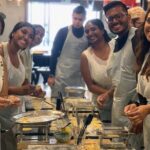
This isn’t a quick snack stop where you cook for ten minutes and leave. The format is built to let you sit down and enjoy the results. After the cooking, you’ll taste your work as a complete meal with a glass of local wine.
That wine part is important for two reasons:
- It keeps the experience anchored in Italian hospitality, where food and conversation go together.
- It makes the lesson feel like dinner, not homework.
Also, because it’s a private class, the meal tends to feel more connected to you. You’re sharing the kitchen work, then sitting with the finished plates as a group.
Price and value: is $174.23 fair?
At $174.23 per person, the price sits in the “not cheap, but not absurd” zone for a private food experience. Here’s why it can still feel like a good deal:
- You’re paying for private instruction in a local home.
- You’re getting a full starter + pasta main + dessert menu.
- You’re also getting wine included with the meal.
- The session runs about 3 hours, which is long enough to learn and eat without turning into a half-day commitment.
Where value shifts for you is how you compare alternatives. If you’re thinking about a bigger group class, the private setup can justify the cost—especially if you care about hands-on feedback and a calmer pace.
One caution: there’s also an optional round-trip transportation add-on for an extra fee. If you need that support and add it on, your total spend will rise. For some people, that’s the difference between an easy evening and a stressful scramble. For others, it won’t be necessary if you can walk comfortably and find public transport.
Optional transportation: when to pay for door-to-door
The experience offers round-trip transportation for an extra fee. The listing doesn’t give the price, so you’ll want to check when booking.
My rule of thumb: consider adding it if
- you’ll be tired from sightseeing,
- you’re traveling with luggage or you prefer fewer route-planning steps,
- or you’re choosing a dinner time and want to reduce the risk of being late.
Skip it if
- you’re comfortable using public transport,
- you’re already close to the meeting area,
- and you enjoy walking Verona streets at your own pace.
Small downside to plan for: last-minute cancellations
Even with good ratings, home-based experiences have a hard reality: if the chef can’t cook, the class can change fast. One past booking was canceled about two days before because the cook was ill, and the communication response reportedly took several days after that.
That doesn’t mean this will happen to your booking, but it does shape how you should manage risk. If your Verona schedule is tight and you’d hate losing a cooking slot, pick a date that has flexibility built in. And keep an eye on messages as the start date gets closer.
Who this cooking class suits best (and who might want alternatives)
This is a strong fit if you want:
- a private food experience rather than a group-style class,
- hands-on cooking tied to a meal you’ll actually eat,
- and an evening that feels like local life in Verona, not a staged attraction.
You might choose something else if you:
- hate any chance of schedule disruption,
- don’t want to travel to a home meeting point,
- or prefer very standardized class content every single time.
If you’re a solo traveler, this format can be great because private doesn’t mean you’re stuck waiting around with strangers—it can be more personal. If you’re traveling as a couple or small group, you’ll also appreciate the shared pace.
Should you book Cesarine in Verona?
I’d book this if you’re excited by the idea of learning Verona regional dishes in a real home setting, then eating them right away with local wine. The menu structure is clear, the class runs about 3 hours, and the private format is the kind of value that can beat busier, bigger classes—especially if you like asking questions while you cook.
Skip it or think twice if your schedule is razor-thin or you can’t tolerate any last-minute change, because a private home class has that built-in fragility. If you do book, choose a time (lunch or dinner) that gives you buffer afterward, and consider optional transportation if you want a lower-stress evening.
FAQ
What is the duration of the Cesarine home cooking class in Verona?
The class is about 3 hours.
Can I choose lunch or dinner?
Yes. You can choose the time that suits you, with lunch or dinner options.
What language is the class offered in?
The experience is offered in English.
Is this a private class or a group class?
It’s a private tour/activity, so only your group participates.
What’s included in the meal?
You’ll have a seasonal starter, a fresh pasta main (ravioli or risotto or gnocchi), and a regional dessert, plus a glass of local wine.
Do I get transportation?
Round-trip transportation is available for an extra fee.
Where does the experience start and end?
It starts in Verona and ends back at the meeting point.
How do I receive the ticket?
You’ll get a mobile ticket.
Is there free cancellation?
Yes. You can cancel for a full refund, with free cancellation up to 24 hours in advance.
When do I need to cancel to receive a full refund?
Cancel at least 24 hours before the experience’s start time for a full refund.