REVIEW · VERONA
From Verona: Valpolicella and Amarone Wine Tasting Tour
Book on GetYourGuide →Operated by Ways Tours | B Corp company · Bookable on GetYourGuide
Four hours, two wineries, and a real sense of place. From Verona, this Valpolicella tour rides out in an air-conditioned minivan and puts you at the table for Ripasso and Amarone tastings. It’s built for learning without feeling rushed, with a small group capped at 8.
I especially like the contrast between the two stops—one feels more established, the other more family-style and personal. You also get hands-on explanation at each winery, including a cellar walkthrough with an expert sommelier at the first stop and hosts guiding what you taste at the second.
One thing to consider: this isn’t a good fit if you need wheelchair access, and it also has age rules (minimum drinking age is 18, and kids under 14 can’t join).
In This Review
- Key highlights to know before you go
- From Ristori Theatre to Valpolicella: the small-group minivan start
- Stop 1 in Valpolicella: sommelier cellar talk, gardens, and Amarone tasting
- Why the Amarone lesson matters (and how it shows up during the day)
- Stop 2: comparing two winery styles with tastings and pairing food
- How long it really feels: the 4-hour pacing and tasting amount
- Is $112.15 good value? Two tastings, guided context, and transport
- Who should book this Verona to Valpolicella wine tasting tour
- Practical tips that make the tour better
- Should you book this Valpolicella and Amarone tour?
- FAQ
- Where do I meet the guide for the Verona to Valpolicella tour?
- How long is the tour from Verona?
- How many wineries and tastings are included?
- What wines will I taste during the experience?
- Is hotel pickup included?
- What are the age rules and basic restrictions?
Key highlights to know before you go
- Small group (max 8): more time to ask questions and actually talk wine.
- Two different wineries: you’ll taste and compare two production approaches, not just two rooms.
- Amarone-focused education: you learn how it’s made and why the techniques matter.
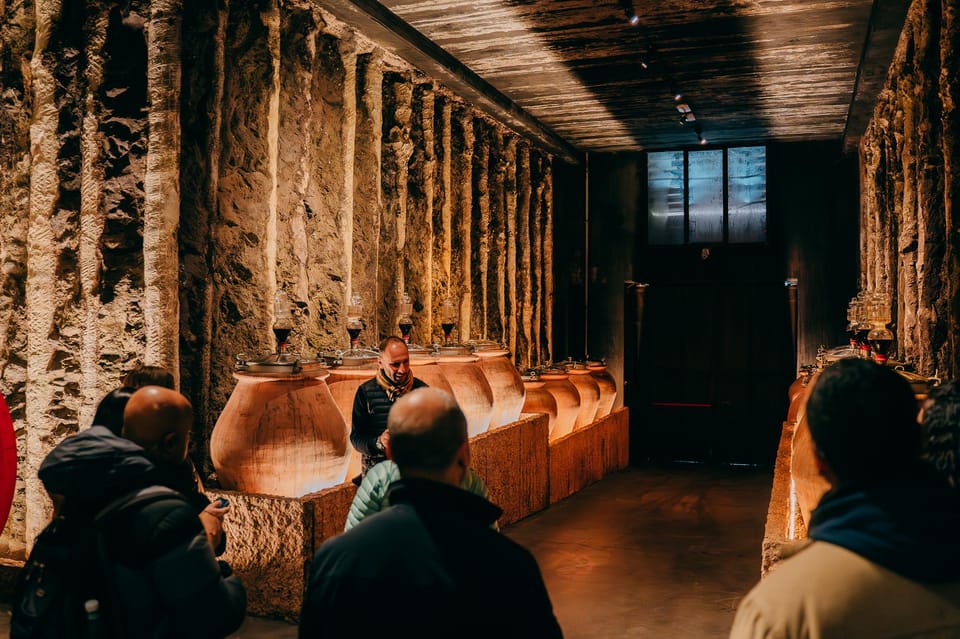
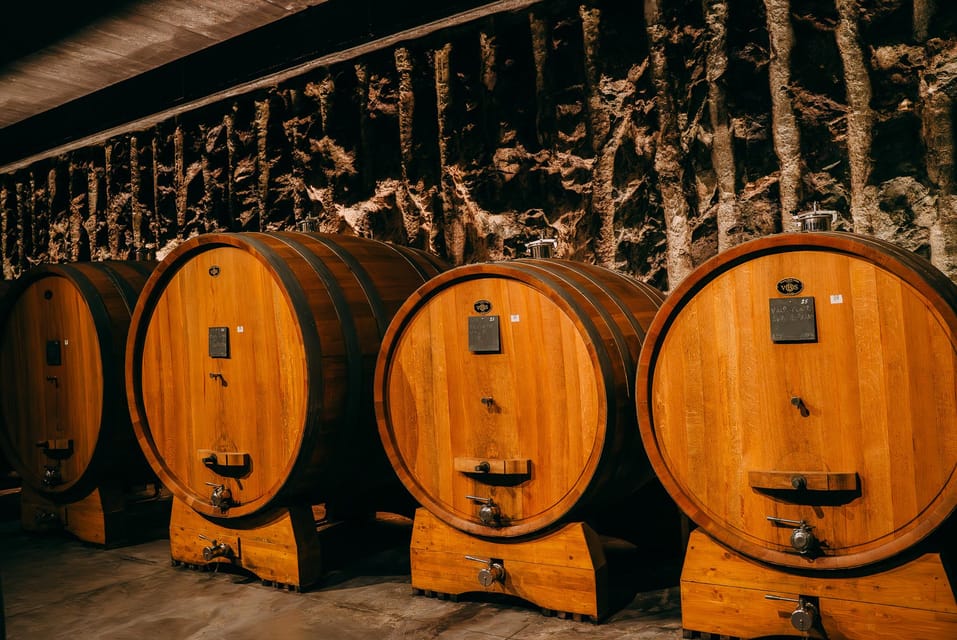
- Cellar + table format: you tour storage/production areas, then taste Ripasso and Amarone at a seated tasting.
- Included food pairings: tastings come with small bites like meats/cheese, and even olive oil at the second stop in some pairings.
- Comfortable transport from Verona: air-conditioned minivan plus a group coordinator for the flow.
From Ristori Theatre to Valpolicella: the small-group minivan start
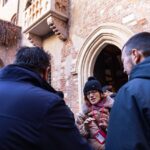
Your day begins in central Verona at the Ristori Theatre area. Meet your guide at the Via Teatro Ristori 7 entrance, where the guide holds a yellow sign that reads TOUR.
Then it’s straight into the air-conditioned minivan. Expect a relaxed pace right away: you’ll ride out of the city while your guide shares context on local wine styles and how the Valpolicella valley works. This part sounds simple, but it matters. When you show up at the winery with basic terms in your head, tasting feels less random.
You’ll also feel the small-group difference from the start. With a maximum of 8 participants, you’re not stuck waiting for the guide to finish one question before you can ask yours.
You can also read our reviews of more tours and experiences in Verona.
Stop 1 in Valpolicella: sommelier cellar talk, gardens, and Amarone tasting
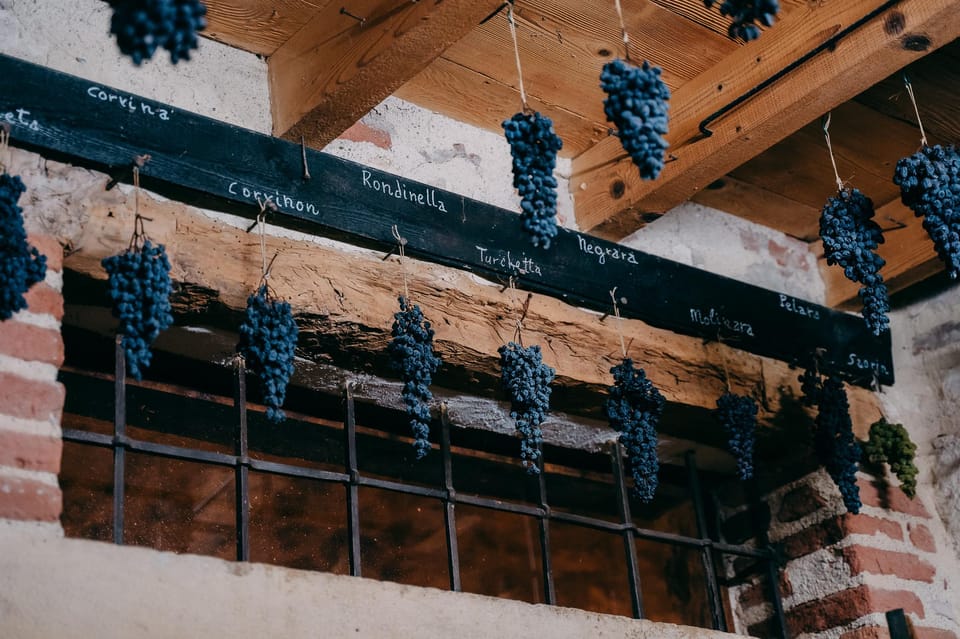
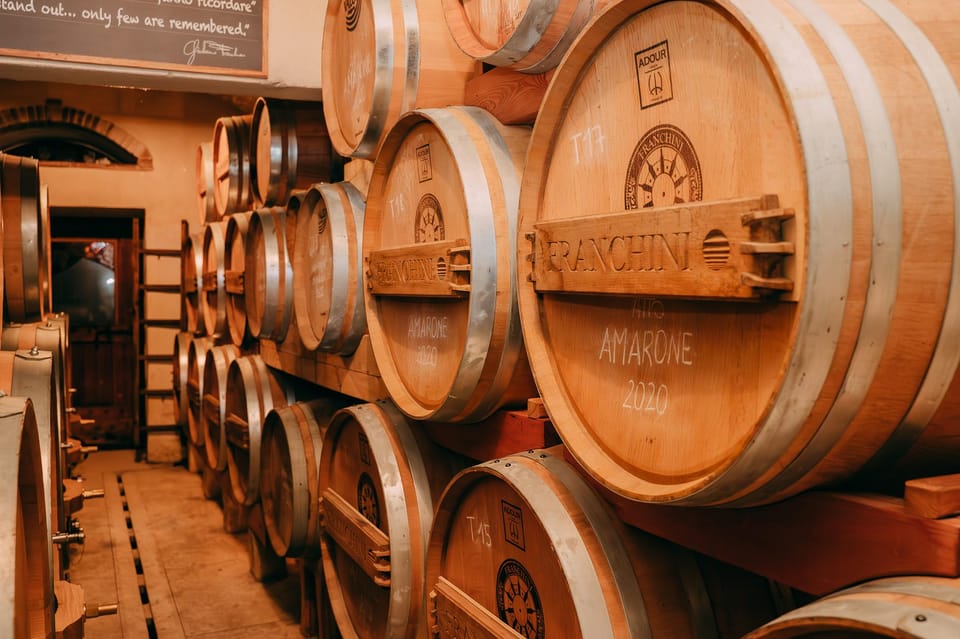
The first winery stop is where the tour gets its “how it’s made” grounding. You’ll arrive and go straight into a cellar visit led by an expert sommelier. The focus is practical: you’ll see the cellar setup and learn production and how the wine is kept.
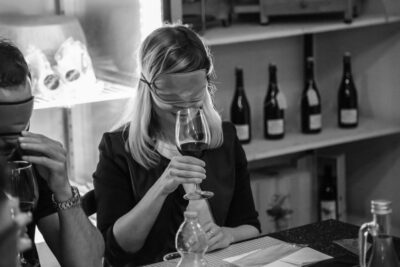
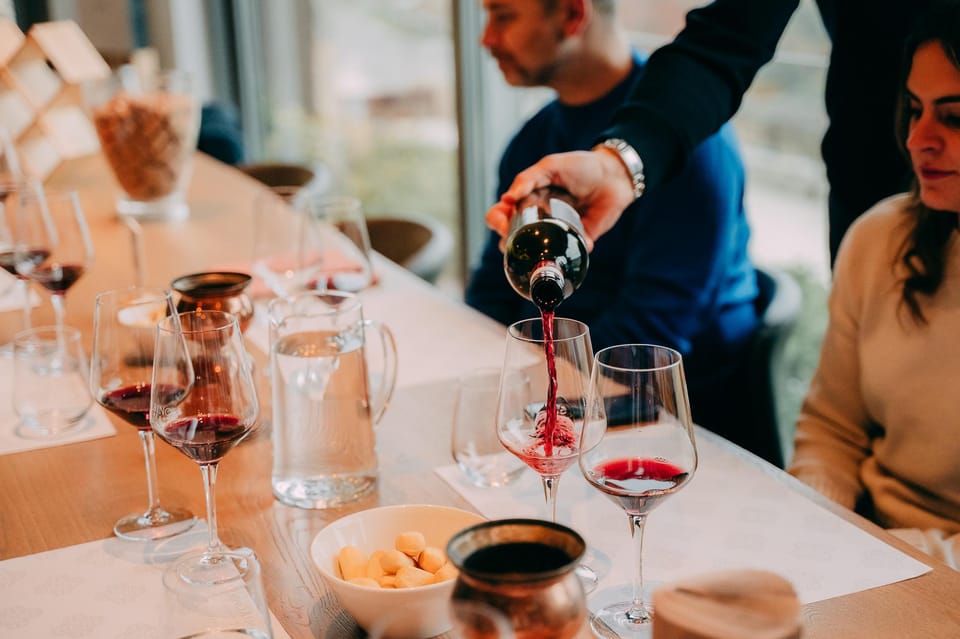
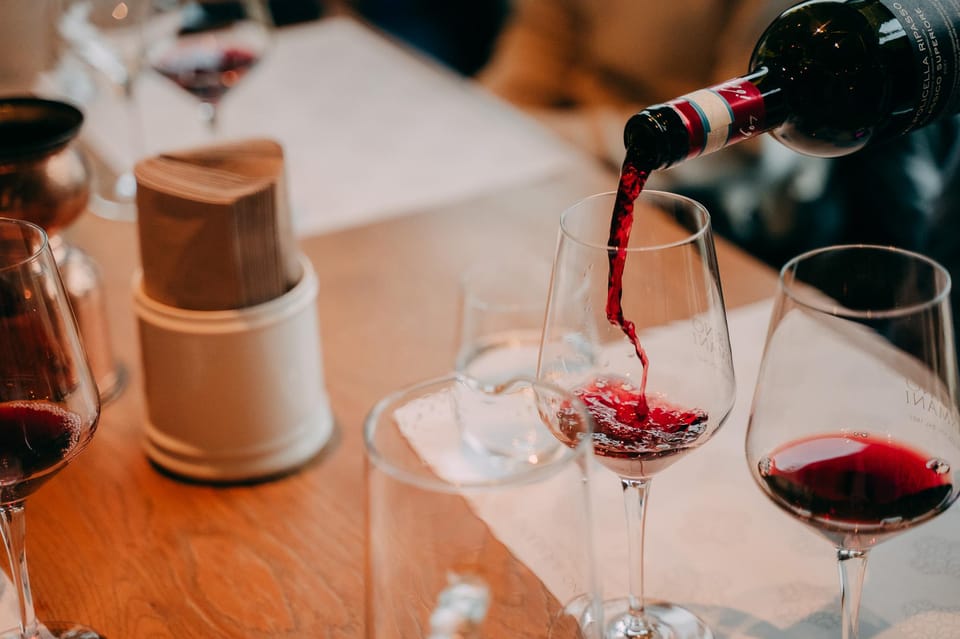
After the cellar portion, you shift to the tasting table. This is where Ripasso and Amarone enter the story in a very direct way—you sit down and taste the selected wines as the hosts explain what you’re experiencing.
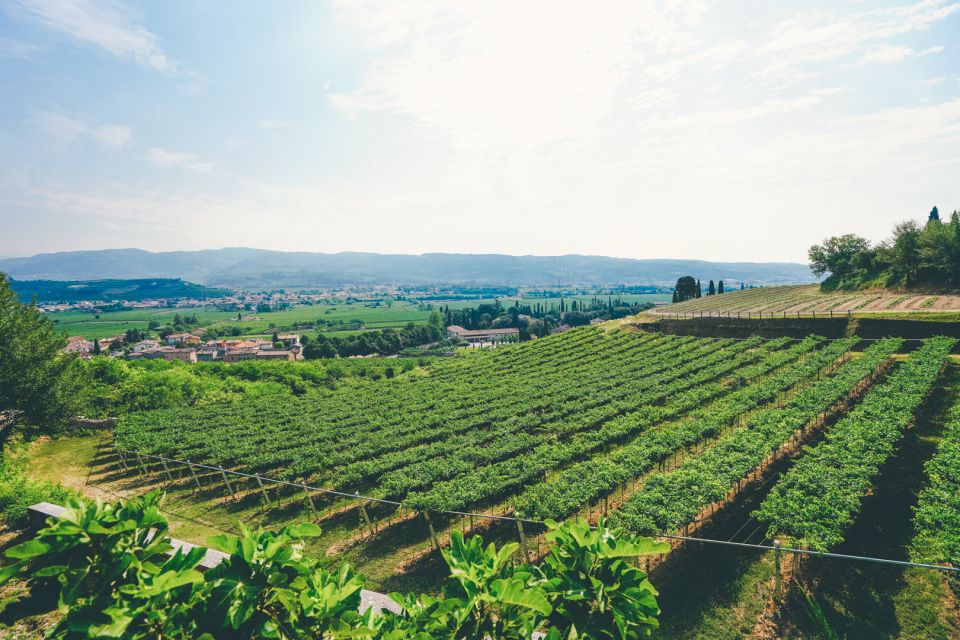
You also get time for photos in and around the winery grounds. The tour description highlights gardens and vineyards, and that’s more than a break. It’s a nice reset after cellar time, and it helps you connect the wine to the setting you’re standing in.
One small pacing note: the first tasting block is the longer one, about 1.5 hours on-site. That’s a good sign for anyone who wants time to ask questions and compare what’s in the glass.
Why the Amarone lesson matters (and how it shows up during the day)
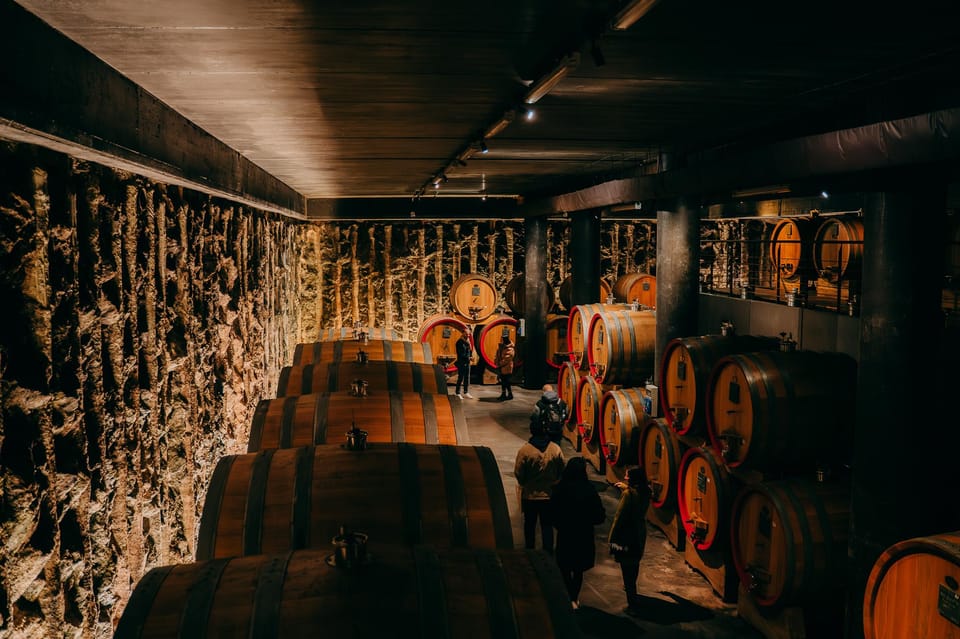
This tour doesn’t just say Amarone is famous. It teaches you how it’s made and focuses on the “secrets” and techniques behind it—specifically through the cellar walkthrough and the way the tastings are explained.
What I like about this approach is that you get education where it belongs: on-site, with real production areas in front of you. Instead of memorizing facts, you connect the explanation to what you can see and taste right then.
Also, the vibe is structured but not stiff. In practice, you’ll likely spend time with the guide connecting regions and styles as you ride, then shift to the sommelier and winery representatives when you arrive. Different voices, same goal: help you understand why these wines taste the way they do.
Guides can vary, and you might be with someone like Stefano, Sara, Alexandra, Francesca, Alessandra, or María (names that show up with this operator). Whoever you get, the tour format stays consistent: transport, cellar education, then a seated tasting.
Stop 2: comparing two winery styles with tastings and pairing food
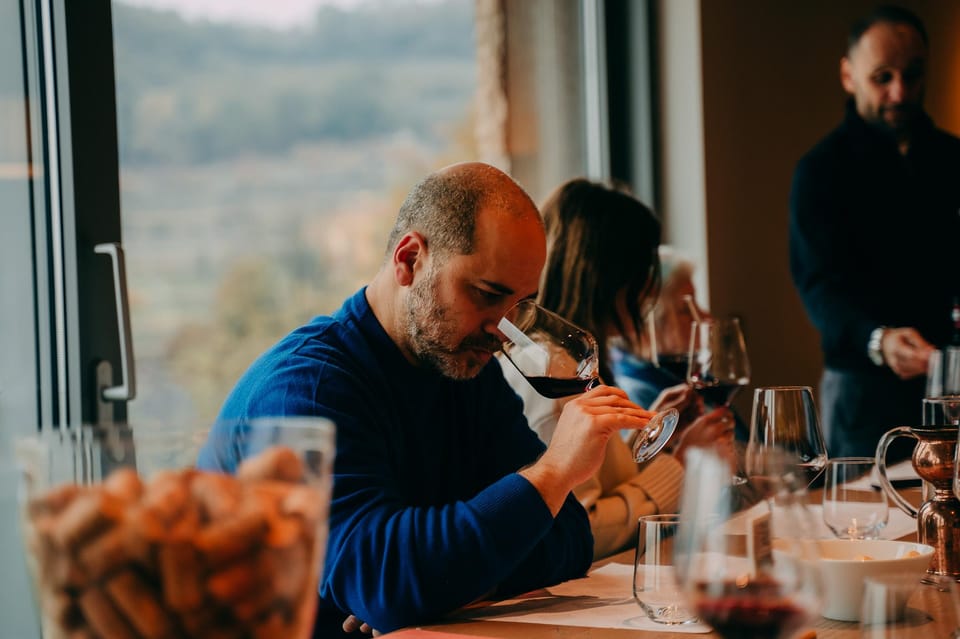
After the first winery, you ride again by van, then arrive at the second stop. This one runs about 75 minutes for the tasting portion, so it’s slightly shorter—but it’s designed as a distinct counterpoint to the first winery.
The biggest win here is contrast. Several people highlight the difference between a larger establishment and a smaller, family-style place. That comparison is exactly what helps you grow your palate. You start noticing that the same region can express itself differently depending on scale, approach, and the people making the calls.
At the second winery, you’ll taste more selected wines and hear from the winery representatives. Food pairings are part of the experience, too. Depending on the pairing that day, you may see things like a spread of local meats and cheese, and some tastings may also include olive oil alongside the wines.
It’s also worth pointing out how this stop supports the broader tour theme. If the first winery feels like your core lesson, the second winery acts like the real-world comparison—same valley, different interpretation.
Once the tasting ends, you hop back into the van and head back to Verona, arriving at the same meeting point.
How long it really feels: the 4-hour pacing and tasting amount
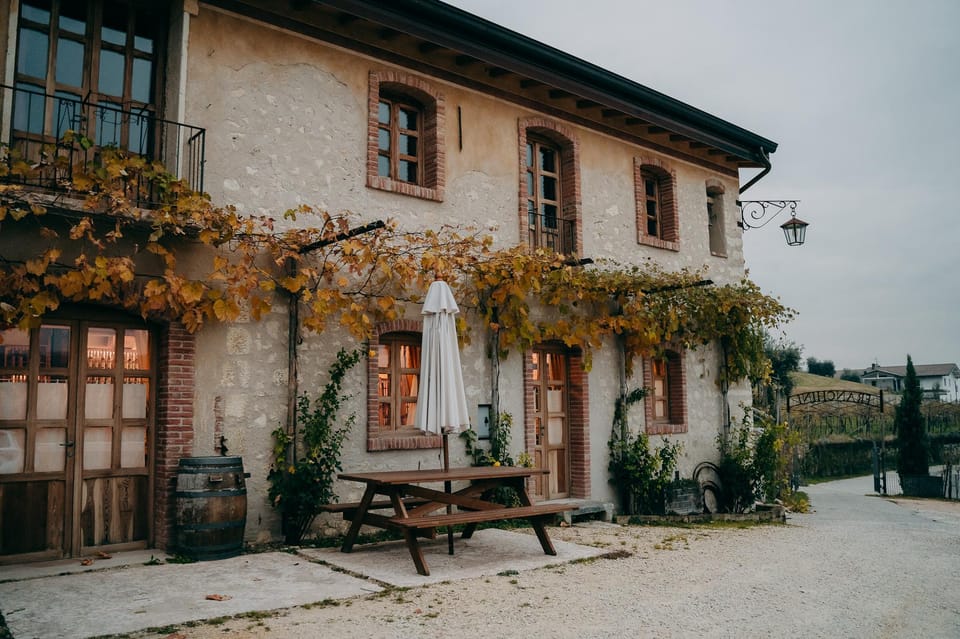
The total duration is listed as 4 hours, with time built in for travel. In other words: this isn’t one of those half-day tours where you spend most of the time driving and end up rushing the fun part.
Here’s the timing shape you can expect:
- About 30 minutes in the van after you start
- About 1.5 hours at the first winery tasting portion
- About 15 minutes in transit to the next stop
- About 75 minutes at the second winery tasting portion
- About 30 minutes back to Verona
That adds up to a pace that feels structured rather than chaotic. You get enough time at each winery to learn and taste, but not so much time that the day drags.
Also, because tastings are seated and guided, you can pace yourself better than in a free-form tasting room where everyone wanders at their own speed. I’d still plan to take it easy, sip slowly, and save your best questions for when the guide or the sommelier is focused on the table.



Is $112.15 good value? Two tastings, guided context, and transport
At $112.15 per person, the value mainly comes from what you’re getting bundled together:
- Private transportation by minivan
- Two winery visits
- Two wine tastings
- A group coordinator to keep the day running
Wine tours in Italy can get pricey fast, especially when you add transport, time limits, and the fact that you’re paying for instruction—not just drinks. Here, you’re paying for both the ride and the structured, seated tasting experience at two different wineries.
The quality signal is in how the tour is built: cellar walkthroughs plus table tastings. That format is often what separates a “drink and walk around” tasting from something that changes how you look at wine.
Finally, there’s a strong small-group value angle. With a cap of 8 participants, you’re more likely to get real conversation at the table. And that matters, because the best part of a wine tour is usually the guidance that helps you interpret what you’re tasting.
Who should book this Verona to Valpolicella wine tasting tour
This is a great fit if you want:
- A guided Valpolicella experience from Verona (no car needed)
- A small group format
- Tastings that include Ripasso and Amarone
- A cellar-and-table flow, not only a quick tasting room stop
- A comparison between different winery styles in the same region
It’s also ideal all year round, so it works even when Verona weather makes long walking plans less appealing. The van ride and indoor cellar time keep the day comfortable.
Skip it if:
- You need wheelchair access, because the tour notes some parts may be difficult for reduced mobility.
- You’re traveling with kids under 14.
- You’re bringing anyone who doesn’t meet the minimum drinking age rules (minimum drinking age is 18).
Practical tips that make the tour better
A few simple moves can make your day smoother:
- Wear shoes you’re comfortable in for cellar areas and winery grounds.
- If you have food intolerances or allergies, inform the provider in advance so pairing choices can work for you.
- Expect that the tour includes both education and tastings. Pace yourself through the day and save your biggest questions for each winery’s host time.
- Bring a light camera bag or phone strap. You’ll be stopping for photos around gardens and vineyards.
Should you book this Valpolicella and Amarone tour?
I’d book it if you want a short, well-run wine day that goes beyond a quick pour. The combination of two winery stops, guided cellar learning, and tastings focused on Ripasso and Amarone makes it feel like more than a standard tasting circuit.
I’d pass if accessibility is a must, if you’re traveling with kids under 14, or if you’re looking for a self-guided, open-ended day. This tour is structured on purpose, and it rewards people who like clear stops, good guidance, and comparison.
If that sounds like your style, this Verona-to-Valpolicella half-day is a smart use of time—and the kind of wine experience that actually teaches you what to look for next.
FAQ
Where do I meet the guide for the Verona to Valpolicella tour?
Meet your guide in front of the Ristori Theatre entrance at Via Teatro Ristori, 7. The guide will be holding a yellow sign with TOUR written on it.
How long is the tour from Verona?
The tour duration is 4 hours (starting times vary, so check availability).
How many wineries and tastings are included?
You’ll have 2 winery visits and 2 wine tastings, with private transportation between stops.
What wines will I taste during the experience?
The tour includes tastings of Ripasso and Amarone (along with other chosen wines at the tastings).
Is hotel pickup included?
No. Hotel pickup and drop-off are not included.
What are the age rules and basic restrictions?
The minimum drinking age is 18. Children under 14 can’t join the activity. Pets and oversize luggage are not allowed, and the tour is not suitable for wheelchair users.