REVIEW · VERONA
The city of Romeo and Juliet: A self-guided audio tour through Verona
Book on Viator →Operated by VoiceMap Audio Tours · Bookable on Viator
Walk Verona with your own audio guide. This self-guided route strings together Verona’s best-known landmarks, starting at I Portoni della Bra and working toward the Arena area, with location-triggered storytelling in English. I especially like the offline maps and audio (great for saving roaming data) and the freedom to pause, stop, and start when you want a coffee break or a better photo angle. One thing to keep in mind: it is totally phone-dependent, and the tour does not include a phone or headphones, so you’ll want to show up ready.
At about 1 to 1 hour 15 minutes on the built-in route, it’s a good way to get oriented fast without buying museum tickets or joining a group schedule. You also get lifetime access, so if you love Verona (most people do), you can come back and replay the walk later. I found this format especially useful in a city where streets curve, squares open up, and you can easily wander off-plan without realizing it.
What’s also nice is the tone: the narration comes from a Verona native, and the content aims for practical details you can use while you’re standing in front of the buildings. If it’s raining, windy, or you’re just moving slow, the audio keeps you on track and keeps things moving at your pace. The only real caution is that you’re relying on the VoiceMap app working properly on your device, since a few people reported trouble getting the app to open.
In This Review
- Key highlights you’ll feel right away
- Price and time: what $11.24 really buys you
- Starting at I Portoni della Bra: your “launch point” in Verona
- How the VoiceMap app helps you (and what to check first)
- Piazza Bra and Arena Square: the Verona big hitters, in order
- San Nicolò all’Arena and Piazza Nogara: small steps that change the mood
- Juliet’s House: the romance spotlight, managed without a ticket rush
- Piazza Erbe and Piazza dei Signori: the social heart of Verona
- Santa Maria Antica and Romeo’s House: story landmarks with street-level context
- Santa Anastasia Church and the Ponte Pietra stop
- Porta Borsari and the finish at Arena di Verona
- What you’ll like most on this walk
- A fair drawback: audio tours can break your flow if tech misbehaves
- Who this self-guided Verona audio tour is best for
- Should you book this Verona audio tour?
- FAQ
- How long is the Verona self-guided audio tour?
- Where does the tour start and end?
- Is the tour available offline?
- What language is the narration in?
- What’s included, and do I need my own phone and headphones?
- Are tickets to attractions included?
- Can I cancel for a refund?
Key highlights you’ll feel right away
- Offline maps and audio so you can keep going even with spotty signal
- Pause-anytime freedom for breaks, photos, and lingering in cafés
- Step-by-step navigation that helps you find each next stop without guesswork
- Romeo-and-Juliet landmarks plus major squares, all on foot in one loop
- Local, Verona-tuned storytelling with architecture and food-and-wine pointers
- Lifetime access, so you can replay it later instead of treating it as a one-time pass
Price and time: what $11.24 really buys you
The price is about $11.24 per person, which is refreshingly low for an audio tour that covers a lot of ground. You’re not paying for museum entries or transportation here, so the value is in the walking route and the narration that tells you what you’re seeing and why it matters.
The planned duration is around 1 hour to 1 hour 15 minutes, but your real time depends on how you walk. I like using this kind of route as a foundation: get through it at a steady pace first, then return later for deeper visits where you actually want to slow down. If you take longer for snacks and views, that’s not a failure; it’s the point of doing it at your pace.
Timing is also flexible. The tour is listed as available every day, all day, so you can fit it into a morning walk, an afternoon reset, or an early evening stroll by the lights in the squares.
You can also read our reviews of more tours and experiences in Verona.


Starting at I Portoni della Bra: your “launch point” in Verona
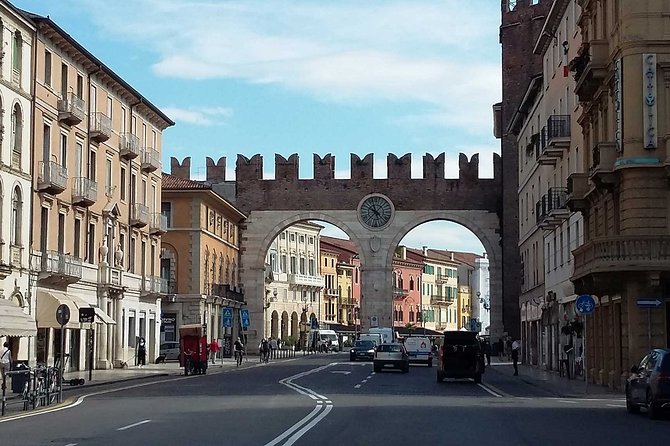
You begin at I Portoni della Bra (Corso Porta Nuova, 2, 37122 Verona VR, Italy). This matters because it’s not some hidden alley start; it drops you right into a part of town that makes the rest of the walk feel logical. As you set off, you’ll be moving from the big landmark zone toward the squares and romantic sights that Verona does so well.
From the start, think of the tour as a “guided self-walk,” not a strict march. The app is designed to help you follow along with directions and mapped steps, which reduces the mental load when you’re trying to read signs, street numbers, and tiny side streets all at once.
Also, since the tour does not include headphones, I recommend packing a basic wired or wireless set. It changes the experience fast: Verona is loud enough, and you’ll want the narration clear while you’re walking through busy pinch points.
How the VoiceMap app helps you (and what to check first)
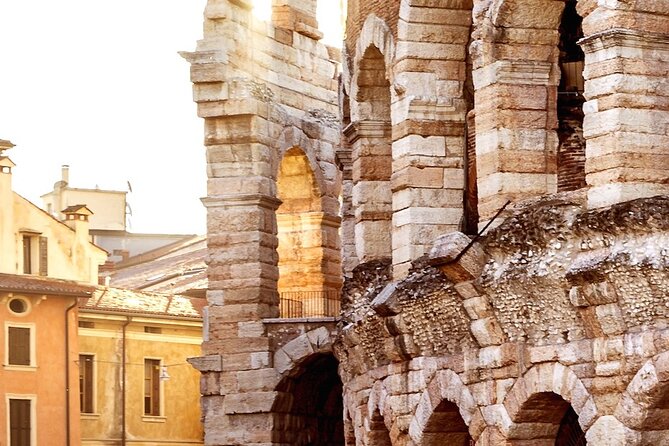
You’ll use the VoiceMap app on Android or iOS. The key benefit is offline access to audio, maps, and geodata, which is exactly what you want in Italy when signal can wobble in older streets.
Before you go outside, do a quick prep checklist:
- Download the tour for offline use while you’re connected
- Test audio with your headphones in a quiet spot
- Make sure your phone battery is healthy, since you’ll be using GPS
Most people love that you can pause, stop, and start the narration, including taking breaks for cafés or restroom time. This is one of the reasons self-guided tours work better than group tours here: Verona rewards slow wandering, and the audio won’t punish you for it.
One fair caution: a small number of travelers reported app issues like not opening at all. If you’re tech-trusting, plan to troubleshoot early. If the app fails at the start, you don’t want your day to lose momentum.
Piazza Bra and Arena Square: the Verona big hitters, in order
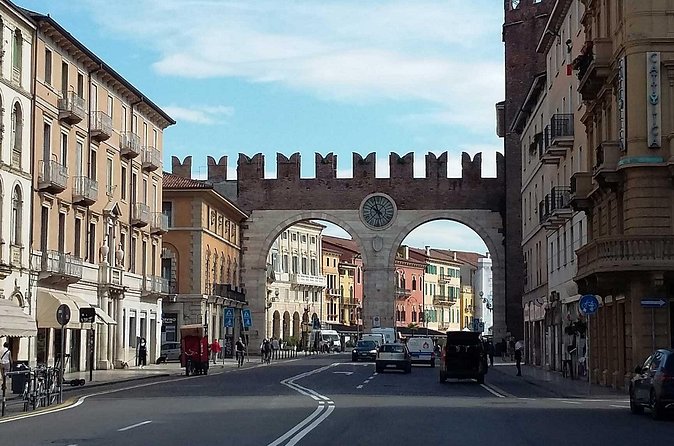
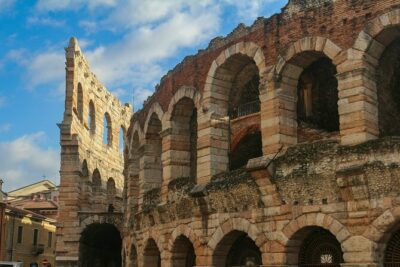
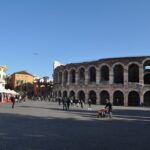
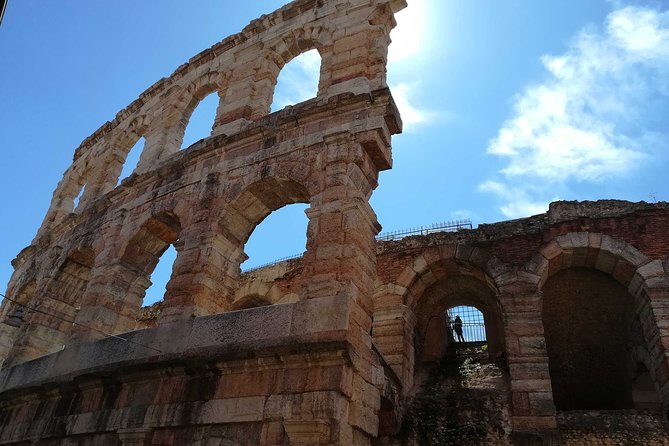
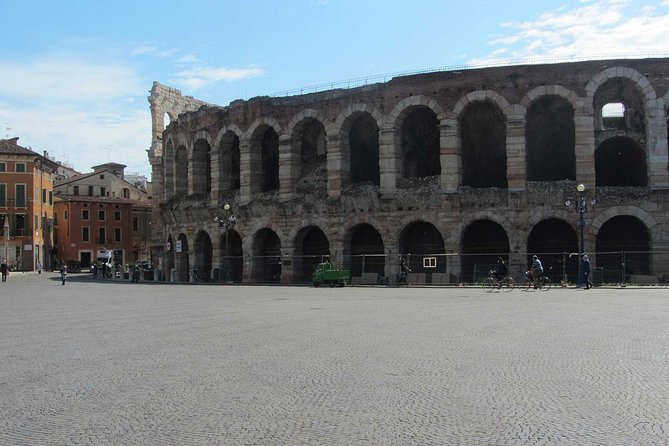
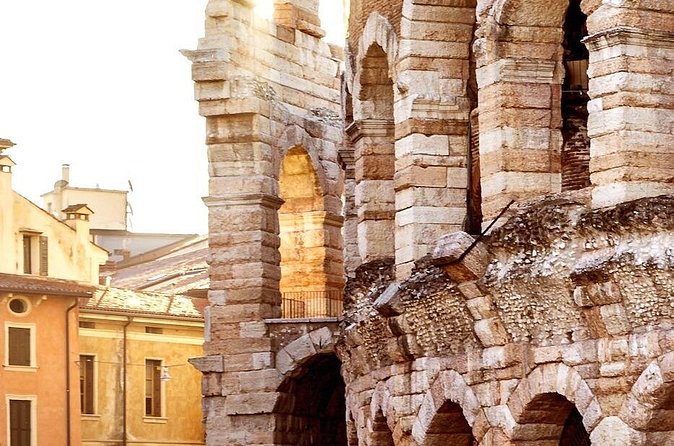
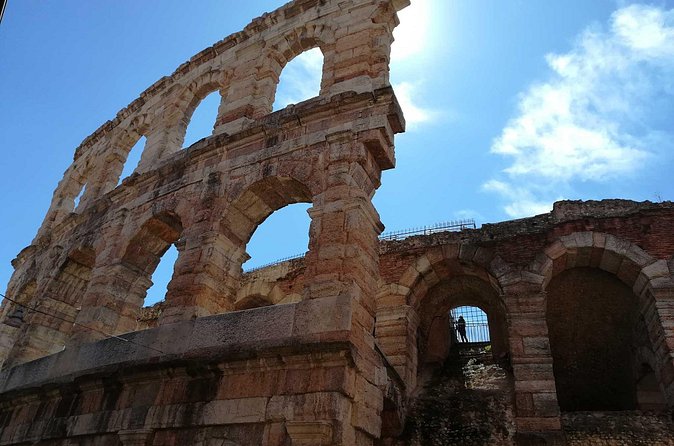
After you launch from Porta Nuova’s area, you move toward Piazza Bra and then the Arena Square zone. This is where Verona “introduces itself.” It’s also where you get an easy sense of scale—why the Arena dominates the view—and how the surrounding streets funnel you deeper into the city.
Even if you’ve seen photos of the Arena before, standing close is a different feeling. This part of the tour is good for orienting your eye: you learn what to notice in front of you instead of just walking past big stones and assuming you’ll remember later.
A practical advantage here: if you’re arriving from a different part of town, starting by the Arena corridor means you can orient first, then continue. Your navigation brain doesn’t have to work as hard.
San Nicolò all’Arena and Piazza Nogara: small steps that change the mood
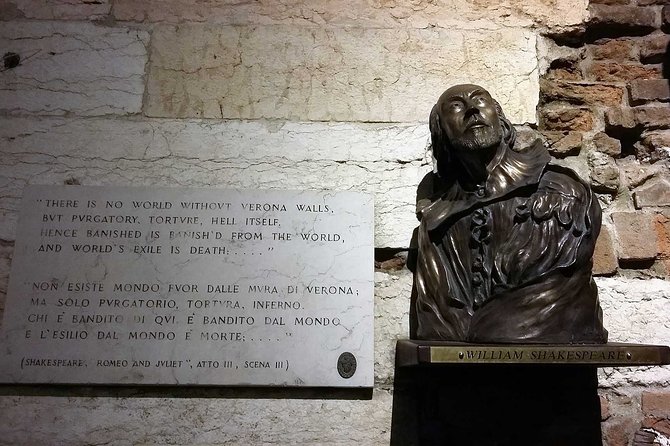
Next you pass San Nicolò all’Arena. This stop is less about spectacle and more about texture—how buildings sit in their context, and how Verona’s layers show up on sidewalks and façades. I like that the narration doesn’t just point at the obvious; it helps you look at details while you’re still moving.
From there you head to Piazza Nogara. Squares like this are where Verona shifts from landmark photography to real street-life pacing. If you like walking while people-watching, this stretch is where the city starts to feel lived-in rather than staged.
This is also a good zone to slow down for a drink. With the pause control, you can take a breather without restarting your whole plan.



Juliet’s House: the romance spotlight, managed without a ticket rush
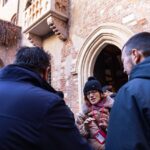
Then comes Juliet’s House. Even if you’re not obsessed with the story, it’s one of the places people want to stand in front of during a first Verona visit. The audio helps you make sense of the setting, and it also keeps you from treating the area like a checklist item.
A practical consideration: the tour does not include tickets or entrance fees to attractions along the route. So if you want inside time at Juliet’s House, you’d need to handle that separately. The audio walk still does a lot for the experience even if you just enjoy the exterior area and the surrounding streetscape.
If you’re traveling in warmer months, remember shade matters. Use the stop-start controls to time yourself for the sunnier or shadier moments.
Piazza Erbe and Piazza dei Signori: the social heart of Verona
After Juliet’s area, you reach Piazza Erbe. This square is one of Verona’s best places to feel the city’s rhythm. The audio helps you notice why it’s a magnet for people: it’s not only pretty, it’s functional—a meeting point, a stage for daily life.
Then you move to Piazza dei Signori. This is the “power and civic identity” side of Verona. You’ll likely pick up architectural cues and symbolism without needing to be a scholar. For me, this is where an audio guide shines: it points out what your eye might skip while you’re busy looking for the next photo.
If you’re someone who likes to eat while you walk, this is a great mid-route payoff. You can drift into a café, pause the narration, and come back when you’re ready.
Santa Maria Antica and Romeo’s House: story landmarks with street-level context
You’ll pass Santa Maria Antica. I like this stop because it’s a reminder that Verona is more than just romance. Places like this tend to reward attention to structure and setting, and the audio helps frame what you’re seeing as you move between streets.
Then you reach Romeo’s House. Same idea as Juliet: even if you don’t plan to go inside, it’s a key stop for the story geography of Verona. The narration keeps it from feeling like a random detour by connecting the site to the route you’ve already walked.
Because tickets aren’t included, plan your approach. If you want interiors, you’ll likely need to budget time and separate entry costs. If you’re mainly here for the walk and the context, you’ll still get a lot from the outside views and the guided pacing.
Santa Anastasia Church and the Ponte Pietra stop
Next is Santa Anastasia Church. This is another “look longer” stop. Even without going inside, you can get a sense of why this area pulls visitors in—its scale, its presence on the street, and the way the surrounding route makes you slow down.
After that, the tour stops briefly on Ponte Pietra. Bridges can be tricky in audio tours: either they get skipped or they become a boring “here’s a bridge” moment. This one works better because it’s placed at the right stage of the walk, when you’re already in sightseeing mode and ready to appreciate the view and the direction of the river.
Use this as your reset point. If you want a photo that includes the right angles, Ponte Pietra is where you can take two minutes, pause the audio, and be glad you did.
Porta Borsari and the finish at Arena di Verona
Finally, you pass Porta Borsari and work your way to the end near the Arena. The tour ends back at Arena di Verona (P.za Bra, 1, 37121 Verona VR, Italy), basically returning you to the original big landmark zone—just from a different angle.
I like loops like this because you don’t feel trapped. You can finish and immediately reconnect with the central walking streets. And if you decide you want more time at a sight you enjoyed most, you’re already back where you can easily continue on foot.
Also, because this is a private tour/activity, it’s just your group on the route. That matters less than it would on a guided group tour, but it still changes the vibe: you’re not waiting for anyone else’s pace.
What you’ll like most on this walk
The best part of this kind of tour is the match between structure and freedom. You get a clear path and narration that keeps you oriented, but you’re not forced to move at someone else’s speed.
The most praised strengths that show up in the experience:
- Directions that are easy to follow, so you’re not stuck guessing at intersections
- Stop-and-start control, which makes coffee, snacks, and toilet breaks painless
- A Verona-native voice, which tends to feel grounded in the real city rather than generic facts
- More than only headline sights, with stops that add texture beyond the most famous names
- Working even with rain, where pacing and audio guidance prevent the walk from turning into chaos
I also appreciate the “walking at your own pace” style. Verona is full of little delays—one street corner turns into a photo session, a café smells too good to ignore, and suddenly you’ve added 20 minutes. This tour is built for that.
A fair drawback: audio tours can break your flow if tech misbehaves
Audio is great—until it isn’t. If your phone battery dies, headphones fail, or the app has trouble loading, you’ll lose the advantage quickly. That’s why I’d treat this as a day plan, not a last-minute afterthought.
Another small consideration: audio doesn’t replace in-person clarification. In a few moments, you might not immediately understand what you’re being directed to look at if you’re moving fast. Slow down for a minute at each stop, check the map step, and then let the narration sink in.
If you’re someone who hates phones outdoors, this might feel like too much screen time. But for most independent walkers, the “no group schedule” benefit is worth it.
Who this self-guided Verona audio tour is best for
This is a strong fit if you:
- Want a quick, organized orientation to central Verona
- Prefer walking without group timing and without strangers in your space
- Enjoy story-driven sightseeing, but also want architecture and practical context
- Travel with a flexible schedule and want the ability to pause often
It’s also a decent choice if you’re doing Verona for the first time and want to see the major Romeo-and-Juliet landmarks and the major squares in one loop. And since it’s in English, it’s easy to run day-to-day without translation gymnastics.
If you’re traveling with kids, you’ll need to decide whether they’ll enjoy listening on walks. Some kids love the story part; others just want the playground and gelato. The pause control helps either way.
Should you book this Verona audio tour?
If you want a simple, affordable way to walk Verona independently, I’d book it. The price is reasonable, the route covers major sights and key squares in a logical order, and the offline access is a big deal in a city where your signal may not be consistent.
I’d especially choose this if you like control: pause when you want, linger when you see something cool, and move on when you’re ready. It’s also good when you don’t want to buy tickets for every stop just to understand what you’re looking at.
But if you’re worried about phone reliability, or you hate managing tech while walking, then it might stress you out. In that case, consider going with a traditional guided approach instead.
For most people doing Verona on foot, this one is a smart way to get real value out of a short window in the city.
FAQ
How long is the Verona self-guided audio tour?
It takes about 1 hour to 1 hour 15 minutes on average.
Where does the tour start and end?
It starts at I Portoni della Bra (Corso Porta Nuova, 2, 37122 Verona VR, Italy) and ends back at Arena di Verona / Arena Square (P.za Bra, 1, 37121 Verona VR, Italy).
Is the tour available offline?
Yes. The tour includes offline access to audio, maps, and geodata.
What language is the narration in?
The tour is offered in English.
What’s included, and do I need my own phone and headphones?
Included is the VoiceMap app access plus lifetime access to the English tour and offline capabilities. The smartphone and headphones are not included, so you’ll need to bring your own.
Are tickets to attractions included?
No. Tickets or entrance fees to museums or other attractions are not included.
Can I cancel for a refund?
Yes, free cancellation is offered. You can cancel up to 24 hours in advance for a full refund.