REVIEW · VERONA
Verona: Gelato Making Class
Book on GetYourGuide →Operated by Ways Tours | B Corp company · Bookable on GetYourGuide
Gelato lessons beat another walk through the old streets. In Verona, this 2-hour cooking class takes you from fresh fruit to finished gelato and sorbet in a stylish vintage kitchen, led in English by a local chef. You’ll meet near the Ristori Theatre, then head to the cooking school for hands-on work, not just watching.
Two things I really like here: you get solid gelato fundamentals (made from scratch, with a real process), and the class ends with a proper tasting of what you made. Names you’ll hear from the staff include Laura, Sylvia, Christina, and Max, and the tone stays friendly and calm even when kids are full of motion.
One consideration: it’s not suitable for wheelchair users, and parts of the space may be tough for reduced mobility. Also, this is kid-friendly, but underage guests must be with an adult.
In This Review
- Key Highlights Worth Planning For
- Where You Start: Ristori Theatre to a Vintage Cooking School
- The 2-Hour Flow: From Fruit Prep to Finished Glasses
- 1) Get settled, apron on, and start with the basics
- 2) Fresh fruit sorbet work in the real kitchen
- 3) Gelato mixes in the machine between recipes
- 4) Portion into glasses and enjoy what you made
- Chef Instruction That Keeps It Calm (Even With Kids)
- Gelato Fundamentals You Can Actually Use at Home
- The recipe book: your take-home advantage
- Toppings: Where Verona’s Dessert Creativity Shows Up
- Diet Notes: What You Can Request in Advance
- Price and Value: Is $74.02 Worth It?
- Best Fit: Who This Verona Gelato Class Works For
- Families with kids
- Solo travelers who like structured fun
- Couples and friends who want a shared project
- Home cooks who want repeatable methods
- A Few Practical Considerations Before You Go
- Should You Book This Verona Gelato Making Class?
- FAQ
- How long is the Verona Gelato Making Class?
- Where do I meet for the class?
- Is the class taught in English?
- What’s included in the price?
- Is hotel pickup or drop-off included?
- Is this class suitable for kids?
- Are there restrictions on dietary needs or allergies?
Key Highlights Worth Planning For
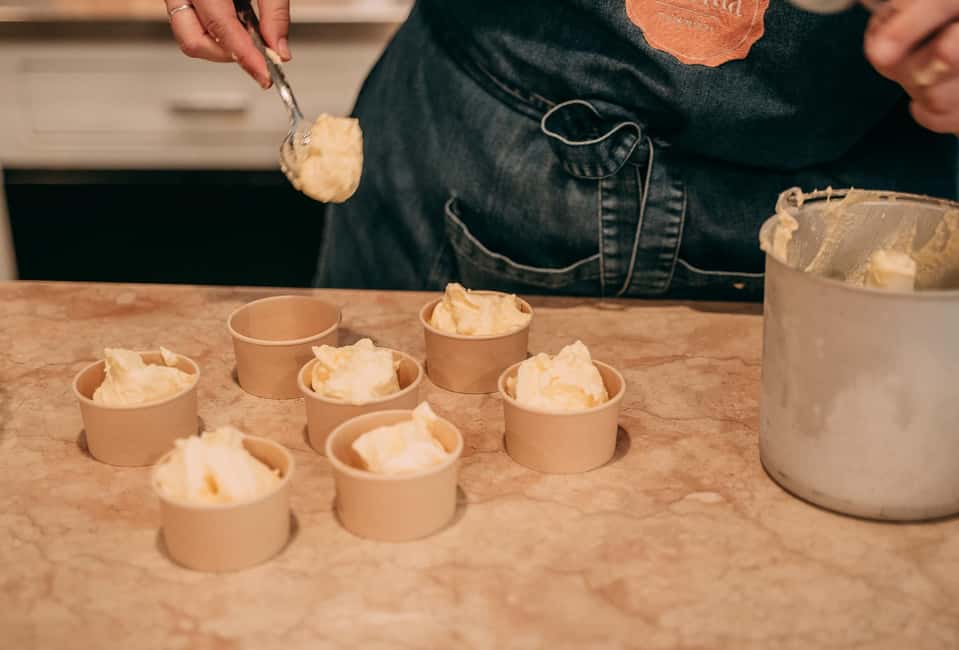
- Fresh fruit sorbet and handmade gelato made step-by-step, not pre-mixed
- Chef-led instruction in English, with clear guidance for beginners and curious cooks
- A vintage-style cooking school in the city center (a real change of pace from sightseeing)
- Recipe book included, so you can take your notes home and repeat the process
- Topping experiments that go beyond the usual sprinkles, including surprising pairings
- Small, working-at-your-station feel, which helps you stay involved in the making
Where You Start: Ristori Theatre to a Vintage Cooking School
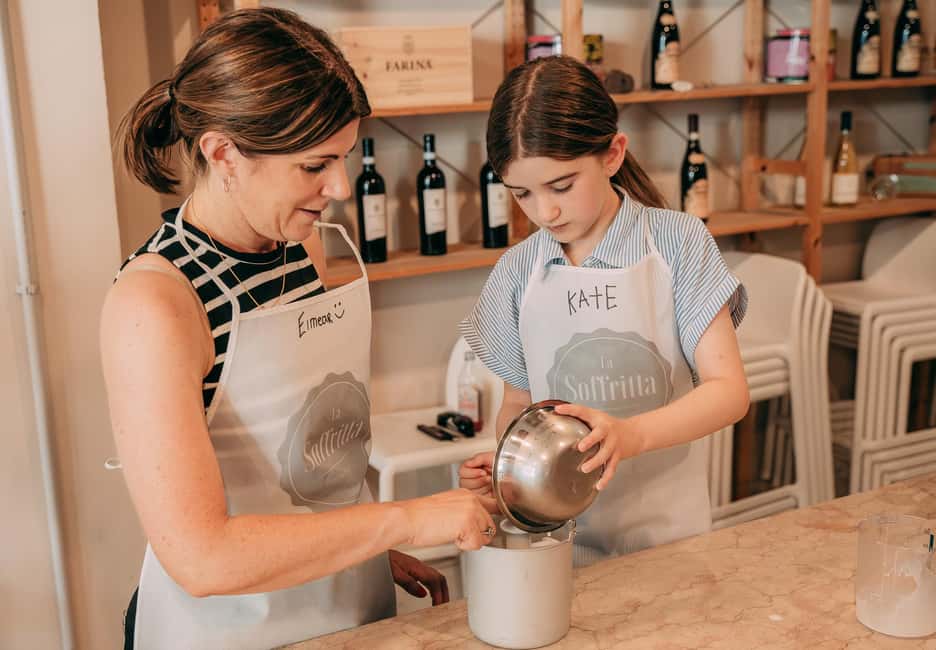
This class has a simple rhythm. You begin in Verona’s city center at the Ristori Theatre entrance. Your guide will be holding a yellow sign that says TOUR, and you’ll meet up there before walking to the cooking school.
I like this setup because it turns meeting-point stress into something easy. You’re not hunting a random side street with a dead-end elevator situation. You just show up at the theatre, then follow the group.
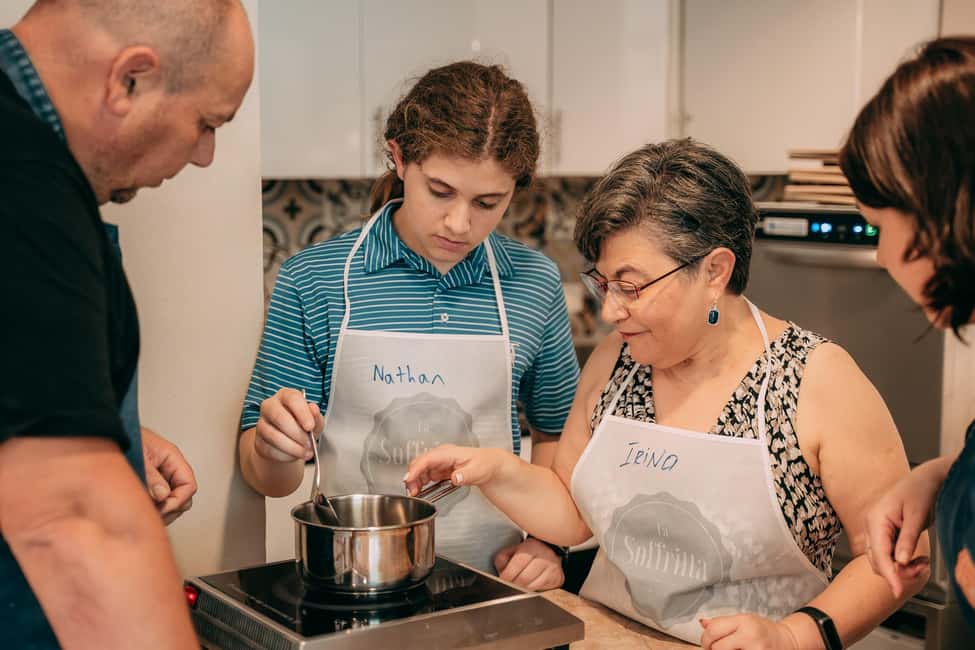
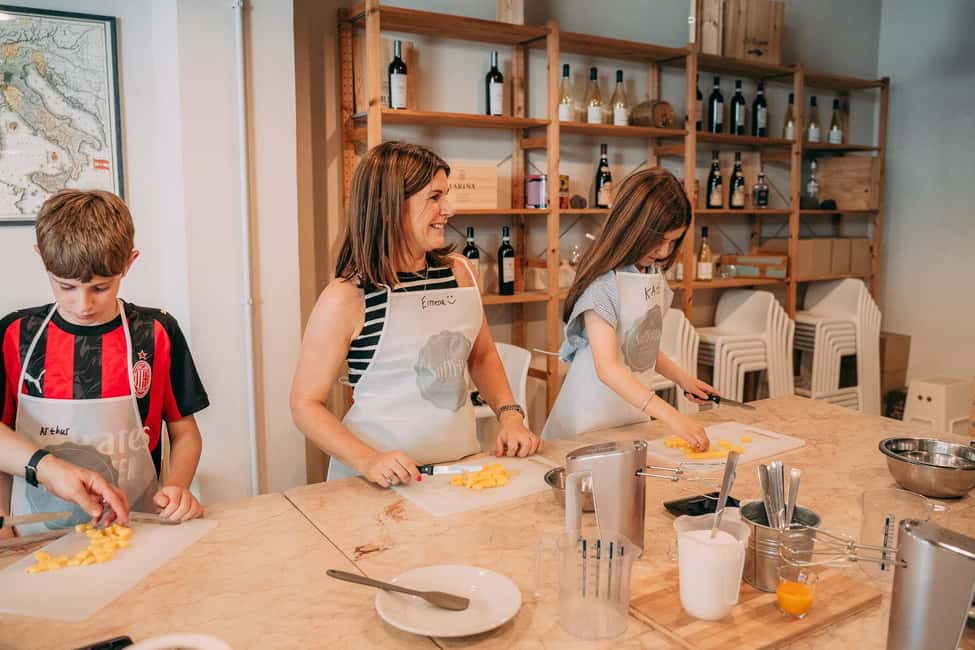
Once you reach the cooking school, the vibe shifts fast. It feels like a purpose-built space for learning: aprons ready, tools laid out, and a layout that supports hands-on teamwork. The “vintage” part matters more than it sounds. It’s the kind of environment that makes a cooking class feel like an experience, not a rushed demo.
You can also read our reviews of more tours and experiences in Verona.



The 2-Hour Flow: From Fruit Prep to Finished Glasses
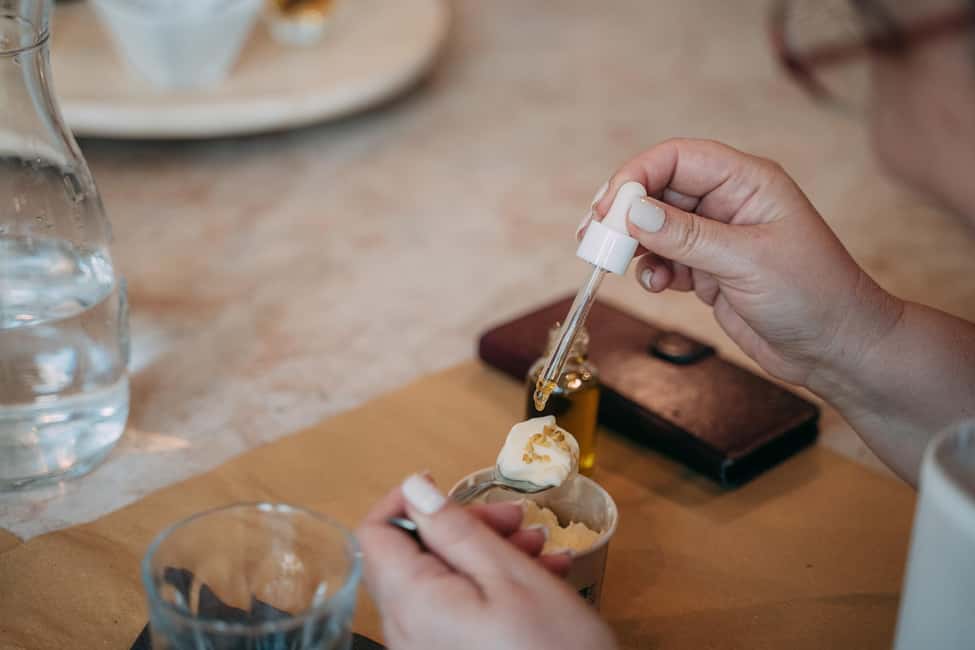
This is a tight class. In about two hours, you’re making gelato and sorbet, plus tasting and learning how to recreate it later.
Here’s the typical flow you should expect:
1) Get settled, apron on, and start with the basics
After you meet the chef, you’ll get comfortable at your station. You’ll put on your apron and begin with the day’s plan. The chefs pace things well for mixed ages, and they explain what’s happening as ingredients move from prep into the gelato machine.
2) Fresh fruit sorbet work in the real kitchen
One of the core wins is that you’re not stuck with just “gelato, gelato, gelato.” You’ll also make fruit sorbet, with fresh fruit prep led by the chef. This is where you learn the idea of balance: sweetness, flavor intensity, and how texture changes when it freezes.
The chef’s guidance tends to stay practical. The goal isn’t to turn you into an ice-cream scientist. It’s to help you understand what to watch for so your homemade batches don’t fall flat at home.
3) Gelato mixes in the machine between recipes
As you work through the menu, ingredients get mixed in the gelato machine between the different steps. That pacing is smart for two reasons:
- You stay busy instead of waiting around.
- You see how timing affects texture.
In several class experiences, people ended up making multiple gelato flavors (including classics like Panna plus flavors such as strawberry pineapple, Greek yogurt, chocolate, and coffee). You won’t just taste a single spoonful and call it a day—you’ll build at least a few varieties and learn the approach that links them.




4) Portion into glasses and enjoy what you made
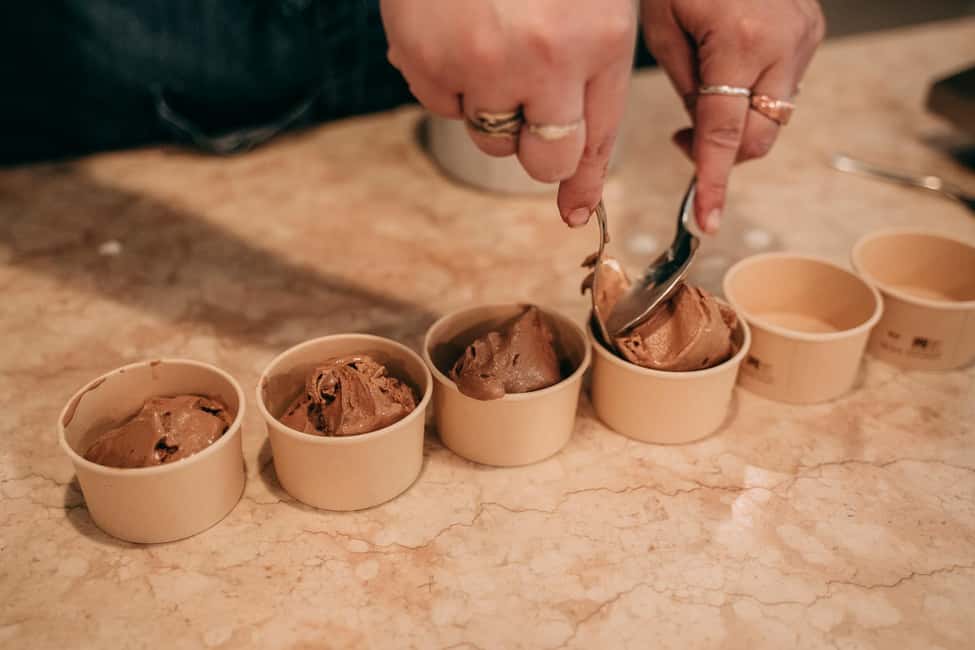
When everything is ready, you portion the desserts into glasses and enjoy them with the rest of the group. This matters because it turns the class from a craft session into a real outcome. You leave with something you can point to and say: I did this.
Chef Instruction That Keeps It Calm (Even With Kids)
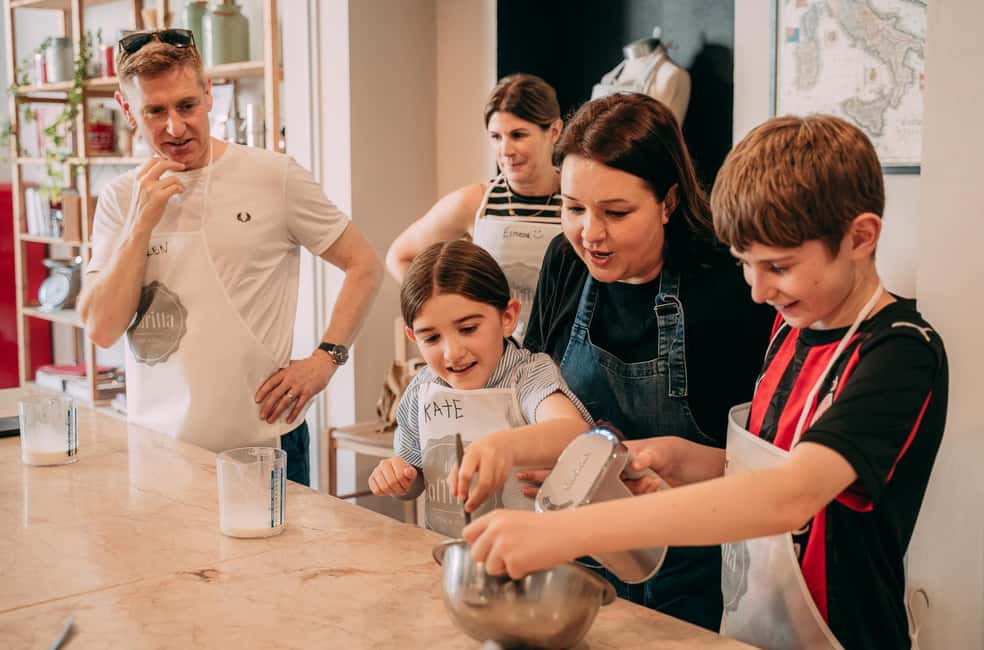
A lot of cooking classes are either too formal or too chaotic. This one aims for the middle—friendly, patient, and structured.
The most consistent praise centers on how well the team handled children. Notes from people who brought active young boys highlight how the instructors stayed calm and reassuring while still keeping the learning hands-on. Names that come up include Laura and Sylvia, with Christina also credited for a steady, relaxed approach, even with energetic kids.
That’s a big deal if you’re traveling with children. You want them involved, not babysat. And you want adults to feel confident they’re learning something, not just being dragged along.
Gelato Fundamentals You Can Actually Use at Home
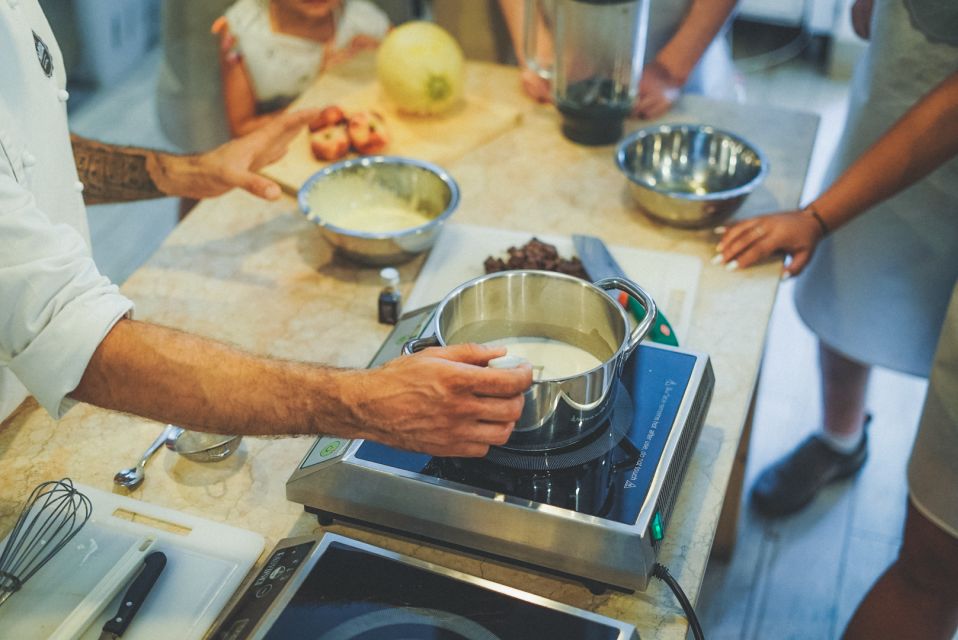
Here’s the part I think you’ll care about most: what you learn should be usable.
This class is designed to teach the fundamentals behind Italian gelato and sorbet. One chef example described sorbet flavors changing with the seasons, while the fundamentals stay consistent. That’s a smart message for you as a home cook: learn the method and ratios, then swap fruits and flavors based on what’s good where you live.
It also helps that the ingredients are presented in a way that stays easy to understand. Multiple people liked that the ingredient list feels straightforward and visible—so you’re not trying to guess what’s in the base once you’re back in your kitchen.
The recipe book: your take-home advantage
You get a recipe book and you’ll even be prompted to write tips as you go. That small detail changes the value of the class. Instead of relying on memory, you leave with notes that match your actual workflow and the day’s techniques.
Toppings: Where Verona’s Dessert Creativity Shows Up
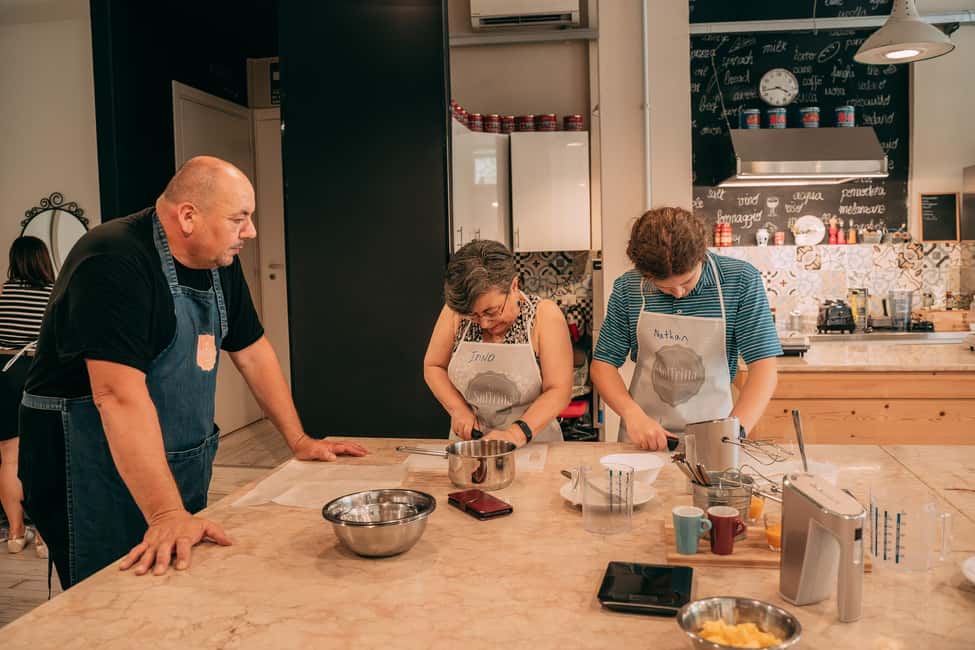
Gelato tastes great on its own. But the topping bar is where this class gets memorable.
The most praised part of the tasting isn’t just the flavors—it’s the pairing ideas. You might try toppings like:
- hazelnuts and biscotti
- olive oil
- balsamic vinegar
- red wine reduction
- salt and pepper-style accents (including pepper notes described with toppings)
- red wine reduction paired with Panna, called out as a favorite
- honey and other local-style options
A key lesson here is that gelato is flexible. You start thinking like a dessert maker, not a shopper. Instead of buying whatever is pre-made in a case, you begin building combinations.
If you’re the type who likes food with a little twist, this is fun. If you’re more traditional, you’ll still get something out of it because the class explains which pairings make sense and why.
Diet Notes: What You Can Request in Advance
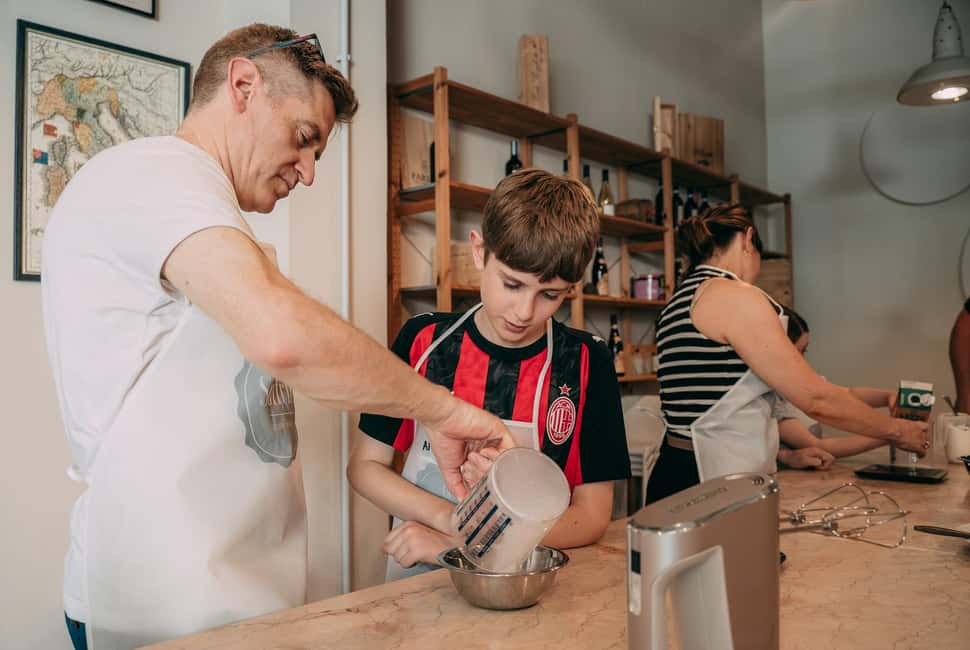
You don’t need to be an expert baker to benefit from this class, but you do need to plan if you have food restrictions.
The activity notes that you should give advance notice if you have special needs, including food intolerance or allergies. The provider will do their best to accommodate you.
One example from an experience shared here included gluten-free catering handled carefully. That’s encouraging if you’re gluten-free or managing another requirement, but the takeaway for you is simple: message ahead with specifics, since accommodations depend on what you need and what the kitchen can prepare safely.
Price and Value: Is $74.02 Worth It?
At $74.02 per person for a 2-hour class, this isn’t a budget add-on. But it can be worth it—especially if you treat it like a hands-on workshop rather than a dessert snack.
Here’s why it can feel like good value:
- You get a chef-led experience with ingredients included.
- You make gelato and fruit sorbet yourself, not just taste.
- You leave with a recipe book, plus practical notes you write during the class.
- Tastings and topping experiments are built into the experience.
In other words, you’re paying for time, instruction, and ingredients—not just for ice cream. If you enjoy cooking or you want a meaningful family activity, the price tends to make sense.
If you’re only looking for a quick gelato fix, you’ll find cheaper options in Verona. But if you want a story you can repeat later at home, this class earns its cost.
Best Fit: Who This Verona Gelato Class Works For
This works for a wide range of people, but it shines for these groups:
Families with kids
The class is described as kid-friendly, and the staff are praised for keeping things calm and organized. If you bring kids, this is a rare activity where children can genuinely participate instead of just watching.
Just remember: pets aren’t allowed, and underage guests must be accompanied by an adult.
Solo travelers who like structured fun
There’s a clear social benefit here. One solo experience described meeting others and working in a small setup, which made the class feel like both learning and conversation.
Couples and friends who want a shared project
If you like doing something together—especially something that ends with dessert—you’ll probably have a good time. The hands-on style keeps everyone engaged.
Home cooks who want repeatable methods
The notes, recipe book, and process-based teaching make it easier to recreate the gelato approach later. You won’t just memorize flavors; you’ll learn what’s going on in the base and how the steps connect.
A Few Practical Considerations Before You Go
A couple things to keep in mind so expectations match reality:
- English instruction: The instructor teaches in English, so it’s built for English speakers.
- No hotel pickup: You’ll make your own way to the meeting point near Ristori Theatre. The class ends back at the meeting point.
- Mobility limits: Not suitable for wheelchair users, and some parts may be difficult for reduced mobility. If that’s you, contact the provider for details.
- Minimum group size: The class requires at least 2 participants, so check availability for your dates.
None of these are deal-breakers, but they affect how smoothly your day will run.
Should You Book This Verona Gelato Making Class?
I’d book it if you want an authentic Italian food experience that’s hands-on, family-friendly, and actually teaches you something you can repeat at home. The standout strengths are the calm, supportive coaching, the mix of gelato plus fruit sorbet, and the way the topping tasting turns dessert into a creative lesson.
Skip it only if you’re looking for a cheap, low-effort gelato stop or if mobility/access needs won’t work for the space. Also, if you already make ice cream often and expect advanced technique, you might find it more beginner-to-intermediate than technical.
If you’re in Verona for a short trip and you want one activity that’s both fun and practical, this gelato class is an easy yes.
FAQ
How long is the Verona Gelato Making Class?
The class lasts 2 hours.
Where do I meet for the class?
Meet your guide in front of the Ristori Theatre entrance. The guide will be holding a yellow sign with TOUR written on it.
Is the class taught in English?
Yes. The instructor teaches in English.
What’s included in the price?
The experience includes a professional chef, ingredients, use of an apron, gelato, and a recipe book.
Is hotel pickup or drop-off included?
No. Hotel pickup and drop-off are not included.
Is this class suitable for kids?
It is kid-friendly. However, underage guests must be accompanied by an adult.
Are there restrictions on dietary needs or allergies?
You should give advance notice about special needs, including food intolerance or allergies. The provider will do their best to accommodate you.