REVIEW · VERONA
Verona: Pasta & Tiramisu Cooking Class at a Local’s Home
Book on GetYourGuide →Operated by Cesarine · Bookable on GetYourGuide
Fresh pasta, made by your own hands.
This Verona class is a small-group, at-home way to learn real Italian techniques for sfoglia and tiramisu, not a scripted restaurant meal. I especially love the hands-on pace and the way you sit down to eat what you make, with wine and coffee included. One thing to consider: it takes place in a private home, and you only get the full address after booking.
The best part is the structure: you warm up with an Italian aperitivo, then roll pasta, then learn a proper tiramisu method. I also like that the class keeps the group tight (up to 12), so your instructor can actually show details and check your work. A possible drawback for some: it’s not suitable for wheelchair users.
In Verona, this is the kind of experience that feels personal. In particular, instructors like Michela and Adele are described as kind, hands-on, and happy to help you figure it out at a comfortable pace. If you want a quick photo stop, this is not that kind of evening.
In This Review
- Key highlights you’ll care about
- Why a Cesarine home kitchen beats a quick food stop
- The 3-hour rhythm: aperitivo, pasta work, then tiramisu
- Rolling sfoglia by hand: the skill that makes everything else easier
- Your pasta lesson: two iconic shapes you’ll actually taste
- Tiramisu: a dessert lesson that doesn’t feel intimidating
- Aperitivo and wine: the meal is part of the lesson
- Instructor style: why small groups matter in a home kitchen
- Price and value: what you’re really paying for
- Who should book this Verona cooking class
- Practical tips that make your evening smoother
- Should you book this cooking class in Verona?
- FAQ
- Where does the class take place?
- How long is the cooking class?
- What’s the group size?
- What dishes will I learn to make?
- Is an aperitivo included?
- What drinks are included?
- What language is the instructor?
- Is the experience suitable for wheelchair users?
- Will I taste what I cook?
- What if my plans change?
Key highlights you’ll care about
- Small-group class (max 12) in a local’s home, with practical teaching
- Roll fresh pasta sfoglia by hand, from scratch
- Make 2 iconic pasta types plus the tiramisu finale
- Aperitivo included: prosecco and nibbles, plus coffee and wine
- Tasting everything you make for a real lunch or dinner
- Instruction in English and Italian
Why a Cesarine home kitchen beats a quick food stop
If you’ve ever tasted pasta in Italy and wondered how it actually comes together, this format answers that question. Instead of watching from the sidelines, you’re in the work zone: mixing, rolling, shaping, and learning what “right” looks and feels like.
I like that it’s organized around fundamentals. You start with sfoglia—fresh pasta dough—and then you apply that base to two classic pasta choices. You’ll finish with tiramisu, which adds a dessert skill that many people only know from eating it, not making it.
The home setting also changes the vibe. You’re not fighting through a dining room crowd. You’re in someone’s kitchen, sharing a table, with the instructor and other small-group participants.
You can also read our reviews of more tours and experiences in Verona.



The 3-hour rhythm: aperitivo, pasta work, then tiramisu
This experience runs about 3 hours. The timing is built around cooking reality: pasta dough needs time, and tiramisu benefits from setting.
Here’s the flow you can expect:
- You begin with an Italian aperitivo (prosecco plus nibbles) to get everyone relaxed and ready.
- Then you learn to roll fresh pasta sfoglia by hand.
- After that, you make two iconic pasta dishes from scratch with your instructor.
- Finally, you make tiramisu, taste everything, and enjoy the meal with included drinks.
One small but meaningful detail: one instructor’s approach includes starting tiramisu early so it has time to set. That’s exactly the kind of lesson that makes a class feel well paced, not rushed.
Rolling sfoglia by hand: the skill that makes everything else easier
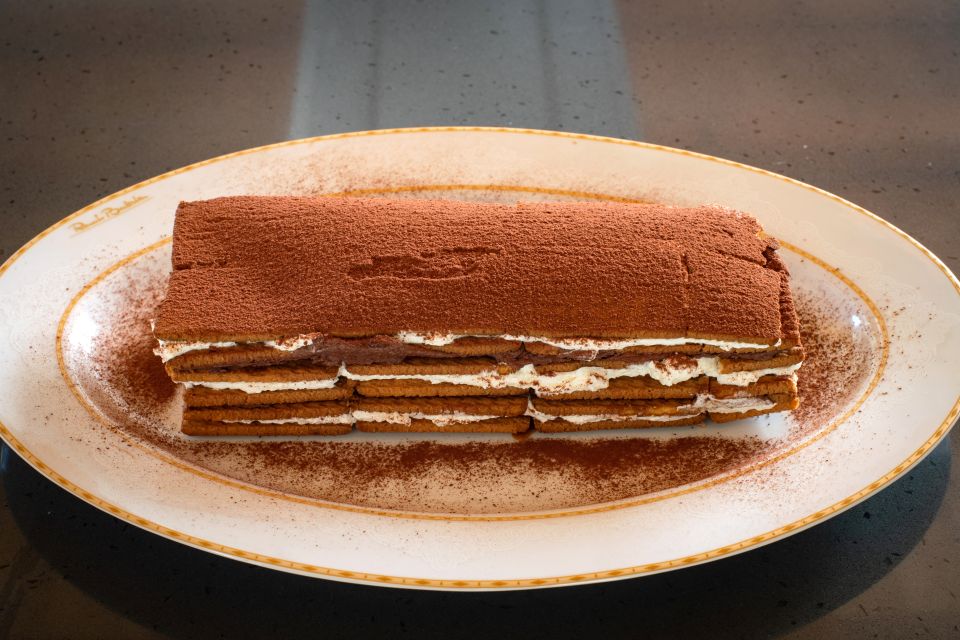
Fresh pasta is one of those things where the technique matters more than the ingredients. The lesson focuses on learning how to roll sfoglia by hand, which is the real foundation for whatever shapes you make next.
You’ll get instruction from a host/instructor who teaches in English and Italian. That bilingual support matters, especially when you’re learning textures and thickness rather than just memorizing steps.
In your hands, you’ll notice the dough changes as it’s worked. If you’re waiting for a magic trick, you won’t find one. What you get instead is a repeatable way to aim for the right feel before you move on to shaping.
Your pasta lesson: two iconic shapes you’ll actually taste
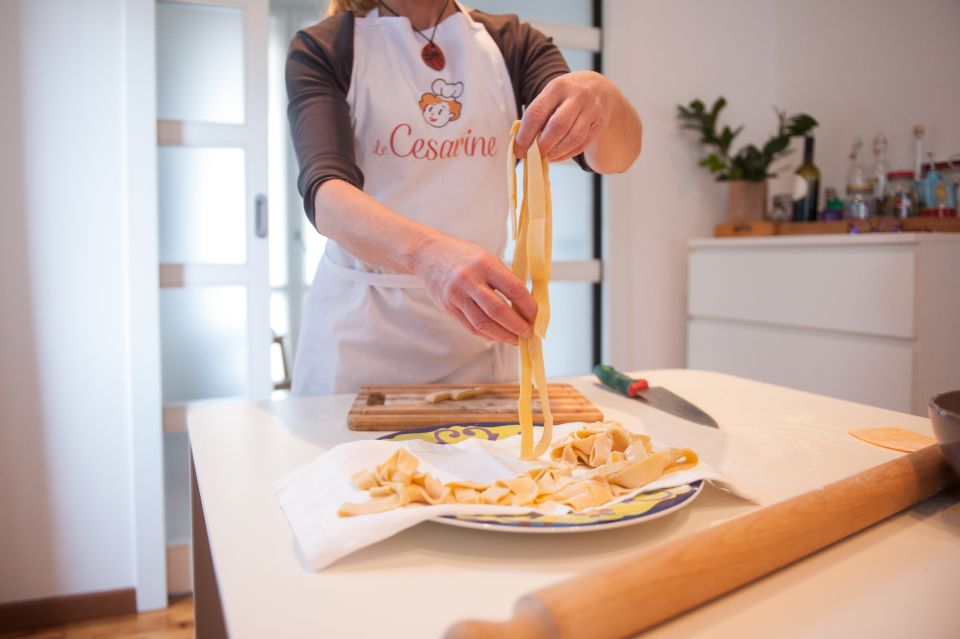
This class teaches you two pasta types. The listing keeps it general, but the vibe is consistent: you learn how to make the dough and then apply it to two recognizable, Italian classics.
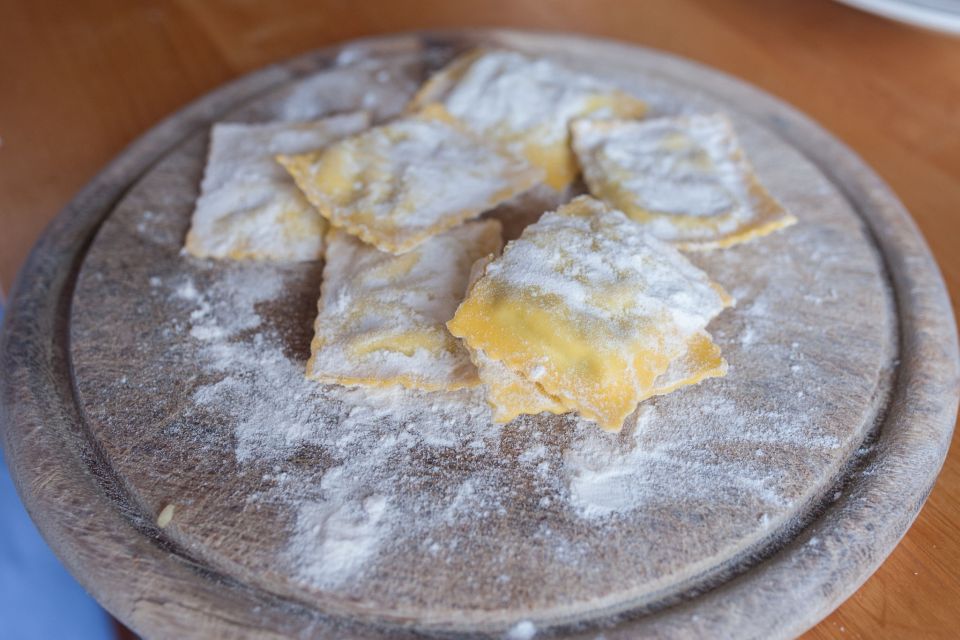
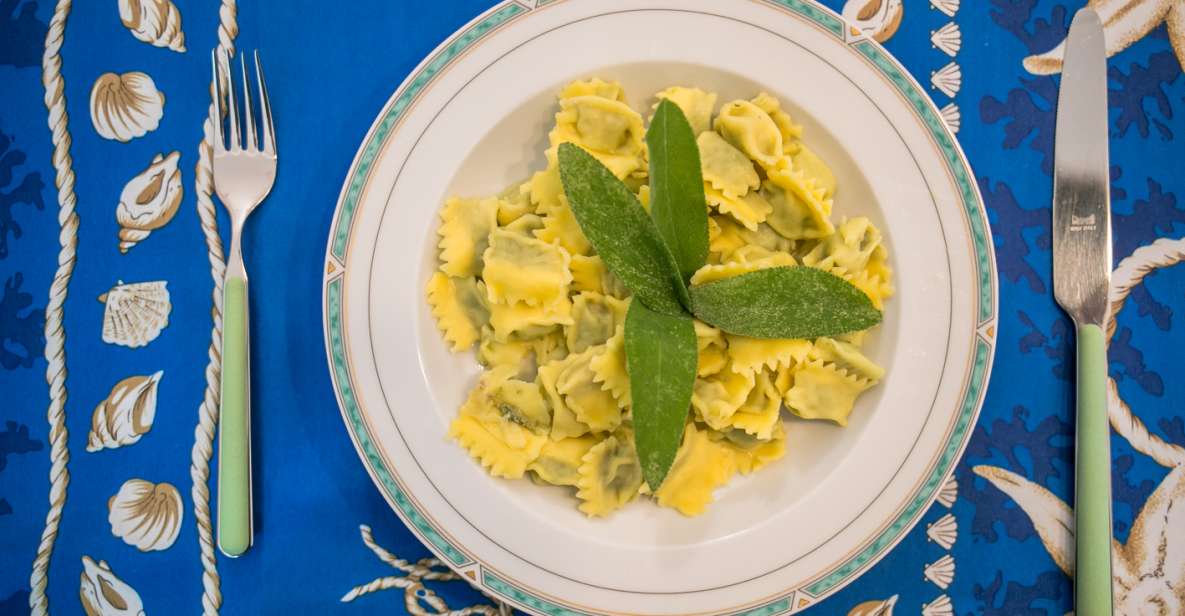
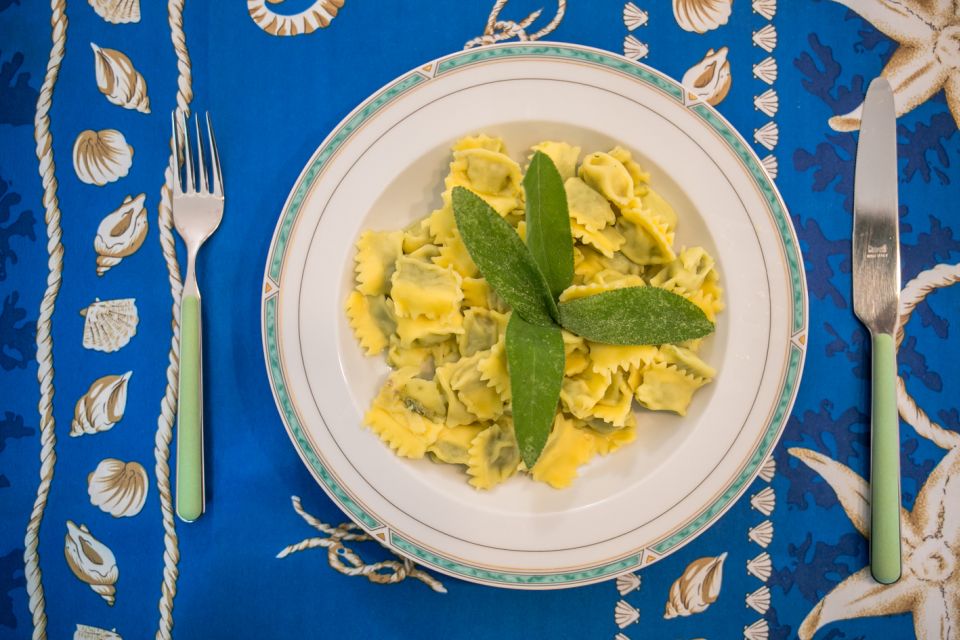
One review specifically mentions ravioli and taghatelle being made during a lesson. Another mentions making ravioli alongside tagliatelle/taghatelle-style pasta, then finishing with tiramisu. That lines up with what you’d expect from a hands-on class focused on famous shapes: you practice both filled pasta and rolled pasta.
Why this matters for you: it’s not just one “starter” dish. It’s breadth. You’ll leave knowing how two different pasta styles behave, how they’re shaped, and what changes when you fill versus roll.
Also, you’re not stuck eating only one thing. The experience includes tasting of the two pasta recipes and the tiramisu, so you can compare what you made to what you remember from meals in Verona.
Tiramisu: a dessert lesson that doesn’t feel intimidating
Tiramisu often looks complicated, but it’s mostly about method and timing. In this class, you learn to make the iconic tiramisu and then taste it at the end as part of your meal.
A key practical point: in at least one described lesson, the instructor guided guests to make tiramisu at the beginning so it would be ready by serving time. That’s a smart workflow, and it’s exactly why cooking classes work better than trying at home without a plan.
You’ll also benefit from being taught in a group. If something seems off—texture, consistency, or assembly—you can ask and get a quick fix in real time. It’s one of the best ways to build confidence, especially if tiramisu is on your list of “I’ll do this someday.”




Aperitivo and wine: the meal is part of the lesson
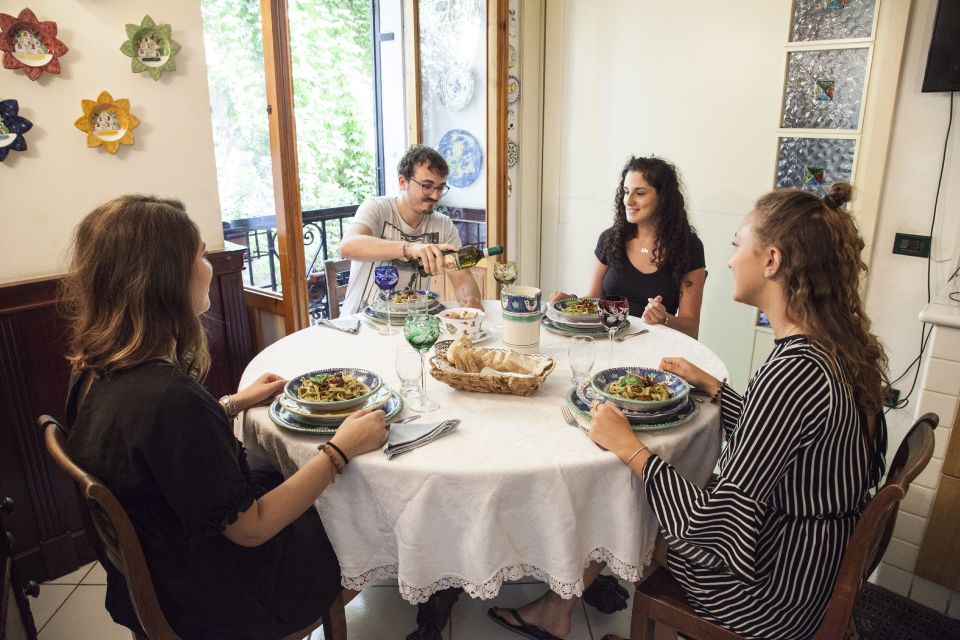
The class isn’t just cooking at a counter. You eat what you make. Drinks are included too, which keeps the evening feeling like an actual Italian table moment.
Included beverages include water, wines, and coffee. You also start with an Italian aperitivo featuring prosecco and nibbles. That warm-up matters more than it sounds: it sets a social tone, so people settle in before the flour starts flying.
If you’re the type who likes to learn but also enjoys a comfortable meal, this is a strong match. You’re not rushing to “finish the class” so you can go find dinner elsewhere.
Instructor style: why small groups matter in a home kitchen
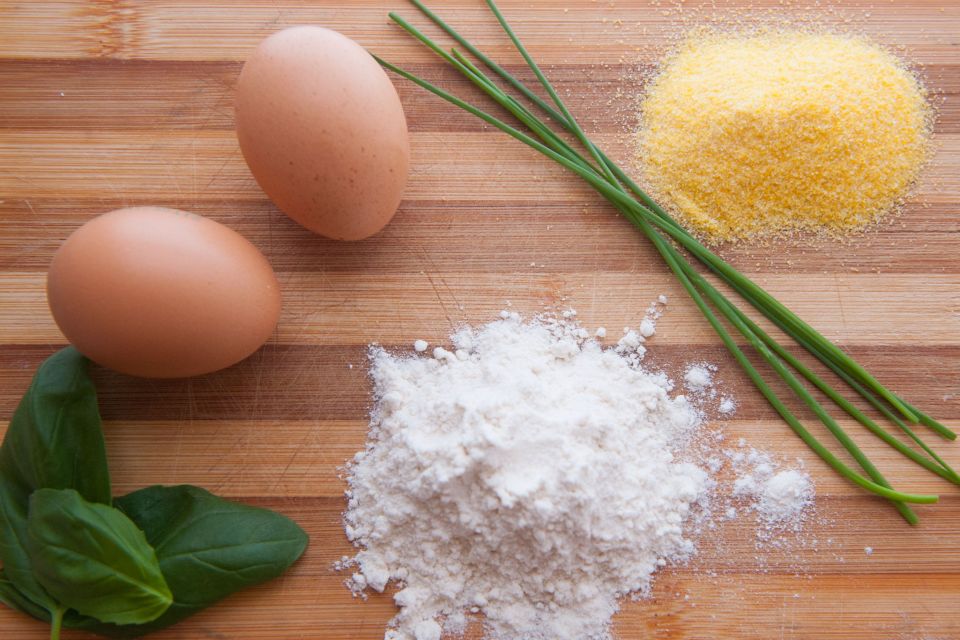
This experience caps at 12 people, which is a big deal in a home cooking setup. It means the instructor can circulate and correct details without turning everything into a lecture.
Two named instructors show up in the feedback: Michela and Adele. Both are described as generous, kind, and deeply engaged. That’s not fluff—when people teach this way, you feel less like you’re following steps and more like you’re learning a skill.
There’s also a note about family-friendliness from one described experience: the instructor made the lesson suitable for kids. That doesn’t mean every session will be kid-focused, but it does suggest the hosts know how to adapt when the group includes younger participants.
If you want a lively, friendly atmosphere where you can ask questions, a small group is one of the best signals here.
Price and value: what you’re really paying for
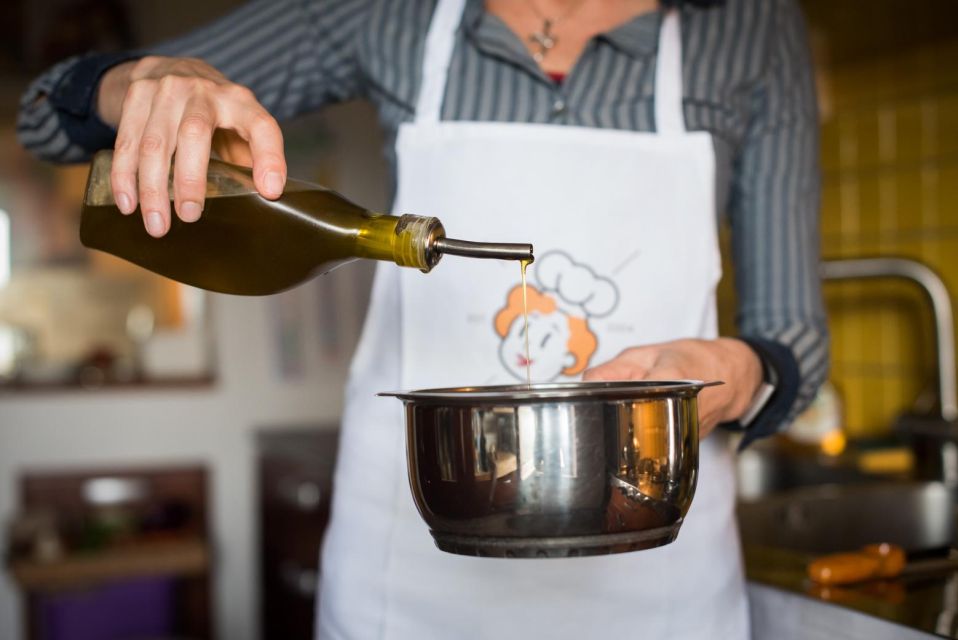
At $152.93 per person, this class is priced like an experience, not like a supermarket cooking demo. The value comes from several bundled parts.
You get:
- 3 hours with hands-on instruction
- Aperitivo (prosecco plus nibbles)
- Multiple dishes made from scratch: two pasta recipes plus tiramisu
- Tasting of what you cook
- Wine, water, and coffee
- Local taxes included
When you compare that to typical alternatives, the numbers start to make sense. A guided meal in a restaurant gives you food and a setting. This gives you skills you can repeat later—plus you’re not guessing how to recreate sfoglia, ravioli, or tiramisu methods.
Is it expensive? Compared to cooking at home with ingredients from a market, yes. But compared to paying for a solo class, a private instructor, and a full sit-down meal experience, it sits in a reasonable middle. In short: you’re paying for an evening with instruction and included dining, in a real home kitchen.
Who should book this Verona cooking class
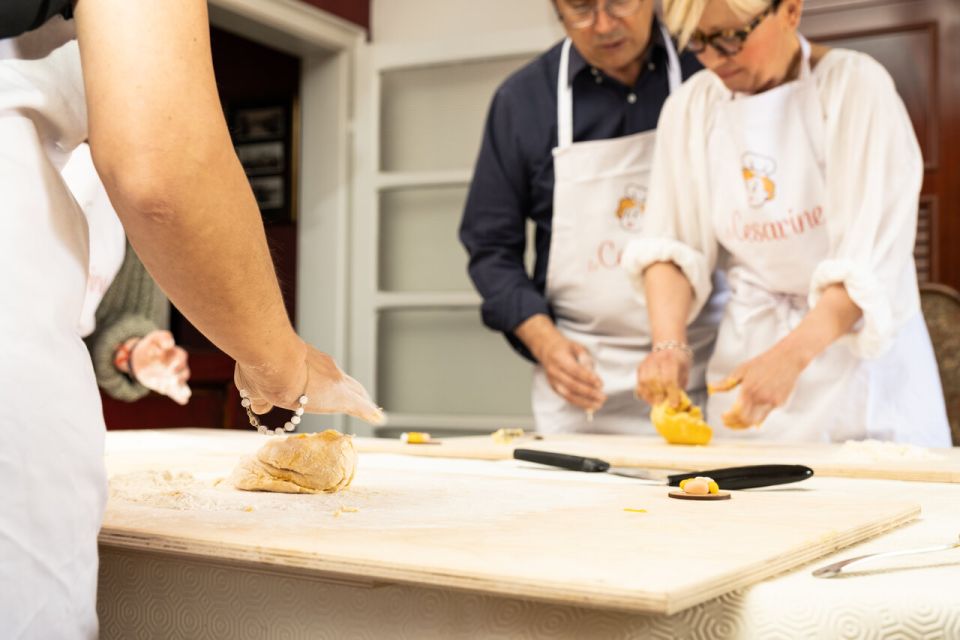
You’ll probably be happiest here if you fit one of these categories:
- You love Italian food and want to understand the “how,” not just the “what.”
- You prefer small-group experiences over big tours.
- You want a social meal, but one where you’re active, not passive.
- You’re comfortable with a home setting and don’t mind that it’s not a wheelchair-accessible venue.
It’s also a smart choice if you’re traveling with friends and want something memorable that’s not another museum stop. The class naturally creates conversation because everyone is working on the same dough and asking similar questions.
If you’re someone who needs complete mobility accessibility, note that it’s listed as not suitable for wheelchair users. In that case, you’ll want to look for a different activity.
Practical tips that make your evening smoother
A few common-sense things will help you get the most out of a cooking class like this, even when details vary by home kitchen.
First, plan for a hands-on session. That usually means dressing for comfort and movement. You might also want to bring your curiosity more than your confidence—fresh pasta is easier once you’re shown what to aim for.
Second, remember the address is withheld until after booking. That’s normal for privacy in home-based experiences, and it means you should double-check your message once you confirm.
Finally, keep your energy for the full 3 hours. The class is paced so you roll, cook, and then sit down to taste. If you’re rushing off to another event right after, you’ll miss part of what you paid for.
Should you book this cooking class in Verona?
I’d book it if you want a Verona experience with real “learn something” value. The combination of sfoglia by hand, making two iconic pasta dishes, and finishing with tiramisu, all with prosecco, wine, and coffee included, makes it feel like one complete evening instead of a snack-and-a-show.
Skip it if you’re chasing speed, accessibility, or a strictly sightseeing-based plan. And if you’re only interested in eating—no desire to cook—then a restaurant meal might suit you better.
But if you like the idea of going home able to make fresh pasta and tiramisu (not just ordering them), this is a strong pick.
FAQ
Where does the class take place?
It’s held in a local’s home in Verona. For privacy reasons, you only receive the full address after you book.
How long is the cooking class?
The experience lasts about 3 hours.
What’s the group size?
It’s a small group with a maximum of 12 people.
What dishes will I learn to make?
You’ll learn to roll fresh pasta dough (sfoglia) by hand, make 2 iconic pasta types, and make tiramisu.
Is an aperitivo included?
Yes. You get an Italian aperitivo with prosecco and nibbles.
What drinks are included?
Beverages included are water, wines, and coffee.
What language is the instructor?
The instructor teaches in Italian and English.
Is the experience suitable for wheelchair users?
No, it’s not suitable for wheelchair users.
Will I taste what I cook?
Yes. The experience includes tasting of the 2 pasta recipes and the tiramisu.
What if my plans change?
You can cancel up to 24 hours in advance for a full refund. You can also reserve now and pay later.