REVIEW · VERONA
Verona: Prosecco and Pasta Making Class at a Local’s Home
Book on GetYourGuide →Operated by Cesarine · Bookable on GetYourGuide
Pasta lessons at a real home. That’s the pull here: a hands-on Verona-area cooking class led by a Cesarina (certified home cook), where you learn three local pasta recipes and eat what you make right at the table. The setting feels personal, not scripted like a tour kitchen.
I especially like two parts of the experience. First, the teaching is patient and practical, with hosts like Michela/Michaela called out for walking you through the process step-by-step. Second, you’re not just cooking then leaving—everything you prepare gets shared with wine, so the meal has a natural flow and a great payoff.
One thing to consider: you’ll start at a private host home, and the exact address is shared after booking, so you’ll want to arrive on time and be ready to ring the doorbell. If you have dietary needs, plan on requesting them ahead so the menu and ingredients can be adjusted smoothly.
In This Review
- Key highlights worth your time
- Why this Verona pasta class feels more local than a restaurant meal
- Entering a Cesarina home: what the first 20 minutes usually feel like
- The 3-hour flow: how you go from ingredients to finished dishes
- Three regional pasta recipes: what you’ll learn with your hands
- The table experience: tasting everything with local wine
- Price and value: is $112.15 per person fair for a private home class?
- Dietary needs: vegetarian, vegan, gluten-free, and more
- When to go: 10:00 AM vs 5:00 PM, and who this suits best
- Small practical tips so you enjoy it more
- Should you book this Verona Prosecco and Pasta Making class?
Key highlights worth your time
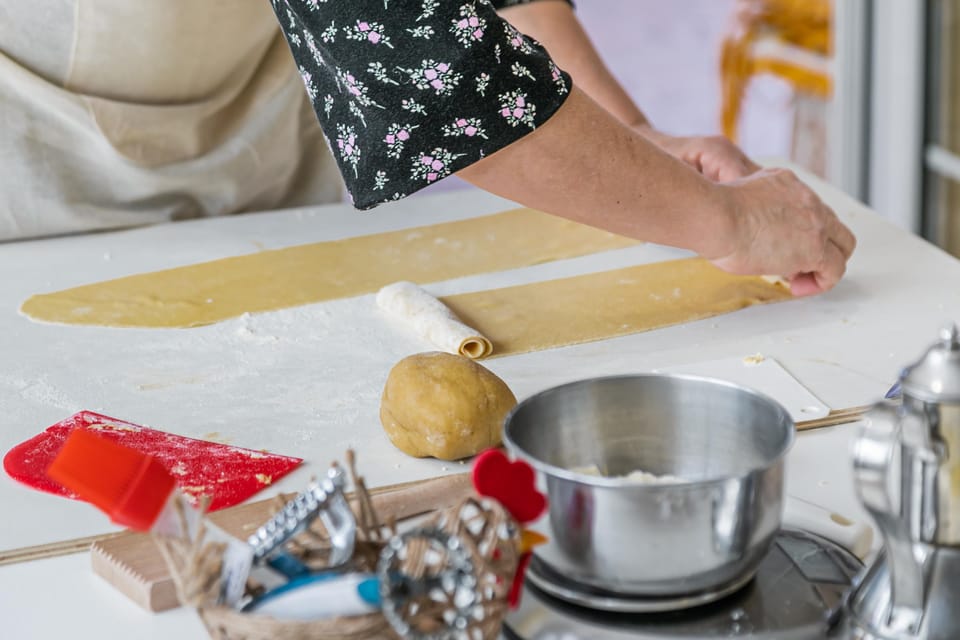
- A Cesarina home setting: cook at a real Italian house, not a classroom.
- Three regional recipes in one 3-hour session: you get variety without feeling rushed.
- Taste everything you make: lunch becomes part of the lesson, with wine at the table.
- Wine pairing included: red and white local wines (plus coffee).
- Dietary flexibility on request: including gluten-free care when arranged in advance.
Why this Verona pasta class feels more local than a restaurant meal
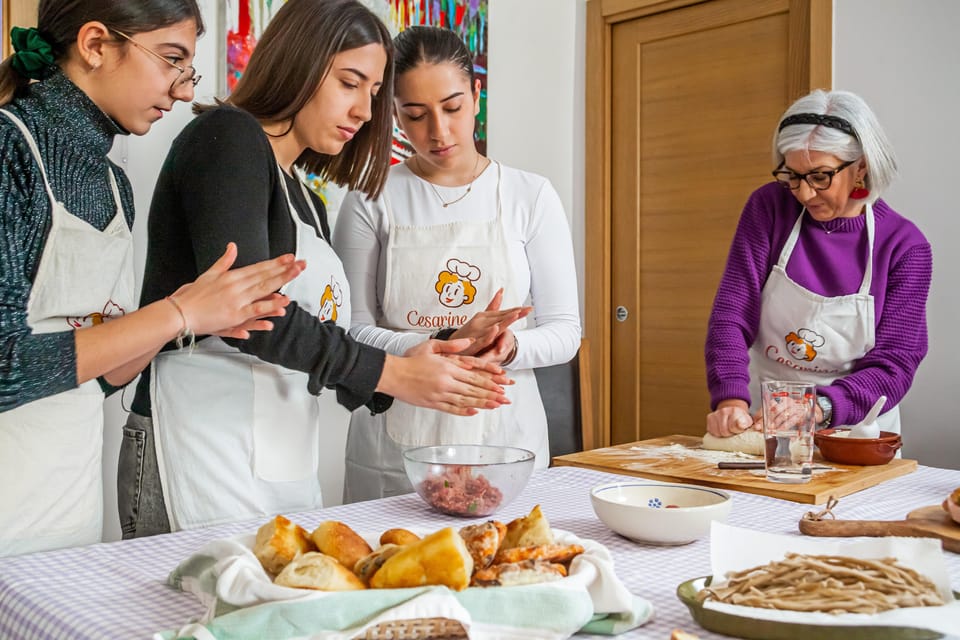
Verona is full of great food, but this experience hits a different sweet spot. You get the “how” behind the dishes, not just a plate in front of you. In a Cesarina home, the kitchen rhythm is familiar in an Italian way: ingredients laid out, stations set up for working, and conversation that’s part of the cooking.
What makes it feel especially authentic is the class style. You learn from a certified home cook, and the focus is on regional recipes—three of them—taught with the kinds of choices that families make every day. It’s less about impressing strangers and more about getting pasta right in your own hands.
And yes, you’ll eat. That matters more than people expect. When tasting is built into the schedule, the lesson becomes a full experience, not a quick demo you forget by dinner.
You can also read our reviews of more tours and experiences in Verona.
Entering a Cesarina home: what the first 20 minutes usually feel like
Your “meeting point” is the host home. When you arrive, you ring the doorbell, and your Cesarina welcomes you for a private Italian food experience. After you book, customer care contacts you by email with the host’s full address and mobile number—helpful if you’re arriving by taxi or you want to double-check the route.
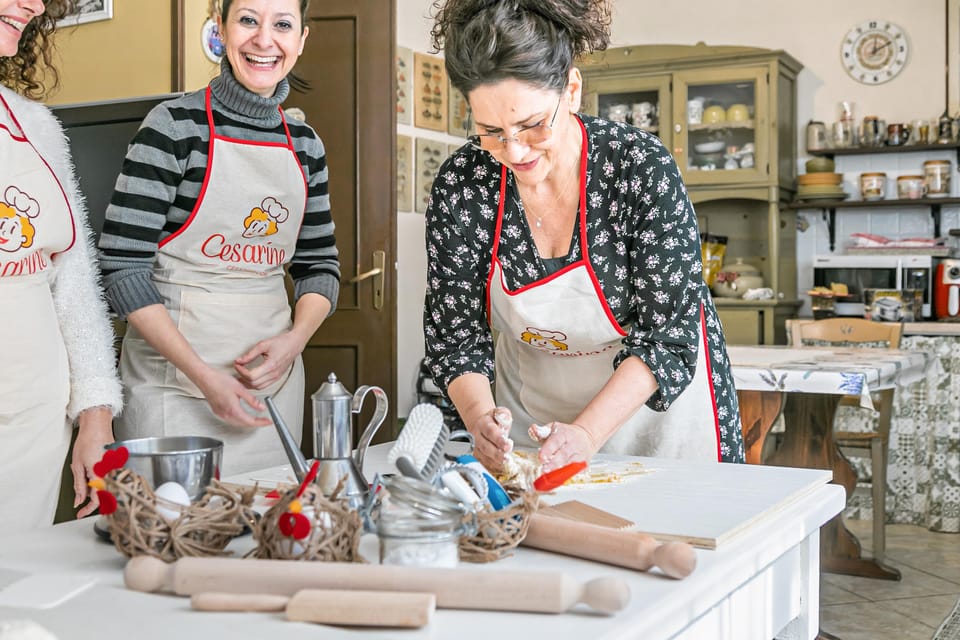
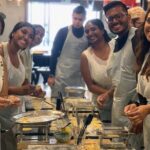
Once you’re inside, the class setup keeps things efficient. Each participant has a workstation with utensils and the ingredients you need to make the dishes. That’s a smart detail for two reasons. You’re not waiting around for someone else to finish prep, and you don’t spend the whole time translating your way through a kitchen you don’t understand.
Expect an English-and-Italian instruction rhythm. The lesson is led by an instructor who speaks both languages, which is a big deal if your Italian is basic or if you want to ask practical questions without guessing.
The 3-hour flow: how you go from ingredients to finished dishes
This is a 3-hour class, usually offered around 10:00 AM or 5:00 PM, though start times can be flexible if you contact the supplier in advance for your travel schedule.
The structure is pretty straightforward, and that’s good. You’ll spend the time learning and cooking the three authentic regional pasta recipes, with the Cesarina showing you the tricks of the trade and then guiding you as you work. Because the ingredients and tools are already provided, you can focus on the technique instead of hunting for weird flour or the right pan size.
Here’s what the “lesson pacing” is likely to feel like:
- You start with a clear plan: which recipes you’ll make and what the steps should accomplish.
- You cook in a rotation at your station, following instructions as the dough and components come together.
- You taste along the way and then settle into the full shared meal after the cooking is done.
For a practical traveler, the big takeaway is this: you’re getting a full learning session without the stress of managing logistics. You show up, cook, taste, and leave fed.
Three regional pasta recipes: what you’ll learn with your hands
The class highlights three authentic regional pasta recipes from the area. The exact dishes aren’t listed in your details, so I can’t promise specific names on every run—but the outcome is consistent: you learn techniques and timing that make regional pasta taste like regional pasta.
In a pasta class like this, the most useful learning usually comes from small “trade” skills, like:
- How the dough should feel and behave as you shape it
- How to handle sauce and seasoning so the flavors balance
- How to time cooking so everything comes together for eating
The best part is that you’re doing it yourself at your workstation. Watching someone else make pasta is fun. Making it, even with coaching, is what turns it into something you can recreate later at home.
One more practical angle: dietary adjustments are part of the class planning when requested. In at least one reported experience, the host handled gluten-free needs and still managed a tasty gluten-free pasta and gnocchi outcome. That suggests the Cesarina approach isn’t just “swap one ingredient”—it’s about adapting the cooking process so the meal still feels complete.
The table experience: tasting everything with local wine
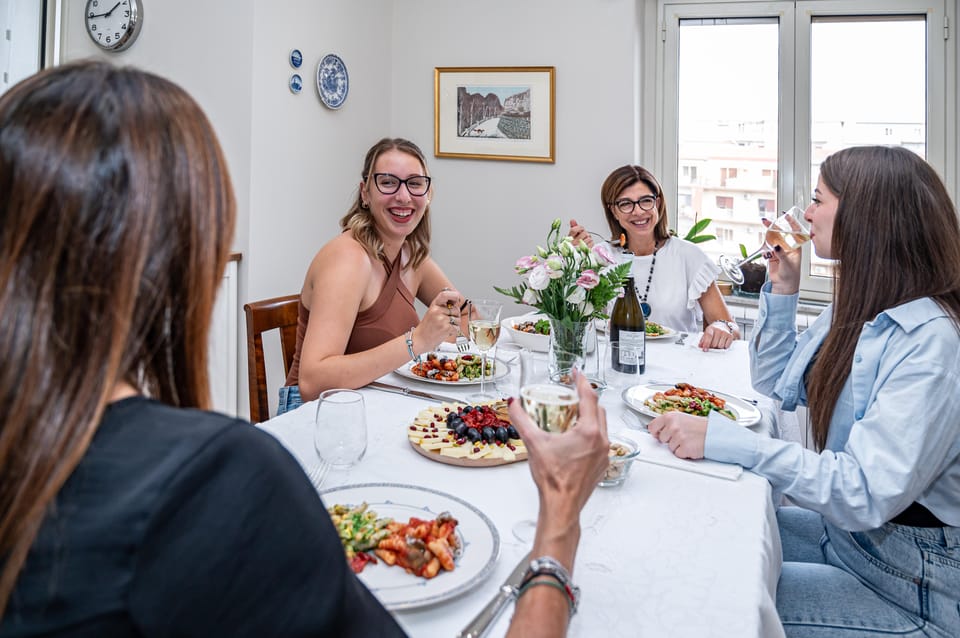
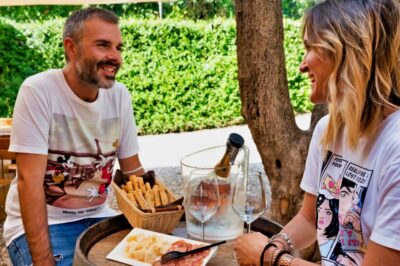
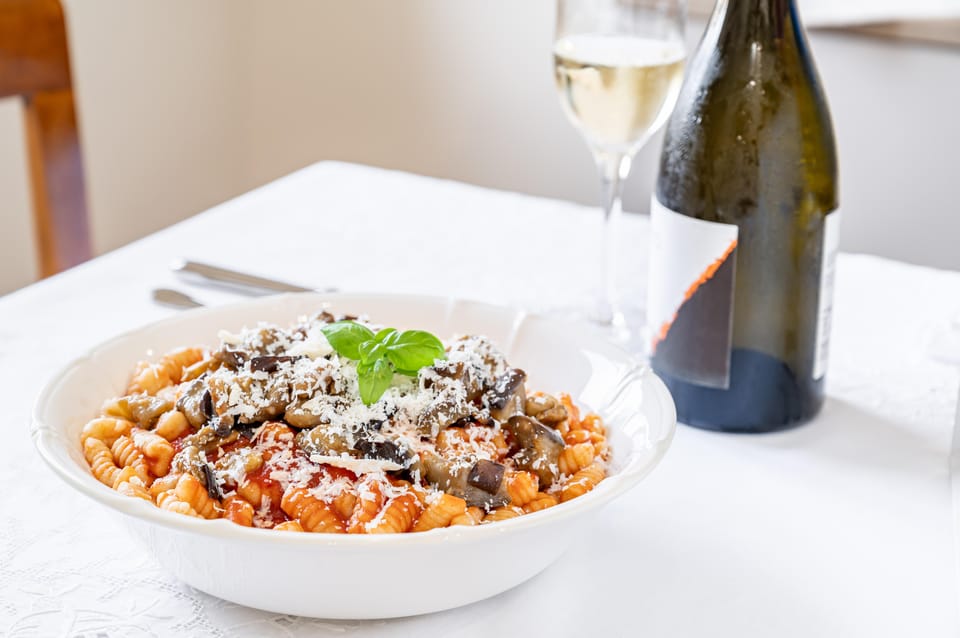
In many cooking classes, you get a small bite and then you’re out the door. Here, the tasting is built into the core experience. You’ll taste all three local pasta dishes you prepared, and your meal comes with beverages: water, local wines, and coffee.
The wine part is especially aligned with the region. You’ll have a selection of red and white local wines during your tasting. And the overall concept is Prosecco-forward, since the experience is branded around Prosecco and pasta flavors. Even if the exact pours vary, the point is consistent: the food is paired, not just consumed.
Why this works so well: pasta tastes different once you’re eating it as a full meal. Heat, texture, salt level, and sauce cling make sense in context. Sharing it at an actual home table also changes the vibe. It’s less like a performance and more like joining a family meal—conversation included.

Price and value: is $112.15 per person fair for a private home class?
At $112.15 per person for about 3 hours, this is not the cheapest food activity in Verona. But it’s also not a random ticket to a cooking demo.
Here’s what you’re paying for, in real terms:
- A private class in a certified home setting (Cesarina)
- Hands-on instruction while making three recipes
- Ingredients and utensils included at each workstation
- Full tasting of everything you cook
- Drinks included: water, wines, and coffee
When you compare that to a typical cooking class that only covers one dish or doesn’t include wine and a full tasting, the math starts to look better. The value also improves if you have dietary needs, because a good host will adapt the menu rather than handing you something bland and separate.
If you’re traveling as a couple, it can be one of those “money well spent” activities because it feels like both a date night and a skills lesson at once. If you’re solo, it still tends to be worth it when you want a structured local experience without the pressure of planning a multi-stop food day.
Dietary needs: vegetarian, vegan, gluten-free, and more
Good news: this experience can cater to all dietary requirements upon request, including vegetarian, vegan, and gluten-free. That doesn’t mean you should leave it to the last minute. If you know what you need, message the supplier early so they can plan ingredients and steps.
Why this matters: gluten-free pasta and gnocchi-style textures require more than a simple swap. In at least one account, a gluten-free guest had great results with a gluten-free pasta and gnocchi meal prepared by the host, which is exactly the kind of confidence you want when you’re booking.
If you’re flexible, ask how your menu will change. If you’re not flexible, be very direct about what you can and can’t eat. In a home kitchen, clarity helps the host do the best possible job.
When to go: 10:00 AM vs 5:00 PM, and who this suits best
This class typically begins at 10:00 AM or 5:00 PM, with flexibility if you coordinate in advance. Both times have their perks.
- Morning (around 10:00 AM): great if you want a full day in Verona afterward. You’ll have a full meal experience at the start, then you can pace the rest of your sightseeing.
- Late afternoon (around 5:00 PM): perfect if you prefer a slower start and want dinner to feel like it’s already handled. You’ll end back where you started, which makes planning simpler.
Who it’s best for:
- Couples who want a hands-on date that includes wine and conversation
- Families looking for something active and different from a museum day
- Food lovers who want practical skills you can repeat later
It also works if you’ve tried pasta before and want to learn what makes it work the Italian way. Even if you’re not a confident cook, the class format supports you at your own station.
Small practical tips so you enjoy it more
A few things will make your 3 hours smoother:
- Wear comfortable clothes. You’re working with dough and moving around a real kitchen.
- Come ready to cook and ask questions. The class is in English and Italian, so you can communicate and clarify as you go.
- If you’re bringing dietary needs, mention them clearly and early. The class can adapt, but advance notice helps a lot.
- Plan to arrive on time. Since the meeting point is a private address, being late can throw off the kitchen timing.
Also, don’t underestimate how much the included wine affects the vibe. It’s meant for the table tasting, not a separate nightlife stop. If you’re sensitive to alcohol, pace yourself with water too—water is included.
Should you book this Verona Prosecco and Pasta Making class?
I’d book it if you want a food experience with real participation. This is the kind of activity that gives you both a meal and a skill set. The home setting, the private Cesarina instruction, and the chance to taste everything you make make it feel like a true local event rather than a scripted attraction.
Skip it only if you’re looking for something with big landmark sightseeing built in, or if you need a class format that’s fully accessible without any private-home constraints. Also, if you hate the idea of starting at an address you’ll only get after booking, plan ahead so you feel comfortable finding the place.
If you want a fun, friendly, hands-on Verona moment—one with wine, three pasta recipes, and a table you actually sit down at—this is a strong choice.