REVIEW · VERONA
Verona: Traditional Balsamic Vinegar From Modena Tasting
Book on GetYourGuide →Operated by La Botteghetta La Bottega di Verona · Bookable on GetYourGuide
Black gold has a flavor test. In Verona, this 1-hour session teaches you how balsamic vinegar is made and how to compare IGP vs DOC as you taste multiple samples paired with food.
I love the way the host turns tasting into a real lesson. You’ll get standout food pairings (cheese, bread, fruit, and more) that show how vinegar changes with what’s on your plate, and the teaching is hands-on with someone like Natalie leading the session.
One thing to plan for: parking near the meeting point on Via Leoncino 31 can be annoying if you’re driving in from outside Verona. If you’re not staying nearby, give yourself extra time or use a different transport plan.
In This Review
- Key Things You’ll Enjoy Most
- Black Gold in Verona: What This Tasting Really Is
- Where You Start (Via Leoncino 31) and What That Means for Your Timing
- The 1-Hour Flow: How the Lesson Moves From History to Taste
- Learning the Difference: IGP vs DOC (And How That Changes the Bottle)
- What You Taste: Multiple Types of Balsamic, Not One Sad Pour
- The Pairings: Cheese, Bread, Fruit, and Meats That Make Sense
- Black Gold Explained: Why It’s Valuable (and Why That Shows in the Flavor)
- The Roman-Era Story: Why History Belongs at the Table
- Guide Quality Matters: Expect a Real Host, Not a Script
- What’s Included: Water and Pairing-Driven Tasting
- Price and Value: Is $53 for One Hour Worth It?
- Who This Works Best For (And Who Might Skip It)
- How to Get the Most From Your Tasting
- Should You Book This Verona Balsamic Vinegar Tasting?
- FAQ
- How long is the Verona balsamic vinegar tasting?
- Where is the meeting point?
- What languages are available?
- What will I taste during the experience?
- Is water included?
- Do they teach the difference between IGP and DOC?
- What does the tour cost?
- Is there a refund if I need to cancel?
- If I drive to the meeting point, is parking easy?
Key Things You’ll Enjoy Most
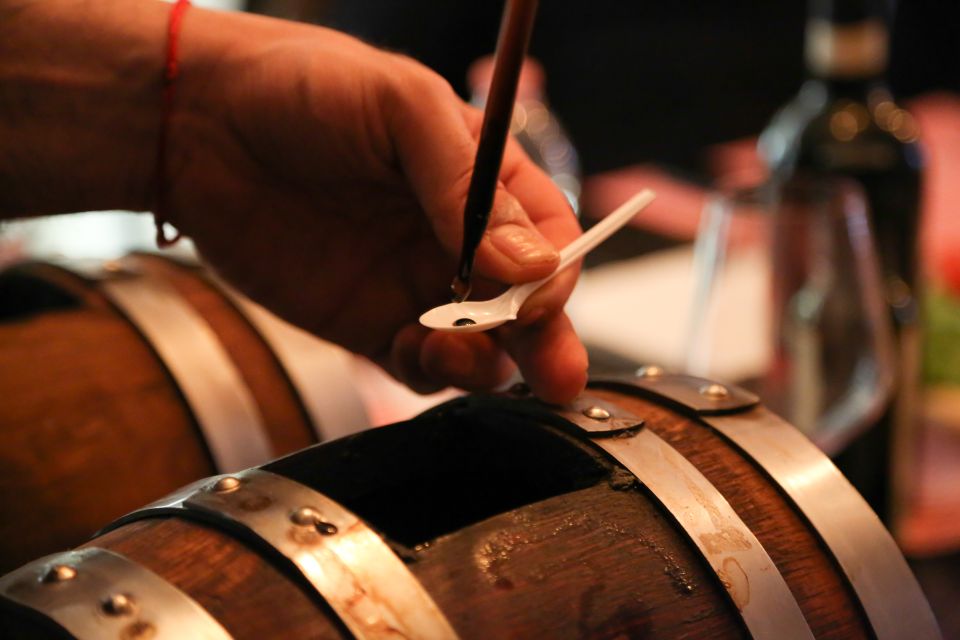
- IGP vs DOC tasting comparisons that you can actually taste, not just read about
- Multiple vinegar samples so you learn the differences through your palate
- Pairings with cheese, bread, fruit, and meats that make the vinegar feel practical, not precious
- A clear production and history story, from early roots through how today’s vinegar gets made
- A guide-led pacing that keeps a 1-hour experience moving at a good tempo
Black Gold in Verona: What This Tasting Really Is
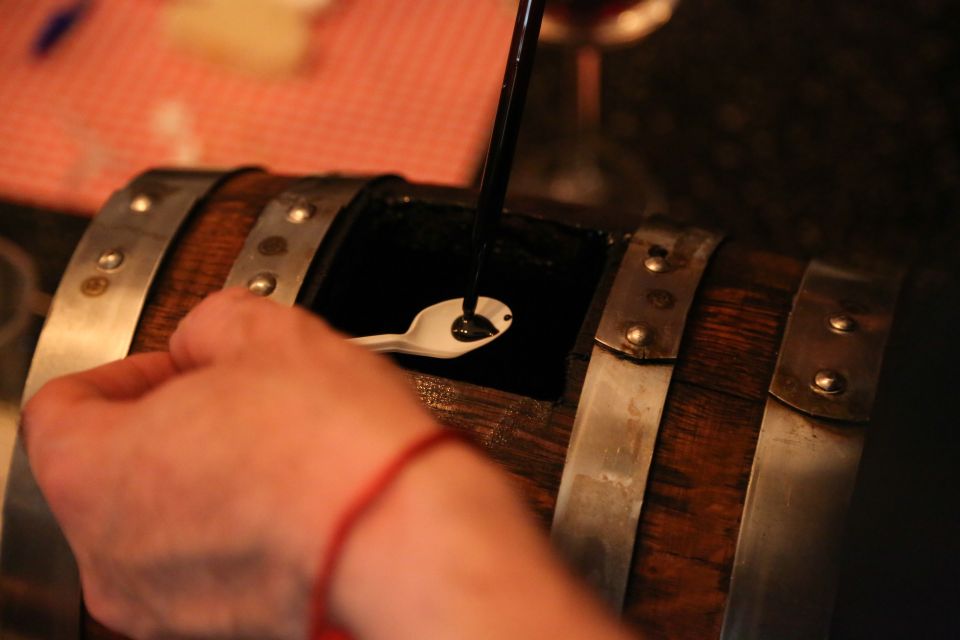
This experience focuses on one ingredient that Italians treat like a major deal: balsamic vinegar from Modena. It’s not just a pour-and-smile stop. It’s built to teach your palate how to notice differences, while also giving you the why behind the hype.
At 1 hour and about $53 per person, it’s a short, intense food lesson. You walk out with an upgraded sense of what to look for when you buy a bottle, and how to use it without turning your meal into a vinegar-only experiment.
You can also read our reviews of more tours and experiences in Verona.

Where You Start (Via Leoncino 31) and What That Means for Your Timing
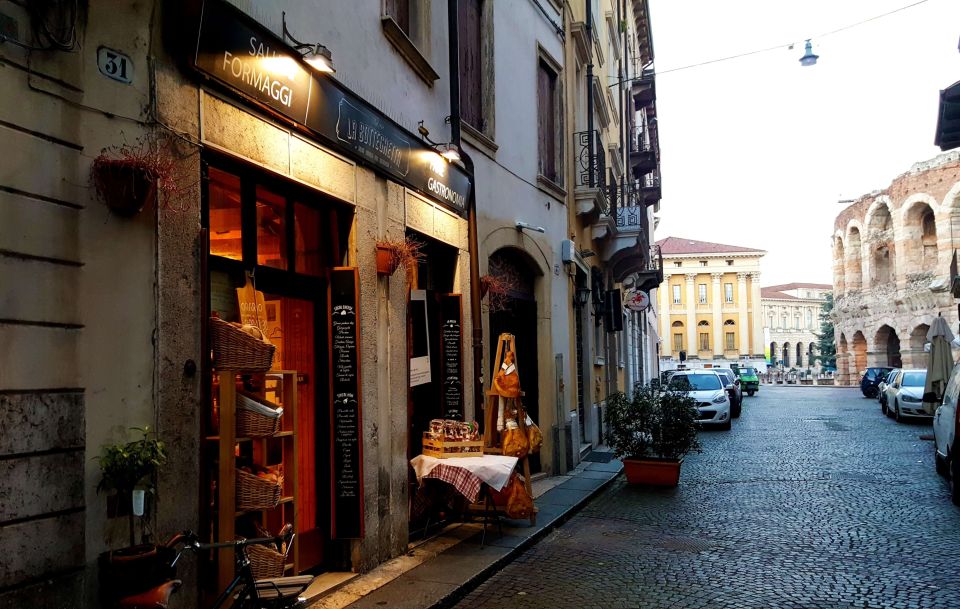
You meet at Via Leoncino 31 in Verona. The location is part of the charm, but it also affects logistics. If you’re driving in, plan for the reality that parking near the center can be tricky, and one guest noted they couldn’t find a spot even when arriving early.
If you’re coming from within Verona, that’s usually easier. If you’re driving from somewhere else, I’d treat this like an appointment: arrive early, have a backup plan, and don’t count on easy curb parking.
The 1-Hour Flow: How the Lesson Moves From History to Taste
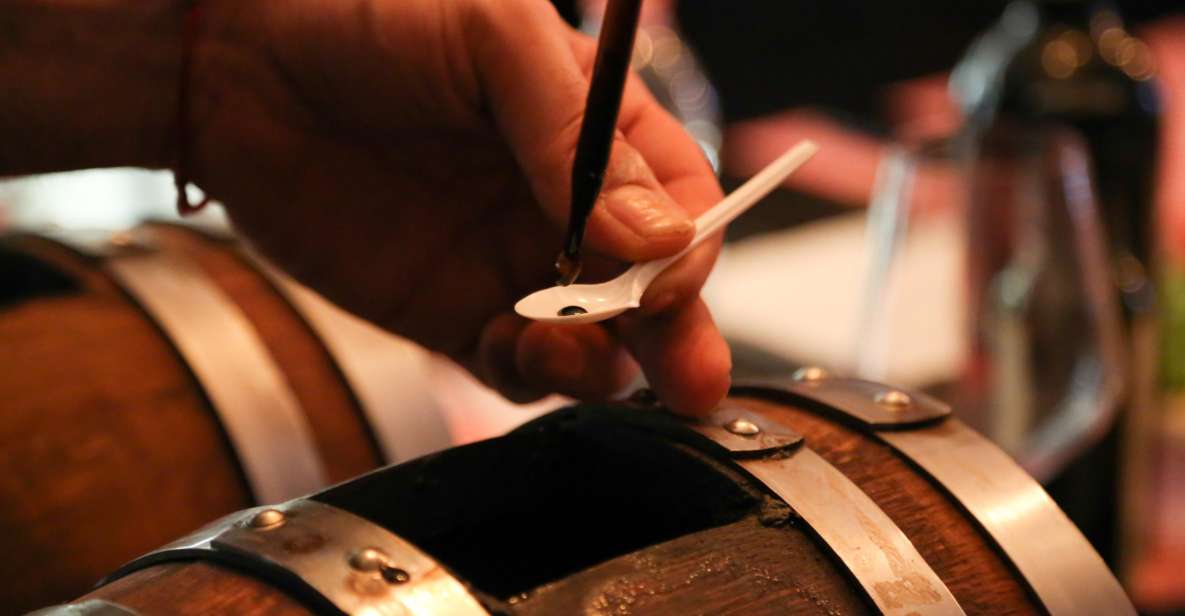
The structure is simple and smart. You start with context, then you taste, then you learn how to interpret what you’re tasting. Since the whole session is about an hour, you don’t get bored, but you also don’t get lost in a long lecture.
Here’s the rhythm you can expect:
- A guided introduction to balsamic vinegar and why it matters in Italian food culture
- A history story, including how the vinegar’s journey links back through the Roman era
- An explanation of production secrets, framed in a way you can connect to flavor
- A tasting flight of different types, with food pairings built in
- A wrap-up that helps you understand what makes this product valuable
If you like food experiences that are more classroom-with-snacks than museum-style, this format tends to fit really well.
Learning the Difference: IGP vs DOC (And How That Changes the Bottle)
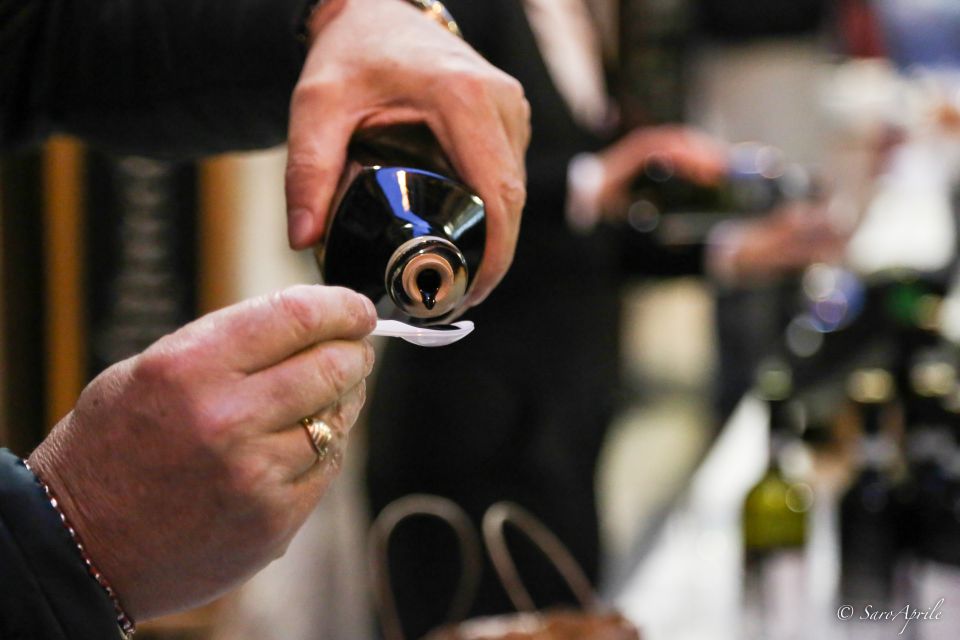
One of the most useful parts is learning to tell the difference between IGP and DOC. Instead of treating those letters like trivia, the experience connects them to what you’ll notice in the glass.
You’ll be guided through how to appreciate black gold the way Italians do. That means you’re not just tasting sweetness or acidity. You’re learning to think in categories: origin, production rules, and what those choices mean for the final flavor profile.
This is the kind of knowledge that actually helps when you’re shopping later. You stop grabbing bottles based on marketing alone, and you start asking better questions—like what category it belongs to and why that category matters for taste.
What You Taste: Multiple Types of Balsamic, Not One Sad Pour
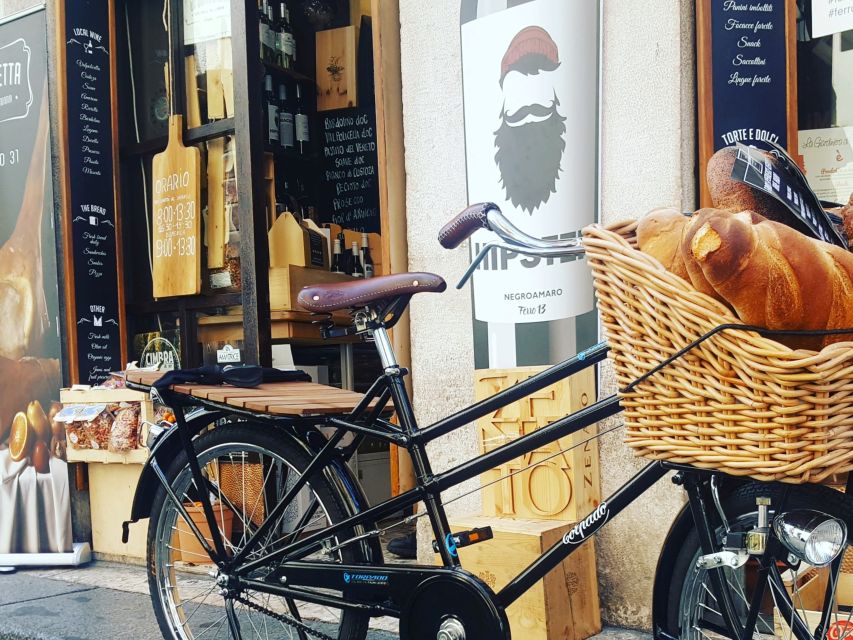
A big reason this tasting works is that you taste more than one balsamic style. You’re set up to compare. That comparison is where your understanding clicks.
You’ll sample different types of balsamic vinegar, and they’re paired deliberately. One guest highlighted how the host also included wine and olive oil to help connect categories people already understand. That kind of linking is practical: it gives your brain something familiar to map new flavors onto.
If you’ve ever tried balsamic at home and felt like all bottles taste the same, this is designed to fix that. You’ll leave with more realistic expectations about what “good” tastes like—and what different types are trying to do.




The Pairings: Cheese, Bread, Fruit, and Meats That Make Sense
The experience isn’t vinegar in isolation. You’ll enjoy samples paired with local products such as cheese, bread, and fruit. In some sessions, you may also get an assortment that includes different kinds of cured meats.
This matters because balsamic isn’t only for salads and finishing dots on plates. In tastings like this, the pairings teach you how balsamic behaves with real Italian foods. Cheese helps you notice thickness and balance. Fruit can highlight sweetness or the fruit-like aromas that show up in certain styles. Bread gives you a neutral base so you can focus on how the vinegar changes the overall bite.
One review specifically called out the cheese and meats as part of the pleasure, and also noted bread that was especially memorable. The point isn’t the specific brand. The point is that you’re tasting with foods Italians actually eat with these flavors.
Black Gold Explained: Why It’s Valuable (and Why That Shows in the Flavor)
The nickname black gold is addressed directly. You’ll hear why it earns that name and see how its history and production lead to its value. The experience frames balsamic vinegar as something shaped over centuries, not a trendy condiment.
You also learn about its journey through time—starting with early roots and then evolving into what’s made today. Even if you don’t remember every detail, the story helps you taste with context. When you understand that age and process drive value, you stop expecting every version of balsamic to taste the same.
That’s one of the more important takeaways for your wallet. When you buy, you’ll think less like a shopper grabbing a “deal” and more like someone choosing a style with a purpose.
The Roman-Era Story: Why History Belongs at the Table
The tour doesn’t treat history as a random backdrop. It connects the past to the present by following the vinegar’s evolution through the Roman era and beyond.
Why you should care: stories like this make flavor feel less mysterious. They also help you remember key differences because the history gives your brain a timeline to attach to taste. It’s not about turning vinegar into a textbook. It’s about understanding how a food tradition becomes a product people value for a reason.
If you like food culture that’s practical—meaning you’ll use it when ordering or shopping—this history component is a strong match.
Guide Quality Matters: Expect a Real Host, Not a Script
The session is led by a guide in English, Italian, or Russian. Guests have praised hosts for being engaging and informative, and one review highlighted Natalie as particularly knowledgeable and passionate.
What you want from a guide in a tasting like this is clarity. You should feel like you know what you’re tasting and why. Based on feedback, Natalie’s style seems to hit that mark: explaining production and pairing in a way that makes the differences easy to grasp.
What’s Included: Water and Pairing-Driven Tasting
Included in the experience:
- Vinegar tasting paired with local products like cheese, bread, and fruit
- Sparkling or still water
- A guide in English, Italian, or Russian
That water detail is small but helpful. Vinegar can be intense across multiple samples. Having water available keeps your tasting clearer and more comfortable, especially if you’re sensitive to acidity.
Price and Value: Is $53 for One Hour Worth It?
$53 for a 1-hour tasting is not a bargain. It’s a focused food experience with instruction, multiple samples, and pairing food. In other words, you’re paying for guidance that helps you understand what you’re eating and how to use it later.
Here’s the honest way to judge value for yourself:
- If you love learning through taste, you’ll likely feel it’s worth it.
- If you only want a quick snack and don’t care about differences between types, you might feel it’s too pricey for the time.
- If you plan to buy balsamic vinegar afterward, the lessons about IGP vs DOC and value make the cost easier to justify.
The fact that you taste multiple types with pairings pushes this closer to a “mini-masterclass.” For food people, that’s where the value tends to land.
Who This Works Best For (And Who Might Skip It)
This is a great fit if you:
- Want something more interesting than the usual Verona pasta-and-pizza routine
- Enjoy food tastings that teach you how to recognize differences
- Like structured experiences you can finish within a tight schedule
- Want to understand why balsamic vinegar is considered valuable in Italy
It may be less ideal if you:
- Are driving and haven’t planned for parking challenges near Via Leoncino 31
- Prefer self-guided food exploring with no instruction component
- Don’t want a condensed, instruction-heavy hour
If you’re the type who gets excited about labels like IGP and DOC and wants your palate to catch up, this tour is right in your lane.
How to Get the Most From Your Tasting
A few practical tips make the hour go better:
- Arrive on time so you don’t feel rushed before the first pour
- Go in hungry enough to enjoy bread and cheese, but not so full that vinegar disappears
- Take a moment between samples to reset your palate with water
- Ask questions about what you’re noticing in each type—this is the moment the guide can tailor explanations
Also, if you’re buying later, don’t treat this as a single-brand opinion. Use what you learned to compare styles and think about category and purpose.
Should You Book This Verona Balsamic Vinegar Tasting?
I’d book it if you want a short, high-impact food education. The combination of history, IGP vs DOC, multiple vinegar samples, and pairings with cheese, bread, and fruit makes it more than a tasting. It’s a way to learn how to taste black gold like the Italians do—then use that knowledge when you eat out or shop for bottles.
I’d think twice only if parking frustration would ruin your day. If you’re driving, give yourself extra buffer time for Via Leoncino 31, or consider skipping the car. Otherwise, this is a smart choice for food lovers who want something genuinely different in Verona.
FAQ
How long is the Verona balsamic vinegar tasting?
It lasts 1 hour.
Where is the meeting point?
The meeting point is Via Leoncino 31.
What languages are available?
The guide or host is available in English, Italian, or Russian.
What will I taste during the experience?
You’ll taste different types of balsamic vinegar paired with local products such as cheese, bread, and fruit. You may also have pairings that include meats.
Is water included?
Yes. You’ll get either sparkling or still water.
Do they teach the difference between IGP and DOC?
Yes. The experience includes learning how to tell the difference between IGP and DOC and how to appreciate balsamic vinegar as Italians do.
What does the tour cost?
The price is $53 per person.
Is there a refund if I need to cancel?
Yes. You can cancel up to 24 hours in advance for a full refund.
If I drive to the meeting point, is parking easy?
Parking may be difficult if you’re not staying nearby. Plan extra time or consider using other transport options to avoid stress.