REVIEW · VERONA
1.5 Hour Food Tour in Verona with Tastings & Sightseeing
Book on GetYourGuide →Operated by Slow Travel · Bookable on GetYourGuide
Verona tastes like a history lesson. In just 1.5 hours, you get three olive-oil tastings and a stop at a long-running chocolate shop, plus a guided walk through UNESCO-listed streets. One catch: it’s not a good fit if you need gluten or lactose accommodations, and the sweeter side of the route can leave you ready for dinner.
What makes this one work is the way the guide connects food to place. I like the small-group format (up to 10 people) and the energy you can feel in guides such as Leonardo, Miriam, and Christina, who all come through as thoughtful, story-focused, and tuned in to the group.
In This Review
- Key points that make this Verona tour worth your time
- Starting at Bruschetteria Redoro: the olive oil kickoff you actually remember
- Corso Porta Nuova and the UNESCO center: why the walk is the real glue
- Castelvecchio Bridge and Porta Borsari: the quick stops that change how you see the city
- Chocolate shop stop: a sweet detour with a real backstory
- Street-food style pizza and bruschetta moments: what “Verona-style” really means
- Flego Historical Patisserie and the Risino rice-cake finish
- What the 1.5 hours feels like on the ground: pacing, group size, and value
- Dietary fit: who should book, and who should skip
- Who this tour is best for (and who it’s not)
- Should you book this 1.5-hour Verona food tour?
- FAQ
- What’s the duration and group size?
- Where do I meet the guide?
- What tastings are included?
- Are entrance fees to museums included?
- What languages are the tours offered in?
- Can the tour accommodate gluten or lactose allergies?
Key points that make this Verona tour worth your time
- Three olive oil styles (classic, spicy, truffle) from the Redoro shop at the start
- Chocolate with context, including why Italians treat cocoa differently across producers
- Quick sights with real landmarks, from Corso Porta Nuova to Castelvecchio and Porta Borsari
- Street-food pizza in a Verona version, including a milk-soft dough story linked to Boscaini
- Risino at Flego, a finger-cake tied to Verona’s rice production
- Tight pacing (1.5 hours) that feels like a walking sampler, not a long tour slog
Starting at Bruschetteria Redoro: the olive oil kickoff you actually remember
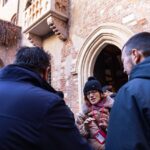
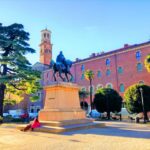
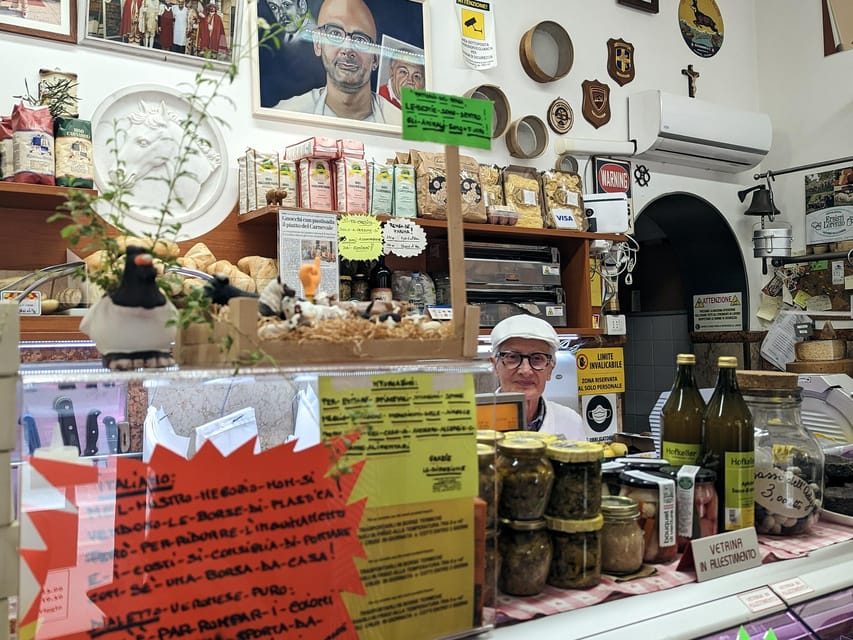
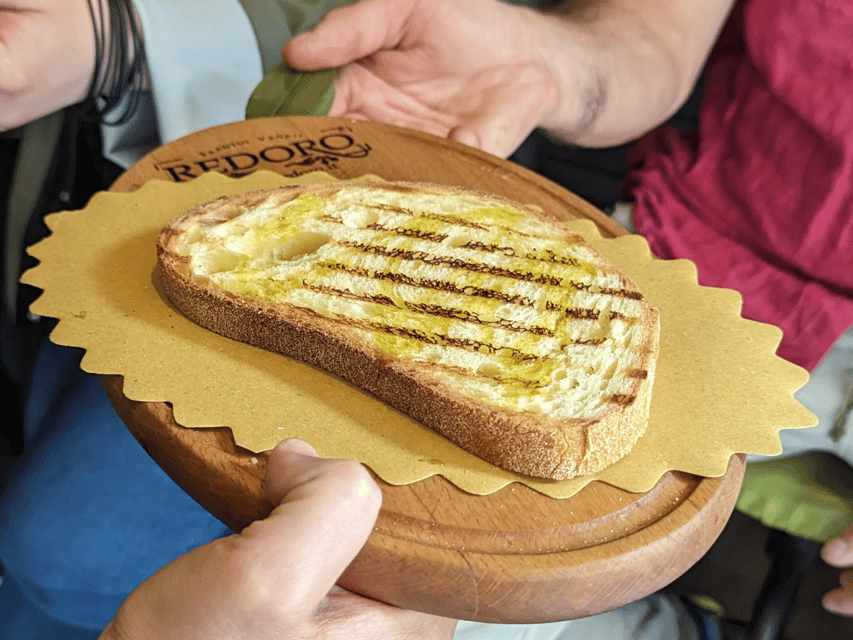
The tour begins at Bruschetteria Redoro on Corso Porta Nuova, at the oil mill of Verona (you’ll see nearby medieval wall arches with a clock, little olive trees, and a grill). This matters because olive oil is the thread that runs through the whole experience. You’re not just eating bites at random stops—you’re tasting a local ingredient, then hearing how it connects to what you’ll see and taste later.
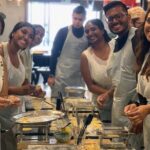
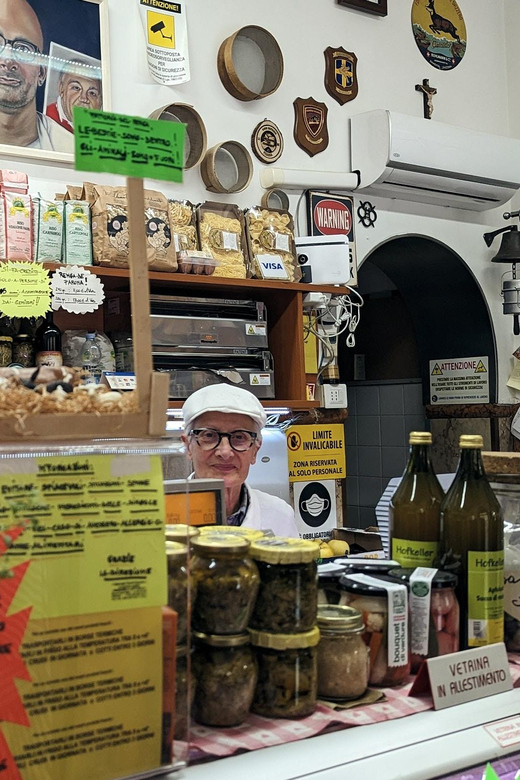
You start with a local olive oil mill shop tasting where you sample three varieties: classic, spicy, and truffle. It’s a simple structure, but it’s smart for first-timers. You quickly learn what changes when you switch flavor styles, and that makes later olive-oil use feel less like a label and more like something you can taste.
The bruschetta stop pairs perfectly with that setup. You’ll try bruschetta with extra virgin olive oil from Redoro, and the guide also shares olive-growing traditions tied to Verona and Lake Garda. For me, that pairing is the difference between a generic food walk and one that gives you a usable mental map of why the food tastes the way it does.
You can also read our reviews of more tours and experiences in Verona.
Corso Porta Nuova and the UNESCO center: why the walk is the real glue
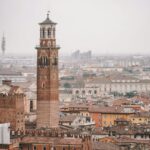
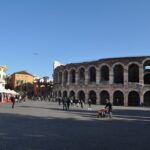
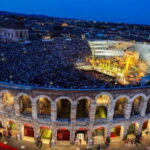
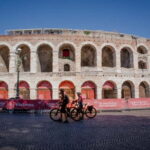
After the initial tastings, the route shifts into quick sightseeing hits. You pass Piazza Bra, do a short stop at the Museo Lapidario Maffeiano, and then keep moving through the historic core. The timing is tight: you’re looking at each place long enough to orient yourself, not long enough to lose momentum.
The guide’s job here is to connect eras. On Corso Porta Nuova, you’ll see medieval walls alongside Fascist-era buildings, and you’ll get context for why those layers matter in Italy. You’ll also get pointed commentary about Roman references—like museums featuring Roman busts—so even if you don’t go in, you know what you’re looking at.
If you’re trying to get your bearings fast, this kind of pacing is a win. In 1.5 hours you don’t “finish” Verona’s history, but you do get a starter set of landmarks that makes the rest of your trip click when you return later.
Castelvecchio Bridge and Porta Borsari: the quick stops that change how you see the city
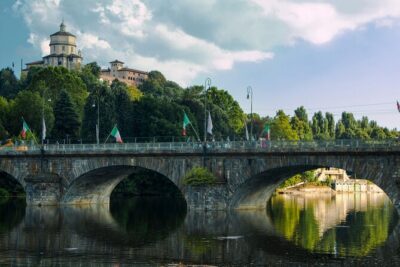
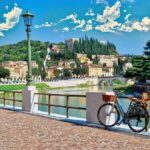
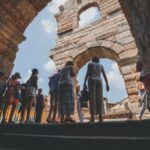
A short walk takes you toward Castelvecchio Bridge for a brief sightseeing pause, then on to Porta Borsari, where you’ll spend about 10 minutes. Porta Borsari is one of those places where the setting does a lot of teaching—stone, scale, and that Roman gate feeling that makes you slow down even when you’re on a schedule.
The tour also includes sightings that broaden the frame beyond medieval-only Verona. You’ll hear about Castelvecchio as a medieval castle and about Roman-style landmarks such as the Roman Triumphal Arch of the Gavi family, along with elegant 18th-century palaces in the surrounding area. Those are not “random photo stops.” The walk is structured so you understand Verona as a place where time keeps stacking on itself.
One practical note: because the stops are brief, you’ll get the best value if you come with comfortable walking shoes and an open mind about snacking while you stroll.
Chocolate shop stop: a sweet detour with a real backstory
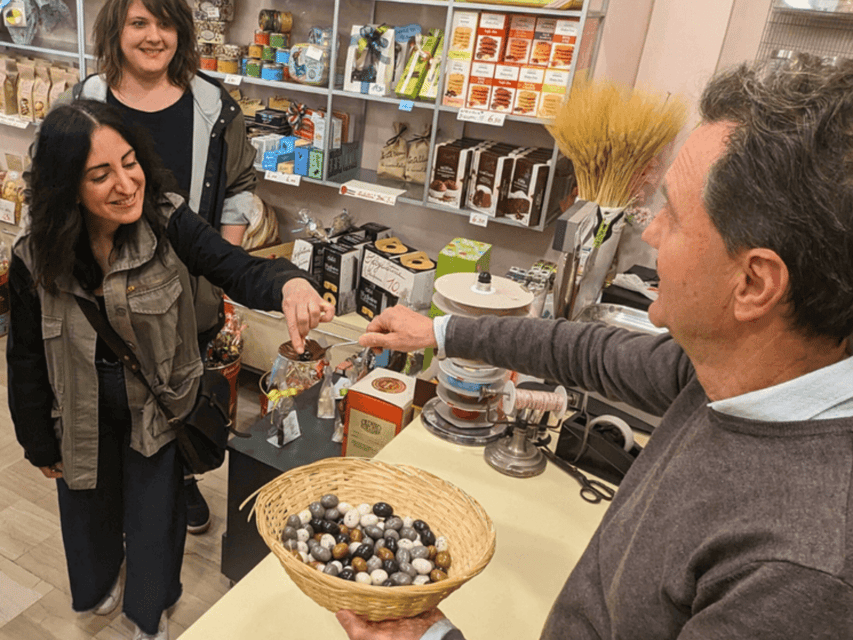
One of the most praised parts of this tour is the chocolate segment. You’ll visit a chocolate shop established in 1970, and you’ll learn that the founders originally catered to the Royal Court of Savoy. That’s not just trivia; it helps explain why some Italian chocolate traditions feel different from mass-market expectations.
The tasting is three iconic Italian chocolates, and you’ll also hear about processing methods—how cocoa beans might be handled differently in mass vs artisan production. Even if you don’t become a cocoa expert by the end, you’ll start noticing how texture and flavor shift when the production approach changes.
This is also where the guide’s personality can really land. In the feedback I saw, guides spoke with warmth about meeting the shop owner, and that little human interaction adds something you don’t get from a conveyor-belt tasting. If you like learning while you taste, this stop is built for you.
Street-food style pizza and bruschetta moments: what “Verona-style” really means
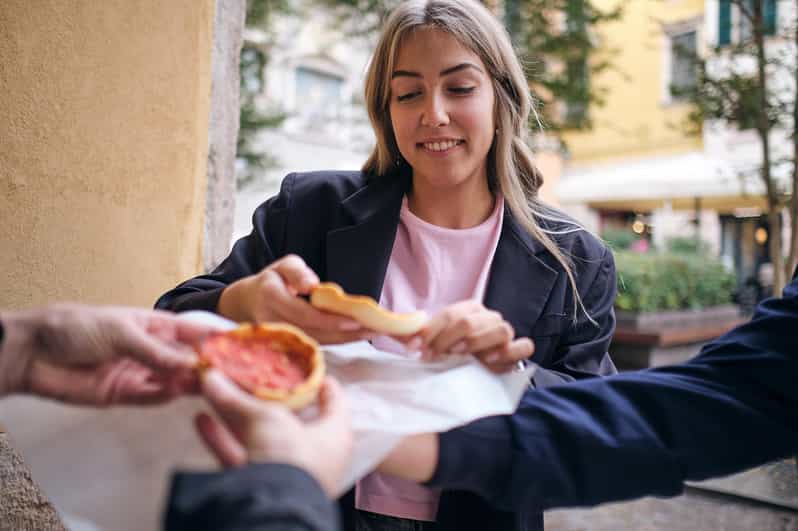
After the sightseeing core, the tour delivers the savoury payoff. You’ll taste street-food style pizza plus bruschetta with olive oil earlier in the route, so by the time the pizza arrives you’re not just surviving on sugar.
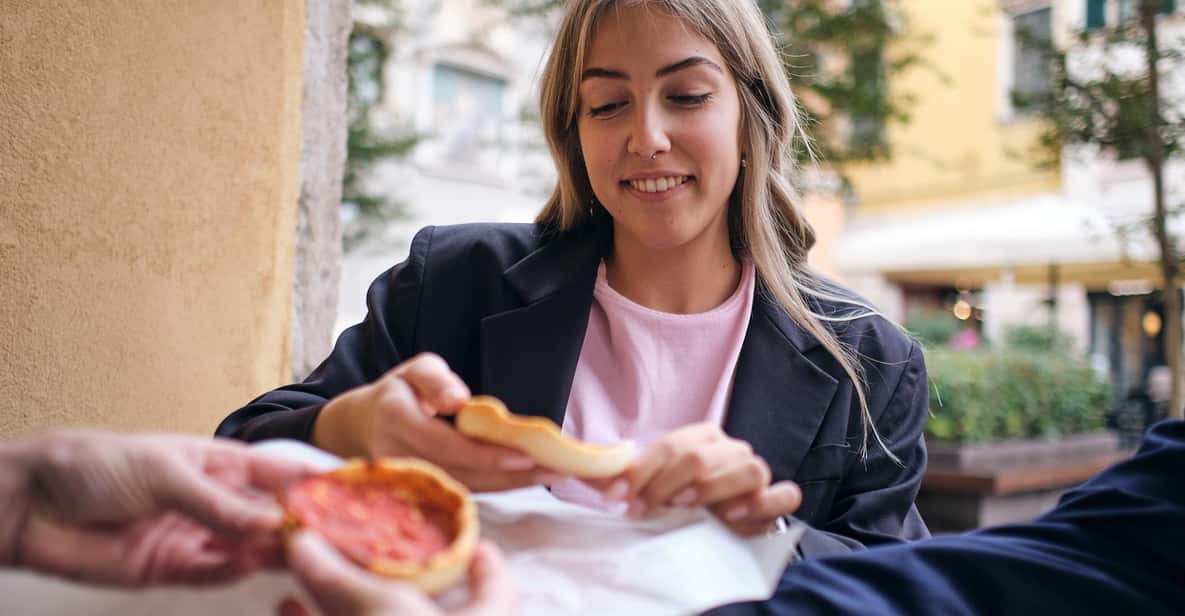
The pizza story is a highlight: the guide explains how pizza has local adaptations from its Neapolitan origins. In Verona’s case, the tour includes a specific historical note about a version introduced by the Boscaini family after visiting southern Italy. The Verona adaptation features a soft dough made with milk and a tomato sauce seasoned with classic Italian spices.
Why does this matter to you? Because it changes what you expect when you order pizza in Verona. You’re not just tasting one meal-like bite. You’re tasting a local variation shaped by ingredients and technique, and that gives you smarter ordering choices afterward.
If you’re hungry, aim to show up with appetite. The schedule includes savoury tastings, but the overall tasting lineup also has a strong sweet component later.
Flego Historical Patisserie and the Risino rice-cake finish
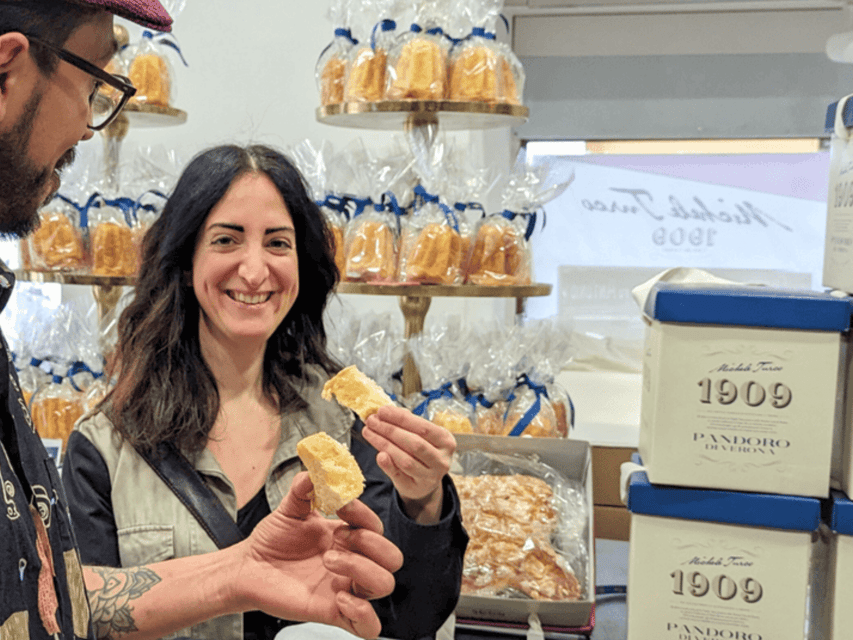
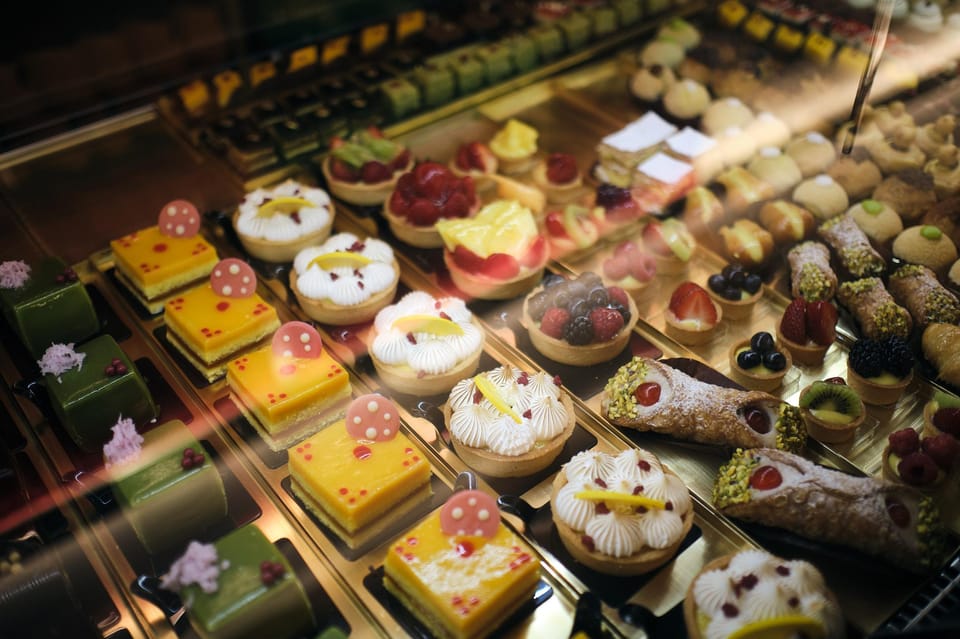
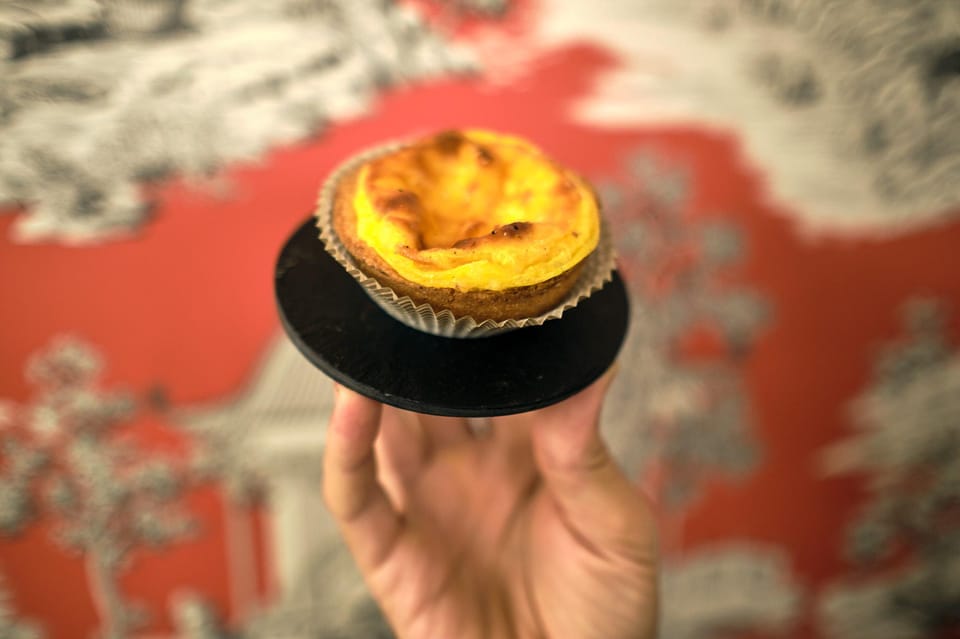
The tour closes at Pasticceria Flego, where you’ll have the Risino, a finger cake made with custard and rice. The guide ties it to Verona’s famous rice production, with hints on how rice shows up beyond cakes—also in risottos and desserts.
This finale works because it’s a distinctly local food theme, not a generic dessert you’d see anywhere in Italy. You get a final tasting that feels like a “Verona signature,” and it’s a clean endpoint after the earlier olive oil and chocolate.
Timing-wise, it’s the last stop, so you’ll likely be tempted to buy something extra. The tour doesn’t include extra food beyond what’s listed, so if you want a second dessert to go, that’s your moment.
What the 1.5 hours feels like on the ground: pacing, group size, and value
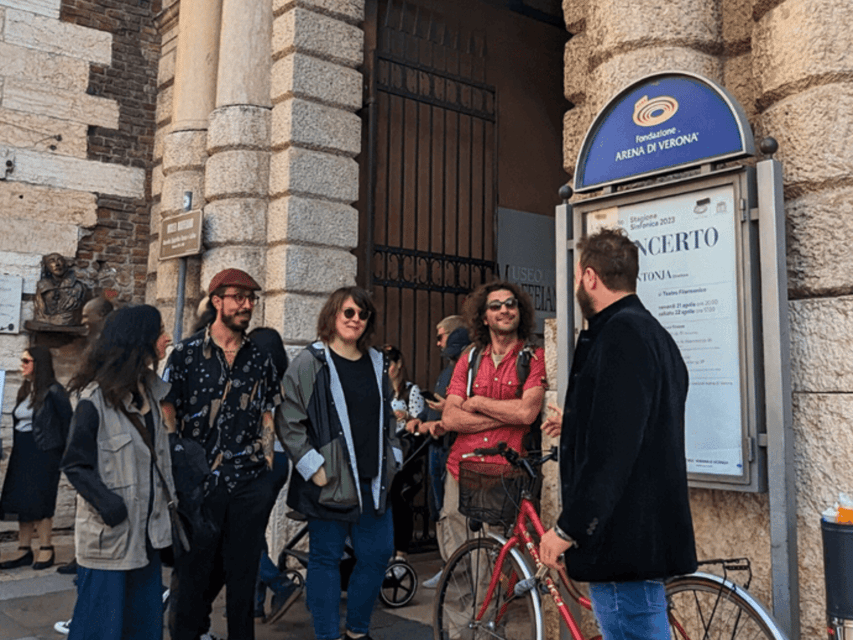
This is a small-group tour with a maximum of 10 participants, lasting 1.5 hours. That short time window is the point: you get tastings plus landmark orientation without committing a half-day. It’s also the reason the stops stay efficient—10 minutes here, 5 minutes there—so you don’t drift.
At $51 per person, the value is strongest if you factor in what you’re actually getting:
- Multiple tastings that include three olive oil types, bruschetta with olive oil, street-food pizza, three chocolates, and the Risino
- A guided walk through key historic areas and named landmarks
- The chance to learn the food stories while you’re still fresh and walking nearby
So yes, you could probably eat your way through Verona on your own. But you’d spend time figuring out where to go and you’d miss the “why this tastes like this” connections that the guide builds into the route.
Dietary fit: who should book, and who should skip
This tour is not suitable for people with gluten intolerance, and it cannot cater for gluten and lactose allergies. Vegetarians are welcome, which helps, but you still need to be realistic about cross-ingredient risks if gluten is involved.
If you’re gluten-free or dealing with lactose allergy, don’t gamble with hope. This tour data is clear on limitations, so it’s safer to choose a different experience that explicitly handles your needs.
On the other hand, if you eat dairy and gluten but you just want to avoid heavy meals, the structure is manageable. It’s a tasting tour, not an all-you-can-eat binge.
Who this tour is best for (and who it’s not)
This tour fits best if you want:
- A first time in Verona way to get oriented fast
- A guided walk where food and landmarks connect
- An experience anchored in local ingredients (olive oil, rice desserts) and recognizable sweets
It may not be the best fit if you:
- Need gluten or lactose accommodations
- Want a fully filling meal (there are savoury bites, but some people will finish ready for a real dinner, especially if you’re expecting heavy lunch portions)
Should you book this 1.5-hour Verona food tour?
I’d book it if you want a tight, guided sampler that blends olive oil tasting, street-food pizza, chocolate, and a Risino rice cake with real Verona sights. The strongest reason is the combination: tastings that have stories behind them, and landmarks that help those stories make sense.
Skip it if gluten intolerance or lactose allergy is part of your planning. Also, come hungry-but-not-astonished: it’s designed to be a tasting walk, not a substitute for dinner.
If you’re trying to get the most out of a short stay, this is one of those “do it early” tours. You’ll leave with a better sense of what to chase later around Verona’s UNESCO-listed streets.
FAQ
What’s the duration and group size?
The tour lasts 1.5 hours and runs as a small group limited to 10 participants.
Where do I meet the guide?
Meet the guide in front of Bruschetteria Redoro in Corso Porta Nuova, near the oil mill of Verona (Redoro). Look for nearby medieval wall arches with a clock, with little olive trees around and a grill.
What tastings are included?
You’ll include bruschetta with extra virgin olive oil, street-food style pizza, three chocolate tastings, three olive oil varieties, and the Risino rice cake.
Are entrance fees to museums included?
No. Entrance to museums and attractions isn’t included. Extra food beyond what’s listed can be bought separately.
What languages are the tours offered in?
The live guide speaks English and Italian.
Can the tour accommodate gluten or lactose allergies?
No. The tour cannot cater for gluten and lactose allergies and it’s not suitable for people with gluten intolerance. Vegetarians are welcome.