REVIEW · VERONA
Verona: Montresor Winery Visit with Wine Tasting and Snacks
Book on GetYourGuide →Operated by Ways Tours | B Corp certified · Bookable on GetYourGuide
Museum wine tasting beats the usual Verona rush. I like the Montresor wine museum because it connects winemaking to Verona’s story through original tools and family history. I also like the sensory aroma room, where you actively hunt for notes instead of just listening.
Next you’ll follow the process from grapes to barrels and end with a focused tasting led by sommeliers. In real terms, it’s the kind of visit where you’ll leave knowing what you’re tasting, not just what it is. The guides really bring it to life too; I saw names like Emma and Leonardo showing up often in the experience.
One watch-out: the tour is not suitable for vegans, and the snack pairings aren’t set up for that diet.
In This Review
- Key highlights worth planning for
- A museum-forward tasting just outside Verona
- Your tour route: museum, aroma room, barrel hall, tasting
- 1) The wine museum: Verona’s story through winemaking
- 2) Grapes and process stages: from harvest to drying
- 3) The sensory aroma room: train your nose
- 4) Passing beneath the historic barrel, then into the aging room
- 5) The tasting room: 4 or 5 wines with a sommelier
- Picking your tasting: Valpolicella reds vs Lake Garda whites
- If you pick Valpolicella reds
- If you pick Lake Garda whites
- My practical tip for choosing
- Appassimento and aromas: what you’ll actually learn
- Aroma training that sticks
- Appassimento as a taste driver
- Snacks and pairings: what comes with your tasting
- Price and value: why $34 can make sense in Verona
- Getting there from Verona: bus stop, taxi, and parking
- Who should book this Montresor visit, and who should skip it
- Should you book the Montresor wine tasting in Verona?
- FAQ
- How long is the Montresor wine tasting visit?
- What wine options can I choose from?
- How many wines do you taste on each option?
- What snacks are included with the tasting?
- Is transportation included in the price?
- Where do I meet the guide?
- How can I get to the winery from Verona?
- What languages are the tours offered in?
- Is the visit suitable for minors?
- Is this wine tour suitable for vegans?
Key highlights worth planning for
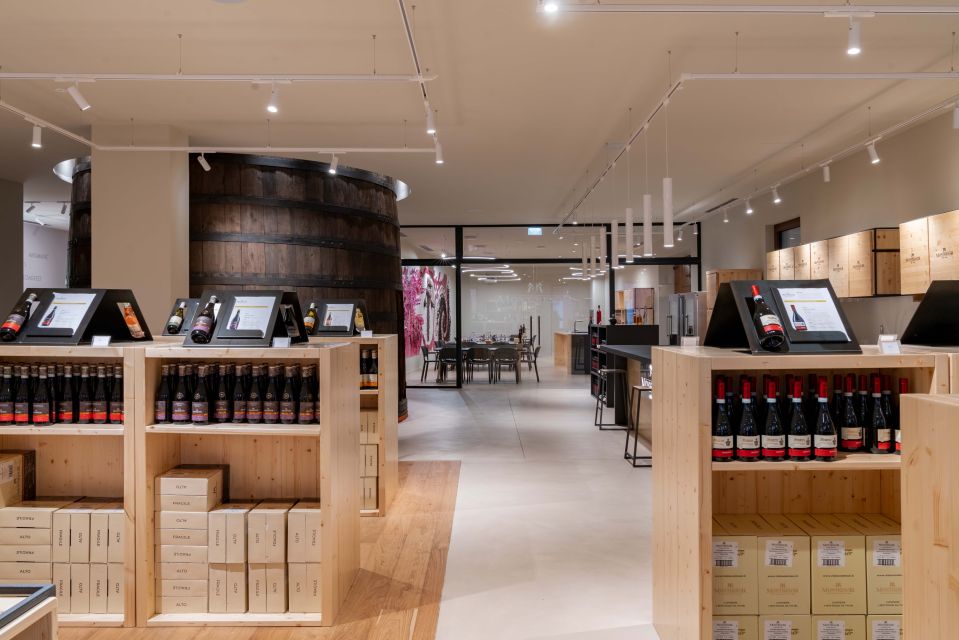
- Museum first: a winery museum tied to Verona and the Montresor family, from the late 1800s onward
- Aroma room practice: an interactive sniffing space that trains your palate for the tastings
- Two tasting routes: choose Valpolicella reds (up to Amarone Riserva) or Lake Garda whites
- Appassimento in the barrel room: see where aging and drying traditions connect in the same visit
- Snacks included with the pour: bread, olive oil, soppressa salami, and cheese, plus a bottle-purchase discount
A museum-forward tasting just outside Verona
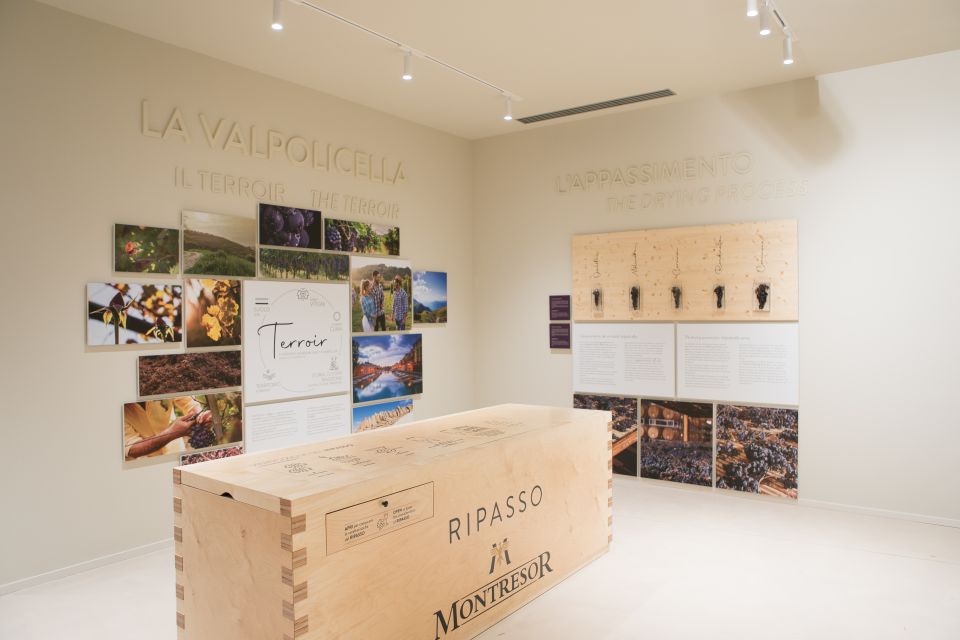
This isn’t the usual countryside winery stop with buses full of people and a long drive. Montresor is just outside Verona’s historic center, close enough that it works as a half-day plan without eating up your entire day.
The visit is built around the indoor parts of the winery, which matters. If Verona is hot, rainy, or just doing one of those mood swings, you’ll still get an experience that runs on schedule and feels controlled. You also get more than wine: you get context. That museum-style layout makes it easier to connect the dots between place, process, and taste.
And at 1.5 hours, it’s paced well. You’re not stuck for half a day, but you’re also not rushed through a single tasting counter.
You can also read our reviews of more tours and experiences in Verona.

Your tour route: museum, aroma room, barrel hall, tasting
You start inside the winery at the Montresor tasting venue, with the guide leading you through a sequence of rooms that build on each other. Expect a true “walk-through” route, not just a sitting-and-sipping event.
1) The wine museum: Verona’s story through winemaking
You begin in the museum portion, where Verona’s history from the late 1800s to today is linked to the Montresor family. The tour includes original winemaking tools, and the point is clear: this winery didn’t just show up to sell bottles. It evolved while keeping an identity tied to the city’s past.
For me, this is where the value kicks in. If you’re spending money on a tasting, you want it to mean something. The museum gives you the “why” behind the brand before you move on to the wines.
2) Grapes and process stages: from harvest to drying
After the museum, you learn how the grapes and land connect to the style of Valpolicella wines. You’ll see grapes represented at different stages, including harvest and drying. It’s a useful way to understand why certain wines taste the way they do, especially when you’re tasting styles that rely on reduced water content and concentration.
This part also sets you up for the biggest feature of the cellar process later: appassimento.
3) The sensory aroma room: train your nose
Next comes one of the most distinctive parts: the aroma room. Instead of only explaining flavors, the guide has you identify key notes by smell. It’s interactive, and you’ll likely do a quick quiz style exercise as you go.
This is a big deal for first-timers. If you’ve ever tasted wine and thought, I can’t describe what I’m tasting, the aroma room helps you put words to sensations. Even if you miss some answers, you’ll still leave with a better “vocabulary” for the tasting.


4) Passing beneath the historic barrel, then into the aging room
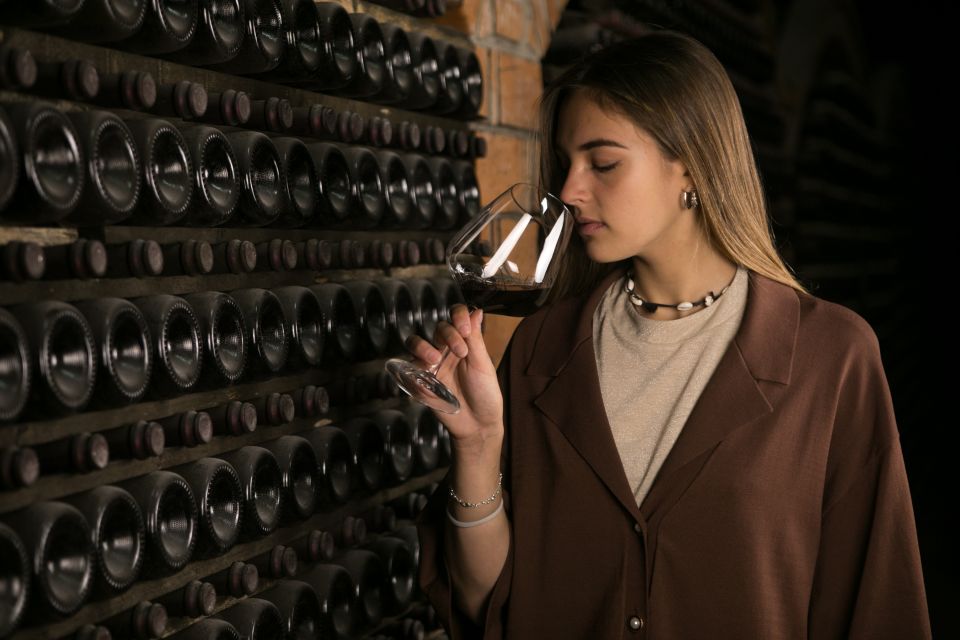
Then you move under a historic barrel and into the aging space. This is where the winery’s processes become physical. You’ll see large casks where wines rest, and you’ll learn about appassimento as part of the aging story.
There’s also a full-wall historical mural inside this section that’s unique to this winery. It’s the kind of detail that makes the cellar feel like a place with a point of view, not just a storage room.
5) The tasting room: 4 or 5 wines with a sommelier
The tour ends in the tasting room with an expert sommelier guiding you through your selected lineup. You’ll taste from four glasses if you choose the Lake Garda white route, or five glasses if you choose Valpolicella reds.
Either way, you get guided structure. You’re not just drinking. You’re learning what to pay attention to: aroma, taste, balance, and finish.
Picking your tasting: Valpolicella reds vs Lake Garda whites
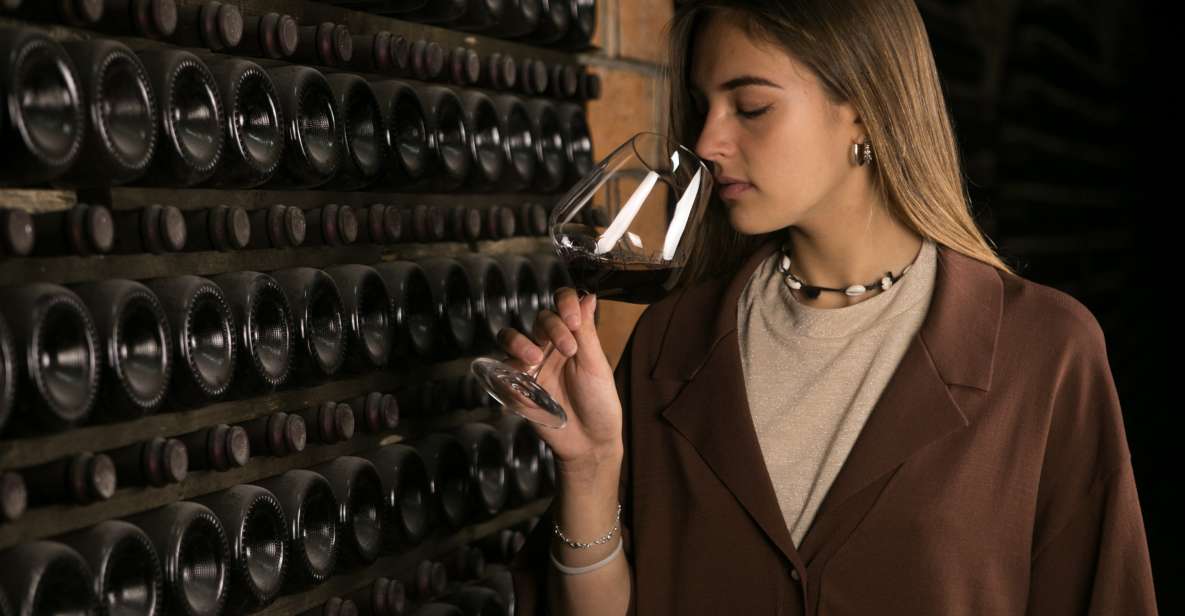
This is where you choose your “track.” The tour offers two different tasting options, and the difference is meaningful because it changes both the lineup and the learning focus.
If you pick Valpolicella reds
Your tasting option focuses on Valpolicella styles, including the land-driven character of Valpolicella Classico, Ripasso, and Amarone. If you choose this route, the tasting includes five glasses, and you may go up as far as Amarone Riserva.
What this teaches: you see how the same general region can produce very different results depending on process, especially when drying and concentration come into play. Even if Amarone is a grape or style you’ve heard about but never tasted, this is one of the easier ways to understand why it’s talked about.
If you pick Lake Garda whites
Choose the Lake Garda option and you’ll taste four glasses of fresh, elegant white wines. The learning emphasis shifts toward a different flavor profile and a different idea of balance.
This track is a good choice if you want something lighter and brighter after a day in the city. It’s also a simpler entry point if red wine labels like Ripasso and Amarone feel intimidating.
My practical tip for choosing
If you want concentration, structure, and a step-by-step process story tied to drying, go reds. If you want a smoother, fresher arc with a smaller number of wines and a white-wine focus, go whites.
Either choice gives you the museum and sensory training. The tasting path just changes the final payoff.
Appassimento and aromas: what you’ll actually learn
This tour’s best teaching tool is repetition: it shows the process in one place, explains it in another, and then asks you to connect it in the tasting room.
Aroma training that sticks
The aroma room is not just a gimmick. You’re practicing how to recognize scents that show up again later in your glass. That makes the tasting feel less like guesswork.
And because the guide uses the group as a learning tool, you’re more likely to ask questions. Names that show up in guide feedback include Emma, Leonardo, Emmanuele, and Silvia. Even without knowing the guide in advance, you can expect the tone to be friendly and engaged, with structured explanations.
Appassimento as a taste driver
In the barrel aging room, appassimento becomes more than a word. You’ll see where wines rest and you’ll learn how grapes are handled through the drying tradition that supports the final style.
In real life, that means you’ll be able to taste the difference between wines built from a lighter, fresher trajectory and wines that lean into depth and concentration. You don’t need to be a wine nerd to get it; the tour is designed so you can catch the logic.
Snacks and pairings: what comes with your tasting
Wine needs backup, and Montresor includes snack pairings. The tour info lists bread, olive oil, soppressa salami, and cheese as part of the pairing.
Here’s the honest consideration: a few visitors have noted that the snack format can feel lighter than a meat-and-cheese platter. One person specifically said the tasting came with breadsticks rather than the full range referenced in some descriptions. So don’t treat it like a formal lunch.
My takeaway: plan your expectations around wine tasting snacks, not a meal. If you’re hungry, you’ll still want to eat before or after.
Also, this isn’t set up for vegans. If you’re choosing vegetarian or vegan-friendly travel for dietary reasons, confirm what’s available before booking.
Price and value: why $34 can make sense in Verona
At $34 per person for about 1.5 hours, this works as a value play because you’re paying for four things at once:
- A guided museum visit with sensory room content
- A guided tasting with multiple glasses (four or five)
- Included pairing snacks
- A discount on bottle purchases
That discount matters if you’re the type who always ends up buying a bottle anyway. And several visitors report being able to arrange shipping from the winery shop, which can be a big deal if you’re traveling light.
You’re also not paying extra for transportation as part of the tour price. Transportation is on you, but the meeting setup makes it manageable. And because the experience is indoors, you’re reducing the risk that weather ruins your plan.
Is it cheap? No. But it’s not just a quick pour in a shop. The price buys time, structure, and a “learn as you go” format that makes the tasting more useful than it would be on your own.
Getting there from Verona: bus stop, taxi, and parking
The winery is close enough to Verona center that you don’t need a complicated plan, but it’s not in the middle of the old streets.
You meet your guide inside the Montresor winery. You can reach it by taxi from Arena. If you prefer public transport, you can take bus routes 21 or 93 from near Castelvecchio Castle, with a short walk from there.
Parking is available at the winery too, which makes it easier if you’re doing this as part of a car-based day.
One tip: if you’re relying on buses, build in a few minutes. Verona is busy, and even small walking connections add up when you’re heading to a timed activity.
Who should book this Montresor visit, and who should skip it
This tour is a strong match for adults who like structured tastings and want the “how” behind the wine. If you enjoy learning through hands-on experiences (like the aroma room), you’ll likely feel it’s worth the money.
It’s also a good fit for people who don’t want a long day driving outside the city. You get cellar processes and tastings without the logistics of a full countryside trip.
On the other hand, it’s not suitable for children under 18, pregnant women, or vegans, and some areas may not be easy if you have reduced mobility. If any of those apply to you, you’ll want to find a different format.
Should you book the Montresor wine tasting in Verona?
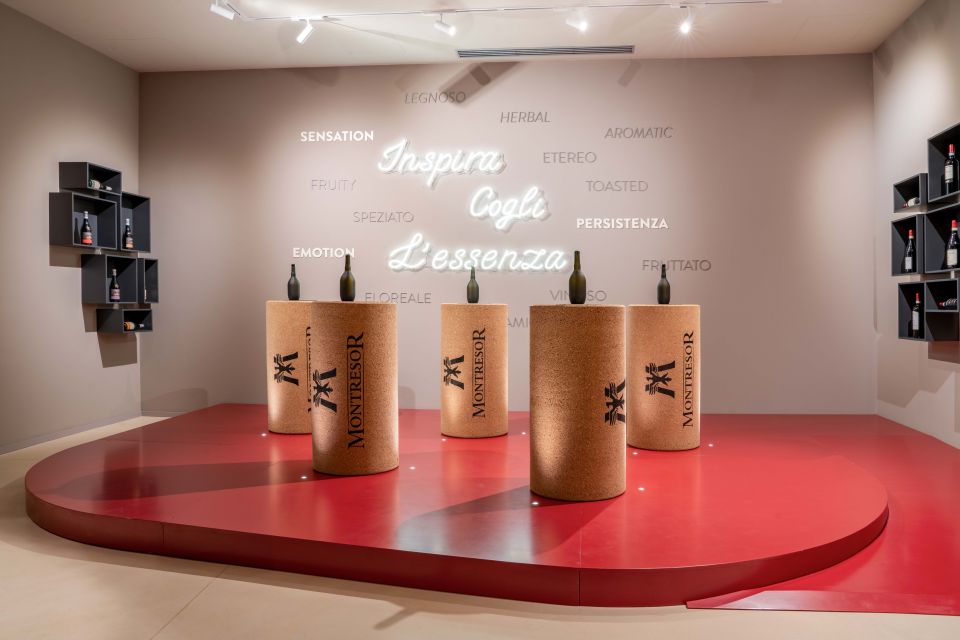
Book it if you want a short, high-impact Verona wine experience that includes a museum, a sensory training room, and a guided tasting with multiple wines. I’d especially recommend it if you’re curious about Valpolicella styles like Ripasso and Amarone, or if you want a less intimidating way to understand appassimento without reading a hundred pages of wine notes.
Skip it if your priority is a traditional countryside vineyard visit, or if your diet rules make the snack pairings a deal-breaker. In that case, you’ll be happier with a tasting designed around your needs.
If you fall into the first group, this is the kind of stop that makes the rest of your trip better. You’ll taste Verona’s wine story with more context, and you’ll leave with a clearer sense of what you like.
FAQ
How long is the Montresor wine tasting visit?
The experience lasts about 1.5 hours.
What wine options can I choose from?
You can choose between a Valpolicella red wine tasting route or a Lake Garda white wine tasting route.
How many wines do you taste on each option?
The Valpolicella red option includes tasting 5 glasses, while the Lake Garda white option includes tasting 4 glasses.
What snacks are included with the tasting?
The pairing snacks listed include bread, olive oil, soppressa salami, and cheese.
Is transportation included in the price?
No. Transportation is not included.
Where do I meet the guide?
Meet your guide inside the Montresor winery.
How can I get to the winery from Verona?
You can take a taxi from Arena, or use bus routes 21 or 93 from Castelvecchio Castle (opposite the castle entrance) and walk to the winery. Parking is available at the winery.
What languages are the tours offered in?
Tours are offered in English and Italian.
Is the visit suitable for minors?
No. Unaccompanied minors are not allowed, and the activity is not suitable for children under 18.
Is this wine tour suitable for vegans?
No. The tour is not suitable for vegans.