REVIEW · VERONA
Discover the old market and make fresh pasta
Book on GetYourGuide →Operated by Verona In Tour · Bookable on GetYourGuide
Fresh pasta starts with choosing the ingredients. In this hands-on pasta class near the Scaliger Castle, you’ll stroll through Villafranca’s old market first, then knead dough by hand and make local specialties with an expert chef.
I especially like the market-first approach and the way the lesson sticks to fundamentals: eggs, flour, and technique you can actually reuse later. I also love the setting, a typical Venetian-style space with a garden view over the castle, so the cooking doesn’t feel rushed.
One drawback to consider: a small number of bookings had trouble with last-minute confirmation and customer service support. If you’re traveling with a tight schedule, plan a bit of extra buffer and double-check your confirmation details early.
In This Review
- Key things I’d highlight before you go
- Meeting at Scaliger Castle, then straight into the market
- The old market where pasta ingredients actually make sense
- The cooking space: garden views and a Venetian-style kitchen vibe
- Making tortellini “Nodo d’amore” by hand
- Building stuffed and ribbon-style pastas with seasonal market vegetables
- Tiramisu: the sweet you make (and then actually eat)
- Wine pairing with your meal: what it adds to the experience
- What I think the 4 hours buys you (and what it doesn’t)
- Who this class is best for
- Reliability and communication: learn from the small red flag
- Should you book this pasta and wine class?
- FAQ
- How long is the experience?
- Where do we meet for the class?
- Is the group small?
- Is it available in English?
- When is the old market in Villafranca open?
- What food will we prepare?
- Are wine tastings included?
- Cancellation or pay later options?
Key things I’d highlight before you go
- Old market shopping first: you pick ingredients with the chef, so your pasta actually reflects what’s in season
- Handmade tortellini skills: you learn to knead dough by hand and shape classic tortellini
- More than one dish: tortellini nodo d’amore plus other local stuffed and ribbon-style pastas
- Sweet finish included: you also make tiramisu with the group
- Veronese wine pairing: you taste what you cook with renowned local wines
- Small group feel: limited to 10 participants, so you get real coaching while you work
Meeting at Scaliger Castle, then straight into the market
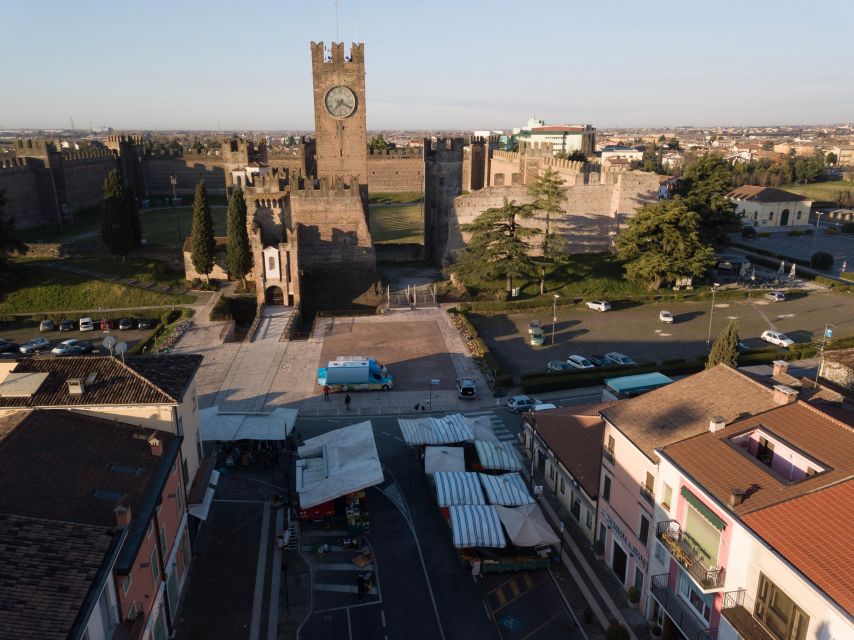
You meet with the chef in Villafranca, right in front of the Scaliger Castle. The coordinates are 45.3514404296875, 10.846451759338379, which makes it easy to plug into maps if you’re arriving on your own.
From there, the experience begins with a walk among market stalls. This part matters more than it sounds. Watching the ingredient choices unfold gives you context for everything you’ll cook later. Instead of learning pasta in a vacuum, you’re learning how local cooks think: what to buy now, how to recognize good basics, and how seasonal vegetables fit into stuffed pasta.
If it’s your day and the market is open (Villafranca’s market day is Wednesday), you’ll shop there. On other days, the chef will help you choose ingredients together with you in selected local shops, so you still get that same “buy first, cook right after” rhythm.
You can also read our reviews of more tours and experiences in Verona.


The old market where pasta ingredients actually make sense
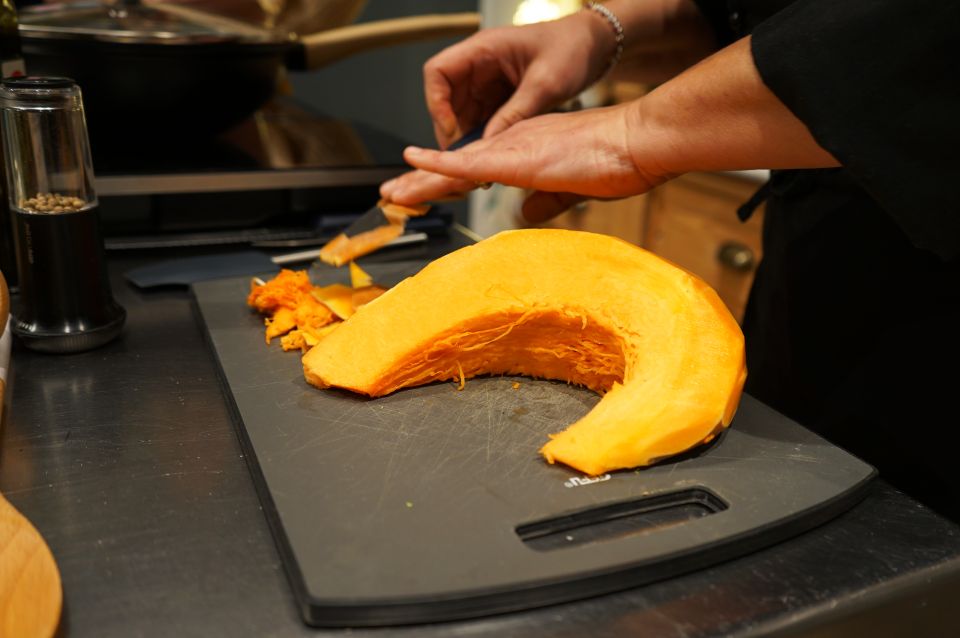
The heart of this class is simple: you walk the market, then you build your menu from what you chose. You don’t just receive ingredients that were already decided. You’re part of the selection process, which changes how you cook and how you taste.
Here’s what I find valuable: market shopping trains your palate before you ever touch dough. When you pick seasonal vegetables for stuffing, you’ll taste more than just sauce. You’ll notice the freshness, the texture, and how that filling balances with egg-based pasta.
You’ll also be learning how to shop like a cook, not like a tourist. The chef’s guidance turns the stalls into a lesson. Even if you don’t speak Italian, you’ll have Italian and English instruction, so you can follow along without guessing.
Tip for you: go in hungry (but not so hungry that you’re overwhelmed). The market stroll is designed to build appetite and focus, not just to pass time.
The cooking space: garden views and a Venetian-style kitchen vibe
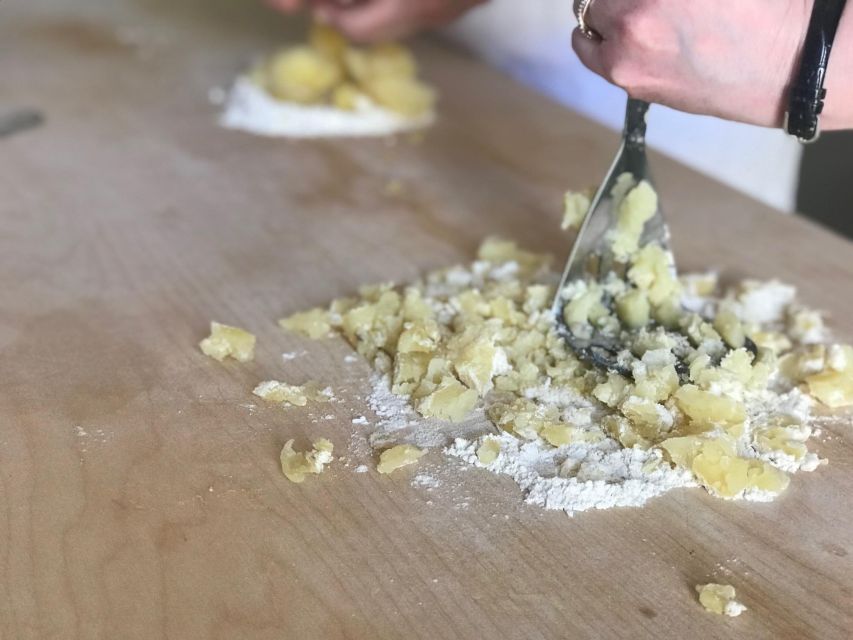
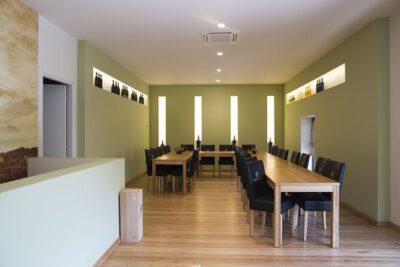
After shopping, the cooking lesson happens just a few steps from the market. You’ll be welcomed into a typical Venetian cuisine setting, with a garden and a view over the castle.
That atmosphere is more than decoration. A class like this goes best when you feel relaxed and you can focus on hand movements. A garden view helps you stay in “learning mode” instead of “tour mode,” and it also makes the time feel pleasant even though you’ll be working.
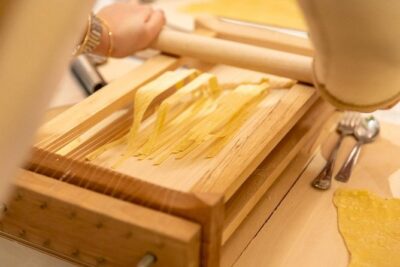
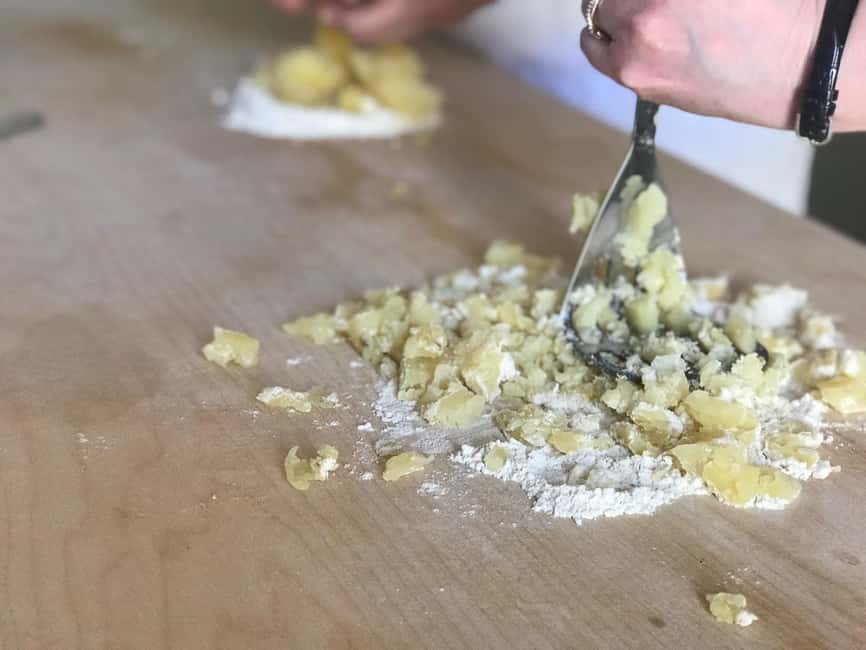
This is also where you’ll get the core teaching: with eggs and flour, you’ll learn the secret techniques for making excellent pasta the way grandmothers did. The emphasis is practical. You’ll knead the dough by hand and get feedback on texture and feel—things that are hard to learn from a recipe alone.
Making tortellini “Nodo d’amore” by hand
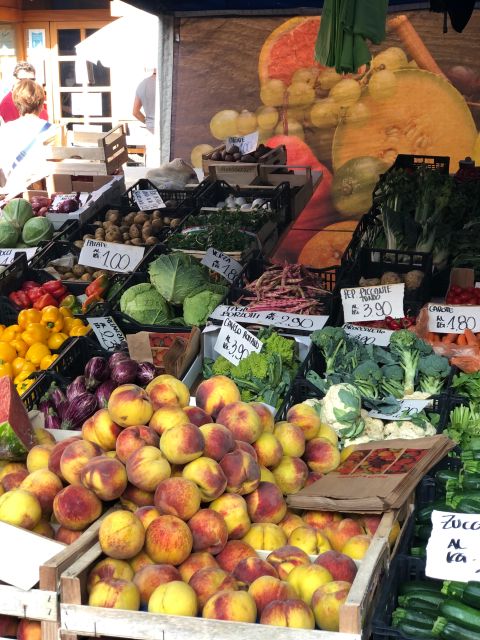
The most iconic moment is when you knead and shape tortellini “Nodo d’amore.” This is not just rolling out dough. You’re putting your hands into the process and learning the shapes that make tortellini what they are.
Why this step is worth your time: tortellini technique teaches you control. Once you understand how dough behaves—how it stretches, how it holds together, and how to manage moisture—you can apply the same logic to other filled pastas later.
In a small group (limited to 10 participants), you also get more direct help. That means if your dough feels too soft, too dry, or too sticky, you’re not stuck figuring it out on your own.
You’ll also learn that pasta dough is a living thing. Even with the same ingredients, small differences in environment and handling matter. That’s why having a chef there matters.
Building stuffed and ribbon-style pastas with seasonal market vegetables
Tortellini is the star, but it’s not the only thing on the menu. You’ll also make other local products like pappardelle or tortelli stuffed with seasonal vegetables from the market.
This is a smart mix. Pappardelle helps you practice rolling and cutting pasta in a more forgiving way, so you get variety without having to master everything at once. The stuffed options teach a different skill set: portioning, sealing, and balancing filling so the pasta cooks evenly.
Seasonal vegetables matter here. The class design ties your filling to what’s available, which is exactly how real cooks keep their menus interesting through the year. You’re tasting the logic of local cuisine, not just copying shapes.
If you’re a beginner, this is still manageable because the instruction is step-by-step and you’re in a group small enough for the chef to notice what you need. If you’re more experienced, you’ll still appreciate the focused feedback on dough handling and sealing technique.



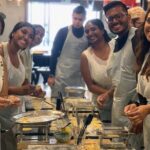
Tiramisu: the sweet you make (and then actually eat)
No Italian cooking experience feels complete without dessert, and here you’ll prepare tiramisu as well. Even if you’ve made tiramisu before, seeing it within the flow of an entire pasta-and-wine lesson helps it land differently. You’re not juggling a random recipe. You’re finishing a full meal you built from scratch.
Tiramisu also serves as a gentle pace shift. Pasta can be hands-on and physically demanding. Dessert is where you can step back, taste, and enjoy the results without thinking about dough texture every minute.
And yes, you’ll get to taste what you cook.
Wine pairing with your meal: what it adds to the experience
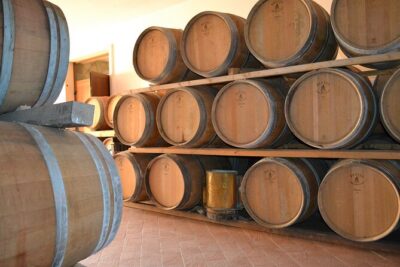
After your cooking work, you’ll taste your dishes in combination with renowned Veronese wines. This is one of those underrated pieces of the experience: wine pairing turns your effort into a complete meal story.
You’re not just eating because it’s included. You’re eating with intention. The pasta you made is egg-based and often filled with vegetables, which can handle wines with enough structure to keep things interesting, without drowning out the flavors.
The wines also help you understand why local people cook this way. Food and drink aren’t separate. They’re meant to work together on the same table.
Quick note on rules: alcohol and drugs are listed as not allowed. Since wine tasting is part of the experience, follow the host’s guidance on what’s provided during the class.
What I think the 4 hours buys you (and what it doesn’t)
This experience runs about 4 hours, which is a sweet spot for learning without feeling stuck in a kitchen all day.
Here’s what you likely get value from:
- You learn real technique (hand-kneading, shaping, stuffing basics) rather than only watching
- You get multiple dishes instead of one single pasta
- You shop for ingredients so the meal feels tied to place and season
- You eat your own cooking, paired with local wines
Here’s what you shouldn’t expect:
- It’s not a full-day culinary tour with transportation around the region.
- It’s focused on pasta and dessert, not a broad history lecture or a long multi-stop food crawl.
In other words: this is for people who want hands-on cooking and a meal that tastes like you earned it.
Who this class is best for
This pasta and tiramisu experience is a great fit if you want an authentic Veronese-style cooking evening (even if you’re not staying in the countryside). It’s especially good for:
- Couples or friends who enjoy cooking together and want something interactive
- Foodies who like learning technique more than taking photos
- Travelers who want one memorable local meal instead of a checklist of sights
- Beginners who want structure and coaching in a small group
It’s also a good option if you’re short on time. You can get a market walk, hands-on lessons, and a wine-paired meal in half a day.
Reliability and communication: learn from the small red flag
I’ll be honest: one low rating pointed to unclear instructions and weak customer service, including no confirmation until an hour before the morning of. That kind of uncertainty is stressful, especially if you’re traveling on your own.
So here’s what you should do: confirm your meeting details as early as you can and keep an eye on messages. If you don’t receive clear instructions well in advance, don’t wait until the last moment to ask questions. The cooking itself sounds well-run, but communication quality can vary by booking experience.
Should you book this pasta and wine class?
If your goal is fresh pasta you actually make, plus a market-driven shopping start and a wine-paired meal at the end, I think this is a solid booking. The small group size (10 participants) is a big deal for hands-on learning, and the mix of tortellini, pappardelle/tortelli, and tiramisu keeps it from feeling repetitive.
I’d book it if you enjoy learning by doing and you want something more local than a standard sightseeing tour. I’d be a bit cautious if you rely heavily on guaranteed, early communication from a provider, since at least one booking had last-minute confirmation issues.
FAQ
How long is the experience?
It lasts about 4 hours.
Where do we meet for the class?
You meet with the chef in Villafranca in front of the Scaliger Castle.
Is the group small?
Yes. It’s limited to 10 participants.
Is it available in English?
Yes. The instructor speaks Italian and English, and the experience is offered in Italian and English.
When is the old market in Villafranca open?
The market day in Villafranca is on Wednesday.
What food will we prepare?
You’ll make fresh pasta including tortellini Nodo d’amore and other local products like pappardelle or tortelli stuffed with seasonal vegetables, plus tiramisu.
Are wine tastings included?
Yes. You’ll taste what you cook with renowned Veronese wines.
Cancellation or pay later options?
The listing states free cancellation up to 24 hours in advance for a full refund, and it offers reserve now & pay later.