REVIEW · VERONA
Discover Valpolicella Vineyards and Wine Tasting Experience
Book on Viator →Operated by TENUTA SANTA MARIA VALVERDE · Bookable on Viator
Marano di Valpolicella tastes like a family secret. This Valpolicella wine tasting blends a vineyard walk, a 17th-century cellar, and a final tasting of Amarone-range reds, all paired with local food and olive oil.
I love how personal it feels at Tenuta Santa Maria Valverde—you’re not herded through a warehouse of barrels. I also love the winemaking details, especially the Fruttaio room where grapes dry the traditional way.
One thing to plan for: the experience depends on getting to the right spot outside Verona, and the directions around the meeting point can be confusing if you trust a random map pin. Weather can also blur the scenic terrace views if you hit fog.
In This Review
- Key highlights to know before you go
- Entering Tenuta Santa Maria Valverde: a quieter kind of wine tour near Verona
- The walk through the vineyards: where the region starts making sense
- Fruttaio time: the dried-grape room you’ll remember
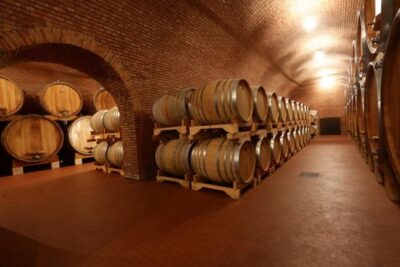
- Oak barrels and the winemaking rhythm: what to watch for
- The tasting itself: Valpolicella, Ripasso, Amarone with local pairings
- Food on the terrace: views, pacing, and why the timing works
- Getting there from Verona without driving: the main thing to double-check
- On the ride: small Verona sights and bridge views
- Price and value: what $84.69 gets you (and what makes it fair)
- Who this tour fits best
- Quick reality check: possible drawbacks to factor in
- Should you book Tenuta Santa Maria Valverde?
- FAQ
- How long is the Valpolicella vineyards and wine tasting experience?
- Is the tour offered in English?
- What wine styles will you taste?
- Is transportation from Verona included?
- How big is the group?
- Can I cancel for a full refund?
Key highlights to know before you go
- Small group size (max 18) keeps the pace relaxed and questions welcome
- Fruttaio + 17th-century cellar make the wine process feel real, not scripted
- Tasting structure uses sight, smell, and taste so you know what you’re reacting to
- Valpolicella, Ripasso, and Amarone give you a clear sense of the region’s red styles
- Verona transportation helps you avoid driving the hills, but you still need to follow the pickup instructions closely
Entering Tenuta Santa Maria Valverde: a quieter kind of wine tour near Verona
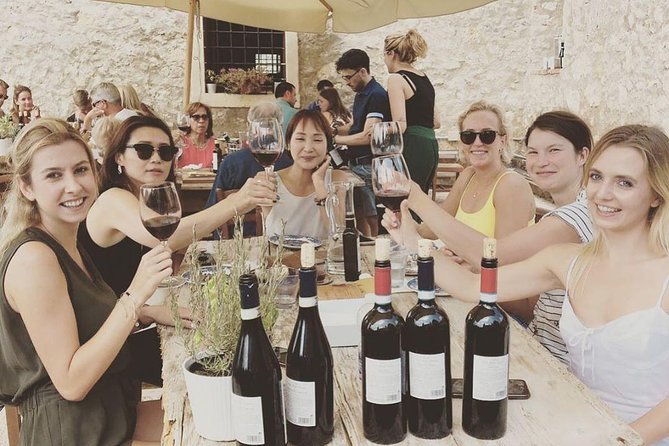
This isn’t one of those tours where you jump off a bus, stand in line, and sip whatever’s poured. At Tenuta Santa Maria Valverde, the day feels like a visit to a working family estate in Marano di Valpolicella, with time to ask questions and actually hear answers.
I like that the focus stays on the place and the people behind the wine. You’ll hear family history tied to the estate and vineyards, and you get to meet the vintner (or at least the family team who keeps the operation running and shares it with you).
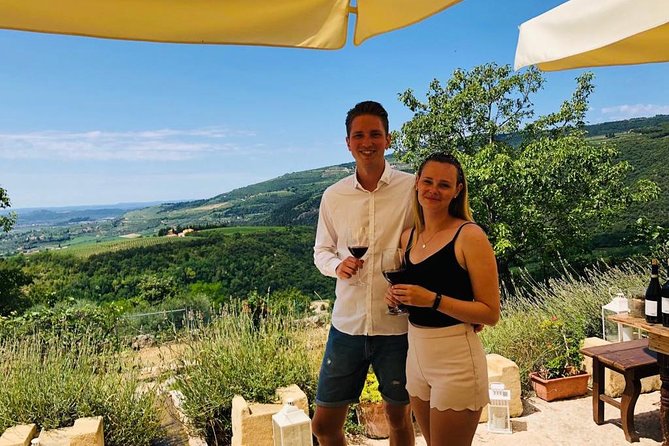
The setting helps too: old stone, working cellars, and a terrace that looks out over the Valpolicella hills when the sky behaves. Even if the view is hazy, the tone is calm and welcoming, not rushed or performative.
You can also read our reviews of more tours and experiences in Verona.


The walk through the vineyards: where the region starts making sense
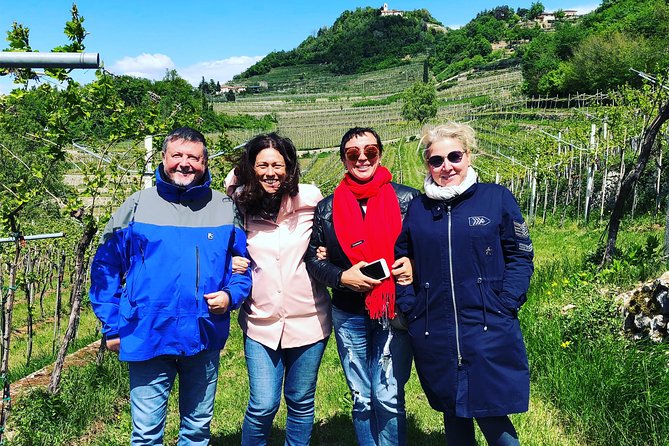
You begin with a walk in the vineyard area around the winery. This part matters more than you might think. A lot of people arrive in Valpolicella only caring about Amarone, but the vines and the hillside conditions explain why these grapes develop the way they do.
You’ll get a guided story as you stroll—family history of the estate, how the vineyards fit into the family’s winemaking, and what to notice in the vines and growing approach. The best part is that it’s not presented like trivia homework. It’s the kind of context that makes the later tasting feel logical.
Wear comfortable shoes. You’ll be moving through the estate grounds, and this is not the kind of tour where you stay perfectly seated until it’s time to taste.
Fruttaio time: the dried-grape room you’ll remember
One of the most memorable stops is the 17th-century cellar and the traditional room called the Fruttaio. The Fruttaio is where grapes dry in the traditional method—this step is key for the style of wines Valpolicella fans talk about and for the depth people associate with Amarone.
Seeing this process in person changes how you think about the bottle in your hand. Instead of hearing about grapes being dried, you get to understand how the drying step connects to the flavor intensity you’ll taste later.
This stop is also where you get a clearer picture of the “steps” of the winemaking process—enough that you can describe what you’re smelling, not just that it tastes good.
Oak barrels and the winemaking rhythm: what to watch for
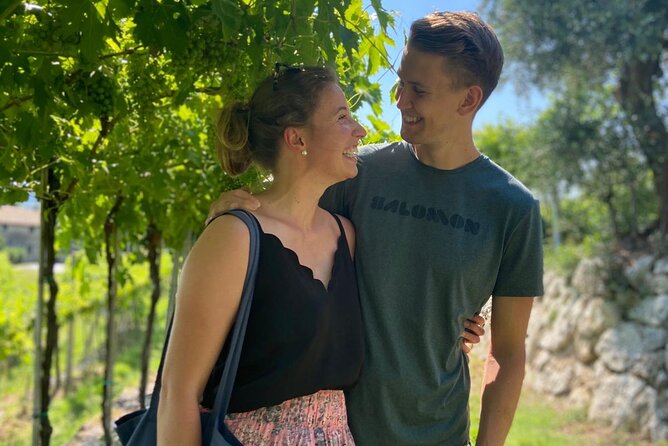
After the cellar and Fruttaio, you’ll move through the estate spaces where you see how the wines refine—especially in relation to red wines and aging in oak barrels. This helps connect the technical side (aging materials, refinement) to the sensory side (why a wine might taste rounder, darker, or more structured).
You’ll also get an explanation geared toward helping you evaluate wine using sight, smell, and taste. That “how to taste” approach is a real value add. Even if you’re not a wine expert, it gives you a simple method for noticing differences between Valpolicella, Ripasso, and Amarone.
The tasting itself: Valpolicella, Ripasso, Amarone with local pairings
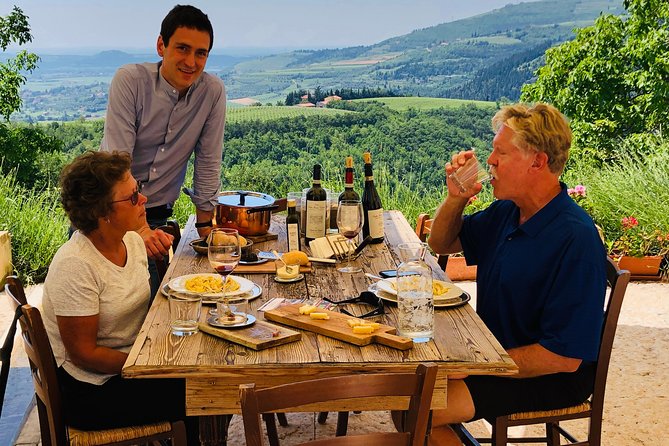
The tasting focuses on a selection of Valpolicella, Ripasso, and Amarone. That trio is smart because it gives you a path: lighter-and-fresh-forward expressions, then a more structured step, then the richer, deeper Amarone-style profile.
You’ll taste and learn how to evaluate the wines by sight, smell, and taste. This isn’t just pouring three wines and telling you to pick a favorite. It’s built around teaching you how to recognize what’s happening in the glass.
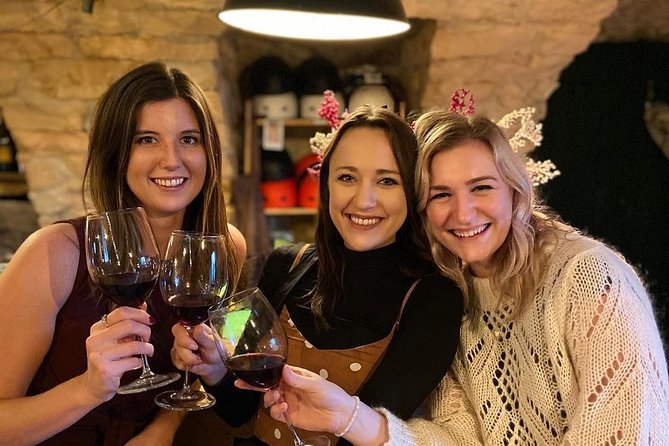
The wines are paired with local food that actually helps you taste better, not just eat something beside the wine. You’ll have organic extra virgin olive oil, plus local cheeses like Monte Veronese and Soppressa (a Valpolicella salami). The pairing approach keeps the tasting grounded in what the region eats with its own products.
In real-world terms, this means:
- If the wine feels intense, the cheese and salami help balance it
- If the wine has sweetness or dried-fruit notes, olive oil and bread keep things from feeling cloying
- You end up tasting more than one dimension per sip
Some of the accompaniments mentioned in the experience feedback include things like mustardo (a mustard spread) and even cherry chutney. The core pairing set is olive oil plus Monte Veronese and Soppressa, so you can count on those even if the small details vary.



Food on the terrace: views, pacing, and why the timing works
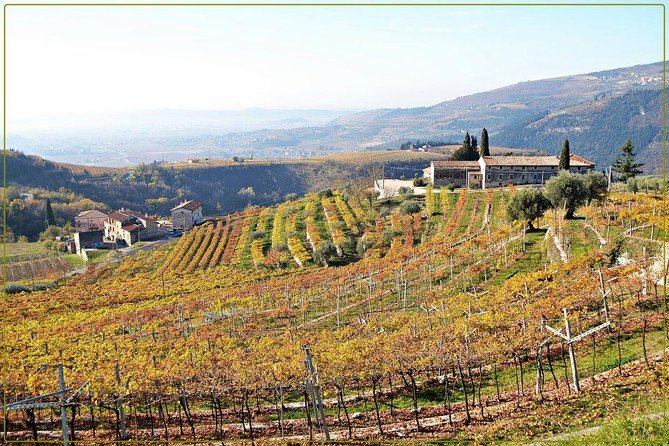
After the cellar stops, you get to enjoy the view from the terrace. When the weather is clear, it’s one of those quiet “wow” moments that feels earned after walking and touring the estate. If you hit mist or rain, the scenery might soften, but the terrace still gives you a change of pace and a place to slow down.
The tasting portion doesn’t run forever. It’s long enough to learn and enjoy, but short enough that you still finish with energy rather than wine fog. One of the most common compliments from people who do this kind of excursion: the day has a good length, and the pairing feels like a light lunch rather than a snack plate.
There’s a lot of attention to making the food feel part of the experience. You’re not just tasting wine; you’re tasting the region’s flavors in the way people there actually pair them.
Getting there from Verona without driving: the main thing to double-check
The experience includes round-trip transportation from Verona, which is a big deal in a hilly wine area where parking and timing can turn into a headache. You start and end back at the meeting point in Verona, and the area is listed as near public transportation, which usually means you can plan a workable route if you’re traveling independently.
That said, a pattern shows up in the kind of problems that cause stress: map pins can be wrong, or the “meeting point” instructions can be misunderstood. The fix is simple: follow the travel instructions you receive for the bus stop and the pickup, and don’t rely on a random pin drop.
Also pay attention to how the shuttle works if you’re booking as a solo traveler or small party. Some people noted that a shared taxi option can cost more when you’re the only ones on it. If you hate surprises, message ahead and confirm what transportation cost you’ll be responsible for and what happens if the group is small.
A practical tip: if you’re prone to running late, build in buffer time. The winery staff are used to late arrivals, but you’ll enjoy the day more if you’re calm when you arrive.
On the ride: small Verona sights and bridge views
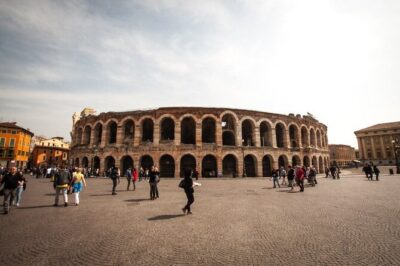
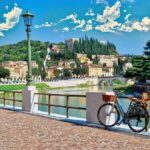
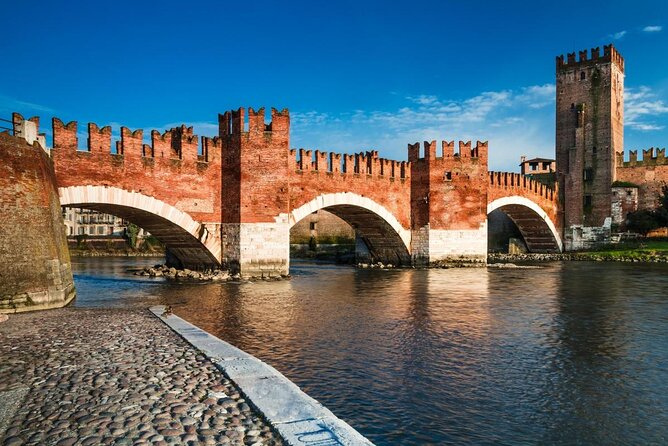
Even though the main event is the vineyard estate, the drive isn’t totally “just transportation.” Along the way, the route includes stops that pass notable spots around Verona and the route out to Valpolicella, including Ponte Scaligero and Statue of Dante Alighieri, plus bridges like Ponte della Vittoria.
This is a nice bonus if you’re also doing Verona sightseeing that day. You get a little context of the city as you leave it, then you switch into countryside mode without doing extra work.
And because the group is small (max 18), the ride feels like part of the day rather than a crowded bus commute where you spend the whole time avoiding eye contact.
Price and value: what $84.69 gets you (and what makes it fair)
At $84.69 per person for about 2 hours 30 minutes, you’re paying for more than a sip-and-smile tasting. You’re paying for:
- a guided vineyard walk
- tours of the cellar and Fruttaio
- instruction on how to evaluate the wines
- a tasting that includes Valpolicella, Ripasso, and Amarone
- pairing with organic extra virgin olive oil and local cheeses, including Monte Veronese and Soppressa
- transportation from Verona to avoid dealing with driving
Compared with bigger, more industrial winery tours, this tends to feel like better time use. You get the family estate atmosphere and the process detail, and you don’t spend your energy waiting around for the next group.
You also have an advantage in group size. Max 18 means the day can stay conversational, and you’re less likely to feel like a numbered ticket.
If you’re the type who wants a quick group “tasting stamp,” this may feel a little slower than you expect. If you want to learn what you’re tasting and why the grapes matter, the value is solid.
Who this tour fits best
This is a strong choice if you:
- want a family-run winery experience rather than a big production line
- enjoy structure—walk, cellar tour, and a tasting with guidance
- care specifically about Valpolicella reds, especially Ripasso and Amarone
- want Verona countryside without the driving stress
It’s also a good fit for solo travelers. A small group setup usually means you can meet people if you want, or stay in your own zone if you don’t.
If you’re traveling with someone who’s not obsessed with wine, the estate tour and food pairing still work. The day gives you enough variety—vines, architecture, cellar steps, terrace views, and bites—to keep the non-wine folks interested.
Quick reality check: possible drawbacks to factor in
The experience is very well rated, but you should go in knowing what can affect your day:
- Transportation confusion can happen if you misread the meeting instructions or trust a map pin instead of the provided directions
- Weather can reduce how dramatic the terrace view is, especially in mist
- Like any tasting, wine servings may feel smaller if you’re expecting a heavy pour all the way through
None of those issues ruin the day if you plan for them. The key is to treat transportation instructions as part of the experience, not an afterthought.
Should you book Tenuta Santa Maria Valverde?
If you want an authentic Valpolicella wine day with real estate history, the Fruttaio stop is reason enough. Add the small-group feel, the guided walk, and a tasting that ranges from Valpolicella to Amarone, and you get a rounded experience without feeling like a hurried checklist.
I’d book this when:
- you’re staying in Verona and want countryside wine time with less hassle
- you’re curious about how dried-grape steps shape Amarone-style wines
- you like food pairings that make the tasting easier to understand
I’d think twice if:
- you hate any chance of transportation ambiguity and need everything to feel foolproof
- you’re going on a day you absolutely cannot handle any delays at all
If you do book, read the transport instructions carefully, arrive with a little buffer time, and bring a calm attitude. This is the kind of tour that pays you back in stories and in taste.
FAQ
How long is the Valpolicella vineyards and wine tasting experience?
It runs for about 2 hours 30 minutes.
Is the tour offered in English?
Yes. The experience is offered in English.
What wine styles will you taste?
You’ll taste a selection of Valpolicella, Ripasso, and Amarone wines.
Is transportation from Verona included?
The experience includes round-trip transportation from Verona so you can avoid driving, and it ends back at the meeting point.
How big is the group?
The tour has a maximum of 18 travelers.
Can I cancel for a full refund?
Yes. You can cancel up to 24 hours in advance for a full refund. If you cancel less than 24 hours before the experience starts, the amount paid will not be refunded.