REVIEW · VERONA
Dark Historical Verona Walking Tour
Book on Viator →Operated by Girolami Maria Pia · Bookable on Viator
Verona has a darker side worth walking. I like this tour because it mixes well-paced storytelling with real places—Arena legends you can’t ignore, the Jewish history near the Sinagoga di Verona, and the Scala tombs where family power turned brutal. You’ll also feel looked after by the guide, which matters when you’re walking old streets at night.
One heads-up: this is built around cruel historical facts, not ghost stories. If you came hoping for lots of architectural stop-and-stare detail, you may find the tone a little more “story first” than “building-first.”
In This Review
- Key things that make this tour work
- Dark Verona at Night: The Style of the Tour
- Arena di Verona Stories You Won’t Hear on a Daytime Walk
- Jewish History at the Sinagoga di Verona
- Piazza delle Erbe: Pillory, Cages, and Public Shame
- Piazza dei Signori to Arche Scaligere: Power Struggles in Stone
- Casa di Giulietta, but Make It Tragic
- Price, Duration, and Small-Group Value
- Night-Walking Logistics and What to Bring
- Should You Book This Dark History Walk?
- FAQ
- How long is the Dark Historical Verona Walking Tour?
- Is the tour offered in English?
- Do we enter the Arena di Verona?
- What major stops are included?
- Is admission included for the stops?
- What’s the group size?
- What if weather changes my plans?
- FAQ
- Where does the tour start and end?
- Is hotel pickup included?
- Is the tour accessible and okay for most people?
- Are there multiple departure times?
- Do I get a mobile ticket?
Key things that make this tour work
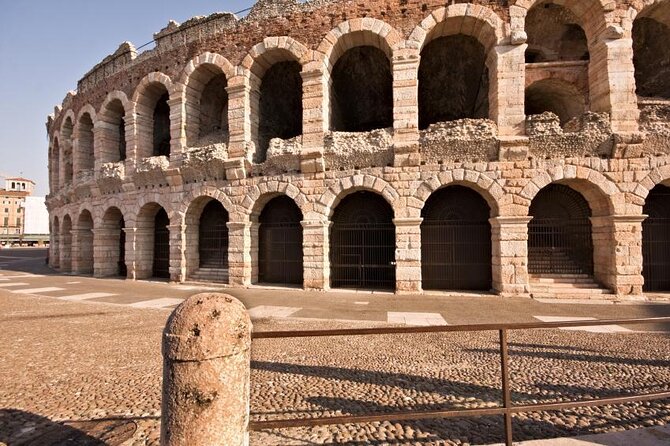
- A guide-led night walk that keeps you oriented so the route feels easy instead of stressful
- Arena di Verona history without the ticket headache since you don’t enter the arena
- Sinagoga di Verona and WWII-era human stories instead of a generic history lecture
- Medieval punishment sites in Piazza delle Erbe that explain how public discipline worked
- Arche Scaligere tombs tied to family rivalries rather than just “pretty stone”
- Ending near Casa di Giulietta with the tragic side of the legend in the mix
Dark Verona at Night: The Style of the Tour
This is the kind of Verona walk that changes your “romantic postcard” view. You start at an atmospheric hour and then move from square to square with a local guide who tells stories with momentum. It’s not a hushed museum tour. It’s more like hearing the city’s plot from someone who’s lived with these streets for years.
I particularly like two things about the experience. First, the guide connects places to events that shaped Verona—so you’re not just reading plaques, you’re getting meaning. Second, the group stays small (up to 15), which helps the pace stay calm and questions actually get answered. One review praised the guide Maria Pia for storytelling that feels like walking with an old friend; another highlighted Frank as engaging even with a wide age range, including a 9-year-old.
If you want a tour that feels fun while still tackling hard topics, this usually delivers. But it’s also fair to say that “dark” here means historically dark—public cruelty, political murders, and wartime loss—so keep your expectations aligned. And if rain shows up, the experience can still roll on; at least one guide kept the tour moving during a downpour.
You can also read our reviews of more tours and experiences in Verona.

Arena di Verona Stories You Won’t Hear on a Daytime Walk
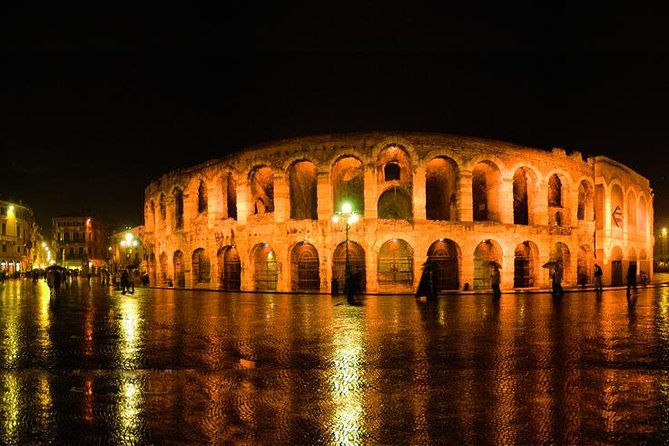
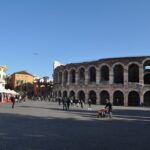
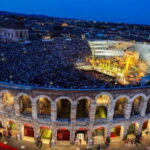
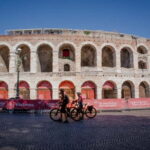
You get your first big-hit moment at the Arena di Verona, but you don’t go inside. Instead, you learn why the arena mattered, and you hear about the stories tied to it—how crowd events could turn catastrophic.
Two details are part of the tour’s hook: what happened in the Arena on the Ides of March in 54 AD, and why an event on February 13, 1278 involved 176 people, including children, who were burnt alive. Whether you’re a history buff or just the curious type, those are the kinds of facts that make the building’s shape feel more real and less like a backdrop for photos.
Why I think this stop is a smart choice: avoiding the interior keeps the timing efficient, and it lowers the “wait and wander” part of a walking tour. You still get the drama, but you don’t get stuck in ticket lines or timed-entry chaos.
Jewish History at the Sinagoga di Verona
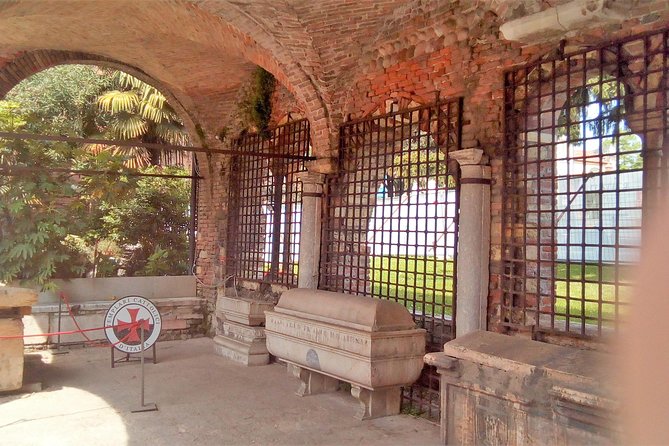
At the Sinagoga di Verona, the tone shifts from ancient spectacle to lived human impact. The tour looks at what happened to the Jewish family who lived next to the synagogue during WWII. This is the stop where the city’s layers feel painfully personal, not just historical.
You’ll also get a different perspective on Verona from this area. It’s not just “here’s the building.” It’s more like, stand here, picture the period, and understand how neighbors and institutions were entangled with what came next.
This is also a good moment to slow down and ask yourself what you know about Verona before you arrive. Most visitors come in with “Romeo and Juliet.” This stop forces the city to be more than a love story, and that’s exactly why it earns its “dark history” label.
Piazza delle Erbe: Pillory, Cages, and Public Shame
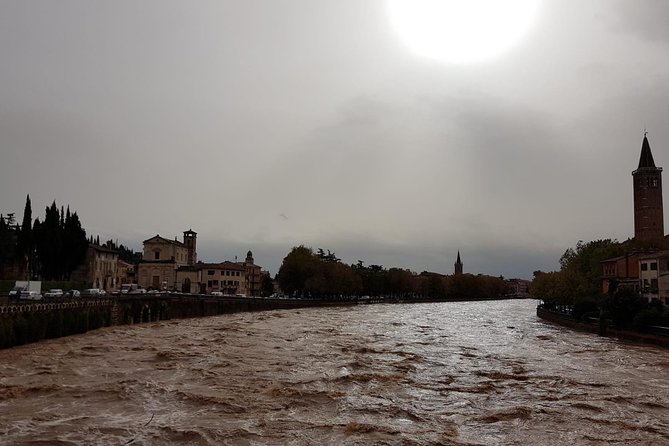
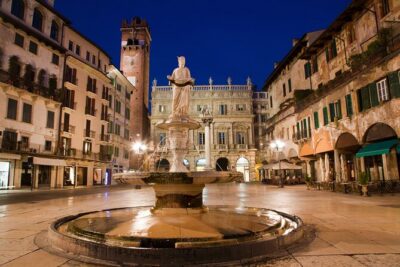
Next up is Piazza delle Erbe, Verona’s medieval heart. Here the tour leans into how daily life could include public cruelty. You’ll watch and learn while passing places tied to punishments—like the pillory and the tower where an exposition cage was used.
Even if you’re not into medieval governance, these sites explain the social logic of the era: public discipline wasn’t hidden away; it was part of the square’s spectacle. The result is that the square stops being just a pretty place to snack and becomes a stage where power was visible, and consequences were public.
This stop also works well for a night walk because it gives you a “story snapshot” rather than requiring long travel between places. You’re learning in the middle of the city’s rhythm.
Piazza dei Signori to Arche Scaligere: Power Struggles in Stone
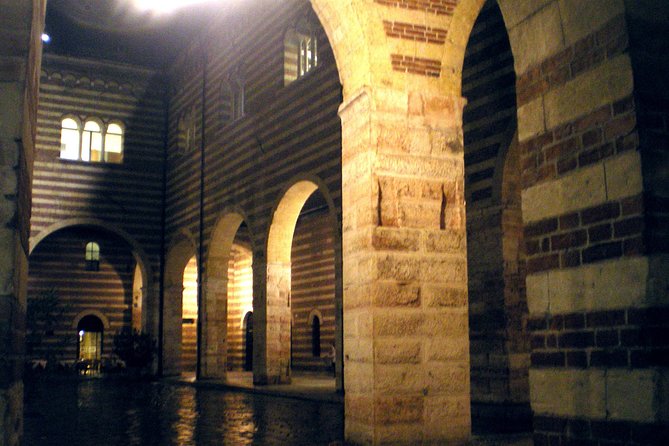
The route then moves into Piazza dei Signori, one of those squares where the surrounding buildings feel like they’re quietly holding old secrets. One key moment on the tour: you pass by the corner where Mastiff I of the Scala family was murdered in 1277.
From there, the stories widen. You hear about the sad destiny of orphans, Dante and his flight from Florence, and the hard life under the Austrian-Hungarian Empire. It’s a lot of time periods in a compact walk, but the guide’s job here is to connect the dots so it doesn’t feel like random trivia.
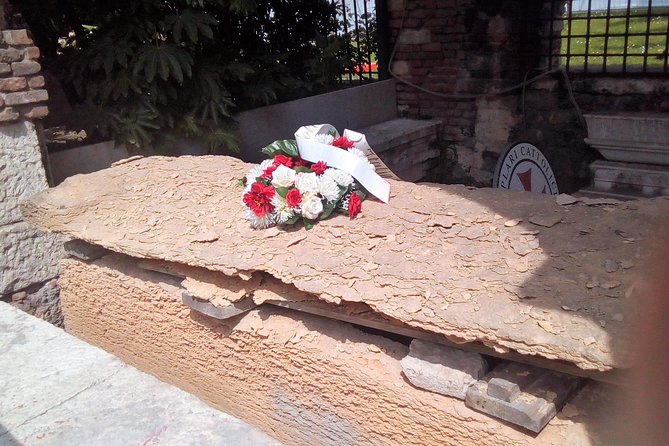
Then comes Arche Scaligere, the Scala family tombs. Here the tour focuses on what the stones can hint at: brother against brother, plots that turned violent, and the cycles of murders and attacks inside a powerful family. This is where Verona’s beauty and brutality sit side by side. You may start noticing how a city advertises legitimacy through monuments—even when that legitimacy was won the hard way.
A practical note: tomb areas and sculpted sites tend to work best when you pause and let the guide’s narration slow you down. If you rush through looking for photo angles only, you’ll miss some of the meaning.


Casa di Giulietta, but Make It Tragic
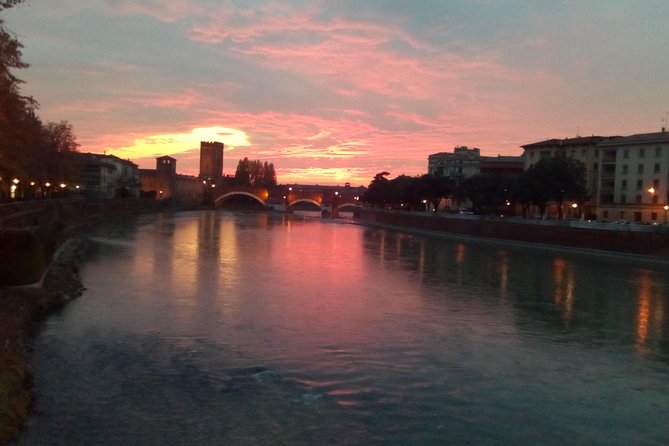
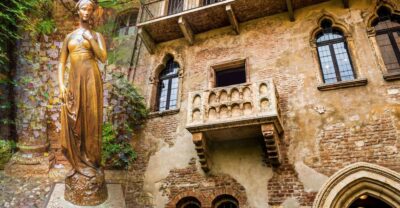
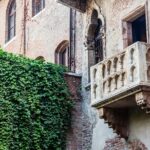
The walk ends at Casa di Giulietta (Via Cappello, 23). You get the familiar Verona anchor, but the tour doesn’t treat it like a cute stop. It tells the sad story of the doomed lovers.
This is a good way to finish because it gives emotional closure—something the earlier stops build toward. You’ve spent the evening hearing about cruelty, power, and loss. By the time you reach Juliet, romance and tragedy feel like they belong in the same city.
Also, ending here is convenient. It’s a well-known location, easy to orient from later, and it lines up nicely with the fact that the tour offers several departure times to fit your schedule.
Price, Duration, and Small-Group Value
The price is $66.52 per person and the tour lasts about 1 hour 30 minutes. That’s a fair chunk of time for a walking evening, especially since the route includes multiple major sites and a local guide throughout.
What makes this feel like good value is the package style:
- You get a local guide rather than just self-guided walking.
- The tour’s content includes several heavy-hitting stories tied to specific landmarks.
- The group cap is 15 travelers, so it doesn’t feel like you’re shouting over a crowd.
Admission is listed as free for the stops, and the arena is historical-only (you don’t enter). So you’re paying mainly for the guide and the concentrated storytelling, not for a stack of entry tickets.
One more reality check: tours like this can run a little long if the group has questions or the weather gets messy. A review mentioned the tour running closer to two hours when the schedule shifted, so I’d treat 1.5 hours as the typical range and plan a little buffer if you’re heading to dinner right after.
Night-Walking Logistics and What to Bring
This is a night walk, so your success depends on comfort and pacing. The tour is offered in English, with mobile ticket access, and it’s near public transportation. There’s no hotel pickup, so you’ll want to arrive on time at the start point and be ready to walk.
The start location is listed near CXQV+F2 Verona and the tour ends at Via Cappello, 23 (Casa di Giulietta). It’s a nice end point because you’re not left in an awkward transit dead zone.
What to bring:
- Comfortable shoes with grip, because Verona’s streets can be uneven.
- A light layer for evening air.
- If rain threatens, plan for it. One guide kept the tour going during a downpour, which tells me they’re used to adapting.
Finally, guides matter here. The provider is Girolami Maria Pia, and different guides may lead different departures—reviews mention Maria Pia, Frank, and Alessandra by name. The common thread is storytelling with energy, plus the ability to keep different ages engaged.
Should You Book This Dark History Walk?
Book it if you want Verona that goes past postcard romance. This tour is best for people who enjoy stories tied to real locations—especially when those stories include the city’s darker turns: WWII-era loss near the synagogue, public medieval punishment in the squares, and Scala-family power struggles carved into tombs.
Consider skipping (or pairing with something else) if your priority is strictly architectural detail, or if you only want lighter, feel-good content. The tour can feel dramatic, and the pacing is guided by narrative rather than slow observation of design features.
If you can spare an evening, I think it’s one of the smartest ways to start your trip. It helps you see Verona. After this walk, you won’t look at the landmarks the same way again.
FAQ
How long is the Dark Historical Verona Walking Tour?
It runs for about 1 hour 30 minutes.
Is the tour offered in English?
Yes, the tour is offered in English.
Do we enter the Arena di Verona?
No. You learn about the Arena di Verona’s history and stories from outside.
What major stops are included?
You’ll visit several landmarks, including the Arena di Verona area (without entry), Sinagoga di Verona, Piazza delle Erbe, Piazza dei Signori, Arche Scaligere, and the walk ends at Casa di Giulietta.
Is admission included for the stops?
Admission is listed as free for the stops mentioned in the tour.
What’s the group size?
This experience has a maximum of 15 travelers.
What if weather changes my plans?
You can cancel for a full refund if you cancel up to 24 hours in advance.
FAQ
Where does the tour start and end?
It starts near CXQV+F2 Verona and ends at Via Cappello, 23, 37121 Verona (Casa di Giulietta).
Is hotel pickup included?
No, hotel pickup and drop-off are not included.
Is the tour accessible and okay for most people?
The info says most travelers can participate, and service animals are allowed.
Are there multiple departure times?
Yes, there are several departure times you can choose from.
Do I get a mobile ticket?
Yes, it includes a mobile ticket.