REVIEW · VERONA
Guided Walking Tour on Verona Hillside
Book on Viator →Operated by Slow Travel Italia · Bookable on Viator
Verona looks different from the hillside. This guided walk mixes big viewpoints with storytelling from Leonardo, as you climb from Ponte Pietra toward Castel San Pietro. I especially liked the way the route ties together eras of Verona, from church stops to garden panoramas and Roman leftovers along the way.
Two standouts for me: the skyline views above the city and the sense that you are being led through Verona like a local, not rushed through checklists. One thing to consider is the uphill pace. The tour is listed at moderate fitness, so bring water and plan for a warm walk if you go in summer.
In This Review
- Key highlights to watch for
- Start at Ponte Pietra and climb toward the Verona skyline
- Meeting at Gastronomia Scapin 1935 and using your mobile ticket
- Stop-by-stop: what makes each hillside moment worth your time
- Ponte Pietra to Castel San Pietro: the climb with payoff
- S. Giovanni in Valle and a hidden garden stop, only if open
- Giardino Giusti: Renaissance structure and fountains from the 1500s
- Parco delle Mura e dei Forti: Verona’s layered defensive walls
- Piazzale Castel San Pietro and the fortress perspective
- Walking the ancient walls to the Don Calabria convent pause
- Teatro Romano: a Roman Theatre photo moment still in use
- What’s included in the $41.40 value (and what you should budget for)
- Pace and physical reality: what moderate fitness means here
- Tips to make your hillside walk smoother
- Who this guided Verona hillside walk is best for
- Should you book this Verona Hillside Walking Tour?
- FAQ
- How long is the Verona Hillside guided walking tour?
- What language is the guided tour offered in?
- Do I need to print a ticket?
- How big is the group?
- Are entrances to churches and gardens included?
- Is the hidden garden near S. Giovanni in Valle included?
- What should I bring for the walk?
Key highlights to watch for
- Ponte Pietra to the heights: a guided climb with wide panoramas as your reward
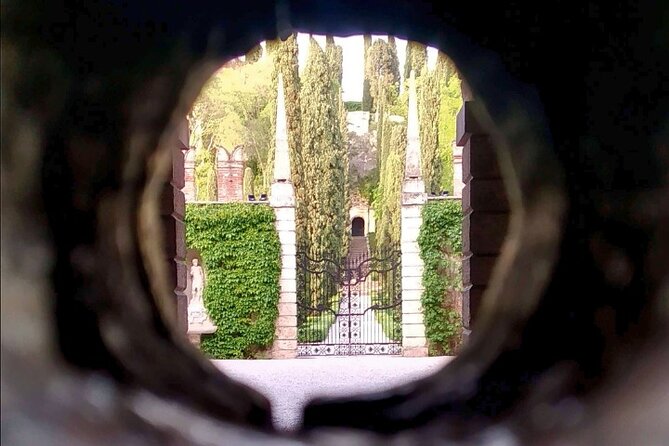
- Giardino Giusti views: Renaissance garden setting plus skyline photo moments
- City walls and fort areas: passing Verona’s defensive layers as kingdoms changed
- Private garden peek, if open: a hidden spot near S. Giovanni in Valle only when the gate is ready
- Roman Theatre photo stop: you’ll pause for pictures at an area still in use
- Foraging culture tips: small cultural extras that make the walk feel more human
Start at Ponte Pietra and climb toward the Verona skyline
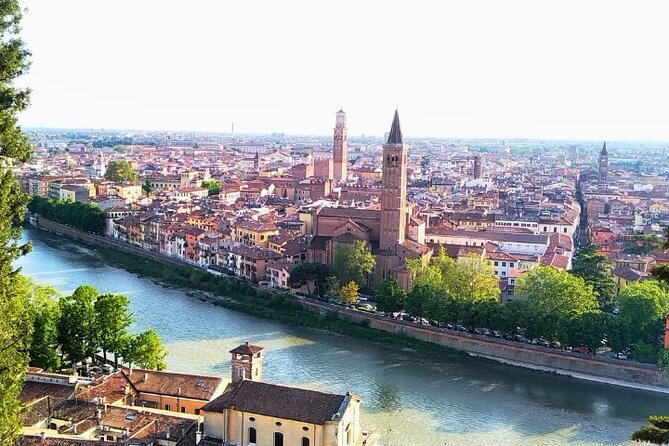
If you only see Verona from the river level, you miss a big part of the town’s personality. This experience starts around Ponte Pietra, then gradually lifts you up through neighborhoods and viewpoints until you’re looking back at the city like it’s a model laid out beneath you.
The guide-led approach matters here. You’re not just hiking from A to B; you’re getting a running explanation as you go—Roman remnants, places of worship, and the reasons the city grew where it did. The fact that the group stays small (up to 10) also helps. It’s easier to hear the stories and easier to pause for photos without feeling swept along.
And yes, the views are the whole point. From the hillside, Verona’s rooftops and streets have shape. They look planned, not random, and you quickly understand why locals came to live at the edge of the hills.
You can also read our reviews of more tours and experiences in Verona.
Meeting at Gastronomia Scapin 1935 and using your mobile ticket
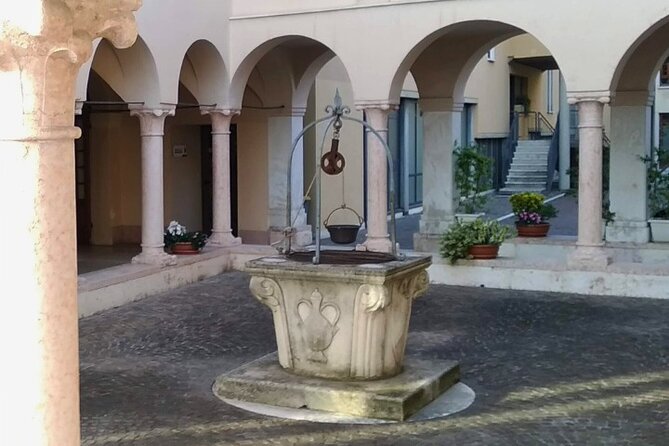
You’ll meet at Gastronomia Scapin 1935 Stonebridge, Via Santo Stefano, 12, Verona, then your walk routes you over to where the climb begins. The experience uses a mobile ticket, so you can keep things simple on your phone and not worry about printing.
This is also listed as near public transportation, which is handy if you’re mixing it with other plans. The time frame is about 2 hours, which makes it a good morning or pre-dinner activity when you want movement but not an all-day commitment.
One practical note: the tour is in English, so you’ll get full context as you walk. That’s especially useful with stops that are easy to overlook if you just wander—churches, garden areas, wall sections, and the Roman Theatre viewpoint.
Stop-by-stop: what makes each hillside moment worth your time
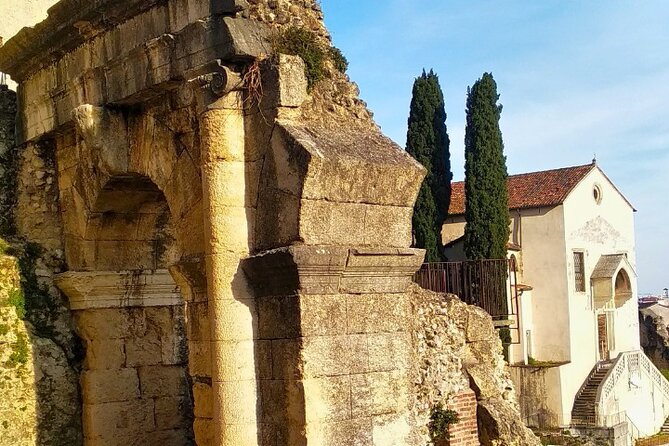
Ponte Pietra to Castel San Pietro: the climb with payoff
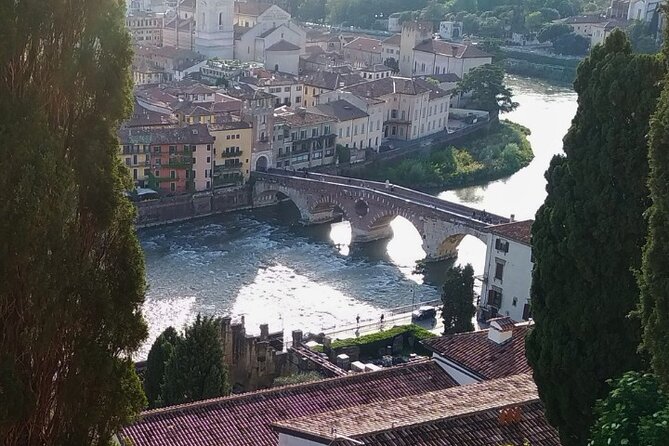
The first named moment is Ponte Pietra, the iconic stone bridge. From there, you start heading up toward Castel San Pietro. Expect a gradual ascent that feels like it builds rather than shocks—so you can keep your energy for the viewpoints near the top.
This is where I’d tell you to pay attention to what you can see, not just where you’re going. The guide helps you orient yourself so the skyline isn’t just pretty; it becomes readable. When you get up near the height, the view feels like a reward you earned, not a random photo opportunity.
If it’s warm, take it seriously. One review mentioned a hot morning and the advice to bring water, with water points available up the hillside. I agree with that logic: if you’re going to climb, don’t gamble with hydration.
S. Giovanni in Valle and a hidden garden stop, only if open
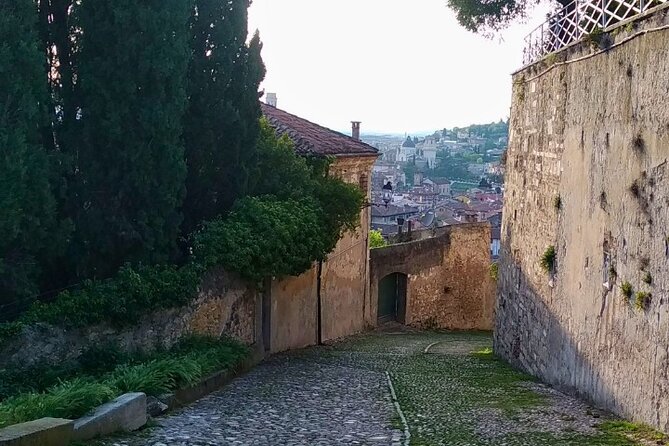
Next comes S. Giovanni in Valle, a church you pass by that has a unique feel. The tour also includes a stop near it for a nearby hidden garden, but there’s an important condition: the private garden access is only possible if it’s opened.
This is a great example of why a guided walk can be better than self-planning. Even if you never find the exact right side entrance on your own, the guide knows where to look and when it might be possible. If the gate is closed, you still get the main walk and the viewpoints—so you’re not left disappointed.
It’s also a reminder to keep flexible expectations. You’re buying time with a guide and the chance of extra access, not guaranteed entry to every private or church space.


Giardino Giusti: Renaissance structure and fountains from the 1500s
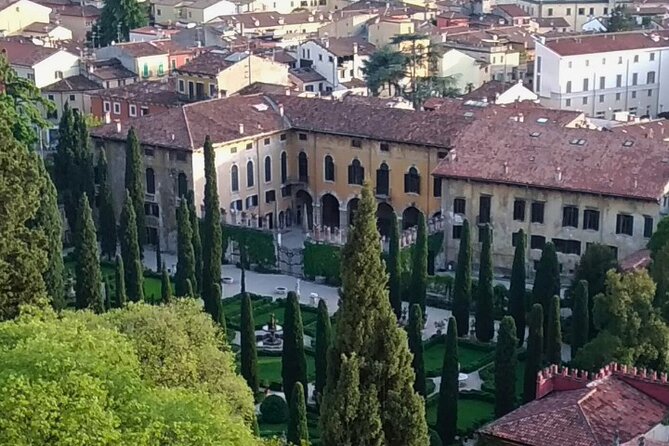
After that, you’ll continue on to Giardino Giusti. Even if you don’t go deep into the garden itself, the walk is timed so you benefit from its perspective—this area gives you a panoramic feel over Verona.
What makes Giardino Giusti special in practical terms is its style. The garden is described as historic with Renaissance architecture, meticulously manicured spaces, and fountains dating back to the 16th century. That matters because it changes how you view it while walking by: you start noticing how the garden’s design shapes sightlines and how it frames the city beyond.
If your timing lines up, you’ll get excellent photo angles. The hillside here is doing double duty—letting you appreciate the garden and letting you understand Verona’s layout at the same time.
One caution: garden and church entrances are not included, so treat Giardino Giusti more like a guided “view and vibe” stop on this walk, not a full garden-ticket experience.
Parco delle Mura e dei Forti: Verona’s layered defensive walls
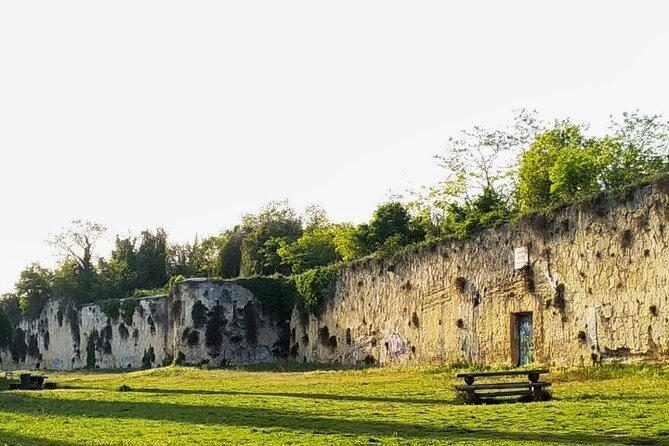
As you keep moving, you pass through Parco delle Mura e dei Forti. This is where you’ll look at Verona’s walls in a more historical way. The explanation focuses on how the defensive system was layered over time, shaped by different kingdoms that ruled the town.
Even if you don’t study military history, this makes your brain click. The walls aren’t just old stone. They represent control, protection, and strategy, and they explain why the city feels walled-in from certain angles.
This stop also helps pace the walk. It’s a change of scene from garden viewpoints to linear wall views. You get a different kind of visual satisfaction: long stone lines, strategic corners, and the sense of moving through time.
Piazzale Castel San Pietro and the fortress perspective
You’ll head higher to Piazzale Castel San Pietro, where you pass Castel San Pietro and learn about what’s nearby, including the medieval fortress area behind Re Teodorico.
Again, this is more about context than admission. The tour is about learning how the city’s topography connects to its power points—where people could look out, defend, and control movement.
The best part here is the viewpoint energy. You feel like you’re stepping into an elevated role, which makes the next stop more fun too.
Walking the ancient walls to the Don Calabria convent pause
After the high viewpoint area, you continue along the ancient walls until you reach the Don Calabria convent. This is built into the walk as a breather moment.
I like this portion because it breaks the “photo, photo, photo” pattern. You get a quiet pause in a calmer setting and time to catch your breath without needing to rush into the next crowded site.
If you’re the kind of traveler who likes to slow down, this stop will feel like it was added for you. It also gives your legs a rest before the final stretch.
Teatro Romano: a Roman Theatre photo moment still in use
The last major named stop on the walk is Teatro Romano—the Roman Theatre. The description notes it’s still in use, which adds a special layer to the moment.
You’ll pass by and take a moment to pause for photos. The guide’s approach here leans into the “theatre attendant” viewpoint, basically helping you imagine how the space would have looked and worked when it was alive with performances.
This is a smart ending because it connects the hillside to the deep past. You started with river-level Verona. You end with Roman heritage that you can still see functioning in the present.
Even if you don’t go inside, the stop lands with emotional weight because the route brought you there: the climb lets you see the Theatre area differently than a quick museum-style visit would.
What’s included in the $41.40 value (and what you should budget for)
At $41.40 per person for about two hours, the value is in four places:
1) Time with a guide who explains what you’re seeing.
You’re not just walking. You’re getting stories across time periods: churches, gardens, walls, and Roman sites.
2) A small group size.
With a maximum of 10 people, you get more interaction and more pauses for photos.
3) Possible private garden access.
That hidden garden moment near S. Giovanni in Valle is included only if it’s open. When it works, it turns the walk from nice to genuinely memorable.
4) Foraging culture tips.
This is one of the more distinctive inclusions: you’ll get tips and tricks about foraging culture in town. It’s not a typical “main sight only” add-on, so it makes Verona feel more lived-in.
What’s not included is also clear and useful: entrance to churches and gardens. So if you want deeper time inside Giardino Giusti or inside church spaces, you’ll need extra plans and tickets outside this walk.
That keeps the tour focused. You get the best parts of the hillside route without turning it into a ticket-hopping day.
Pace and physical reality: what moderate fitness means here
The tour lists a moderate physical fitness level, and that’s fair. You’re climbing uphill for roughly two hours, with short stops along the route.
The good news is the time distribution: many stops are around five minutes, with a longer photo pause at the Roman Theatre area. You’re not expected to stand still for long stretches. You’ll walk, pause, listen, then move again.
If it’s hot, take the climb seriously. One review specifically advised bringing water and noted there are water points up the hillside. That’s the kind of practical info that makes the difference between a fun morning and a miserable one.
Tips to make your hillside walk smoother
Here are the simple choices that will help you enjoy the climb:
- Bring water, especially on warmer days.
- Use your phone map before you go, so the meeting point near Via Santo Stefano doesn’t feel stressful.
- Wear footwear you trust for uneven streets and uphill paths.
- Take photos during the planned pauses, not while you’re still climbing hard.
I also recommend going in with a mindset of orientation. This tour works best when you let the guide help you understand where you are and why the city built upward here. It turns a walk into a story you can actually remember later.
Who this guided Verona hillside walk is best for
This is a good fit if you want:
- A short guided walk that still covers big Verona territory in about two hours
- Great views without a full-day hike
- A mix of gardens, walls, and Roman sites in one connected route
- A guide who shares context, including small cultural notes like foraging
You’ll probably enjoy it most if you’re comfortable walking uphill at a steady pace and you like learning while you move. If you prefer a totally relaxed, flat stroll, this might feel like more effort than you want.
Should you book this Verona Hillside Walking Tour?
I’d book it if your Verona plans include time for views and you like a guide who explains what you’re seeing. For $41.40, the price feels fair because you’re paying for guided context, small-group pace, and the chance at a private garden access moment when it’s open.
I wouldn’t book it if you’re hoping for guaranteed indoor entries to gardens or churches, because those entrances aren’t included. If you want quiet and low effort only, the hillside climb may be more physical than you want.
FAQ
How long is the Verona Hillside guided walking tour?
The tour runs for about 2 hours.
What language is the guided tour offered in?
It is offered in English.
Do I need to print a ticket?
No. You get a mobile ticket.
How big is the group?
The tour has a maximum of 10 travelers.
Are entrances to churches and gardens included?
No. Entrance to churches and gardens is not included. You mainly pass by and view them along the walk.
Is the hidden garden near S. Giovanni in Valle included?
It is included only if it’s opened. The tour includes a hidden spot entrance in private gardens when available.
What should I bring for the walk?
Bring water, especially if it’s hot, since the walk includes a hillside climb.