REVIEW · VERONA
Taste with us Bardolino, Chiaretto and Lugana near Verona
Book on GetYourGuide →Operated by CANTINE GIACOMO MONTRESOR · Bookable on GetYourGuide
Five wines in ninety minutes is a smart way to sample Lake Garda. I love the cellar tour—from pressing and fermentation through the grape drying room—and the Lugana DOP plus Bardolino Chiaretto tasting paired with local cold cuts and cheeses. One possible drawback: the pacing can feel a bit brisk if you like to linger over each explanation and finish every pour.
The visit also includes a stop in the wine museum, so you get more than just tasting notes. With an English live guide, you’ll learn how the winemaking process shapes the final wines, and you’ll leave with a clear sense of what makes Lake Garda grapes special.
In This Review
- Key takeaways
- Cantine Giacomo Montresor: Lake Garda Wines Close to Verona
- A Tight 1.5-Hour Plan That Still Feels Like a Real Winery Visit
- Inside the Winery: Pressing, Fermentation, Drying Room, and Underground Aging
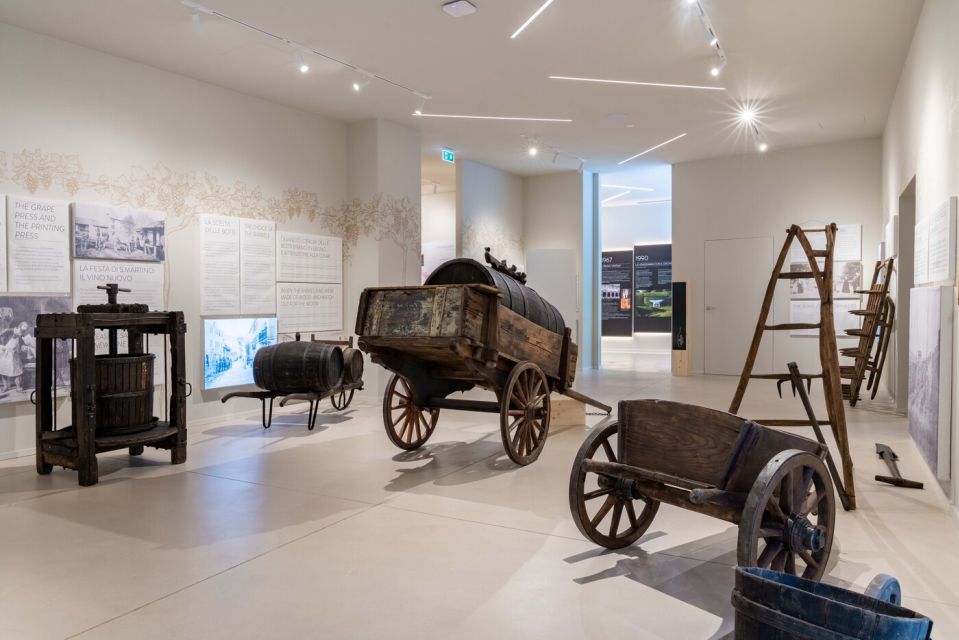
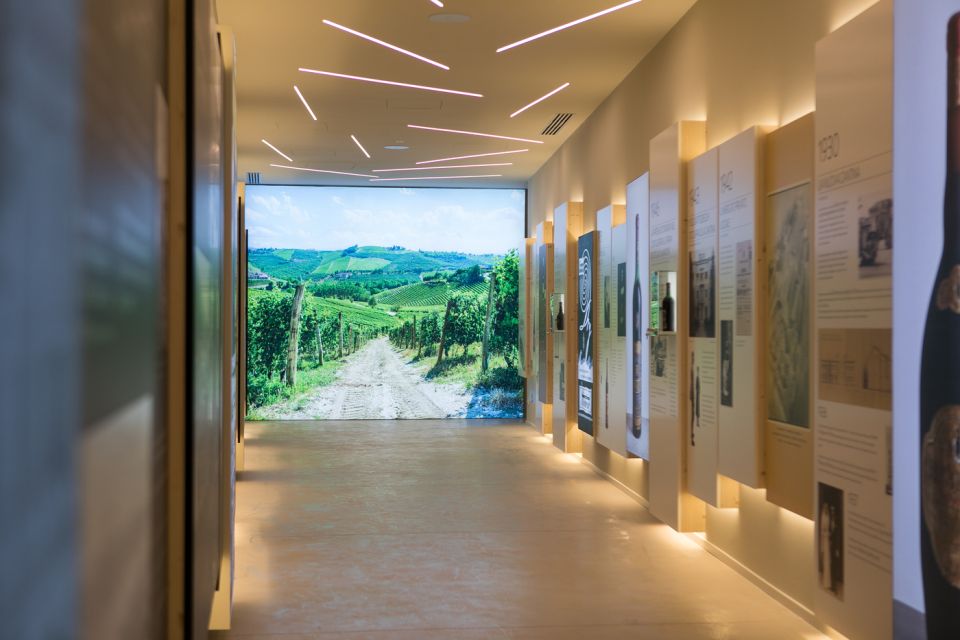
- The Wine Museum Stop: Context Before the Tasting
- Five Wines at the Table: Lugana and Bardolino Chiaretto in Focus
- Pairing Wine With Local Meats and Cheese (and Why It Works)
- The Host Experience: Friendly, Clear Explanations With a Real Human Touch
- Price and Value: Is $35 Worth It?
- Practical Tips So You Enjoy Every Pour
- Who Should Book (and Who Might Want to Skip)
- Should You Book? My take
- FAQ
- How long is the wine tasting experience?
- What is the price per person?
- What wines will I taste?
- What’s included in the tour price?
- Is transport included?
- Is the tour wheelchair accessible?
- What language is the guide?
- Who is this tour not suitable for?
- Can I cancel for a refund?
Key takeaways
- Pressing, fermentation, drying room, and underground aging in one guided cellar route
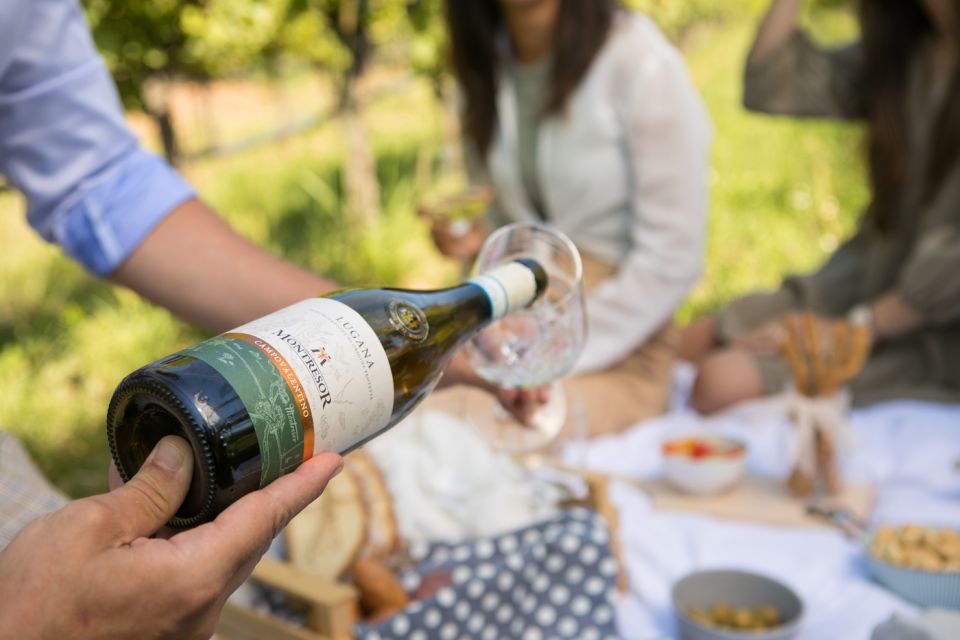
- Five wines to taste, including Lugana DOP and Bardolino Chiaretto rosé
- Light lunch style snacks: cold cuts and cheeses matched to what you’re drinking
- A wine museum visit that adds context before the tasting
- Quick pace is great for busy schedules, but not ideal for slow readers
Cantine Giacomo Montresor: Lake Garda Wines Close to Verona
This tasting is built for people who want a real winery experience without eating up an entire day. You’re in Lake Garda territory, but you’re close enough to Verona that this can work as a focused add-on to a Verona itinerary.
What I like most is how the day has a clear flow. You start with the winery story in the cellar and the museum, then you move into tasting with a set wine route. That matters because it turns your palate from random sipping into something more informed. Instead of “that’s tasty,” you get “here’s why it tastes that way.”
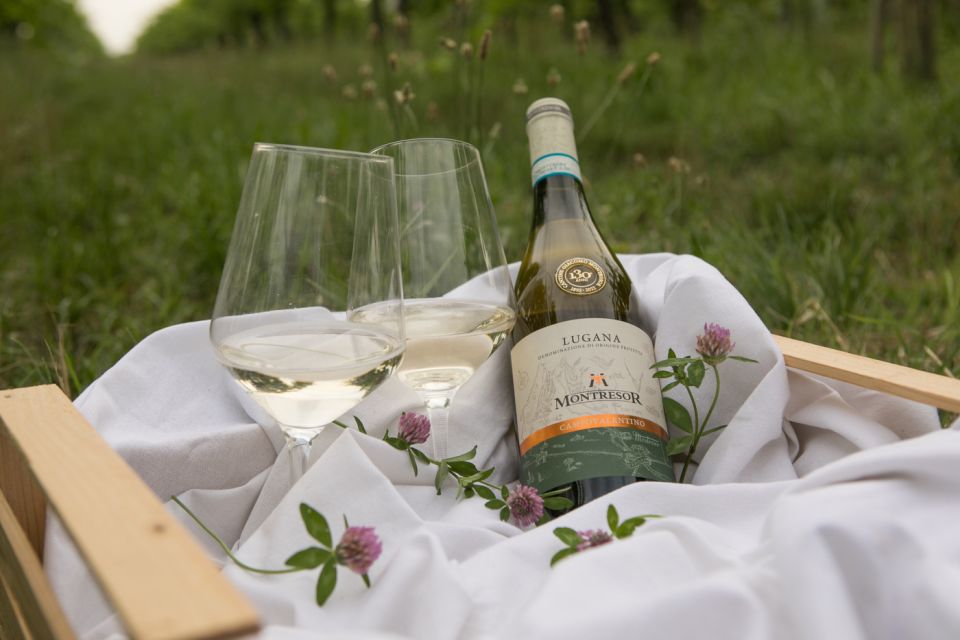
If you’re a fan of Lake Garda whites and rosé, you’re in the right place. The wines on the tasting list lean into Lugana DOP and Bardolino Chiaretto—a very drinkable, food-friendly direction that fits well with a quick lunch.
You can also read our reviews of more tours and experiences in Verona.
A Tight 1.5-Hour Plan That Still Feels Like a Real Winery Visit
You’re looking at about 1.5 hours total. That short duration is a big part of the value. It’s long enough to see multiple cellar zones, taste five wines, and eat something, but short enough that you won’t feel wrecked afterward.
Here’s the practical way to think about it:
- You’ll be guided through the cellar and connected spaces (including the wine museum).
- Then you’ll do a wine tasting session that follows the chosen wine route.
- You’ll also get snacks and a light lunch selection geared to the wines and the season.
Because the overall timeline is compact, the guide tends to keep things moving. That’s good for most people. If you’re the type who reads every panel, you may want to slow yourself down during the museum portion by focusing on the areas that interest you most.
Inside the Winery: Pressing, Fermentation, Drying Room, and Underground Aging
The cellar visit is where this tour earns its keep. You’re not just walking past barrels. You’re shown specific steps in the process—pressing and fermentation areas, a grape drying room, and then the underground cellars where wines age and refine.
Each of these spots has a job, and the guide’s explanation connects the dots:
- Pressing and fermentation plant: This is where grapes turn into must and then wine. It’s the turning point, and seeing the process helps you understand why certain styles come out fresher or more structured.
- Ancient grapes drying room: Drying concentrates flavors. Even if you don’t catch every technical term, the idea is easy: less water, more intensity, and a different aromatic profile.
- Underground cellars for aging: Cool, stable conditions help wines develop over time. It’s one of those details that makes the tasting make more sense, because aging changes texture and balance.
If you like hands-on learning, you’ll probably enjoy this part. One person noted the tour covered everything from older tools to newer tanks and mechanisms, which is exactly the sort of contrast that makes winemaking feel tangible.
The Wine Museum Stop: Context Before the Tasting
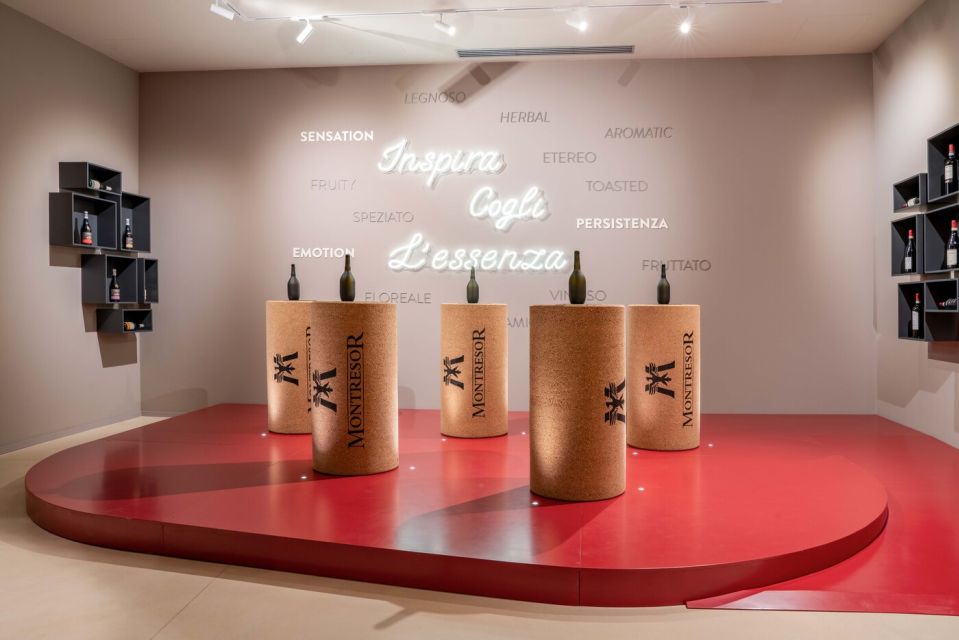
The wine museum gives you a quick foundation. You’ll get background that makes the wines feel less like a random flight and more like a result of local choices.
Some visitors felt the museum/history section moved quickly, and that’s the main trade-off. If you want to read slowly, you might focus on the highlights instead of trying to absorb everything line by line. Use your phone camera to save the most interesting displays so you can look up details later.
Still, even in a short format, the museum stop is a smart move. It helps you understand how the winery frames its identity and what the producers want you to notice when you taste.
Five Wines at the Table: Lugana and Bardolino Chiaretto in Focus
The tasting route includes these wines:
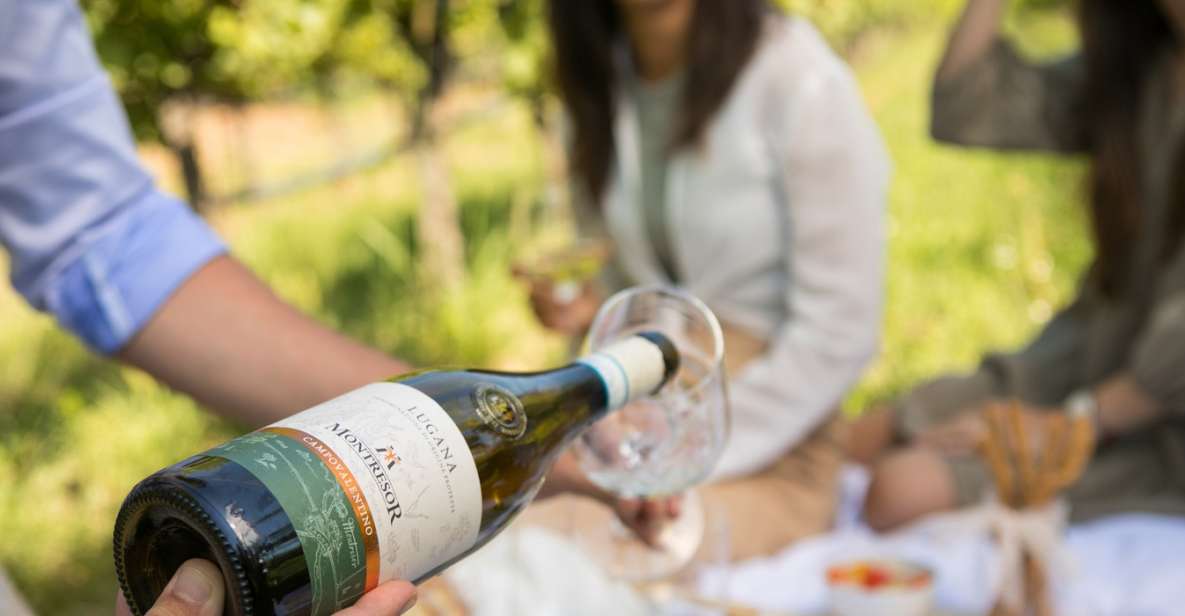
- Lugana DOP Le Tradizioni Campovalentino
- Lugana DOP Satinato
- Bardolino Chiaretto rosé Le Tradizioni Brolo Alto
- Bardolino DOP Le Tradizioni Le Banche di San Lorenzo
That lineup is a clear Lake Garda story. You start with Lugana, then move into Bardolino Chiaretto (rosé), which is often a bridge between crisp white-drinkers and people who like a little color and fruit without going full red.
Here’s why this combo is a good plan:
- You taste within the same broad region so you can compare styles rather than jumping across completely different worlds.
- You get contrast (white versus rosé) while staying in a food-friendly flavor lane.
- You can pick a “you’ll buy this bottle” favorite without needing to become a wine expert first.
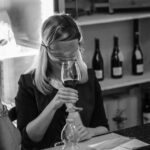
Also, pacing matters here. Some reviews note the guide sometimes moved from wine to wine quickly, which can make it harder to fully finish a glass and catch every nuance. If you’re the kind of taster who wants time to smell, sip, and reflect, just slow down on your side—take one solid look at the wine color, smell, and then sip before you move to the next pour.

Pairing Wine With Local Meats and Cheese (and Why It Works)
The light lunch and snacks are one of the strongest practical pieces. You’re eating what fits the area: cold cuts and cheeses, plus typical seasonal products meant to match the wines.
This kind of pairing matters because it changes what you notice. A wine that feels sharp on its own can taste smoother next to salty cheese. A rosé can feel more fruit-forward with cured meats. Instead of treating wine as a standalone drink, you get to taste it in a realistic “glass + bite” rhythm.
One especially positive point: people describe the accompaniments as delicious and falling nicely into the mouth, which is basically what you want from a winery lunch. It’s not a fancy multi-course meal. It’s a well-chosen food setup that helps the wine work harder.
A bonus detail: there’s mention of an aroma exercise in the experience. If that’s included on your session, it’s a smart way to sharpen your tasting. Even without technical vocabulary, learning how to identify aromas makes the flight feel more personal.
The Host Experience: Friendly, Clear Explanations With a Real Human Touch
A big reason this tour gets good marks is the guide vibe. People talk about guides who are gentle, friendly, and willing to explain without turning the session into a lecture.
One review specifically mentioned that Emma made an effort to adapt language during the tour, even when a booking was set for English. That’s a good sign for communication—wine tasting can get awkward if the guide is stiff or unclear.
Flexibility can also matter. One group noted they were able to swap and taste a red wine even though they had originally booked only white and rosé. That’s not something I’d treat as guaranteed, but it’s a useful tip: if there’s a specific wine direction you’re craving, ask the guide politely within the structure of the session.
One caution from an experience: a promised 20% discount for bottle purchases wasn’t applied for at least one person. So if you’re thinking about buying a bottle, ask for the exact bottle-discount rules before you leave. It’ll save you frustration.
Price and Value: Is $35 Worth It?
At $35 per person for a 1.5-hour guided experience, this isn’t just “pay for wine.” You’re also paying for:
- the entry ticket to the winery
- the wine museum
- a guided wine-tasting session
- snacks/light lunch with local foods
- a live English guide
When a winery tour includes both the cellar story and the tasting, it usually feels more complete. You’re not just getting a flight in a room. You’re getting a guided view of how the wine is made and then tasting the result.
Could it be better if you had more time per stop? Yes. Some people felt the museum and the tasting moved quickly. But for the price and the short schedule, the format generally makes sense. If you’re comparing this to longer full-day tastings, the cost efficiency is the point.
Practical Tips So You Enjoy Every Pour
A few simple moves will help you get the most out of a short, guided session:
- Bring a camera so you can capture what’s visually distinctive in the cellar and museum.
- Wear comfortable clothes—cellars can be cooler and walking can be uneven.
- If you care about learning slowly, pick one moment to go fully “curious mode”: either the museum displays or one part of the cellar process. Trying to do everything at once is how you miss it.
- During tasting, take control of your pace: smell, sip, and pause before moving on.
One more practical thought: transport isn’t included. Since the tasting is in the Lake Garda area near Verona, plan a taxi, a prearranged transfer, or a reliable ride back so you can relax once you start tasting.
Who Should Book (and Who Might Want to Skip)
This is best for adults who like wine and want a structured introduction that includes food. It’s also a nice match if you enjoy winery atmosphere—cellar steps, museum context, and a guided tasting flow.
It is not suitable for:
- children under 18
- vegans
- pregnant women
Also, unaccompanied minors aren’t allowed, so plan to have someone responsible with you if that applies to your group.
If you’re trying to decide based on your travel style, ask yourself one question: do you want a short, well-organized tasting with clear guidance? If yes, this fits. If you want a long, unhurried wine seminar, the fast pace might frustrate you.
Should You Book? My take
Book this if you want a high-value, short-format wine experience near Verona that includes both a cellar tour and a museum stop, then finishes with five wines and local snack pairings. For $35, it’s a solid way to understand Lake Garda wines without turning your day into a full project.
Skip it if you strongly prefer slow pacing and lots of free time to linger. This tour is designed to move through several steps in a tight window, so plan to focus on the parts you care about most.
If you’re ready to compare Lugana DOP and Bardolino Chiaretto with food at the center, this is a smart booking.
FAQ
How long is the wine tasting experience?
It lasts about 1.5 hours.
What is the price per person?
The price is $35 per person.
What wines will I taste?
The tasting includes Lugana DOP Le Tradizioni Campovalentino, Lugana DOP Satinato, Bardolino Chiaretto rosé Le Tradizioni Brolo Alto, and Bardolino DOP Le Tradizioni Le Banche di San Lorenzo (as part of the chosen wine route).
What’s included in the tour price?
Included are the entry ticket to the winery, the Wine Museum, a wine-tasting session, snacks, and a live guide.
Is transport included?
No, transport is not included.
Is the tour wheelchair accessible?
Yes, it’s wheelchair accessible.
What language is the guide?
The live tour guide is in English.
Who is this tour not suitable for?
It’s not suitable for children under 18, vegans, and pregnant women. Unaccompanied minors are also not allowed.
Can I cancel for a refund?
Yes. You can cancel up to 24 hours in advance for a full refund.