REVIEW · VERONA
Tour Guidato nel centro di Verona accompagnato da un Angelo
Book on Viator →Bookable on Viator
Verona is easy to love when you get your bearings fast. This guided center walk keeps things lively and focused, with an angel theme that culminates near a sculpture by the Duomo square. You’ll move through the heart of the city, hearing the stories behind landmarks without needing a map app.
I really liked the short, high-impact route and the way it turns big-name places into something you can remember. My other favorite part was the mix of places and topics—symbols and secrets in one square, tower bells and civic power in the next, then a saint’s story and Roman ruins before the final walk-off in the grand Duomo area.
One thing to keep in mind: this is mostly external views only, and it’s about learning the highlights quickly. If you’re hunting for long museum time or quiet, slow wandering, you might feel rushed.
In This Review
- Key highlights to look forward to
- One hour in Verona: the value behind a $46.96 walk
- Where you start (and how the route makes sense) at Madonna Verona and Piazza Duomo
- Piazza delle Erbe and the Torre del Gardello secret
- Torre dei Lamberti bells and Piazza dei Signori power scenes
- Santa Anastasia: why a person becomes a saint
- Ponte Pietra: the bridge story you’ll remember later
- Teatro Romano: surviving layers of Verona from the outside
- The Duomo square finish with an angel sculpture
- What this tour style feels like on the ground
- Weather, walking pace, and small practical tips
- Who should book this Verona center walk with the angel finish?
- Should you book this tour?
- FAQ
- Is this tour only outside, or do we go inside the sights?
- How long is the guided walk?
- What language is the tour offered in?
- What is the group size limit?
- How much does it cost?
- Where does the tour start and end?
- Do I need to buy separate tickets for the stops?
- Is there a mobile ticket?
- Is the tour near public transportation?
- Is confirmation guaranteed right away?
- What happens if the weather is poor?
Key highlights to look forward to
- One-hour pace that covers Verona center in a compact loop
- External-only visits that still tell clear, memorable stories at each stop
- Piazza-driven itinerary: squares, towers, bridges, and churches in sequence
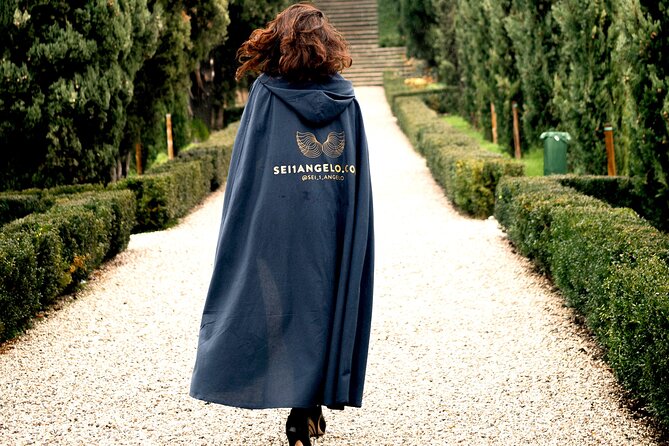
- Angel-themed finish near Piazza Duomo, tied to the walk’s route
- Small group limit (max 20), so the guide can keep it moving
- Free admission tickets included for the stops listed as ticket-free
One hour in Verona: the value behind a $46.96 walk
For $46.96 per person, you’re buying something simple and useful: a guided way to connect the dots in central Verona. The duration is about an hour, and that matters. In a city like this, you can spend half a day bouncing from landmark to landmark and still miss what makes each place click. This tour is designed to keep your attention on what you’re seeing right now.
It’s also a smart setup for first-timers. You get to stand in or near the major public spaces—Piazza delle Erbe, Torre dei Lamberti area, Piazza dei Signori, and Piazza Duomo—with someone explaining what they mean. There’s no ticket line to manage for the listed sights, since the stops are described with free admission tickets. You’re not paying extra to make the experience happen; you’re paying for the storytelling and the route.
Another value point: the tour runs in English and is capped at 20 travelers. Smaller groups usually mean fewer delays and more of a conversation feel, even if it stays structured. And if you like having your phone ready, the tour uses a mobile ticket, which keeps you from juggling paper during quick transitions.
You can also read our reviews of more tours and experiences in Verona.
Where you start (and how the route makes sense) at Madonna Verona and Piazza Duomo
The meeting point is at the Madonna Verona Fountain in Piazza Erbe (Piazza Erbe, 37121 Verona). Ending is near an angel sculpture in Piazza Duomo, at Piazza Duomo, 37121 Verona. That start-to-finish flow is one of the reasons this works so well in an hour.
You’re basically walking downhill through the city’s public life: market square energy up front, civic and power themes mid-route, then the grand religious and symbolic centerpiece at the end. Even if you don’t know Verona at all, you’ll start to feel the geography. Squares become anchors, towers act like landmarks, and the bridge and Roman theater connect different eras without requiring you to change plans.
Also, the tour is noted as near public transportation, which is handy if you’re staying a bit outside the center. When a route is timed tightly, you want to be able to get there without stress.
Piazza delle Erbe and the Torre del Gardello secret
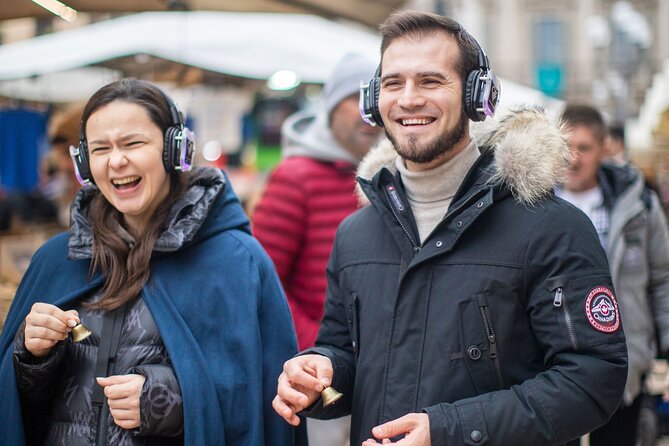
Your first stop is Piazza delle Erbe. This square is your orientation checkpoint, because it’s where the guide sets the tone for Verona: history in the open air, and clues you can still spot with your eyes.
Here’s what you’ll learn:
- The history of the square
- Which symbol of the city of Verona is located there
- The secret of the Torre del Gardello
That last piece is exactly the kind of detail that makes a place feel like more than a postcard. Verona is full of big, obvious sights. A square-based tour works because you’re in the middle of city life while the guide explains what to look for. You’ll also get context fast, so when other towers and churches appear later, they don’t feel random.
Practical note: because this is an external visit only, you’re not waiting for entry. You’re looking, listening, and moving. If you like a quick start—no long lines, no confusion—this opening stop usually lands well.
Torre dei Lamberti bells and Piazza dei Signori power scenes
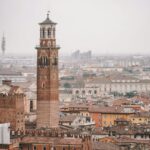
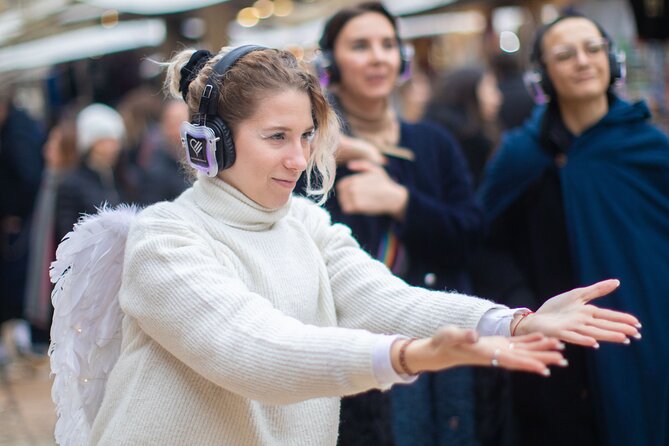
Next up is Torre dei Lamberti, where the tour focuses on the tower’s history and its unforgettable bells. Even from outside, a bell story works. It turns a tall structure into something human: a sound that once organized daily life, not just a vertical skyline item.
Then you shift to Piazza dei Signori, and the mood changes. This is where the tour leans into politics, dynasties, and literature.
You’ll learn about:
- The history of the magnificent square
- The Scaligeri dynasty
- Palazzo del Governo
- Dante
And you’ll see the tombs of the lords of the Scala, also external.
This is a high-learning stop because it ties together a lot of names in a small area. If you’ve ever walked through a European city square and felt like everyone else understands the references, this kind of guided link is what helps. You don’t have to memorize dates. You just need the relationships: who held power, what the buildings represent, and where literature fits in.
One consideration here: squares can get busy. The tour is short (about 10 minutes at this stop), so the guide keeps the movement steady. Still, if you’re sensitive to crowds, try to schedule your tour for a time when the center feels calmer.
Santa Anastasia: why a person becomes a saint
Stop four is the Basilica di Santa Anastasia. You’ll learn who Anastasia was and why she became a saint, plus the story of the church.
This stop can be surprisingly satisfying even as an external visit. Churches often look impressive from the street, but they can also feel distant if you don’t have a narrative thread. With the story of Anastasia explained, the building stops being just architecture and becomes part of Verona’s lived identity.
Since this tour keeps things moving, the explanation stays focused. You won’t get a long theological lecture. But you’ll leave with enough context to understand why the site mattered and why it’s still treated as meaningful today.
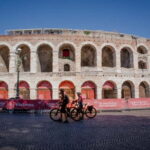

Ponte Pietra: the bridge story you’ll remember later
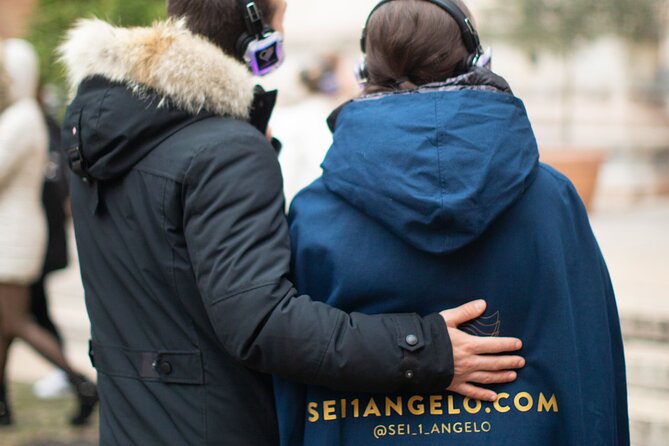
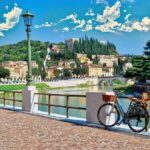
Then comes Ponte Pietra. The tour focuses on the history behind the creation of this bridge.
A bridge can seem like a simple connector until someone gives you the why. This is one of the stops where the time spent pays off later. When you see the span again on your own after the tour, you’ll be able to connect what you saw to the origin story you heard.
External visits here are a plus. You’re not stuck inside. You’re still walking and seeing the river-area setting in the normal flow of the city.
Teatro Romano: surviving layers of Verona from the outside
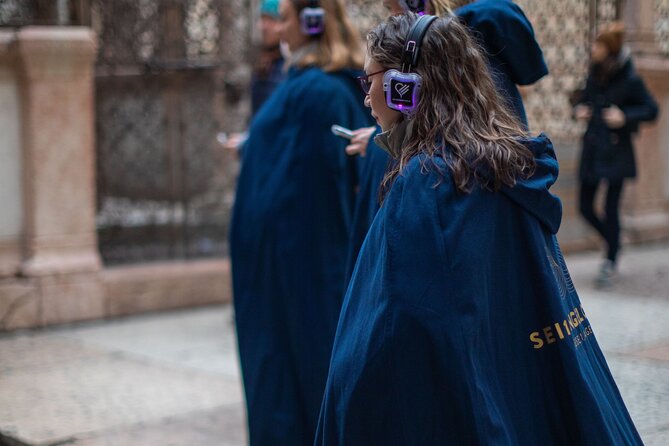
The final major viewing stop before the Duomo area is the Teatro Romano. You’ll see an ancient building that has survived to this day.
This is where Verona’s timeline becomes easy to grasp. You’ve moved from medieval civic life (towers and ruling dynasties) into sacred storytelling (Anastasia and the basilica), then you reach the Roman-era structure. Even without stepping inside, you can feel the difference in scale and purpose.
If you like the idea of seeing different eras in one short route, this is one of the strongest moments of the tour. It’s quick, but it gives you a real sense of continuity: Verona wasn’t rebuilt from scratch; it accumulated.
The Duomo square finish with an angel sculpture
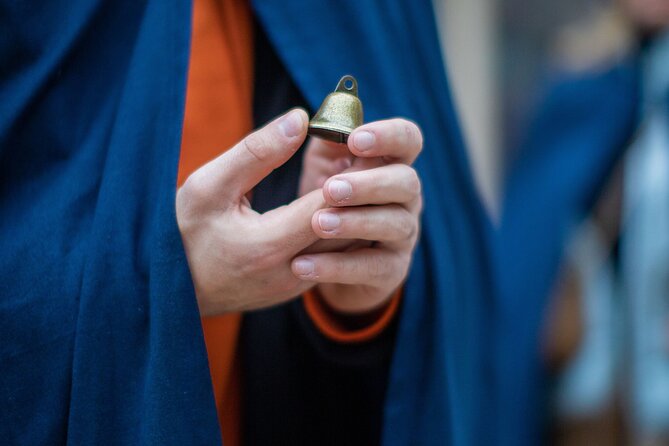
You end at the Duomo di Verona – Cattedrale di Santa Maria Matricolare, finishing in the Piazza Duomo area. The description frames this as the most beautiful square in unforgettable Verona, and it ends near a sculpture with an angel.
This ending matters. You’re closing a loop with a place that feels like the city’s centerpiece. It also gives you a clean mental bookmark. After one hour, you know where the city’s big public gathering area is, and you’ve linked it to everything you just heard.
If you want to keep going after the tour, you’re already in the right zone. You can wander nearby with less guesswork, because the guide’s route has given you a framework.
What this tour style feels like on the ground
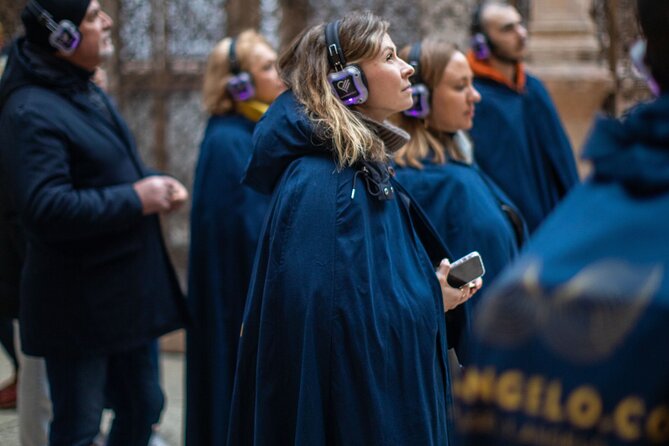
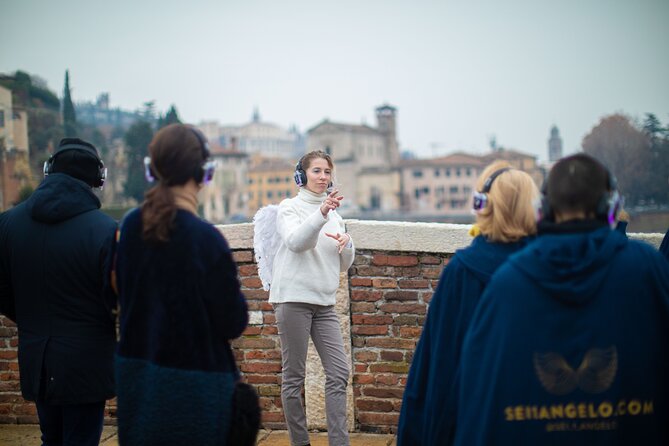
One theme that really comes through in the experience feedback: it’s different from the stiff, lecture-only tours. Families in particular seem to find it fun, not just educational. That’s often because the route changes constantly—square, tower, piazza, church, bridge, Roman theater—so even kids (and adults with short attention spans) stay engaged.
The tone also seems to be built around emotion and discovery, not just facts. You’re asked to notice things: a symbol located in a square, a “secret” tied to a tower, tombs that connect power to place. Those cues make it easier to experience Verona as a set of stories rather than a checklist.
And with the group cap at 20, it stays manageable. You don’t get the big-bus feel.
Weather, walking pace, and small practical tips
This tour requires good weather, so plan for a day when rain isn’t likely to ruin your plans. Since you’re outdoors through most stops, comfortable shoes are a must. You’ll be walking from one external viewing area to the next, so think in terms of short, steady movement rather than a long hike.
Also, bring a charged phone. The tour uses a mobile ticket, and having it ready avoids last-minute friction. If you’re arriving from elsewhere in Verona, use public transport to get as close as you can; the route is described as near transit.
One more practical point: because most stops are external only, don’t expect inside visits. If you want to go deep inside a church or museum later, you can do that after. This tour is for setting context and giving you a guided “first layer” of understanding.
Who should book this Verona center walk with the angel finish?
I’d book this if:
- You want a fast, guided introduction to Verona’s main sights
- You prefer short outdoor stops over long museum time
- You like learning through stories tied to real places
- You’re traveling with family and want something that feels like an adventure, not a lecture
I’d skip it (or at least pair it with other time) if:
- You need inside access at churches or museums during the tour
- You want a slow pace with long explanations
- You’re expecting deep, detailed study at each single stop
This is best as a first morning or first afternoon in the center. Use it to orient, then return on your own for longer looks where you feel the strongest pull.
Should you book this tour?
Yes, if you want value in the form of clarity and momentum. For one hour, you’ll hit the core Verona highlights and get a guided narrative connecting squares, power, faith, and ancient remnants. At $46.96 per person with free entry tickets listed for the stops, you’re not paying extra to make it “worth it.” You’re paying for the route and the storytelling.
If your goal is to truly linger inside buildings or take your time, book this anyway as a starter, then plan separate solo time afterward. This tour gives you the map in your head—so your later wandering feels intentional instead of random.
FAQ
Is this tour only outside, or do we go inside the sights?
The stops are described as external visits only, including the tower areas, basilica, bridge, Roman theater, and the Duomo area.
How long is the guided walk?
It’s approximately 1 hour.
What language is the tour offered in?
The tour is offered in English.
What is the group size limit?
The tour has a maximum of 20 travelers.
How much does it cost?
The price is $46.96 per person.
Where does the tour start and end?
It starts at the Madonna Verona Fountain in Piazza Erbe, 37121 Verona, Italy. It ends near a sculpture with an angel on Piazza Duomo, 37121 Verona.
Do I need to buy separate tickets for the stops?
The listed stops show admission tickets as free, so you’re not expected to pay extra admission for these specific viewing points.
Is there a mobile ticket?
Yes, the tour uses a mobile ticket.
Is the tour near public transportation?
Yes, it’s near public transportation.
Is confirmation guaranteed right away?
Confirmation is received within 48 hours of booking, subject to availability.
What happens if the weather is poor?
The experience requires good weather. If it’s canceled due to poor weather, you’ll be offered a different date or a full refund.