REVIEW · VERONA
Verona: Full Meal & Wine Tasting Walking Tour
Book on GetYourGuide →Operated by Do Eat Better Experience · Bookable on GetYourGuide
Verona really comes alive when you eat your way through it. This 3-hour full meal and wine tasting walk strings together classic Veronese dishes, local wines, and real city history in the spaces locals actually use, from Porta Borsari to Piazza Erbe.
Two things I especially like are the focus on multiple venues (not one restaurant with a reheated menu) and the way the guide explains what you’re tasting while you move through town.
One heads-up: it’s a fair bit of walking on uneven old streets, and it’s not set up for wheelchair users.
In This Review
- Key highlights to know before you go
- Price and value: why this Verona tour makes sense
- Where it starts: Porta Borsari, the old city’s good entry point
- The walking pace: 3 hours that actually feel doable
- Stop-by-stop: what happens from Ponte della Vittoria to Piazza Erbe
- Stop 1: Aperitif at Ponte della Vittoria
- Stop 2: Verona Cathedral area and your first full meal
- Stop 3: Basilica di Santa Anastasia and more of the Veronese table
- Stop 4: Piazza dei Signori dessert and coffee, then finish at Piazza Erbe
- What you’ll actually taste: Veronese specialties with seasonal choices
- The wine pairings: three local wines matched to your dishes
- How the guide turns food into city context (and why that matters)
- Crowd avoidance and local venues: why the stops feel different
- Who this is best for (and who should choose differently)
- Should you book this Verona full meal and wine tasting tour?
- FAQ
- How long is the Verona full meal and wine tasting walking tour?
- Where do I meet the guide, and where does the tour end?
- How many places do we visit, and is the meal included?
- Is wine included, and how many tastings are there?
- What languages are the guide and tour available in?
- Is there an alcohol age requirement?
- What should I bring, and how much walking is involved?
- Is this tour suitable for wheelchair users or luggage?
Key highlights to know before you go
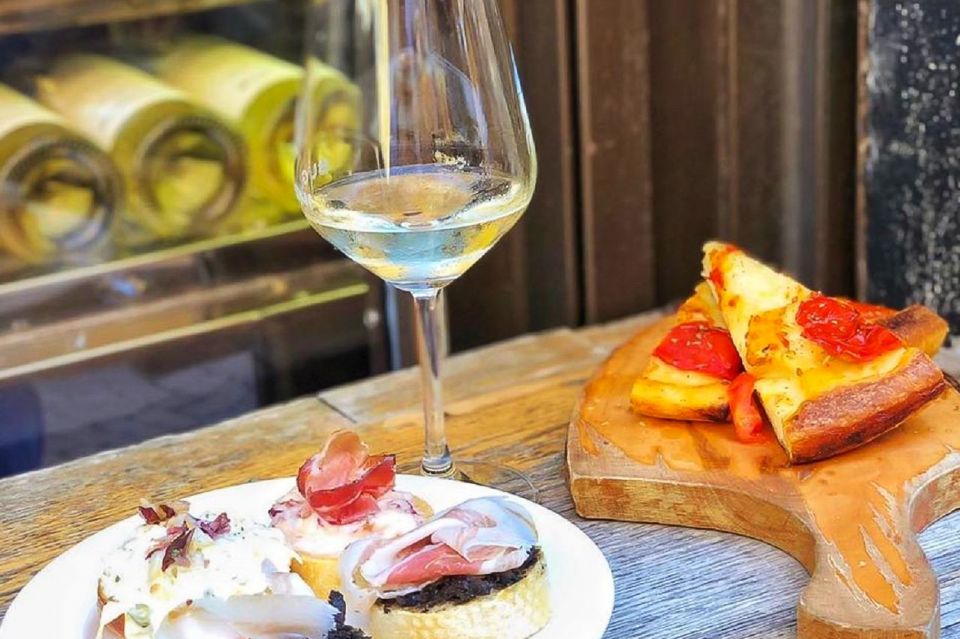
- Porta Borsari start: you’ll begin right in the middle of Verona’s old-city flow
- 4+ stops, 1 dish per stop: you get variety without one giant, heavy meal at a single place
- 3 wine pairings: wine is planned to match what’s on your plate, not poured randomly
- Cathedral and basilica views: you’re tasting as you pass major landmarks
- Small group size (2–12 people): easier pacing, more chance to ask questions
- Finish in Piazza Erbe: you end where you can keep strolling or grab a final coffee
Price and value: why this Verona tour makes sense
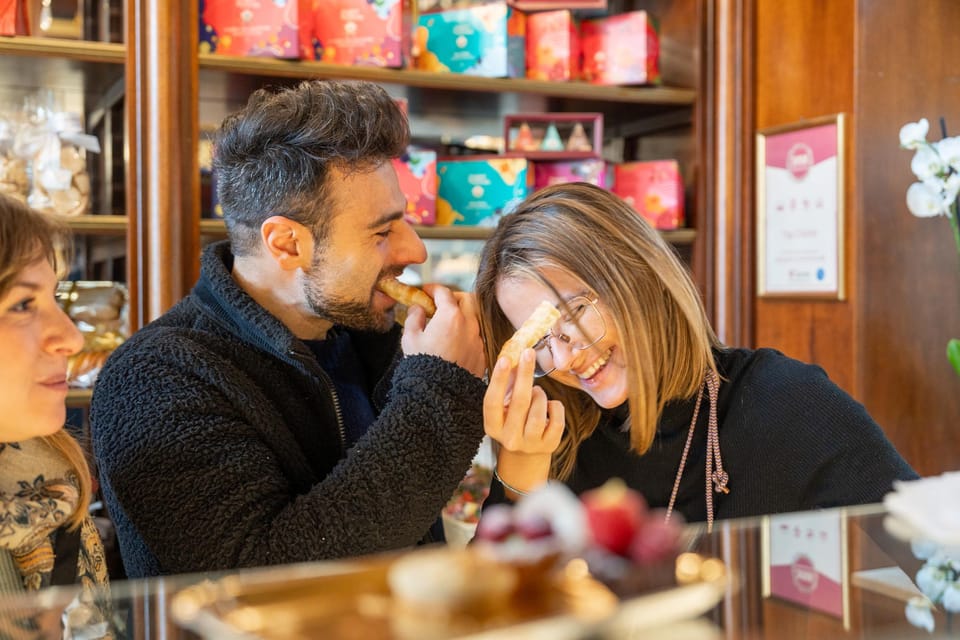
At $123.48 per person, this isn’t a budget snack crawl. But it’s also not paying for a “tour-only” experience where most of the cost is hand-waving. What you’re buying is a timed, guided route with a full meal structure across several stops: 4+ locations, 1 dish per stop, plus 3 wines paired to your dishes.
In practice, that matters because your money isn’t just going to tasting. It’s also paying for:
- someone to choose the right places in the right order
- a plan for what’s seasonal (so you’re not eating the same thing year-round)
- a guide who adds context as you walk, so the food connects to the city
- a small-group pace that helps the whole thing feel like a relaxed evening meal, not a sprint
If you like your food travel organized, this is a strong value. If you want to pick everything yourself and wander without structure, then you might prefer a self-guided plan.
You can also read our reviews of more tours and experiences in Verona.
Where it starts: Porta Borsari, the old city’s good entry point
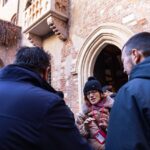
You meet at Porta Borsari, under the sign for Porta Borsari, and your tour ends back there. That’s a smart start, because it puts you near the historic core immediately, without spending the first 20 minutes figuring out which way to walk.
From there, the route takes you across key central areas while keeping you mostly in the thick of old Verona. You’ll be on foot the whole time, so comfortable shoes aren’t optional. Even if you’re in decent shape, old streets can be annoying underfoot, and you’ll want your feet to feel normal when dessert shows up.
The walking pace: 3 hours that actually feel doable
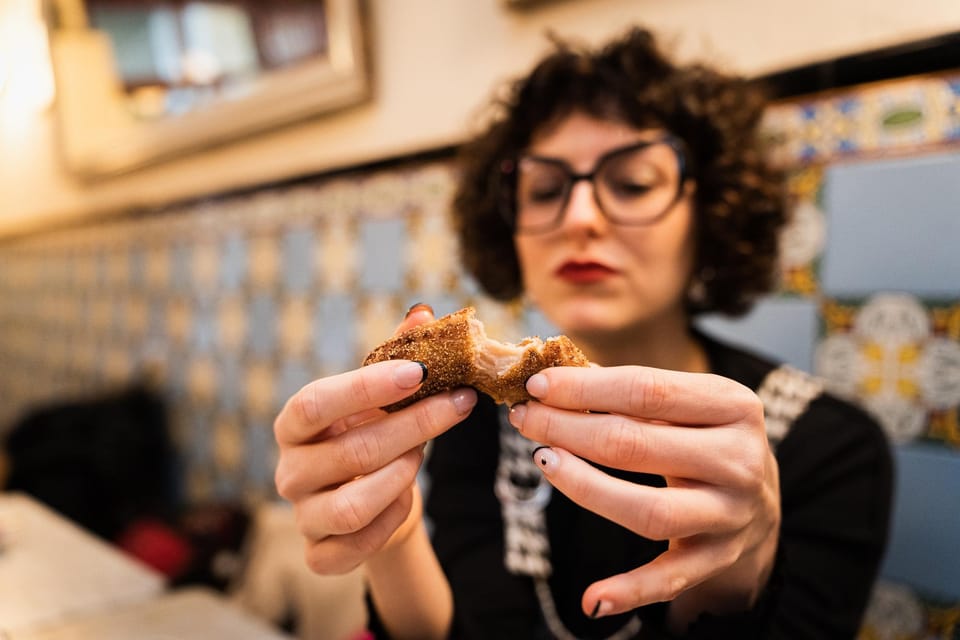
This tour lasts about 3 hours. You should expect a mix of short walks and quick transitions between stops, plus time sitting down for each course. The group size is kept to a minimum of 2 and maximum of 12, which is a big deal in Verona, where crowds can make any experience feel less personal.
A nice practical touch: dining in Italy is social, and this tour is built around that idea rather than treating your meal like a quick drive-through. You’ll also get English and Italian live guidance, and the guide may switch between the two as needed.
This tour is listed as not suitable for wheelchair users, and that matches what you’d expect from the historic streets. Also note what’s not allowed: no pets and no luggage or large bags.
Stop-by-stop: what happens from Ponte della Vittoria to Piazza Erbe
The tour is designed like a chain: each stop feeds the next one. Here’s how the experience typically flows, and what to watch for at each point.
Stop 1: Aperitif at Ponte della Vittoria
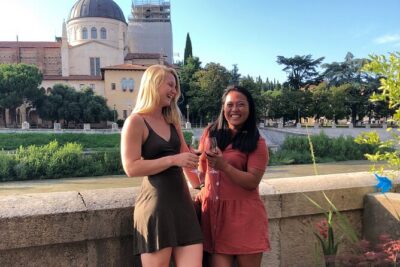
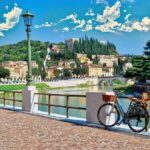
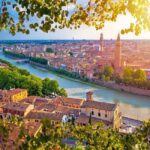
You start with an aperitif and a wine moment at Ponte della Vittoria for about 30 minutes. This is a good warm-up. It gets you into the Verona rhythm right away, while the guide builds context about what you’ll be eating and drinking later.
Practical tip: pace yourself here. The tour includes wine pairings across multiple meals, and even if the portions are reasonable, the total effect over 3 hours can be noticeable.

Stop 2: Verona Cathedral area and your first full meal
After the aperitif, you head toward Verona Cathedral, where you’ll have a meal course (about 1 hour). The big value of this stop is the combination of setting + explanation: you’re eating while you’re surrounded by major historic architecture, and the guide connects food to local culture.
What you’ll eat depends on availability of raw ingredients, season, and the chef’s recommendations. That flexibility is a real advantage. It means you’re more likely to get dishes at their best rather than a rigid script that ignores the weather and market reality.
You can also expect some classic regional flavors to show up. The tour description specifically calls out options such as taste of codfish (baccalà) using a recipe appreciated throughout the province, plus other Veronese staples when conditions are right.
Stop 3: Basilica di Santa Anastasia and more of the Veronese table
Next up is Basilica di Santa Anastasia, again with a meal course (about 1 hour). This is one of the moments where the tour feels different from one long restaurant booking. Two separate meal stops at two different places lets you experience more than one kitchen style and more than one slice of local dining.
The tour description highlights dishes you might run into here, including pastissada and polenta with soppressa. Those are very “Verona and its province” flavors: hearty, comforting, and built for the kind of slow social meal Italy does best.
If you have dietary needs, this is a place to plan ahead. One of the helpful details coming through in guide handling is that there’s an option to address dietary requirements when booking, and the guide can often check whether you have preferences or restrictions.
Stop 4: Piazza dei Signori dessert and coffee, then finish at Piazza Erbe
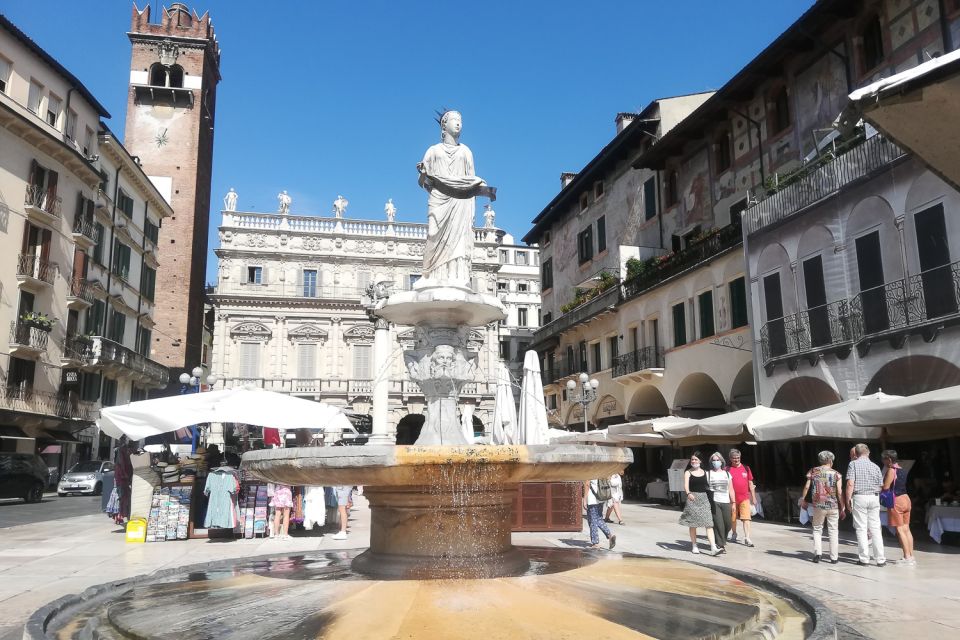
You wrap with coffee and dessert (about 30 minutes) at Piazza dei Signori, Verona. This stop is lighter than the meal courses, so it works as a reset before your final walking stretch.
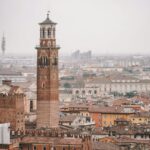
Then you finish back in Piazza Erbe. Ending here is smart because Piazza Erbe is a lively square with plenty of atmosphere, and you’ll have an easy next step: keep wandering, grab a second espresso, or just sit people-watch for a while.
Dessert options mentioned include a traditional Veronese risino (rice-based dessert) or an artisanal gelato made with flavors created from strong local ingredients. You can treat this as the sweet landing after the wine and the savory dishes.
What you’ll actually taste: Veronese specialties with seasonal choices
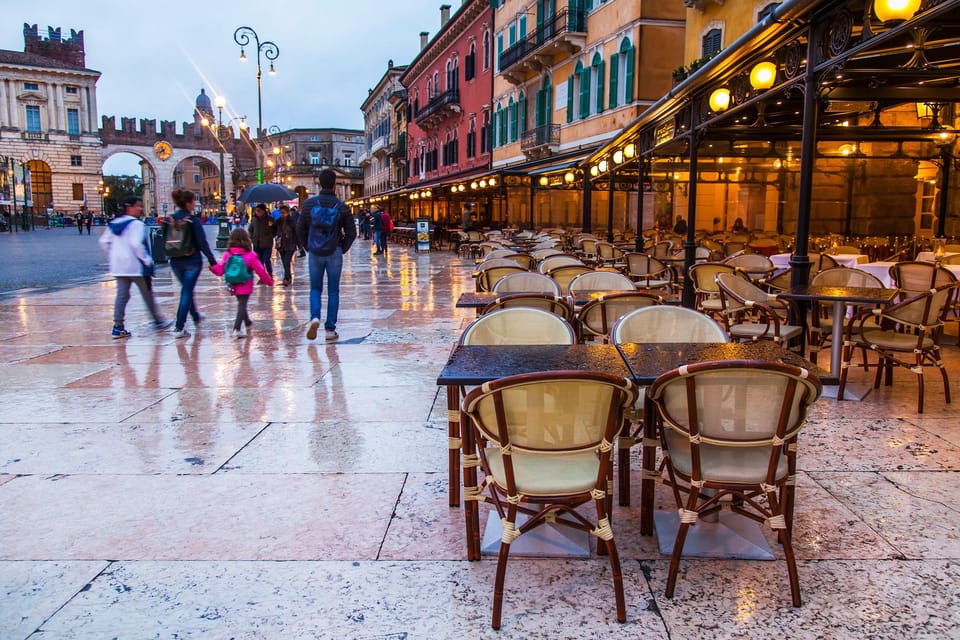
This tour isn’t built on one frozen “tourist version” of Italian food. You’ll get local specialties based on what’s fresh, and the guide/chef will steer the menu based on what’s available.
The description calls out multiple dishes and styles you may encounter, including:
- codfish (baccalà), in a province-approved recipe
- pastissada
- polenta with soppressa
- fresh handmade pasta in a modern, welcoming setting
- a traditional dessert like risino or artisanal gelato
That seasonal, chef-led approach is practical. In Italy, the best food often depends on the market that week. If the tour gives you flexibility like this, you’re more likely to eat something that feels current, not just “the famous thing that never changes.”
Also, plan for pacing. The tour includes 1 food serving at each location, so you’re tasting many different items rather than getting a single big plate every time. That’s ideal if you want variety without stomach overload.
The wine pairings: three local wines matched to your dishes
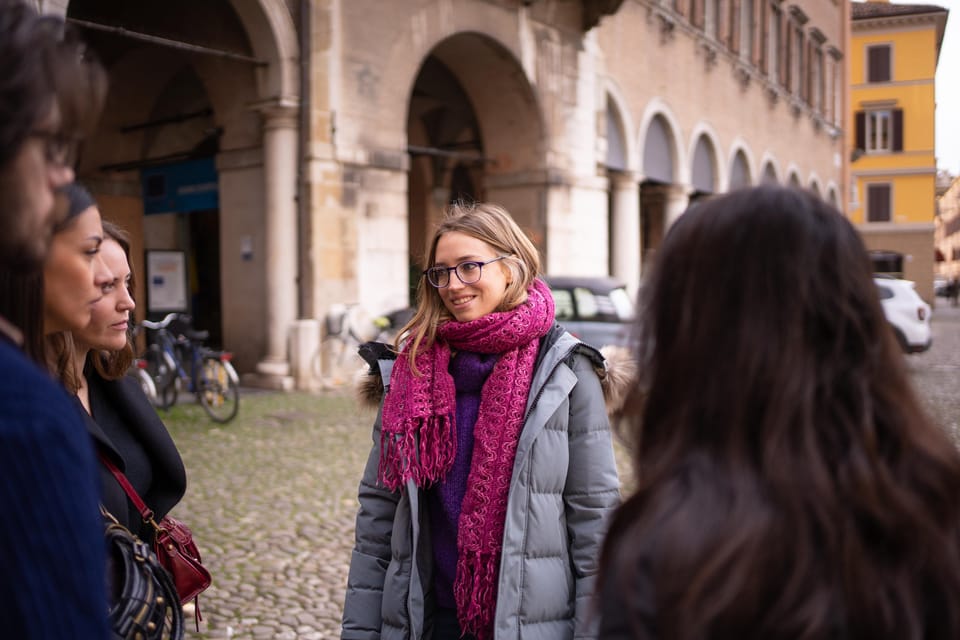
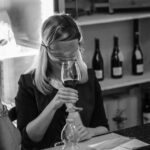
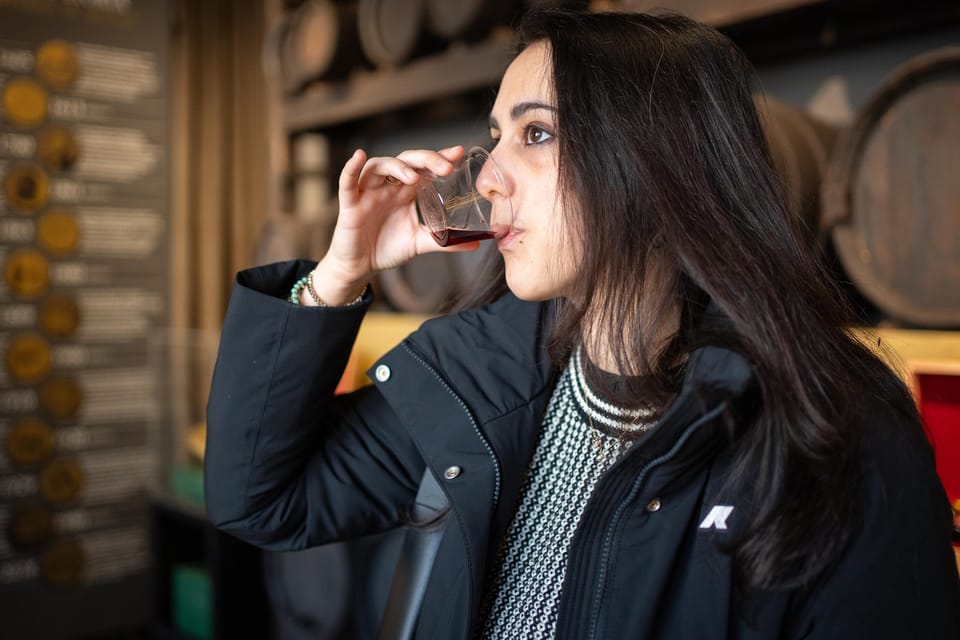
Wine is not an add-on here. It’s part of the plan. You’ll have 3 wines from the area around Verona, paired to the dishes. The point is to make the flavors make sense together: wine supports the food, and the food helps you taste the wine differently.
A good tour wine program does two things: it teaches you a bit, and it prevents random drinking. Here, the pairing structure keeps the experience grounded. You’re tasting wines with context, and you’ll likely be able to connect the dots between what you’re sipping and what’s on your fork.
The tour also clearly notes the alcohol rule: minimum drinking age in Italy is 18, and under-18 clients won’t be served alcohol. If you’re traveling with a group that includes someone younger, this matters for planning.
One more practical idea: if you’re sensitive to alcohol or just want to stay sharp for the walking, slow down between tastings and drink water when you can. It helps you enjoy everything instead of feeling foggy halfway through.
How the guide turns food into city context (and why that matters)
I like food tours where the guide isn’t just reading off a script. This one is described as guided by a local expert, and the standout in the experience is the way the guide ties meals to Verona itself.
In particular, you’ll get both food and city context. The route naturally passes major landmarks like Verona Cathedral and Basilica di Santa Anastasia, and the guide uses that movement to explain history and culture alongside what you’re eating.
You may meet guides with names such as Emma or Giulia (and others have been reported as Valentina, Matteo, Anna, Maria, or Guilia). Whoever your guide is, the common thread in the experience is friendly, practical help: explanations of food and wine, plus tips for where to go after the tour.
And yes, you’ll get questions answered. A small group makes this easier. If you’re curious about what to order next time, how to pronounce something, or which neighborhoods feel most local, this is a good moment to ask.
Crowd avoidance and local venues: why the stops feel different
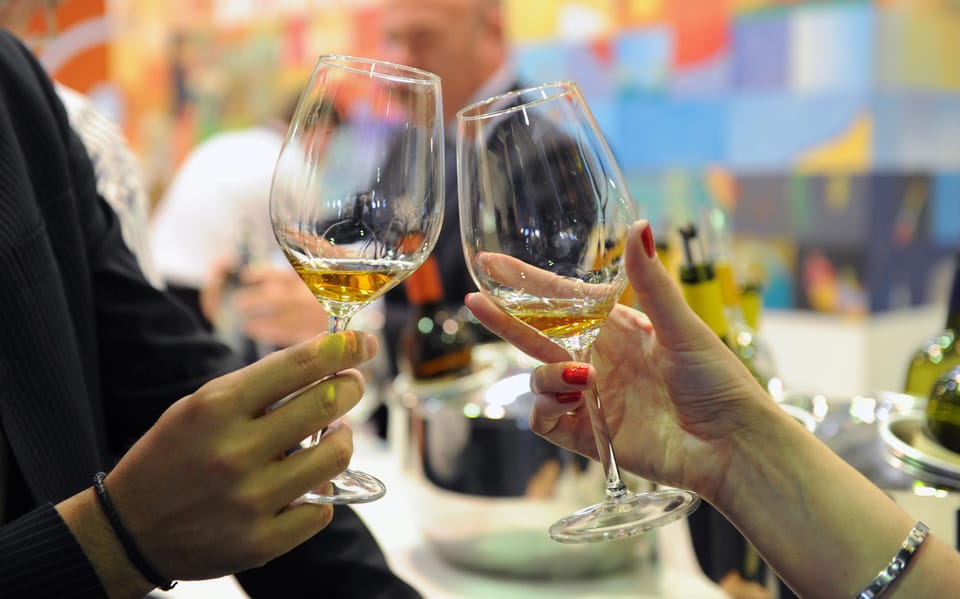
One of the big promises is avoiding the usual tourist traps. The tour aims for venues known by locals, and it uses multiple stops so you don’t repeat the same type of meal in one place.
That’s valuable because Verona’s center can get crowded, especially around the landmarks. A guided route that keeps you moving through smaller alleys and historic streets (not just the busiest main lanes) tends to feel calmer and more authentic.
In other words: you’re not just collecting photos. You’re eating where the food culture actually lives, which is what makes a walking food tour worth the effort.
Who this is best for (and who should choose differently)
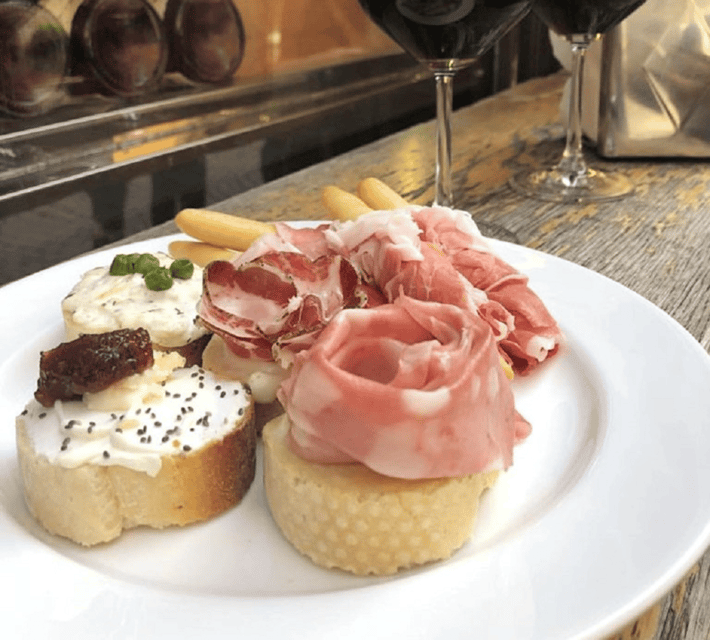
This tour fits best if you want:
- a full meal structure with variety across 4+ stops
- paired wine included with your dishes
- a guided walkthrough that adds context beyond the food
- a small-group pace that doesn’t feel chaotic
It’s also a good choice for people who want to get oriented fast. By the time you reach the square of Piazza Erbe, you’ll have a clearer mental map of central Verona and where things are.
Who might skip it: if you hate walking, need wheelchair-friendly access, or prefer independent dining with no fixed schedule. Also, if you don’t want any wine at all, you may still enjoy the food, but this experience is clearly designed around wine pairings.
Should you book this Verona full meal and wine tasting tour?
If you’re in Verona for a short visit and you want the best chance of eating well without hunting down the right spots yourself, yes, I’d book it. The value is in the structure: 4+ locations, a true meal flow, and 3 wines paired to what you’re eating, all delivered by a local guide who connects the plates to Verona itself.
If you already have your heart set on a specific restaurant meal you love, then this might feel like extra planning. But if you want a guided food day that feels like Verona, not a checklist, this tour is a solid pick.
Just do one thing before you go: wear comfortable shoes, show up hungry, and go with the flow when the menu shifts based on season and what the chef recommends.
FAQ
How long is the Verona full meal and wine tasting walking tour?
The tour lasts about 3 hours. Starting times vary, so you’ll need to check availability for your preferred slot.
Where do I meet the guide, and where does the tour end?
You meet the guide at Porta Borsari (under the sign with the Porta Borsari name) and the tour ends back at the meeting point.
How many places do we visit, and is the meal included?
You visit 4+ locations, and the tour includes a full meal structure with 1 dish per stop.
Is wine included, and how many tastings are there?
Yes. The tour includes 3 wines from around Verona, paired to the dishes.
What languages are the guide and tour available in?
The live guide offers English and Italian.
Is there an alcohol age requirement?
Yes. The minimum alcohol drinking age in Italy is 18, and alcohol is not served to under-18 clients.
What should I bring, and how much walking is involved?
Bring comfortable shoes. The tour involves a fair amount of walking through the old city.
Is this tour suitable for wheelchair users or luggage?
No. It is not suitable for wheelchair users, and luggage or large bags are not allowed. Pets are also not allowed.