Verona can feel like a maze if you rush it. This tour helps you stitch together the big sights with calmer back streets, in just two hours. I especially like the way the route connects Roman, medieval, and Renaissance Verona without making it feel like a history lecture, and I like that you get practical local advice you can use right after the walk. One thing to consider: entry tickets aren’t included, so if you want to go inside places like the Arena or Juliet’s area, you may need to plan extra time and possibly extra tickets.
You also get real flexibility because you can choose a shared group or a customizable private tour. And the guiding quality looks consistently strong, with names like Graziano, Sara, Elettra, Constanza, and Emanuela showing up in past experiences for their friendly pacing, humor, and helpful restaurant and sightseeing suggestions. Main drawback: you’re walking the whole time, so comfortable shoes matter more than you think.
In This Review
- Key Points You’ll Feel Right Away
- Two Hours to Get Your Bearings in Verona
- Where You’ll Meet and How the Tour Starts Smoothly
- Piazza Bra to the Verona Arena Area: Rome Still Lives Here
- Medieval Street Scenes: Porta Borsari and Vicolo del Guasto
- Riva San Lorenzo and a Church Stop That Changes the Mood
- Piazza delle Erbe and Piazza dei Signori: The City’s Main Stage
- Basilica di Santa Anastasia: A Big Church Stop in the Heart of Old Town
- Romeo’s House and Juliet’s Balcony: How to See It Without Losing Time
- Ponte Pietra and the River Angle You’ll Miss on Your Own
- Arche Scaligere and the Old Market Courtyard: The Stones Behind the Stories
- Price and What You’re Really Paying For
- Who This Tour Fits Best
- Should You Book This Verona Walking Tour?
- FAQ
- How long is the Verona highlights and hidden gems walking tour?
- Where do I meet the guide?
- Is this tour private or shared?
- What languages are available for the guide?
- Are entry tickets included for the attractions?
- What should I wear for the walk?
Key Points You’ll Feel Right Away
- Short, focused 2-hour format that’s great for getting oriented fast
- Arena, Piazza delle Erbe, and Piazza dei Signori plus stops many people skip
- A guide who adapts to your interests and pace (a big theme in feedback)
- Lesser-known streets and landmarks like Porta Borsari and Vicolo del Guasto
- Actionable advice at the end so your self-guided time goes smoother
Two Hours to Get Your Bearings in Verona
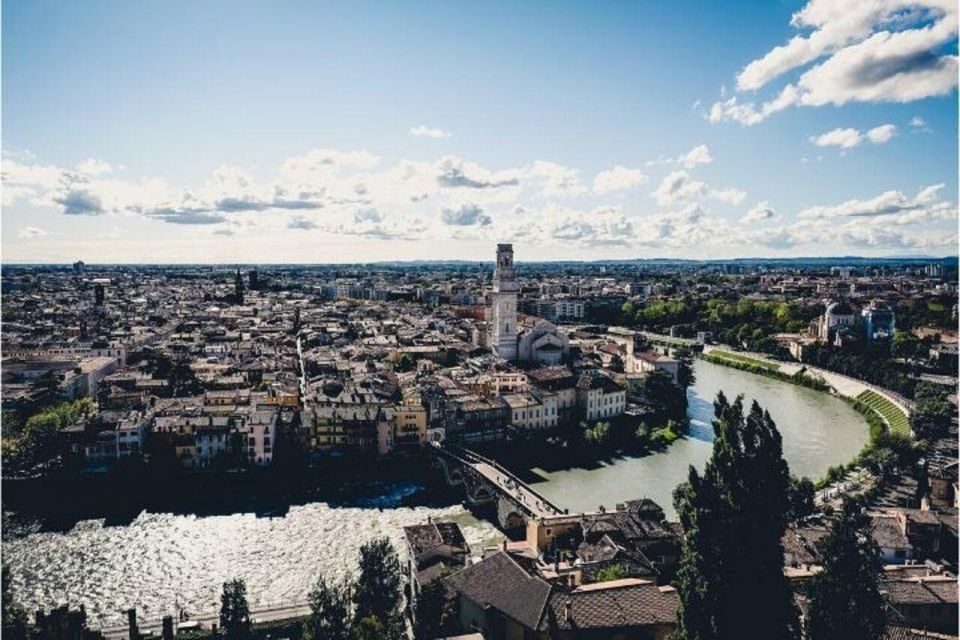
Verona is one of those cities where the center looks compact on a map, but your feet will quickly tell a different story. This walk solves that problem by giving you a tight route that covers the major landmarks—then adds enough side streets and context to help you understand how the city fits together.
What you’re really buying at the start is orientation. You’ll see the Arena area, the big squares, major churches, and the Romeo-and-Juliet zone, but you’ll also learn what to pay attention to when you’re back on your own. That’s the difference between taking photos and actually understanding why a place looks the way it does.
You can also read our reviews of more tours and experiences in Verona.
Where You’ll Meet and How the Tour Starts Smoothly
The meeting point can vary by booking, and the good news is you’re not stuck guessing. Options include Via Roma, 80 and Via Dietro Listone, 1, and then the tour connects you with the center-area start at Piazza Bra.
This matters because Verona’s streets can be confusing, especially if you arrive by train or already feel jet-lagged and hungry. Starting in a clear central point keeps the tour from becoming a scavenger hunt.
If you want to set yourself up for an easier day, plan to arrive a few minutes early, bring your walking shoes, and be ready for a steady stroll.
Piazza Bra to the Verona Arena Area: Rome Still Lives Here
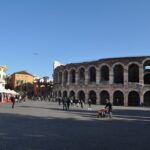
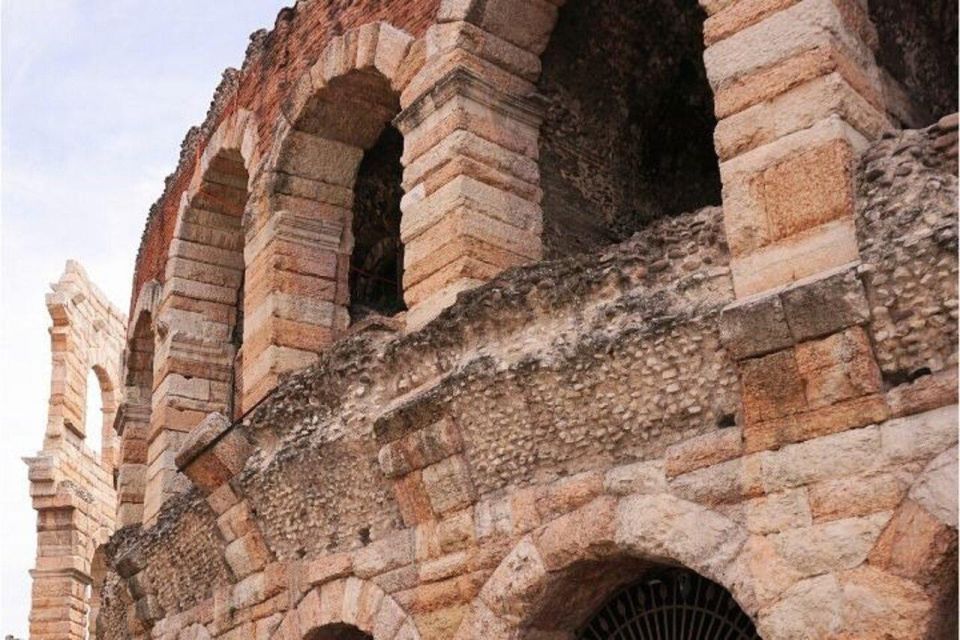
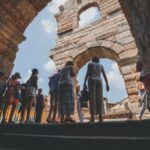
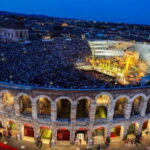
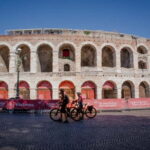
You begin near Piazza Bra, then move toward the Verona Arena, the big Roman-era landmark that defines the city for many people. Even if you’ve seen pictures, it hits differently in person because you get the scale without needing to plan a longer ticket visit.
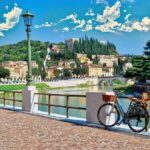
Next comes a shift in feel from Roman grandeur toward medieval Verona. You’ll pass along the medieval city wall and walk through/near points like Porta Jovia, with a scenic river view that’s perfect for a breather and a few photos.
What I like about this segment: it frames Verona’s timeline early. You see the Arena first, then you learn what surrounds it and why those walls mattered. That makes the later stops feel connected, not random.
Medieval Street Scenes: Porta Borsari and Vicolo del Guasto
After the big open views, the tour turns into the kind of walking Verona does best: narrow lanes, old stone, and corners that feel lived-in.
Two stops that help you understand the city’s layers are Porta Borsari and Vicolo del Guasto, 21. Porta Borsari is a classic “wait, this is still here?” moment—an old gate that anchors the medieval street layout. Vicolo del Guasto adds a more intimate, old-town vibe. These are the kinds of places you might walk past on your own, but with context you’ll notice details like street alignment, how traffic and footpaths shaped the neighborhood, and what the city’s defenses and borders used to mean.
If you’re someone who likes architecture and street-level atmosphere, this is where you start to feel like the guide is showing you Verona rather than just pointing at it.
Riva San Lorenzo and a Church Stop That Changes the Mood
Not every city tour slows down, but this one does. You’ll reach Riva San Lorenzo, a riverside area that gives you a different pace and a different set of views.
Then you visit Chiesa di San Giovanni in Foro, a stop that helps you switch gears again—from civic spaces and gates to the religious heart of old Verona. Churches can blur together in Italy if you don’t have a way to read them. Having a guide on your side helps you notice what makes this one worth the pause.
Practical note: because the tour is only two hours, these “slower” moments are short. If you want deep time inside churches, you’ll still have to plan extra time later—but for orientation and context, it’s a smart use of your tour window.


Piazza delle Erbe and Piazza dei Signori: The City’s Main Stage
Now you hit the big squares: Piazza delle Erbe and Piazza dei Signori. These are the kind of places where Verona feels like Verona. You see the open space, the buildings that frame it, and the social energy—people, conversation, and the sense that this is where daily life and power met.
A guide’s job here isn’t just naming the square. It’s telling you where to look:
- how the square layout guides movement through the old town,
- how different eras show up in the architecture around you,
- and what you should pair with these stops for the rest of the day.
If you’re planning a day around photos, these squares are your anchors. If you’re planning a day around wandering, these squares are your navigation points—you’ll come back to them without even realizing it.
Basilica di Santa Anastasia: A Big Church Stop in the Heart of Old Town
One of the major religious landmarks on the walk is Basilica di Santa Anastasia, noted as the largest place of worship in the city and located in the old town core.
What makes this stop worthwhile on a short walking tour: it gives you a sense of scale. Many visitors see Verona as romantic streets and famous balcony lore, but Santa Anastasia brings the city’s long-standing importance and community center role back into the picture.
Because entry tickets aren’t included, think of this as a guided close-up stop for perspective. The exterior presence and location alone are strong, and the guide’s explanation is what will likely make it click.
Romeo’s House and Juliet’s Balcony: How to See It Without Losing Time
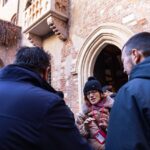
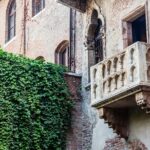
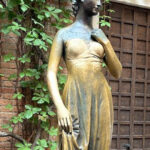
Yes, you’ll reach Romeo’s House, and you’ll see Juliet’s balcony, known as the inspiration behind Shakespeare’s famous work. This is one of those moments where the city’s global reputation shows up in a very physical way.
Here’s the practical angle: famous sites can be time sinks if you’re not prepared. A guided walk helps you arrive with context, and it usually keeps you from zig-zagging across the old town trying to find the right streets.
Also, remember that entry tickets aren’t included. If you want to go inside or spend extra time in the specific attraction areas, you’ll likely want to budget for that on your own after the tour.
Ponte Pietra and the River Angle You’ll Miss on Your Own
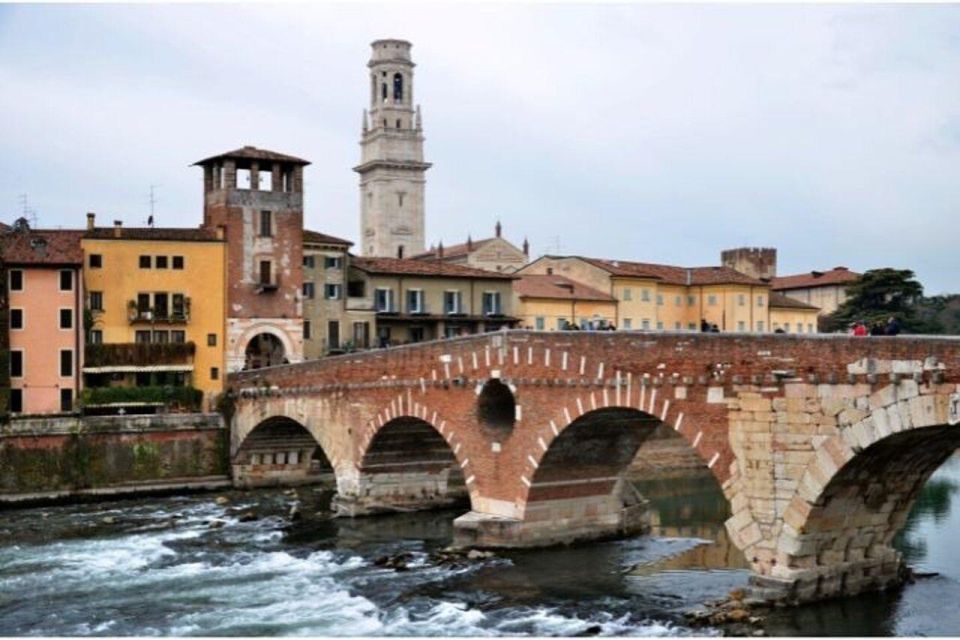
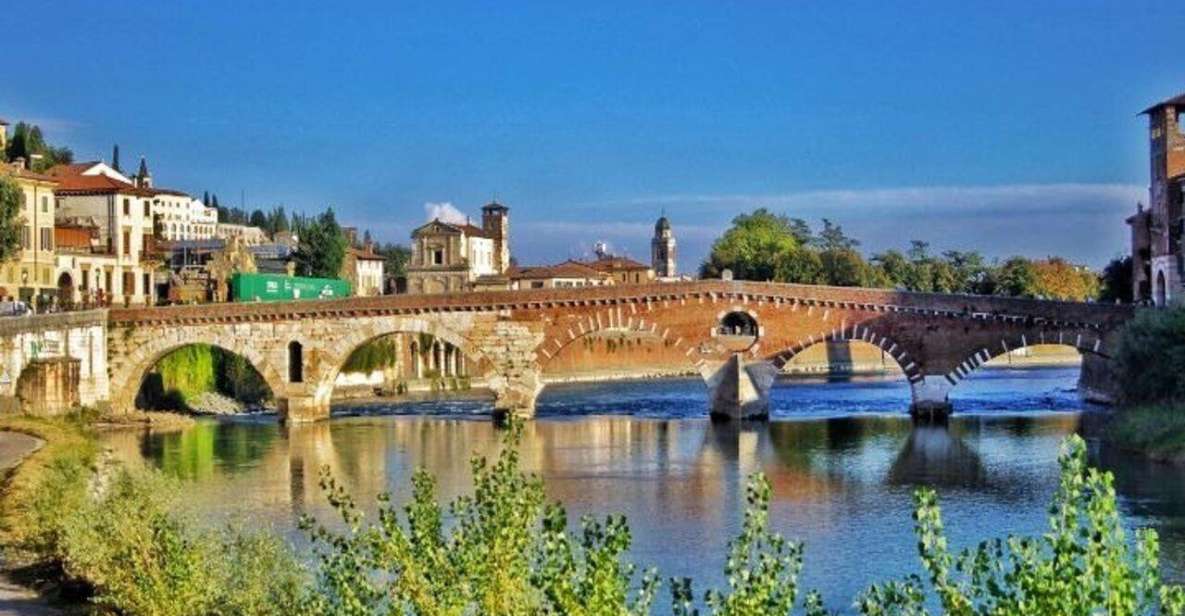
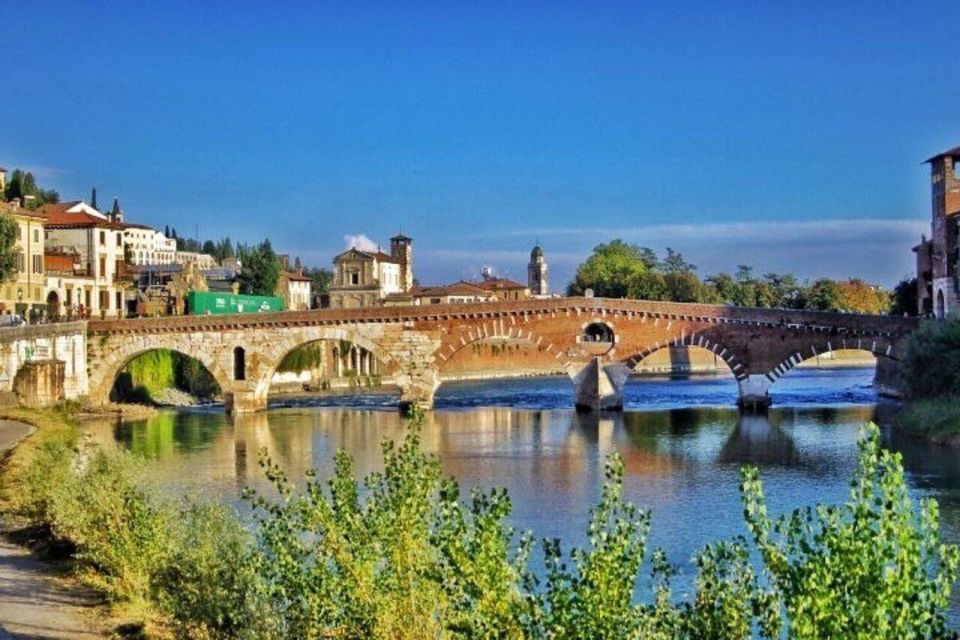
Between squares and Romeo/Juliet, you’ll cross into a calmer visual zone at Ponte Pietra. This is where Verona’s river views show up, and it’s a great moment to reset. Bridges can be boring when you treat them as just transit. With the right explanation, you start seeing the bridge as part of the city’s identity.
On a short tour, this stop is smart because it breaks up the “tight old-street” feeling and gives you a wider sightline, which makes the next stops easier to enjoy.
Arche Scaligere and the Old Market Courtyard: The Stones Behind the Stories
The walk finishes with more of the Verona that doesn’t fit on postcards alone.
You’ll see Arche Scaligere (Scaligero tombs), which help connect the city’s power and identity to the families and history that shaped it. This is the sort of stop where a guide’s framing matters. If you’re not told what you’re looking at, tombs and monuments can feel like background.
Then you reach the courtyard of the old market, a nice closing note that reinforces how Verona’s old town has always been a place of gathering and trade. It’s also the kind of stop that helps your brain shift from sightseeing mode to local-life mode.
A personal planning tip: after this tour, don’t immediately jump into another full attraction. Use the momentum. Walk, eat something simple, and let the city settle into your head.
Price and What You’re Really Paying For
At $38 per person for a 2-hour guided walk, the value mostly comes from three things:
- Time efficiency. Verona’s center is dense. In two hours, this tour covers multiple anchor stops plus supporting streets that help you understand the city’s layout.
- A guide who can answer your follow-up questions. The tour isn’t just about where to go; it’s also about what to do next. Feedback highlights that guides like Graziano, Sara, Elettra, Constanza, Elsa, Avdul, and Emanuela gave thoughtful recommendations and were accommodating when schedules went sideways.
- No ticket pressure built into the price. Since entry tickets aren’t included, you’re not paying for museum access you might not use. That can be a plus if you prefer flexibility.
If you’re a solo traveler who wants an organized introduction, it’s a good deal. If you’re traveling as a small group and can book private, it can be even better because the guide can tailor the pace and interests.
Who This Tour Fits Best
This is ideal if you:
- have limited time in Verona and want the essentials plus supporting context,
- like walking through city history rather than hopping between long ticket lines,
- want help planning the rest of your day with local-style advice,
- and appreciate a guide who adapts.
It’s less ideal if you want a very slow, inside-everything tour. Entry tickets aren’t included, and you’re moving from stop to stop with a time-boxed route.
The wheelchair-accessible note is a positive signal for comfort and planning. Still, you’ll want to keep in mind that old-town streets can be uneven, so go in with realistic expectations and ask your operator about your specific needs if you have concerns.
Should You Book This Verona Walking Tour?
I’d book it if you want a smart first pass through Verona. Two hours is the sweet spot for getting your bearings—especially when the route hits major landmarks like the Arena, the big squares, and the Romeo/Juliet zone, then adds context through places like Porta Borsari, Riva San Lorenzo, Ponte Pietra, and the Scaligero tombs.
Skip it only if you already know Verona well and plan to spend most of your time inside ticketed attractions during those same two hours. In that case, you might prefer a self-guided plan.
If you’re the type who likes flexibility, the option to reserve now and pay later is useful. And with free cancellation up to 24 hours in advance, you can lock in a good start time without feeling trapped.
FAQ
How long is the Verona highlights and hidden gems walking tour?
The tour lasts 2 hours.
Where do I meet the guide?
Meeting point can vary depending on the option booked, with listed starting points including Via Roma, 80 and Via Dietro Listone, 1. The tour also references starting in the heart of Verona near Piazza Bra.
Is this tour private or shared?
You can choose between a shared group tour or a customizable private tour.
What languages are available for the guide?
The live tour guide is available in English, French, Italian, and Spanish.
Are entry tickets included for the attractions?
No. Entry tickets are not included.
What should I wear for the walk?
Wear comfortable shoes since it’s a walking tour.