REVIEW · VERONA
Verona: Classic Valpolicella Wine Tasting Experience
Book on GetYourGuide →Operated by La Botteghetta La Bottega di Verona · Bookable on GetYourGuide
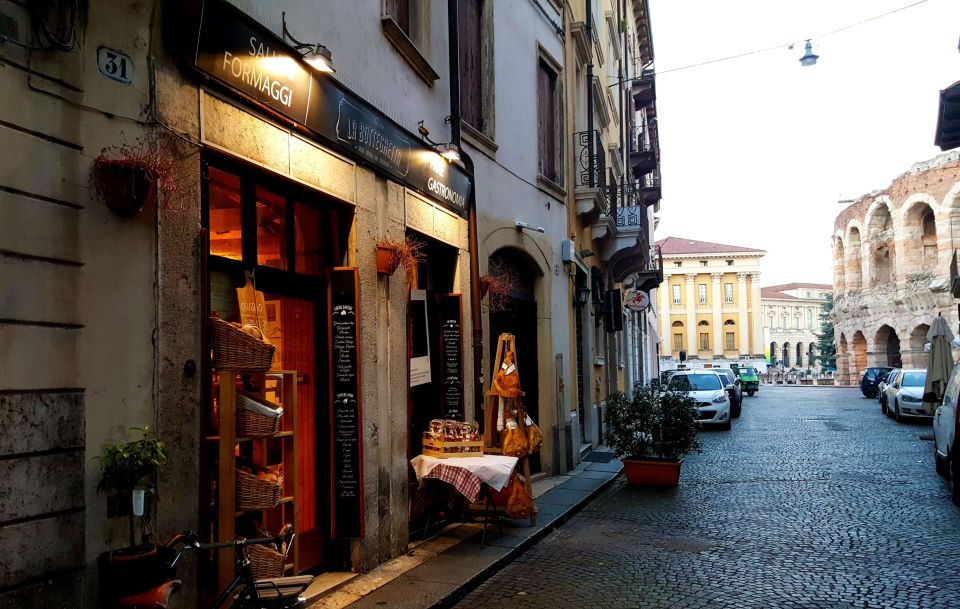
Fall for Valpolicella in just one hour. This tasting is built around three classic wines and a hands-on meat and cheese platter that keeps things fun while you learn why this region got so serious about wine long ago. You’ll meet at the historic shop area of Botteghetta, then sit down with a sommelier guide to compare Valpolicella Classico, Valpolicella Ripasso, and Valpolicella Superiore step by step.
One possible drawback: the experience is adult-focused, so it’s not suitable for kids under 18, and the tasting pace expects you to be comfortable with sampling and conversation in a small shop setting.
In This Review
- Key things I’d mark on your Verona plan
- Verona’s Botteghetta start: what you’re really walking into
- The 1-hour flow: how the tasting stays focused instead of rushed
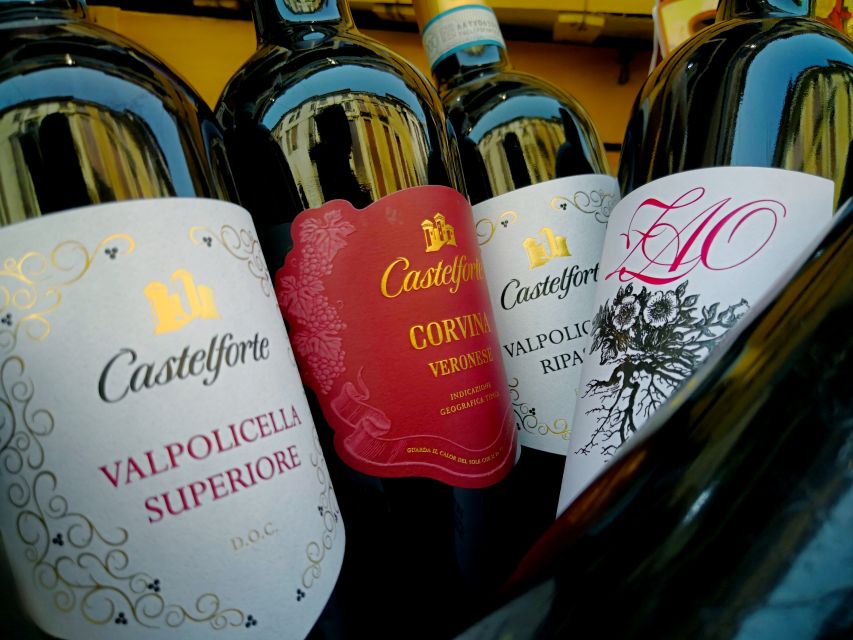
- Valpolicella Classico, Ripasso, Superiore: what you’re learning as you taste
- The food pairing that keeps the tasting from feeling academic
- A quick primer before you go: why this region is so focused
- The guide experience: what languages bring to your enjoyment
- Price and value: is $53 fair for what you get?
- Who should book this (and who should rethink it)
- Practical prep: what to bring and how to avoid small hiccups
- Should you book the Valpolicella tasting in Verona?
- FAQ
- What wines are included?
- How long is the experience?
- Where do I meet?
- Are there different languages for the guide?
- Is water included?
- Can I cancel?
Key things I’d mark on your Verona plan
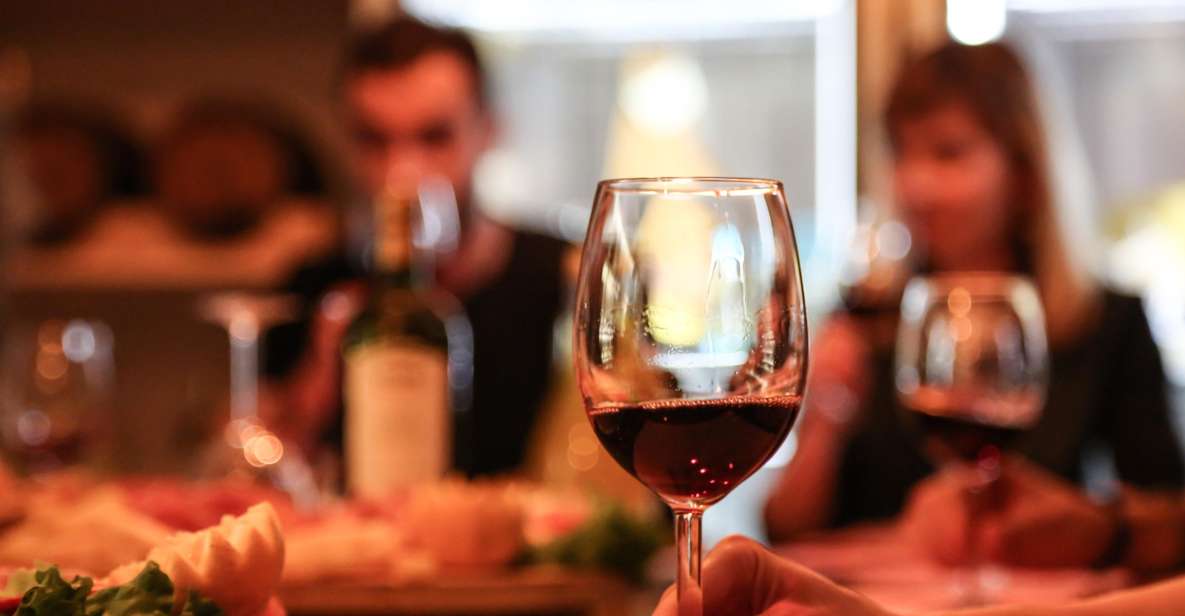
- Three Valpolicella styles, taught side-by-side so you can actually compare what changes from bottle to bottle
- History behind the name, including the meaning of valle, poli, and cellae as valley of many cellars
- Monte Veronese cheese and Soppressa salami, both tied to the Verona area
- A sommelier-led lesson covering terroir, grape variety, vinification, and sensory characteristics
- Interactive guessing during the tasting, including prompts to identify fruit notes
- Languages on offer: English, Italian, and Russian with a live guide
Verona’s Botteghetta start: what you’re really walking into
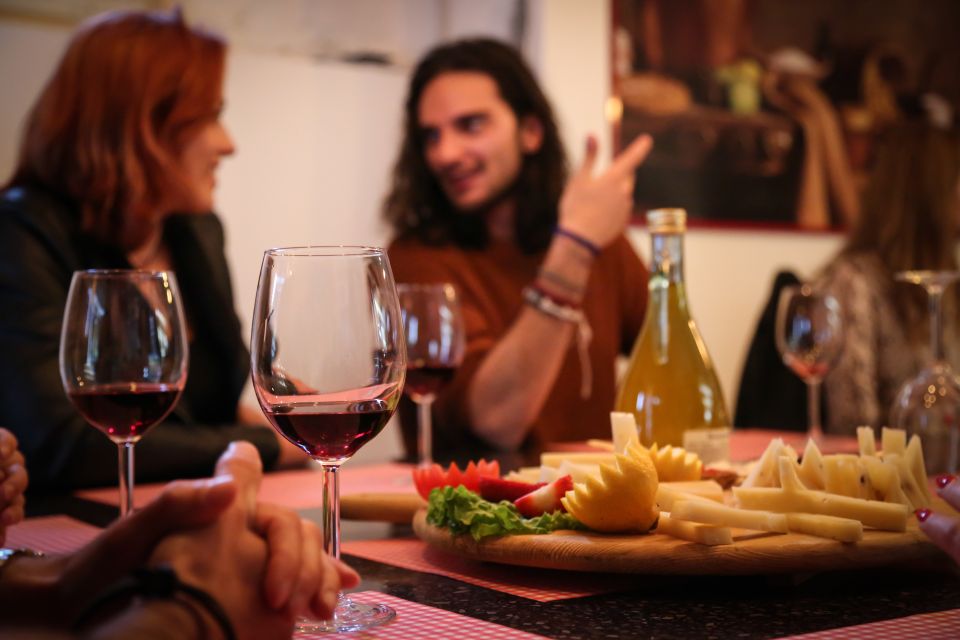
This experience begins in central Verona at Botteghetta, a historic shop location. Even if you’re not a wine super-nerd, the format is easy to follow: you check in about 15 minutes early, then you sit down and taste with a guide.
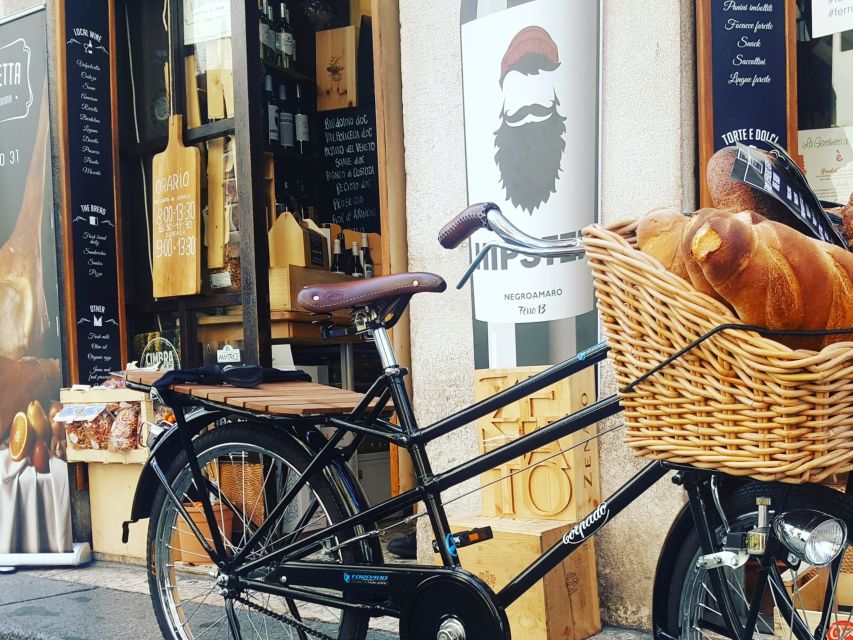
The setting matters. A small delicatessen-style shop keeps the vibe closer to what locals do—standing around, talking, eating, tasting—rather than a formal lecture hall. One detail I like is the emphasis on senses. This isn’t just sip-and-go; you’ll be nudged to notice aromas and flavors as part of how the guide teaches.
If you’re sensitive to food items, bring that up in advance. The tour asks you to advise if you’re intolerant to some products, and that’s your best bet for a smooth time with the cheese, salami, and bread that are part of the platter.
You can also read our reviews of more tours and experiences in Verona.

The 1-hour flow: how the tasting stays focused instead of rushed
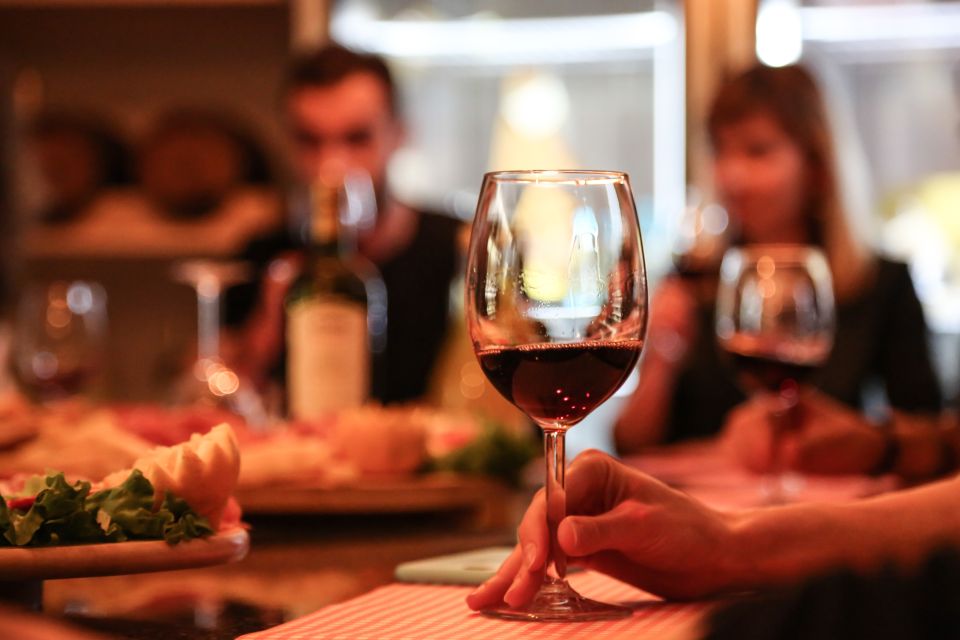
The duration is one hour, so the pace stays tight. That’s a good thing for most people in Verona, because you’re not stuck for half a day when your schedule might already be packed with sights.
Here’s the practical rhythm the experience is built for:
1) Welcome and intro to the Valpolicella idea and what you’ll taste
2) Three wine tastings, each guided with context
3) Snack pairing to keep your palate awake and your palate honest
4) Q&A and sensory prompts so it feels like learning, not just consuming
In one booking, the host started with Prosecco, then a white wine, and only then moved into reds. Even if your specific order is different, the takeaway is the same: you’ll get a guided progression that makes it easier to compare what comes before and after.
Also note the water option: you can request still or sparkling water, which is a simple way to stay comfortable during a tasting format.
Valpolicella Classico, Ripasso, Superiore: what you’re learning as you taste
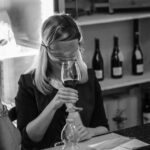
You’re tasting three classic Valpolicella wines that have shaped the industry in the region for centuries. The guide frames each bottle with the same key learning points: terroir of origin, grape variety, vinification, and organoleptic characteristics (basically, what you can smell and taste).
Why that structure is valuable: it trains you to taste like a curious person, not like a critic with a script. Instead of guessing randomly, you’ll learn what to listen for in each wine and how production choices influence the final glass.
The guide also works in comparisons. You’re not tasting one wine in isolation. You taste, you get context, you taste again, and then you compare the different expressions of the region. That’s how a one-hour format can actually feel educational.
One interactive detail that stood out: in a prior group experience, the guide had people guess which fruits were present as part of the tasting. That kind of prompt turns the session into a game and makes the sensory side stick with you longer than a list of facts.
The food pairing that keeps the tasting from feeling academic
You won’t just drink. You’ll snack on a platter that includes Monte Veronese cheese and Soppressa salami, plus other local cold cuts and cheeses, along with bread.
This matters because the food changes how you experience the wine. Salt and fat can soften harsh edges in some wines and make flavors feel more rounded. Bread gives your palate a neutral reset between sips. And the cheese and salami bring strong local flavors that help you understand why Valpolicella isn’t treated like a museum piece.
If you’re vegetarian, plan carefully. One booking described extra care for a vegetarian, with additional food provided beyond the standard meat-and-cheese layout. That’s a great sign, but the safest move is still to advise ahead of time if you have dietary needs or intolerances.
A quick primer before you go: why this region is so focused
The tasting is built around the meaning of the word Valpolicella: valle, poli, and cellae, translated as valley of many cellars. The guide also connects the region’s story to wine production dating back to Roman times.
You don’t need to memorize history to enjoy this part, but it gives you a useful lens. When you know this is a long-running wine culture, the guide’s focus on terroir and tradition makes more sense. You’re tasting in a place where wine has been shaping local life for a very long time, not just for trendy tourism.


The guide experience: what languages bring to your enjoyment
This is a live guided tasting with language options: English, Italian, and Russian. That’s more than convenience. Wine teaching depends on nuance—how a guide explains aroma differences, how they describe production choices, and how they answer your questions.
You’ll also see that the guide style is conversational. One group described Filippo as welcoming and great to talk with, and the session included tasting information tied directly to origin, grape variety, and what to look for in the glass. If Filippo is the host for your session, that friendly back-and-forth is part of the experience.
One balanced note: in one booking, the setup wasn’t exactly what was expected based on the historic location wording, with the tasting happening in what felt like a more ordinary storefront situation. That doesn’t automatically mean your experience will be the same, but it does reinforce a simple travel habit: arrive early and confirm the spot at check-in.
Price and value: is $53 fair for what you get?
At $53 per person for one hour, this tasting sits in the mid-range for wine experiences in Verona. The value comes from what’s included, not from the sticker price.
What you’re getting:
- Three wines (the core of the lesson)
- A meat and cheese platter with local specialties like Monte Veronese cheese and Soppressa salami
- Still or sparkling water on request
- A sommelier guide with English and Italian, plus Russian live tour availability
That bundle is what makes the hour feel justified. You’re paying for guided comparison across the three classic styles, plus the food that helps you taste better. If you tried to do this independently—buying wine, then guessing how to pair it, then hoping you understand what to look for—you’d likely spend more and learn less.
If you’re the type who wants to learn, eat, and move on, the pricing makes sense. If you only want a quick drink with no interest in wine context, you might prefer a cheaper bar tasting. But for most wine-curious visitors, this format is a sensible deal.
Who should book this (and who should rethink it)
This experience is a strong match if you:
- Want a short, guided wine lesson without committing to a full day
- Like tastings where you can compare multiple styles
- Enjoy pairing wine with local cheese and salami
- Appreciate a guide explaining origin, production choices, and sensory traits
It’s not a match if:
- You’re bringing kids—this is minimum drinking age +18 and not suitable for children under 18
- You can’t participate in tastings at all due to dietary restrictions (tell the operator about intolerances ahead of time)
- You’re expecting a huge, museum-like setting—this is a shop-style tasting built for close conversation
Practical prep: what to bring and how to avoid small hiccups
Plan to bring passport or ID, and yes, also a driver’s license as requested by the activity info. Since it’s +18 only, having the right documents ready keeps everything smooth.
Check in 15 minutes before your start time. That buffer matters because this is a shop meeting point, and you’ll want time to find the correct spot and get settled.
If you have any food intolerances, advise ahead of time. The tasting includes meat and cheese by default, so you’ll get the best outcome by speaking up early rather than trying to improvise at the table.
Should you book the Valpolicella tasting in Verona?
I think this is worth booking if you want a focused, social hour in Verona where wine isn’t just something you buy—it’s something you understand. The standout value is the pairing of three classic Valpolicella wines with a guide-led lesson on origin, grape variety, vinification, and what you should notice in the glass, plus local cheese and salami to keep your palate engaged.
I’d still go in with two expectations set: it’s adult-only, and it’s a small shop-style experience where details like the exact storefront setup can vary. If that works for you, you’ll likely leave with both a fuller palate and a better sense of what Valpolicella means beyond the label.
FAQ
What wines are included?
You’ll taste three classic Valpolicella wines: Valpolicella Classico, Valpolicella Ripasso, and Valpolicella Superiore.
How long is the experience?
The tasting lasts 1 hour.
Where do I meet?
You meet at the historic shop Botteghetta.
Are there different languages for the guide?
Yes. The live guide is offered in English, Italian, and Russian.
Is water included?
You can request still or sparkling water.
Can I cancel?
Yes. The experience offers free cancellation up to 24 hours in advance for a full refund.