REVIEW · VERONA
Verona Arena and Historic Highlights: A Guided Walking Tour
Book on Viator →Operated by Opatrip.com Italy · Bookable on Viator
Verona’s stones still talk. This guided walk links Roman spectacle, medieval power, and Gothic art in one easy route. You’ll see the Arena di Verona still in use, then move through Castelvecchio and the Scaliger monuments, before ending at Juliet’s House.
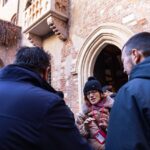
I really like how the tour gives you context fast, so each stop feels connected instead of random sightseeing. And having a guide such as Frank, who’s friendly and sharp with explanations, makes the whole route more fun and not just a history lecture.
One thing to plan for: it’s a 2-hour walking tour with multiple key sights, so you’ll want comfy shoes and a day when weather is reasonable. If rain is in the forecast, you might need to reschedule since the experience requires good weather.
In This Review
- Key Highlights You’ll Actually Feel
- A Verona Walk That Makes Time Periods Click
- Start at Piazza Brà, Then Walk Into the Roman Arena
- Castelvecchio Castle: Medieval Power You Can Picture
- Scaliger Arcs: Gothic Funerary Art Without the Museum Feeling
- Piazza dei Signori: Where Administration and Authority Played Out
- Piazza delle Erbe: Roman Forum Energy Plus Modern Market Life
- Casa di Giulietta: Shakespeare’s Legend Inside Real City Life
- How Much Is $196.66 Really Worth Here?
- The Pace, Weather, and Shoes Matter More Than You Think
- Who This Tour Fits Best
- Should You Book This Verona Guided Walk?
- FAQ
- How long is the Verona Arena and Historic Highlights walking tour?
- Where does the tour start and where does it end?
- Is this a private tour?
- What ticket type do I receive?
- Is the tour near public transportation?
- Can I cancel for a full refund?
- Is weather important for this experience?
Key Highlights You’ll Actually Feel
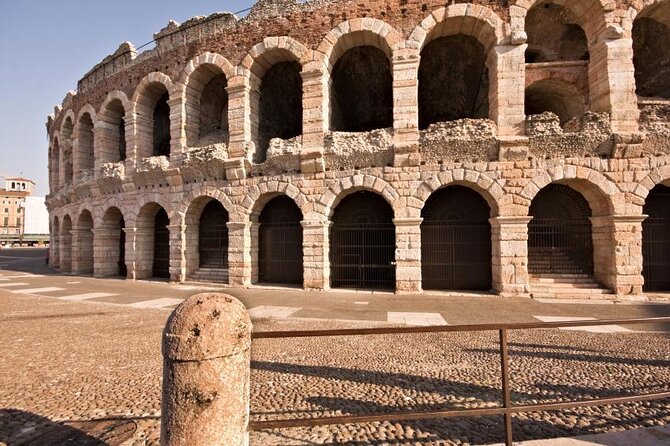
- Arena di Verona still alive today: an ancient amphitheater with ideal acoustics that hosts major performances
- Castelvecchio’s defense story: a restored medieval castle where water once surrounded a 7-tower defense system
- Scaliger Arcs in Gothic style: five funerary monuments built for the Scaliger family
- Power and politics in Piazza dei Signori: palaces tied to Venetian-era administration
- Old-town meeting point at Piazza delle Erbe: Roman forum roots plus fruit-market energy
A Verona Walk That Makes Time Periods Click
Verona can feel like a choose-your-own-adventure city. One street points you toward Shakespeare, another toward Rome, and then a church or tomb suddenly throws you back into medieval rule. This tour works because it strings those eras together in a way your brain can hold onto. You’re not just checking off landmarks; you’re getting the story of how Verona thought, ruled, and entertained itself.
The whole experience is built as a guided walking route through the city’s most recognizable historic highlights. You’ll start at the Arena area and finish near Juliet’s House, hitting the Roman amphitheater, Castelvecchio, Gothic funerary monuments, and two major piazzas along the way. It’s paced as a short stop at each place (about 15–17 minutes), which is great if you want to keep moving and still understand what you’re seeing.
What I find especially useful is that the tour doesn’t treat each site like a museum island. Instead, you learn why the location mattered—whether it was for public shows, ruling families, or everyday life in the squares. That’s how you get more value from the time you spend in Verona.
You can also read our reviews of more tours and experiences in Verona.


Start at Piazza Brà, Then Walk Into the Roman Arena

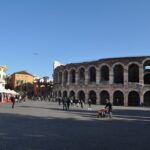
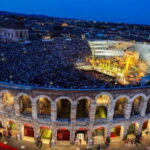
Your tour begins at the Arena di Verona area, right at P.za Brà, 1. From the start, you’re in the thick of what Verona is famous for: the Roman amphitheater that still functions like a stage.
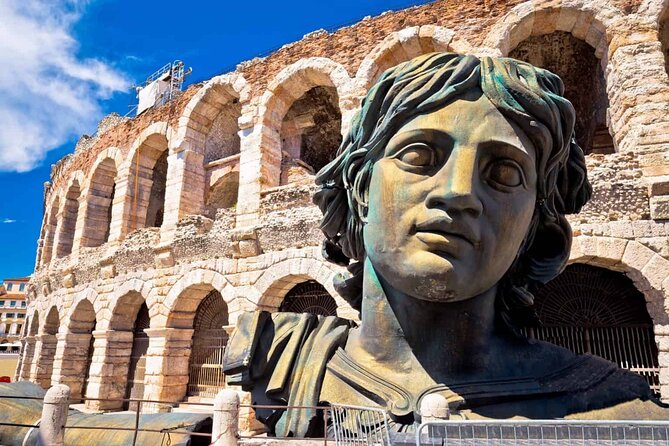
At the first stop, you’ll see the Arena di Verona as a well-preserved Roman amphitheater. In ancient times, it was used for gladiator shows—so yes, it was the medieval version of mass entertainment with real spectacle energy. Today, the place is famous for its ideal acoustics. That matters because it’s not a dead ruin. You’re looking at architecture that still does what it was designed to do: carry sound and frame performances.
Practical note: even though you’re only there for about 15–17 minutes, it’s enough time to orient yourself. You’ll understand the shape, the purpose, and why people still plan events there. If you’re also an opera person, this is one of those locations where the setting actually helps the story make sense.
Castelvecchio Castle: Medieval Power You Can Picture

From the Arena, the next stop is Castelvecchio, also known as the old castle in Italian. This part is a favorite for me because it’s not just pretty stone. Castelvecchio has a real defense-and-control story.
You’re stepping into a restored medieval castle that also houses the Castelvecchio Museum, with collections spanning medieval and Renaissance artworks, plus sculptures, paintings, jewelry, weapons, and armor. Even if you don’t go deep into every exhibit during the short visit, you’ll at least get a sense of how martial and artistic Verona coexisted.
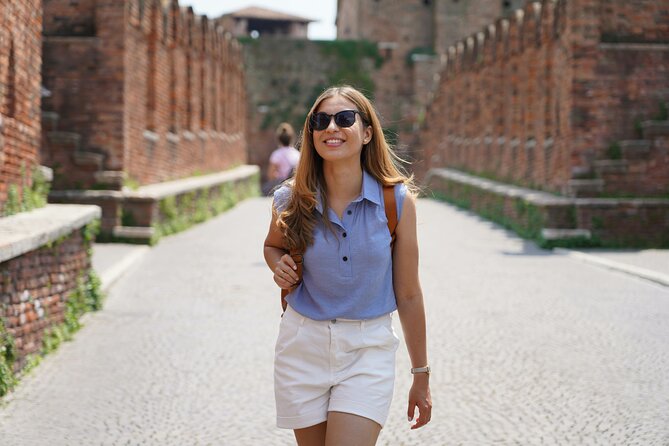
Here’s the detail that makes it click: Castelvecchio was part of a 7-tower defense system, and water once surrounded the structure. That’s the kind of visual clue that helps you understand why the castle sits where it does. It wasn’t built only for views. It was built so the city could control movement and protect itself.
For travelers, this stop is a good reset between the Roman amphitheater and the Gothic monuments that come next. It gives you a different kind of atmosphere: more fortress, more medieval authority, more “Verona guarded itself here.”
Scaliger Arcs: Gothic Funerary Art Without the Museum Feeling

Next you’ll see the Scaliger Tombs, centered on the Scaliger Arcs. These are five Gothic funerary monuments built to commemorate the Scaliger family, who were rulers of Verona.
This stop is short (around 15–16 minutes), but it’s worth treating it like a mini-art lesson in stone. Gothic funerary art can be hard to appreciate if you only look at it the way you’d look at a generic building. With a guide, you get help spotting what’s distinctive about the monuments and what the Scaliger family wanted to communicate through them: status, legacy, and legitimacy.
The payoff for me is that the sculptures and design choices feel more purposeful once you know the family connection. It becomes less about guessing and more about reading the message in the architecture.
If you love art details—even just lightly—this stop will give you enough to walk away feeling like you actually understood what makes these tombs stand out.
Piazza dei Signori: Where Administration and Authority Played Out
After Castelvecchio and the tombs, the tour heads to Piazza dei Signori, one of Verona’s key historic squares. This is a place you might think is only about scenery, but it has a serious political backbone.
The square took on political and administrative functions during the Venetian reign. The clue is in the palaces around it, especially Palazzo della Ragione and Palazzo di Cansignorio. When you’re standing in the square, it’s easier to imagine power being conducted here: meetings, declarations, and public life organized under the watch of rulers.
This stop is about learning how Verona worked, not just how it looked. And it’s also where you start to feel the city as a living place. Squares like this usually remain the social center because they were built for people to gather—and that habit doesn’t disappear just because the centuries change.
If you’re the type who likes to understand why a city’s important spaces are important, Piazza dei Signori is a strong moment in the tour.



Piazza delle Erbe: Roman Forum Energy Plus Modern Market Life
Then you’ll reach Piazza delle Erbe, described as the oldest square in Verona. This is where the tour turns from “authority” to “everyday life.”
The square is known for its fruit market, cozy cafes, and a mix of buildings with different ages and styles surrounding it. That combination makes it feel like a real meeting place rather than an outdoor stage. In practice, it’s a great spot to pause and let your senses catch up. You’ll likely notice how the square still functions the way central squares always do: people pass through, linger, and meet friends.
The Roman connection is the big historical punchline. In Roman times, Piazza delle Erbe served as a Roman forum, and it even hosted chariot races. So you’re standing on a space that once supported government, commerce, and public spectacle—then later continued serving as a social hub.
If you want to get a grounded feel for Verona beyond big monuments, this is the stop that helps. You’ll see how history sits right next to daily routine.
Casa di Giulietta: Shakespeare’s Legend Inside Real City Life
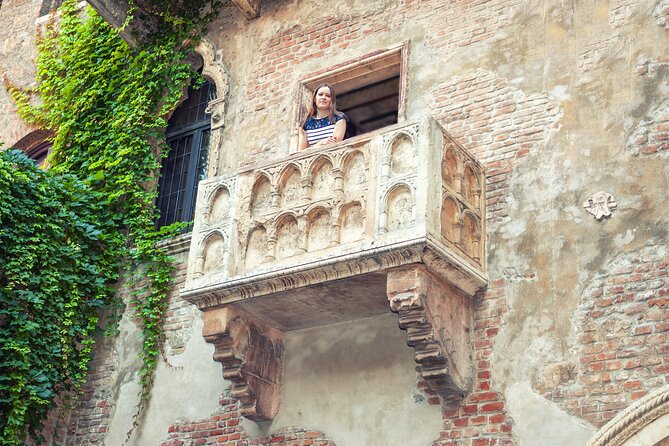
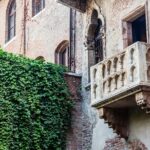
The tour ends at Casa di Giulietta (Juliet’s House) on Via Cappello, 23. This is the romantic stop, and it’s built for anyone who knows the story—or anyone who wants to see why the story took hold in Verona.
You’ll visit a house tied to the most famous love legend, associated with Shakespeare’s Romeo and Juliet. Even if you already feel you know the plot, the value here is that you’re placing the literature in a physical location. It helps explain why cities become linked to stories: people show up because they want to stand where the legend lives.
One practical thought: this final stop is short, about 15 minutes. If you love photos and want time to linger, plan a little extra time on your own after the tour ends at Juliet’s House. That way you won’t feel rushed.
How Much Is $196.66 Really Worth Here?

The price is $196.66 per person for a guided walk lasting about 2 hours. That isn’t cheap, especially when you’re in a city where you could technically DIY the route.
So why pay? Because the tour combines several major sights—Arena di Verona, Castelvecchio, Gothic tomb monuments, and two major piazzas—into a single guided thread. You’re paying for time saved, plus interpretation that helps you see what matters. Without guidance, it’s easy to walk through impressive spaces and still miss why they’re impressive.
The tour also includes a mobile ticket, and you’re set up for a smooth start at the Arena meeting point. And it’s described as a private experience where only your group participates, which can be a big value if you’re traveling with friends or family and want a quieter, more flexible feel than a large mixed group.
There’s also mention of group discounts, which can improve the value if you’re traveling with more people. The short stop times (around 15–17 minutes each) also suggest you’re getting efficient coverage, not a long sit-down experience.
My take: if you want Verona to feel understandable—not just scenic—this kind of guided format is usually worth it. If you’re a solo traveler who prefers slow wandering and you already know the historical basics, you might decide it’s overkill.
The Pace, Weather, and Shoes Matter More Than You Think
A walking tour that hits six headline stops in about two hours means you’ll be standing, looking, and moving consistently. This is not a slow stroll that turns into a long lunch. It’s designed to keep momentum while still offering guided context at each site.
The experience also requires good weather, so plan around that. If you’re visiting in a rainy season, you’ll want a backup plan mentally—because rescheduling is part of the deal when conditions are poor.
Also, the tour is near public transportation, so you’re not locked into a single access method. But since it ends at Juliet’s House, it helps to keep your next activity nearby, like continuing the walk through the historic center instead of traveling far immediately after.
Who This Tour Fits Best
This is a great match if you want:
- A high-contrast Verona tour (Roman → medieval → Gothic → legend) without complex planning
- A guide who can explain art and cultural context, like Frank
- A route that focuses on major, recognizable sights but gives you meaningful reasons behind them
It might be less ideal if you:
- Hate walking and standing for short bursts across multiple stops
- Prefer spending a lot more time inside museums or doing deep independent reading at each site
Should You Book This Verona Guided Walk?
I’d book it if you want your time to feel efficient and meaningful. The route hits the big names—Arena di Verona, Castelvecchio, the Scaliger Arcs, Piazza dei Signori, Piazza delle Erbe, and Casa di Giulietta—yet the tour is set up to make those stops feel connected through culture and power, not just collected like postcards.
I might skip or reconsider if your main goal is a museum-heavy day with long interior visits, because this is timed for quick, focused stops rather than extended time inside exhibits. Also, if weather is unpredictable, check your flexibility.
If you’re balancing first-time Verona energy with real understanding, this guided walk is an easy yes.
FAQ
How long is the Verona Arena and Historic Highlights walking tour?
It’s approximately 2 hours.
Where does the tour start and where does it end?
It starts at Arena di Verona, P.za Brà, 1, 37121 Verona VR, Italy, and ends at Casa di Giulietta, Via Cappello, 23, 37121 Verona VR, Italy.
Is this a private tour?
Yes. Only your group will participate.
What ticket type do I receive?
You get a mobile ticket.
Is the tour near public transportation?
Yes, it is listed as near public transportation.
Can I cancel for a full refund?
Yes. You can cancel up to 24 hours in advance for a full refund.
Is weather important for this experience?
Yes. The experience requires good weather, and if it’s canceled due to poor weather, you’ll be offered a different date or a full refund.