REVIEW · VERONA
Verona: Hands-on Fresh Pasta and Tiramisù Cooking Class
Book on GetYourGuide →Operated by Ways Tours | B Corp company · Bookable on GetYourGuide
Fresh pasta starts with your hands. In a 3.5-hour Verona kitchen class, you make hands-on pasta and tiramisù, then sit down with Valpolicella wine to eat what you made. One thing to note: there’s no hotel pickup, so you’ll need to get yourself to the meeting point near the theater.
What makes this class work so well is the small setup, limited to 10 people, and the teaching stays friendly and in English. Chefs and guides like Christina (often with assistant Sylvia/Silvia) and guide Laura show up in the experience, and the vibe stays patient even when you’re learning by doing, not watching.
In This Review
- Quick hits before you book
- Why this Verona class feels real (and not like a cooking show)
- Getting to the meeting point near the theater (and what to expect first)
- The fresh pasta lesson: dough work, shaping, and the key technique ideas
- Risotto in Verona: local rice, stirring habits, and getting the texture right
- Tiramisu hands-on: building layers that set and taste like Italy
- Lunch with Valpolicella: why eating together is part of the lesson
- The chefs and guides that make technique feel doable
- What you take home: recipe book and QR code for repeat dinners
- Price and value: is $107.62 a fair deal in Verona?
- Who should book this class (and who should skip it)
- Should you book this Verona pasta and tiramisù class?
- FAQ
- How long is the Verona fresh pasta and tiramisù cooking class?
- What dishes will we make during the class?
- Is lunch included, and is wine part of it?
- Is the class taught in English, and is it a small group?
- Where do we meet, and is hotel pickup included?
- What dietary restrictions are accommodated?
- What is the age requirement?
- Does it run rain or shine, and can I get a refund if plans change?
Quick hits before you book
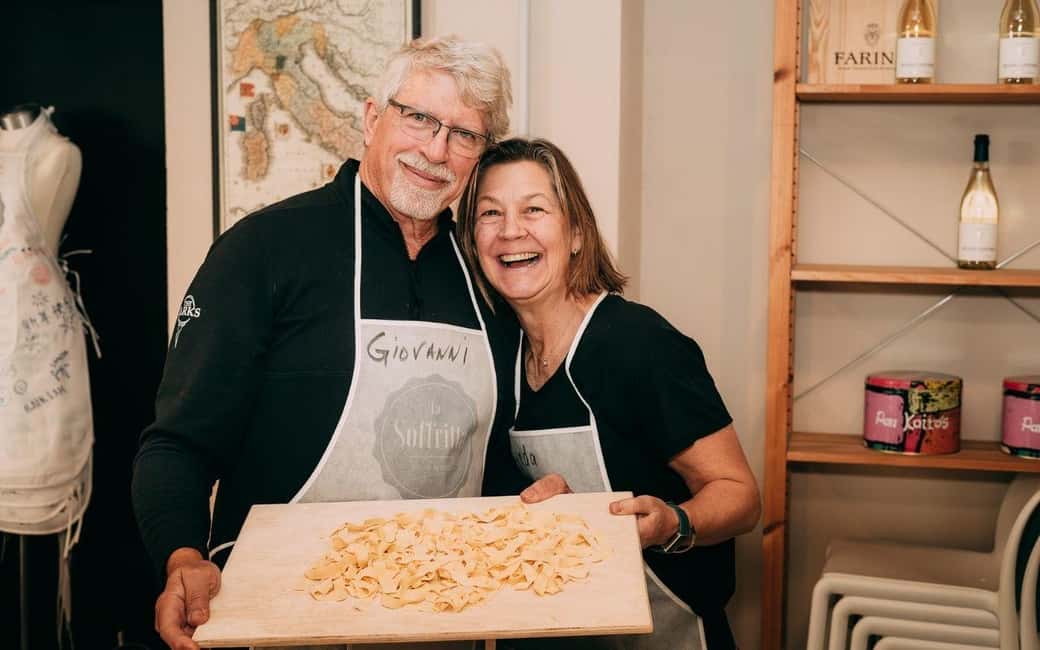
- Small group (up to 10) means you actually get hands-on time with dough, sauce, and dessert.
- Fresh pasta + tiramisù + risotto in one afternoon gives you a full Italian-meal skill set.
- Valpolicella wine with lunch makes the meal feel like part of the lesson, not an add-on.
- English instruction keeps technique understandable, especially when it comes to timing and texture.
- Recipe book plus QR code helps you recreate the dishes at home without guesswork.
- Rain or shine keeps this plan dependable in Verona’s changeable weather.
Why this Verona class feels real (and not like a cooking show)
A cooking class in Italy can go two ways: you either stand around watching, or you get messy and learn what matters. This one leans hard into the second option. You’ll be rolling, shaping, assembling, and stirring while the chef guides you through the why, not just the how.
I like that the focus stays on simple, solid Italian methods using fresh ingredients. The class is built around the Mediterranean diet idea—keep things ingredient-forward and don’t rely on complicated steps to make flavor happen. In practice, that means you learn techniques you can repeat with stuff you can actually find back home.
The other big win is the pace. You don’t just cook; you also sit down to eat what you made. That matters because pasta texture, risotto consistency, and tiramisù set time are all about timing. You get feedback fast—then you learn to do it again.
You can also read our reviews of more tours and experiences in Verona.

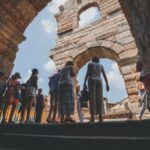
Getting to the meeting point near the theater (and what to expect first)
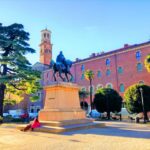
You’ll meet the guide in front of the theater, holding a yellow sign with the word tour on it. The session ends back at the same meeting point, so you’re not stuck figuring out a new location later.
No hotel pickup is included, which sounds minor until you’re juggling luggage, shoes, and Italian street navigation. If you’re staying central in Verona, it’s usually manageable, but plan extra time to get there on your own.
This activity runs rain or shine, so wear shoes you can stand in for a few hours. Some parts may be hard for people with reduced mobility, and wheelchair users should know it’s not suitable as listed. Also: pets aren’t allowed, and unaccompanied minors can’t join.
The fresh pasta lesson: dough work, shaping, and the key technique ideas
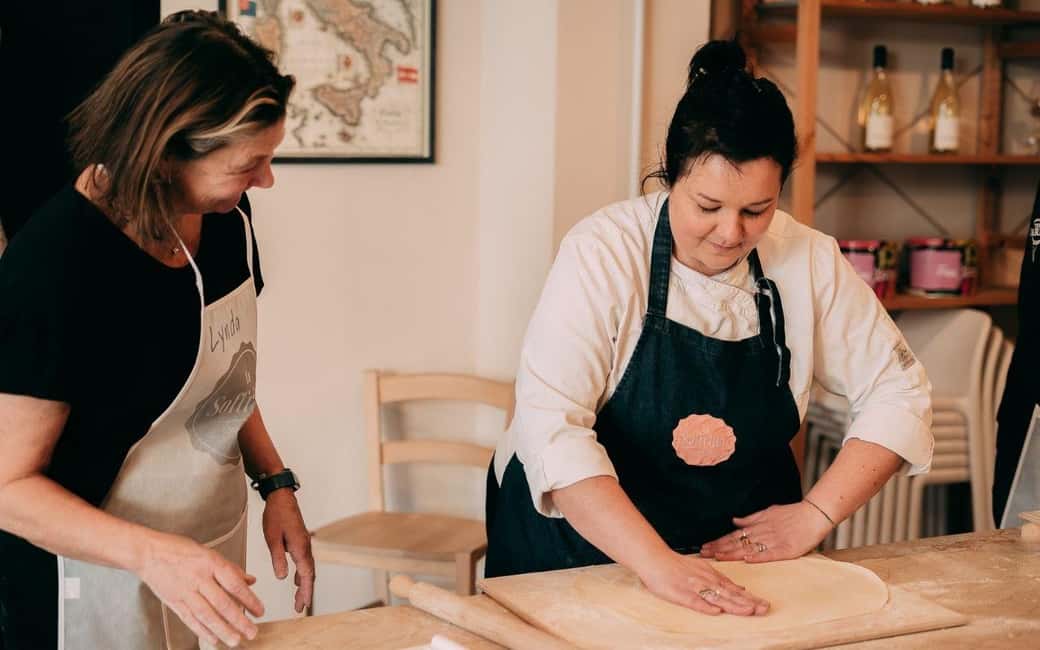
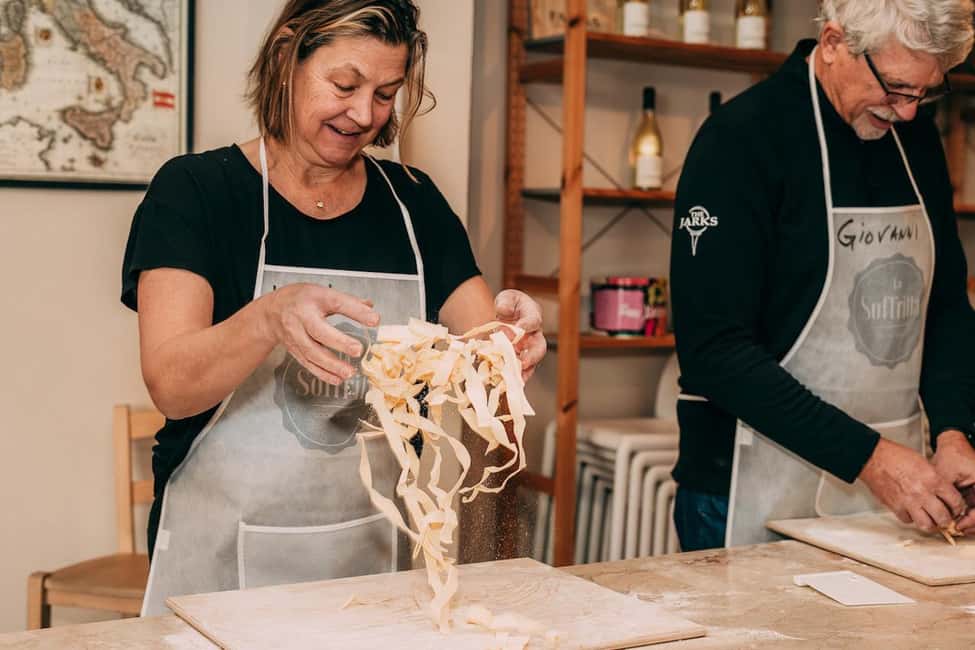
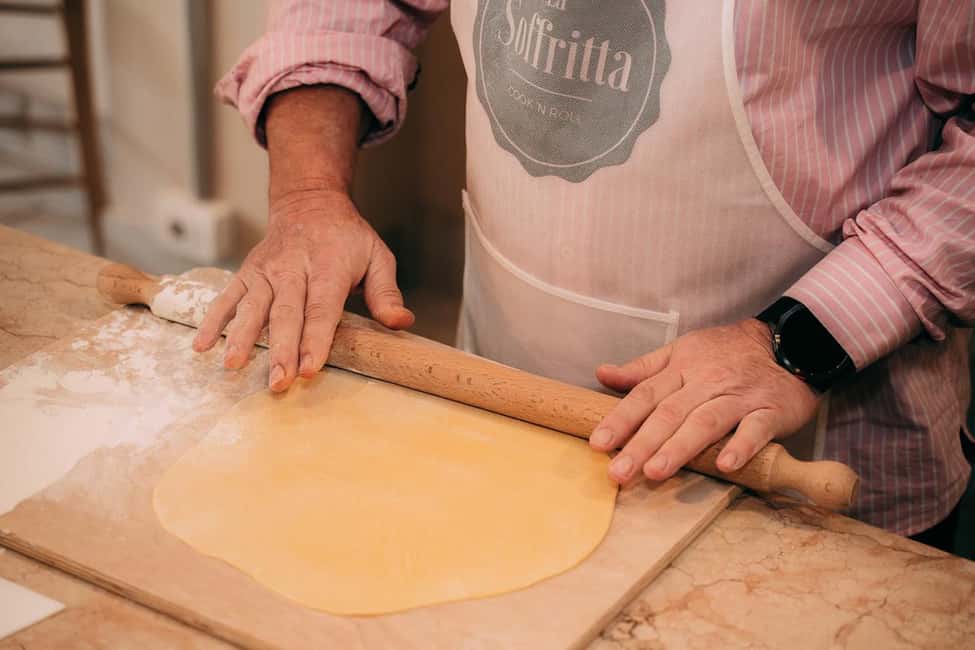
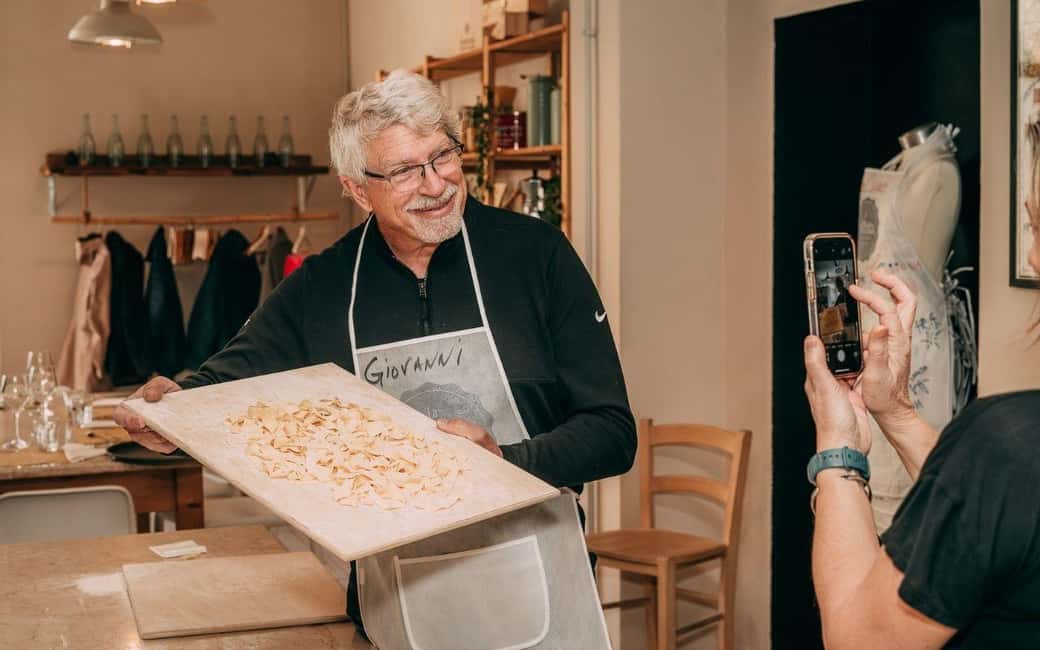
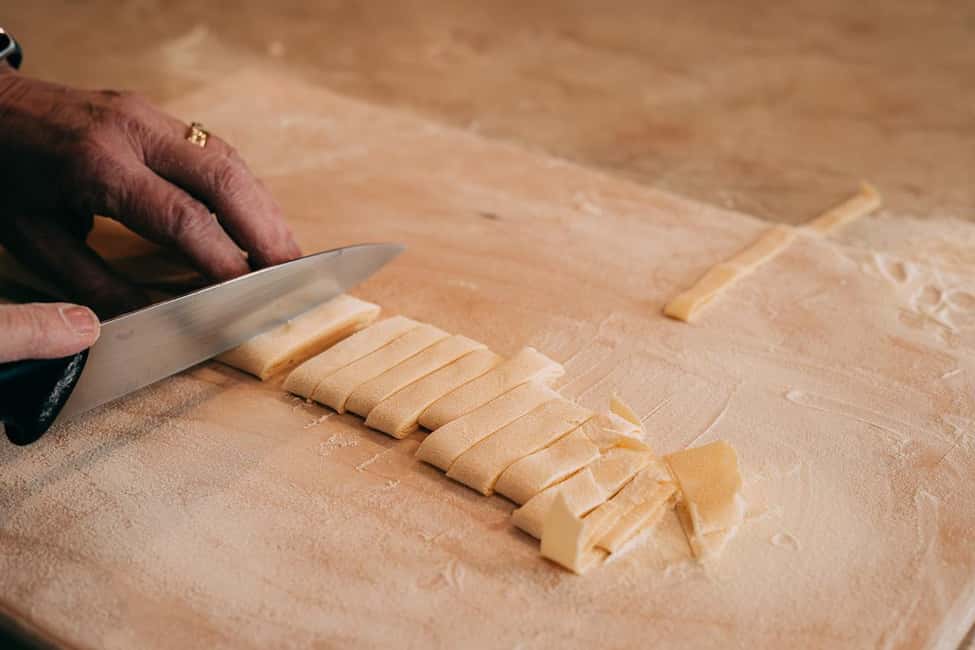
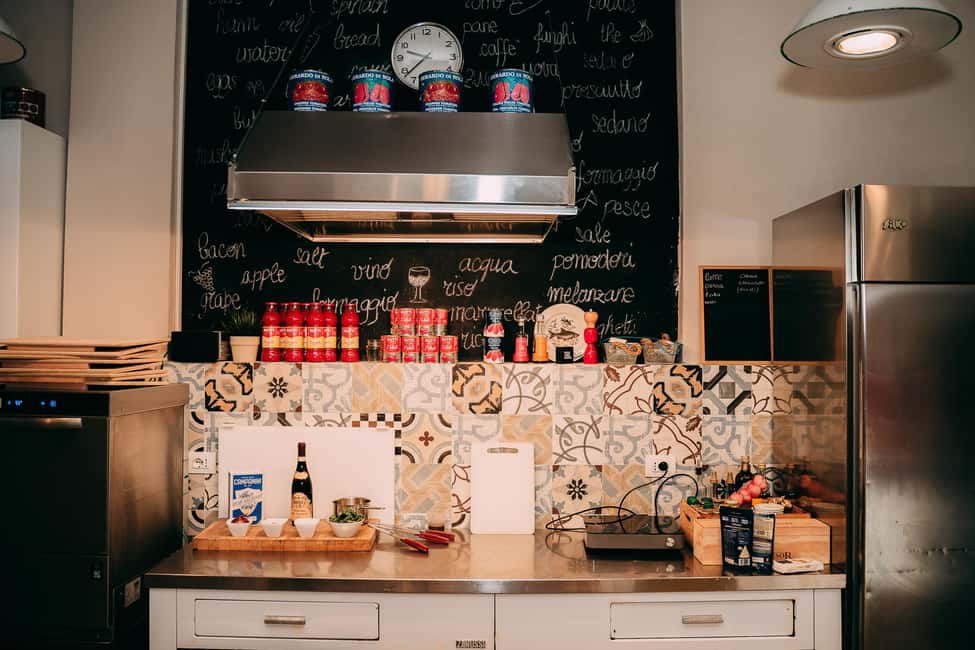
This is hands-on Italian cooking in the most literal sense: you’ll make fresh pasta. The chef teaches using easy-to-learn steps in a professional kitchen setting, with ingredients provided and an apron included.
In classes like this, the goal isn’t to turn out perfect restaurant sheets on your first try. The real goal is building instincts:
- how the dough should feel (not too dry, not too sticky)
- how to handle it without tearing
- how thickness affects cooking
The instructors in the feedback emphasize guidance through each step, with people getting time to participate rather than just observing. That’s what you want if you’re the type who learns best by doing. One parent noted that the teaching stayed careful with their 15-year-old, which is a good sign that the chef watches the group and adjusts as needed.
And because you’re making pasta as part of a real meal, you also get to taste the outcome right after cooking. That closes the loop: you learn what worked, what didn’t, and how to fix it next time.
Risotto in Verona: local rice, stirring habits, and getting the texture right
The class includes risotto made with local rice. If risotto sounds intimidating, this is one of those situations where hands-on instruction is the difference. You don’t need fancy equipment; you need the right technique and attention to texture.
What you’ll likely notice during the process is that risotto is less about “timing perfectly” and more about staying engaged. Stirring and adding liquid in the right way helps the rice release starch so the dish turns creamy without becoming gummy.
One of the strongest notes from the experience is that even people who didn’t care for risotto before found themselves wanting to make it again afterward. That tells me the teaching approach is practical, not theoretical—exactly what you want if your goal is dinner at home, not a one-time souvenir.
If you’re watching for value: risotto is also a dish that can be expensive to get right in a restaurant. Here, you learn to make it, then you eat it, all within the same session.
Tiramisu hands-on: building layers that set and taste like Italy
Then comes tiramisù, the classic Italian dessert that most people think they know—until they see what actually makes it work. In this class, you’ll make it with the chef’s step-by-step help, and you’ll finish with a finished dessert you can taste immediately after.
The big theme with tiramisù is balance: creamy filling, proper layering, and letting it set in a way that doesn’t turn it into soggy cake. Hands-on instruction helps because you’re dealing with the texture of the components, not just following a recipe line by line.
A lot of the feedback calls out tiramisù as the highlight, including comments that it was the best someone had eaten. That’s not just praise for dessert—it’s a sign that the class workflow leads you to a good result, not a stressful experiment.


Lunch with Valpolicella: why eating together is part of the lesson
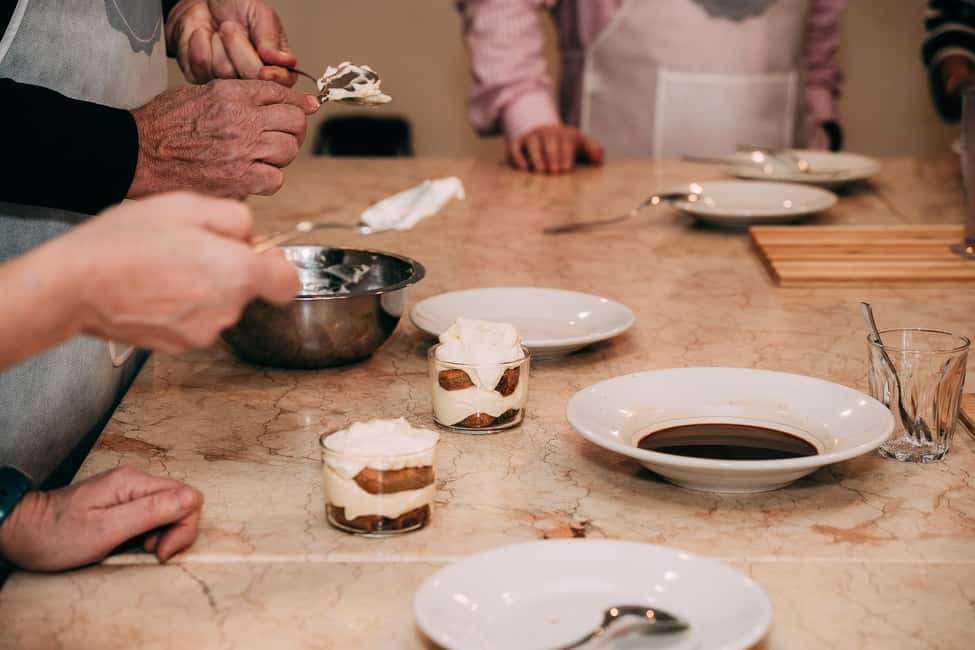
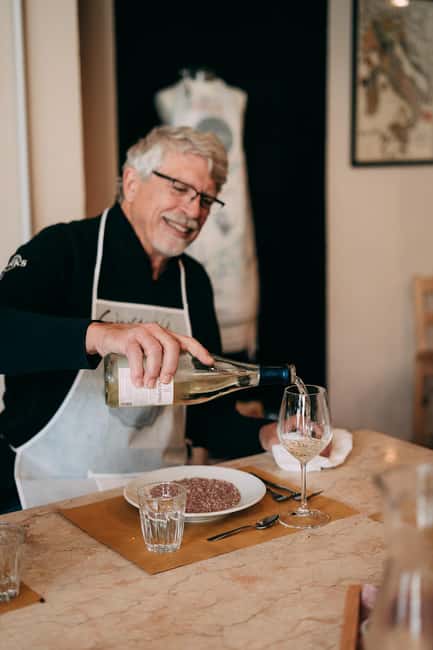
You’ll enjoy your home-cooked meal after cooking, including lunch with wine. Valpolicella wine is specifically included.
This is one of the most important parts for me when deciding on a class. The meal isn’t filler. It’s when you understand how the dishes come together as an actual Italian menu: pasta texture with sauce, risotto creaminess, and dessert sweetness.
Some participants also describe getting a small starter as part of the meal flow. Regardless of the exact sequence, the pattern stays the same: cook, then sit down and eat.
Also, the social part matters. The group is small, and you’ll be eating with the people you cooked alongside. A few comments mention meeting folks from different countries and chatting during the meal, which makes the class feel less like a ticketed activity and more like an evening you remember.
The chefs and guides that make technique feel doable
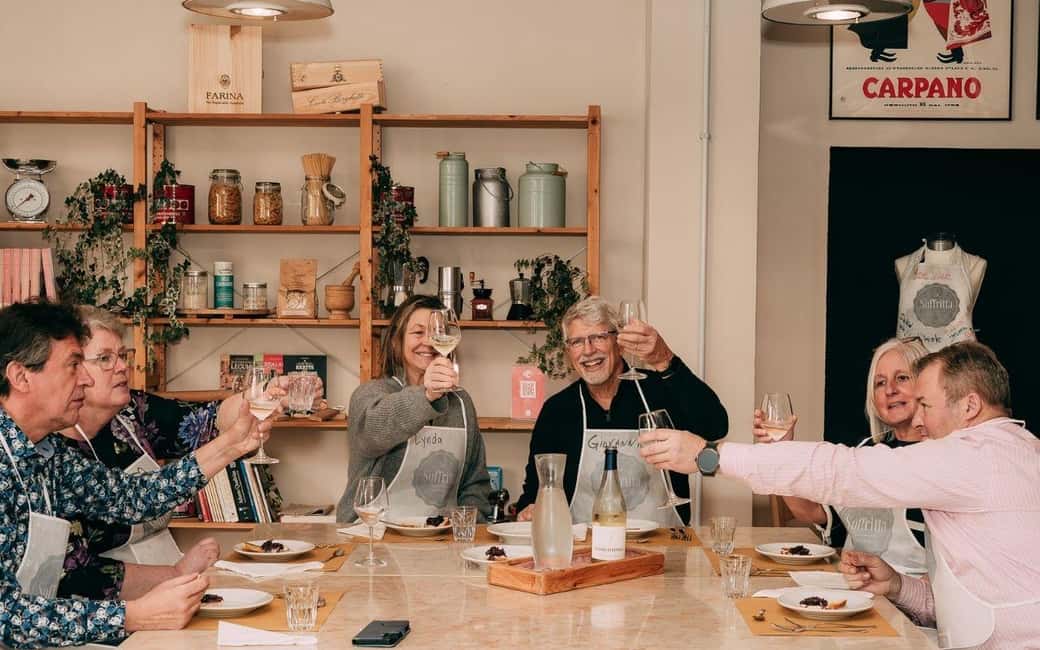
When a class has high ratings and lots of “we felt taken care of” notes, it usually comes down to teaching style. Here, chefs and guides are repeatedly described as friendly, fun, and patient—often with a sense of humor that keeps the kitchen calm even when you’re moving quickly.
Names that show up in the experience include Christina/Christina (chef), Silvia/Sylvia (assistant), and guide Laura. You’ll also see mentions of instructors sharing technique and regional variations, sometimes through a family lens—like what a nonna taught them. That matters, because it turns the cooking into a story you can remember, not a list of steps you forget.
One important practical detail: if you have a serious dietary need, the chef approach can matter as much as the menu. One participant with celiac described the chef checking for cross contamination. That’s exactly the kind of care you should look for, and it’s also why you should inform the operator about any allergies or intolerances in advance.
What you take home: recipe book and QR code for repeat dinners
You get a recipe book included, plus extra help to recreate the dishes. Several participants mention a QR code at the end with recipes you can scan, which is great because it makes the “what did we do again?” part much easier.
This is one of the reasons the class feels like value, not just entertainment. You’re not leaving with a vague memory. You’re leaving with a toolset.
And because the class teaches basic techniques rather than only brand-new tricks, the recipes should be realistic for home cooking. If you’re the type who cooks on weekends, this gives you a plan for a dinner that tastes like you traveled for longer than you did.
Price and value: is $107.62 a fair deal in Verona?
At about $107.62 per person, you’re paying for a short, high-touch experience: professional chef instruction, ingredients, apron, lunch with wine, and take-home recipes.
Here’s the value math I’d use in your head:
- You’re getting a full meal (not just bites).
- You’re getting wine included with lunch.
- You’re paying for time in a professional kitchen with hands-on teaching for a small group.
A restaurant meal plus a cooking activity elsewhere can easily cost more, especially when you factor in how much time you spend learning versus simply eating. What you’re really buying is skill transfer: pasta-making habits, risotto texture control, and tiramisù assembly.
The best sign of value is that people repeatedly highlight not just the food, but the teaching flow—step-by-step, with everyone getting chances to participate.
Who should book this class (and who should skip it)
This is a great match if you want an authentic-feeling Verona experience that isn’t only about tasting. You’ll enjoy it if you like hands-on learning, Mediterranean-style simplicity, and sitting down to eat as part of the process.
It also suits families and teens in some cases—though the rules are clear: children under 14 can’t join, and minors must be accompanied by an adult. Unaccompanied minors aren’t allowed.
If you have dietary needs, you should feel hopeful—but still plan ahead. Vegetarian, glucose-free, and lactose-intolerant restrictions are catered to. Tell the operator about any food intolerance or allergy in advance, since they may adjust the menu and handle ingredients accordingly.
Two caution flags:
- Wheelchair users: not suitable as listed, and parts of the space may be hard to access.
- No hotel pickup: you’ll need to arrive on your own at the meeting point by the theater.
Should you book this Verona pasta and tiramisù class?
If you’re in Verona for a few days and you want one activity that’s both practical and fun, I think this is an easy yes. Fresh pasta, risotto with local rice, and tiramisù in a small group—with lunch and Valpolicella included—gives you a full Italian cooking outcome, not a watered-down demo.
Book it especially if you care about technique you can use again. The recipe book and QR code make it much more likely you’ll cook these dishes at home instead of letting the memories fade.
I’d only hesitate if you can’t manage stairs or tight kitchen areas, or if you don’t want to travel to the meeting point without pickup. Otherwise, this class hits the sweet spot: hands-on skills, great food, and instructors who keep things upbeat while you learn.
FAQ
How long is the Verona fresh pasta and tiramisù cooking class?
It lasts 3.5 hours.
What dishes will we make during the class?
You’ll make hand-made fresh pasta, risotto (made with local rice), and tiramisù.
Is lunch included, and is wine part of it?
Yes. Lunch is included with wine (Valpolicella).
Is the class taught in English, and is it a small group?
The instruction is in English, and the group is limited to 10 participants.
Where do we meet, and is hotel pickup included?
You meet in front of the theater holding a yellow sign with the word tour. Hotel pickup and drop-off are not included.
What dietary restrictions are accommodated?
Vegetarian, glucose-free, and lactose-intolerant dietary restrictions are catered to. If you have an intolerance or allergy, you should inform the tour operator in advance.
What is the age requirement?
Children under 14 years can’t join the activity, and minors must be accompanied by an adult.
Does it run rain or shine, and can I get a refund if plans change?
It runs rain or shine. Free cancellation is available up to 24 hours in advance for a full refund.