REVIEW · VERONA
Dante in Verona: From Inferno to Paradise
Book on GetYourGuide →Operated by Slow Travel · Bookable on GetYourGuide
Dante turns Verona into a living map. This relaxed 1.5-hour walk connects Dante Alighieri to real medieval corners of town, then brings his Divine Comedy closer with a live acting moment along the way. You’re not just sightseeing; you’re following a poetic trail through Ancient Verona.
I especially liked how the route hits places tied to Dante’s time in the city, including the Scaligeri world around the Arche Scaligere and the bridges and cathedrals that match the book’s themes. A small consideration: it’s not a fit for everyone, since it is not suitable for pregnant women, and you’ll want comfortable shoes for steady walking.
In This Review
- Key things I’d zero in on
- Why Dante in Verona feels different than a normal walking tour
- Piazza San Fermo to Porta Leoni: the medieval start you’ll remember
- Juliet’s House and Lamberti Tower: quick stops with real Verona mood
- Arche Scaligere and Piazza dei Signori: where politics and poetry meet
- Ponte Pietra and the Duomo: moving from story to sacred setting
- The live acting moment: hearing Inferno to Paradise on the street
- Pace, comfort, and who this suits best
- Price and value: is $45 fair for 90 minutes?
- Should you book Dante in Verona: from Inferno to Paradise?
- FAQ
- How long is the Dante in Verona tour?
- Where do I meet the guide?
- How much does it cost?
- What languages is the tour offered in?
- What sites are included on the tour?
- Is there live acting during the tour?
- Is the tour wheelchair accessible?
- Is this tour suitable for pregnant women?
- Can I cancel, and can I reserve without paying now?
Key things I’d zero in on
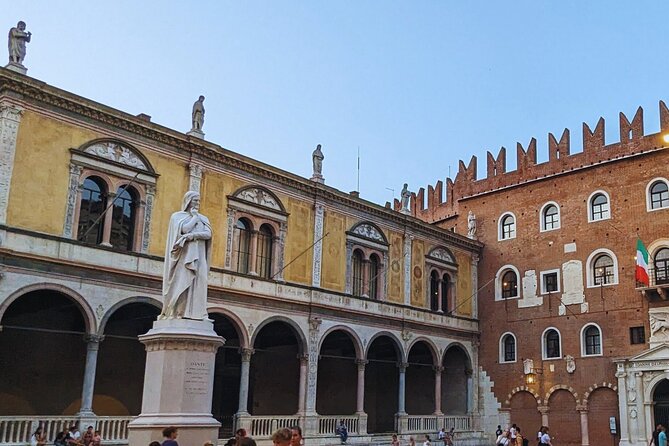
- Inferno, Purgatory, and Paradise themes tied to what you see in Verona
- Scaligeri-era stops that make Dante feel tied to politics, faith, and place
- Arche Scaligere tombs and Ponte Pietra for strong atmosphere and photo-worthy views
- Live acting with Dante, so the poem lands as performance, not just recitation
- Guides like Giovanni and Leonardo explaining symbols in plain, human terms
Why Dante in Verona feels different than a normal walking tour

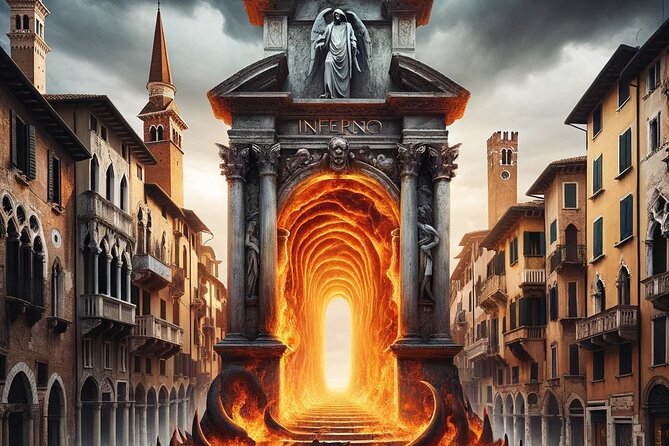
Most walking tours give you facts and views. This one uses Verona as a stage for Dante’s ideas—so the city turns into a kind of map for the Divine Comedy. You’re guided through stories that range from Inferno to Purgatory to Paradise, with passages connected to local traditions and the medieval worldview behind them.
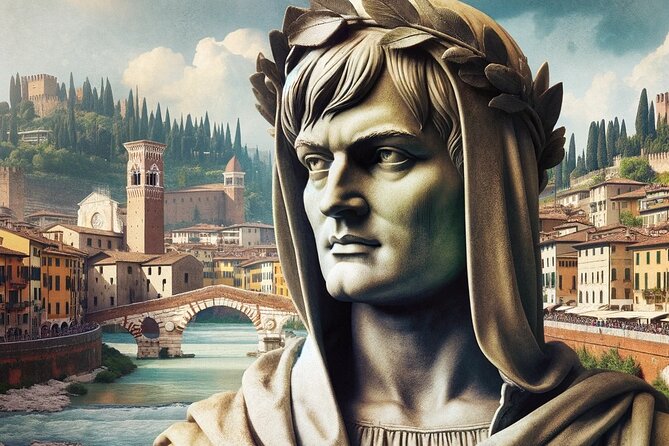
I like that this tour treats Dante as a person, not a statue. You hear him as a traveler and poet living inside a real city with real power structures. Verona wasn’t just background scenery; it’s presented as a place where Dante could observe society, faith, and moral struggle at close range—especially through the Scaligeri family connection.
If you’re expecting purely light, photo-stop sightseeing, you might find the tone more reflective and literary than you wanted. But if you like connecting art to street-level reality, this format makes Verona feel oddly personal.
You can also read our reviews of more tours and experiences in Verona.

Piazza San Fermo to Porta Leoni: the medieval start you’ll remember
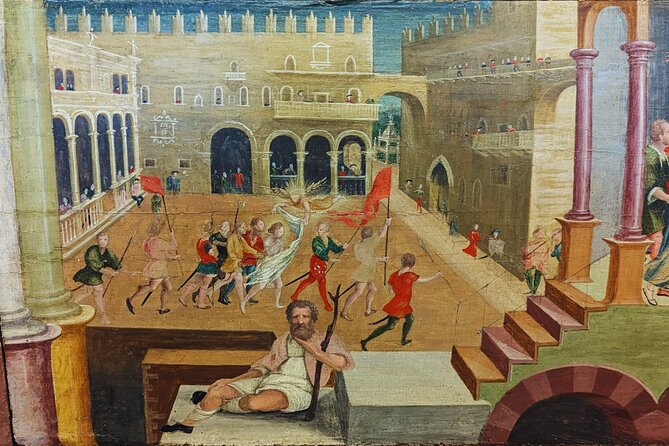
You meet in Piazza San Fermo, in a small square along a road with a bar on the corner. The simple tip that helps: wait for your guide in front of the church, about an 8-minute walk from the Arena. Getting that right saves time and stress, especially if you arrive a little early.
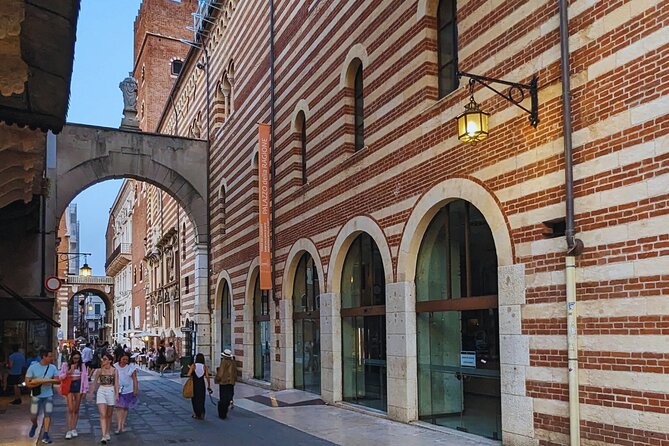
From there, you ease into the city’s older layers. A first stop at Porta Leoni gives you a natural “portal” feeling—this is the kind of gate a medieval traveler would understand as a boundary between outside danger and inside life. Then you move through central Verona with short sightseeing breaks, guided by the thread of Dante’s presence.
This early stretch works because it sets expectations fast. You don’t have to know Dante already; your guide frames what he’s doing in the Divine Comedy and why Verona matters for those themes. It’s also one of the best ways to start a visit, since it gives you a lens before you go wandering on your own.
Juliet’s House and Lamberti Tower: quick stops with real Verona mood
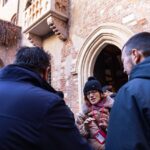
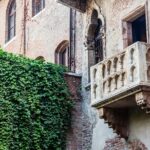
The tour includes a brief look at Juliet’s House. Even if you mainly know it from the romance brand Verona is famous for, I like how it works as a contrast point. Dante’s world isn’t “romantic” in the modern sense; it’s moral and spiritual, full of consequences and choices. Seeing a place tied to love myths right before moving into darker ethical territory helps the day feel like a story, not a checklist.
Next up is Lamberti Tower, another short stop (just a few minutes). This is where you benefit from the guide’s practical rhythm: quick viewpoints and city layout cues so you can later recognize where key sights sit relative to each other. When you return to Verona later, you’ll notice more—streets, angles, and how the city flows.
One smart detail from the way the tour is described: your guide chooses stops with comfort in mind. People have noted the tour uses shaded spots when possible, which matters on hot days and keeps the pace friendly.
Arche Scaligere and Piazza dei Signori: where politics and poetry meet
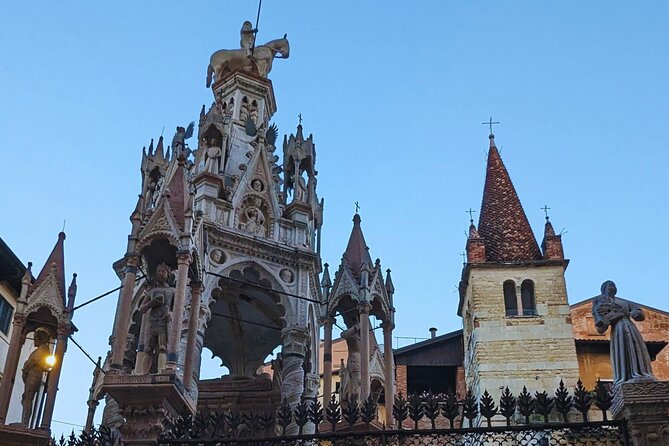
This is the heart of the “Dante in Verona” angle. The route includes the Arche Scaligere (Scaligeri tomb area) and the Piazza dei Signori, with time built into both spaces.
Here’s why those stops matter. The Scaligeri family is described as the powerful Verona dynasty that hosted Dante and left a lasting imprint on the city—castles, arch bridges, palaces, and even frescoed street walls. Standing near the tomb monuments gives weight to that claim: you can connect the book’s serious moral questions to the real world of medieval rule and ceremony.
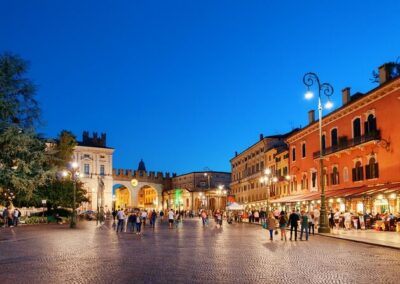
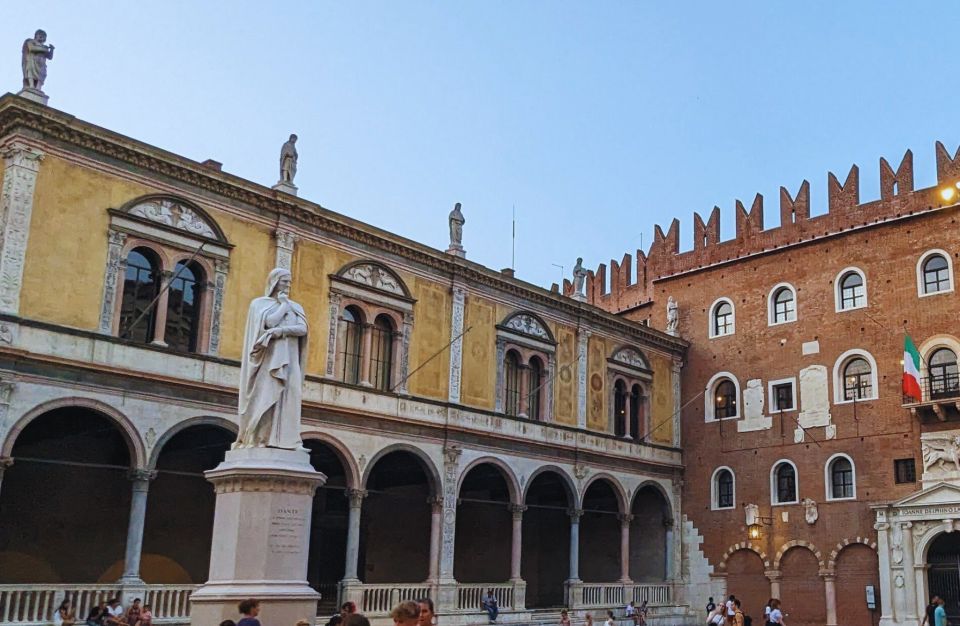
Then you spend time in Piazza dei Signori, which is a civic stage—public space where authority shows itself. Since you revisit the square during the walk, it’s not treated as a one-and-done photo stop. You’re given enough time to absorb how a public square can feel like a “judgment space,” which fits Dante’s themes of fate, justice, and the public face of belief.
If you enjoy symbolism, this is where your guide’s gift for explaining meaning really helps. People have said the tour translates complex ideas into plain language, which keeps Dante from turning into homework.
Ponte Pietra and the Duomo: moving from story to sacred setting
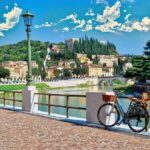
You’ll cross the Ponte Pietra arch bridge, part of the included highlights. A bridge is a perfect storytelling device: it suggests passage, transitions, and crossing into a different moral or spiritual state. Even if you don’t think in those terms normally, standing on a real bridge while hearing Dante’s world discussed makes the metaphor feel physical.
After that, you work toward the religious center of the visit. The tour includes stops around Verona Cathedral / Duomo main church and ends at Cattedrale di Santa Maria Matricolare. Even without getting too technical about architecture, cathedrals bring a natural shift in tone. Dante’s poem is ultimately about order—how the universe is structured for human understanding, and how belief affects behavior.
The ending matters too. Finishing at a cathedral keeps the last impression consistent: you don’t just leave with a few fun stories; you leave with the sense that the poem’s questions have a destination. It’s the right closing note if you came for meaning, not only scenery.


The live acting moment: hearing Inferno to Paradise on the street

One of the standout features is the live acting experience with Dante. Instead of only listening to commentary, you get something closer to performance, where lines and themes are brought to life in the place they’re being discussed.
The tour also includes listening to pieces connected to the three realms—Inferno, Purgatory, and Paradise—framed as part of the tradition behind the text. That structure helps you understand the poem without needing to master it beforehand. You can hear how each section connects to human behavior: fear and consequence, correction and waiting, and finally peace.
This is also where guides tend to win people over. Visitors have highlighted how the storytelling feels kind and friendly, like walking with someone who wants you to understand, not someone testing you. If there’s a language barrier, this format still tends to work because the themes are explained through what you can see in front of you.
Pace, comfort, and who this suits best
Duration is 1.5 hours, so you get a full story arc without burning your whole day. The walk is described as having an excellent, easy pace, and that’s important in a city like Verona where cobblestones and sun can mess with your energy fast.
What to bring is simple: comfortable shoes. And if you’re using a wheelchair, the tour is listed as wheelchair accessible, which is a big plus for people who want an informed walk rather than a vehicle-based option.
Who this tour is for:
- You’re a literature fan who likes meaning tied to real places.
- You want a first “orientation” pass through Verona with an expert lens.
- You’re okay trading a few extra photos for a clearer understanding of why Dante mattered here.
Who might skip it:
- You only want short, light sightseeing with minimal story.
- You need something that’s suitable for pregnant guests (this one is not).
Price and value: is $45 fair for 90 minutes?
At $45 per person for 1.5 hours, you’re paying about $30 per hour. That’s not bargain-bin pricing, but it also isn’t inflated for what you’re getting—because this tour includes more than walking and talking. You get landmark coverage across multiple parts of town, plus a guide who connects Dante’s themes to specific sights, plus live acting.
It also has strong demand signals: the experience is rated 4.7 with 64 reviews. That doesn’t guarantee perfection, but it does suggest the core formula works for most people—good pacing, understandable explanations, and stops that match the story.
If you care about Dante at all—even just a little—this price can feel like smart value. If you’re completely indifferent to the poem, you might feel like you’re paying for an experience that’s more “story with places” than “places with stories.”
Should you book Dante in Verona: from Inferno to Paradise?
I’d book it if you want Verona to mean something beyond postcards. This is the kind of tour that makes you look at bridges, squares, tombs, and cathedrals and think about why people built them—and what that says about belief, power, and morality in medieval life.
I’d pass if you want a purely casual walk with minimal reflection. And if you’re pregnant, this one isn’t set up for you.
If you’re arriving in Verona and want your first day to have a strong narrative backbone, this is a solid choice. It’s short enough to keep momentum, but story-rich enough that you’ll remember the city differently afterward.
FAQ
How long is the Dante in Verona tour?
The tour lasts 1.5 hours.
Where do I meet the guide?
You meet at Piazza San Fermo. It’s described as a small square along a road with a bar on the corner, and you should wait in front of the church.
How much does it cost?
The price is $45 per person.
What languages is the tour offered in?
The tour is offered in English and Italian.
What sites are included on the tour?
Key landmarks mentioned include Duomo main church, Piazza Erbe square, Arche Scaligere tombs, and Ponte Pietra Arch Bridge, plus other stops such as Porta Leoni, Juliet’s House, Lamberti Tower, Piazza dei Signori, and the route through Verona Cathedral to the finish.
Is there live acting during the tour?
Yes. The experience includes a live acting moment with Dante.
Is the tour wheelchair accessible?
Yes, it is listed as wheelchair accessible.
Is this tour suitable for pregnant women?
No. It is not suitable for pregnant women.
Can I cancel, and can I reserve without paying now?
Yes. It offers free cancellation up to 24 hours in advance and also includes reserve now & pay later.