REVIEW · VERONA
Verona: Private 2-Hour Walking Tour
Book on GetYourGuide →Operated by Veronatours · Bookable on GetYourGuide
Roman Verona feels close and walkable. This private 2-hour tour strings together Piazza Brà’s Roman Arena and the balcony from the Romeo and Juliet story, with a guide who keeps it personal and easy to follow. You’ll also get a guided path through the medieval core, including the river area and the old Roman walls.
I love how the stops hit multiple eras without turning into a history lecture. You’ll move from Roman stone at Piazza Brà to the Juliet house balcony in the old lanes, so the city feels like one connected walk instead of separate sights.
One consideration: with only 2 hours, you’ll see a lot, but you won’t have time for deep museum-style detail, and admissions aren’t included if you want to enter monuments.
In This Review
- Key highlights worth knowing
- Start at Piazza Brà and get your bearings fast
- The Roman amphitheater on Piazza Brà
- Along the Adige: Castelvecchio and Ponte Scaligero
- Porta Borsari: the Roman wall archway on your route
- Corso and Piazza Erbe: the Roman city center in real life
- Piazza dei Signori, Café Dante, and the Scaliger tombs
- The narrow lanes to Juliet’s house and balcony
- “Non-mainstream streets” and Medieval Verona charm
- What the $335.32 price really covers (and who it fits best)
- Logistics you’ll want to plan for (quick and useful)
- Who should book this Verona 2-hour tour?
- Should you book Verona: Private 2-Hour Walking Tour?
- FAQ
- Is this a private tour or a shared tour?
- How long is the Verona private walking tour?
- Where does the tour start and end?
- What language is the live guide?
- Is the price per person or per group?
- Are monument admissions included?
- What should I bring?
- Are large bags or luggage allowed?
- Is the tour wheelchair accessible?
- Is free cancellation available?
Key highlights worth knowing
- Private guide pacing: you can ask questions and move at a comfortable speed for your group
- Piazza Brà focus: an up-close look at Verona’s still-in-use Roman amphitheater
- Adige river segment: Castelvecchio fortress views and Ponte Scaligero on the way back through the medieval center
- Roman walls on foot: Porta Borsari gives you a real sense of the old city boundary
- Piazza Erbe + Piazza dei Signori: street life and medieval power side by side
- Final Romeo-and-Juliet stop: a classic literary moment delivered in a real city setting, not a staged scene
Start at Piazza Brà and get your bearings fast
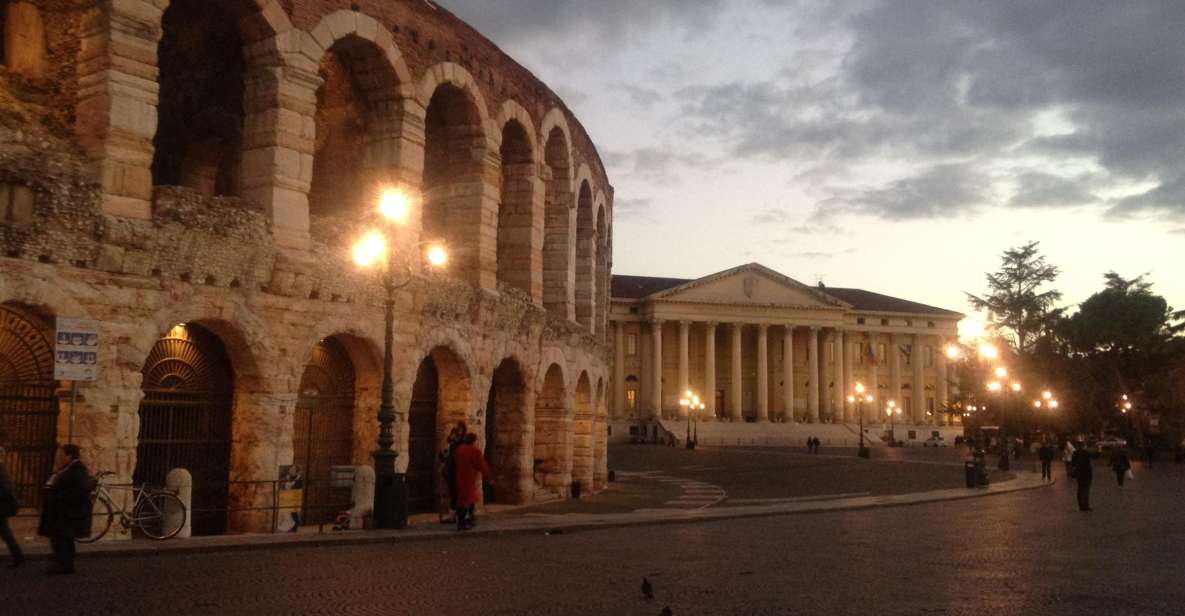
Your tour begins at the statue of King Vittorio Emanuele II on a horse on Piazza Brà. That matters more than it sounds. Piazza Brà is the big open hub where Verona’s main “center stage” is easy to read: you can see how the city radiates outward, and you’re positioned right where the Roman story starts.
From there, you’ll walk with a private group and a live German guide. The private format is the big quality-of-life win here. Even on a short 2-hour window, a guide can steer you around slower lanes, keep you moving when sidewalks get busy, and point out what’s worth noticing at each corner.
You can also read our reviews of more tours and experiences in Verona.


The Roman amphitheater on Piazza Brà
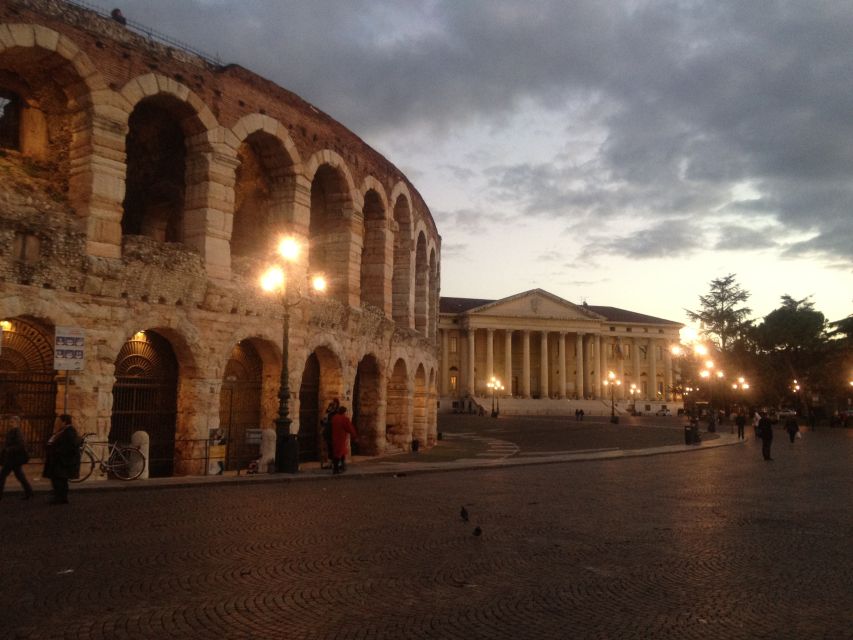
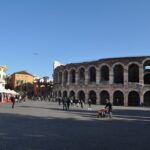
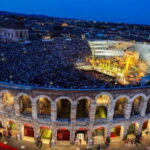
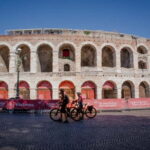
The first major jaw-drop moment is the Roman amphitheater on Piazza Brà, built in the 1st century AD and still in use today. Even if you’re not a Roman-ruins expert, you’ll feel the scale fast. This isn’t a “ruin in theory” stop. It’s a monumental structure that still functions, and your guide helps you understand why that continuity matters.
What I like about this stop for a quick tour: it gives Verona a strong anchor. When you start with the Roman heart of the city, the later medieval pieces make more sense. The Roman amphitheater isn’t just something to photograph. It’s a landmark that helps you understand Verona’s long timeline.
Along the Adige: Castelvecchio and Ponte Scaligero
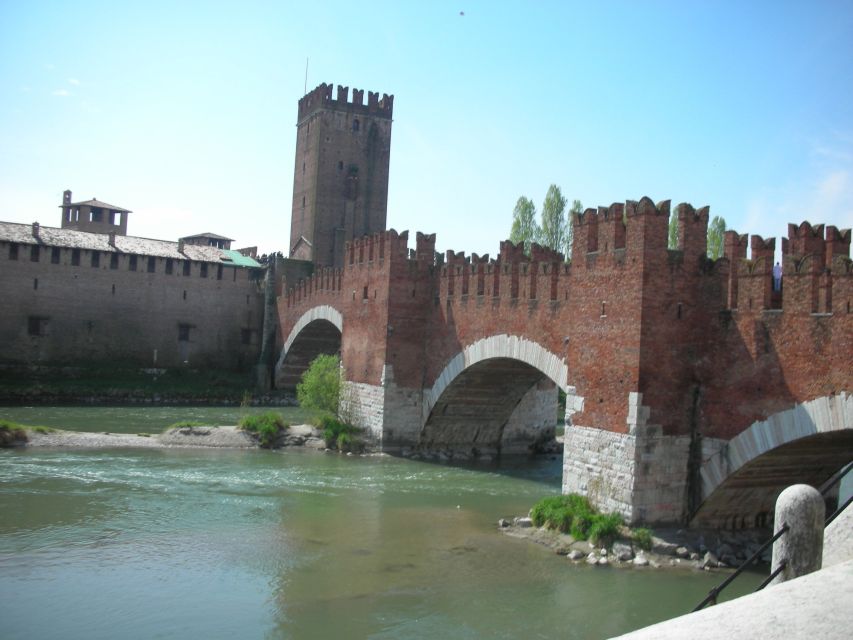
Next you’ll head down toward the River Adige area. This is where Verona shifts from open plaza energy to a more atmospheric riverside walk.
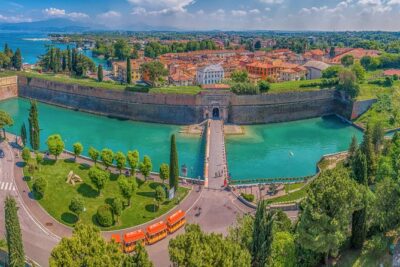
You’ll see the medieval fortress of Castelvecchio and the historic Ponte Scaligero (Castelvecchio Bridge). For me, this stretch works because it links buildings to the water they guarded. You can look at the fortress and then cross or view the bridge and immediately see the logic of defense and control.
Practical note: since this is a walking tour, wear comfortable shoes. The river-adjacent paths and older streets can be uneven or a bit tight in places. A good guide helps you keep traction and timing, especially if the day gets busy.
Porta Borsari: the Roman wall archway on your route
Then comes a compact but meaningful stop: the Porta Borsari archway, from the 3rd century, which formed part of the original Roman walls.
This is the kind of sight that can be easy to miss if you’re walking solo, because it’s not always the biggest “wow” structure on the map. But on a guided route, it becomes a turning point. You start to feel how the city once edged itself in, and how later streets and landmarks grew from that framework.
If you like connecting architecture to city planning, this is one of the most satisfying stops on a 2-hour itinerary. You don’t just see a monument—you see the idea of a boundary.
Corso and Piazza Erbe: the Roman city center in real life
After Porta Borsari, you’ll continue along the Corso toward Piazza Erbe, described as the heart of the Roman city.
This is where the walking tour starts feeling more like strolling through Verona as locals experience it. Piazza Erbe has a lively atmosphere, and your guide’s job is to help you “read” what you’re seeing—where the Roman layout likely influenced later medieval development, and how the present-day plaza life fits on top of older layers.
What you’ll likely enjoy here is variety in street character. One minute you’re moving along a main thoroughfare; the next you’re stepping into a plaza where the city’s everyday rhythm takes over. That contrast keeps the tour from feeling like a straight-line list of monuments.


Piazza dei Signori, Café Dante, and the Scaliger tombs
From Piazza Erbe, the route moves to Piazza dei Signori. This square is a strong medieval-feeling moment, and the guide helps you notice why: you’ll see the medieval Palazzi Scaligeri and the Scaliger Tombs, which commemorate the family that ruled Verona from the 13th to the late 14th century.
You’ll also stop at the historical Café Dante on this square. It’s a small addition, but it helps the experience feel grounded. You’re not only looking at stone and symbolism; you’re placed next to a working civic setting where culture and daily life overlap.
For a short tour, I think this is smart ordering. The pacing gives you Roman first, then transitions into medieval power. By the time you reach the Scaliger visuals and tombs, the story feels earned rather than random.
The narrow lanes to Juliet’s house and balcony
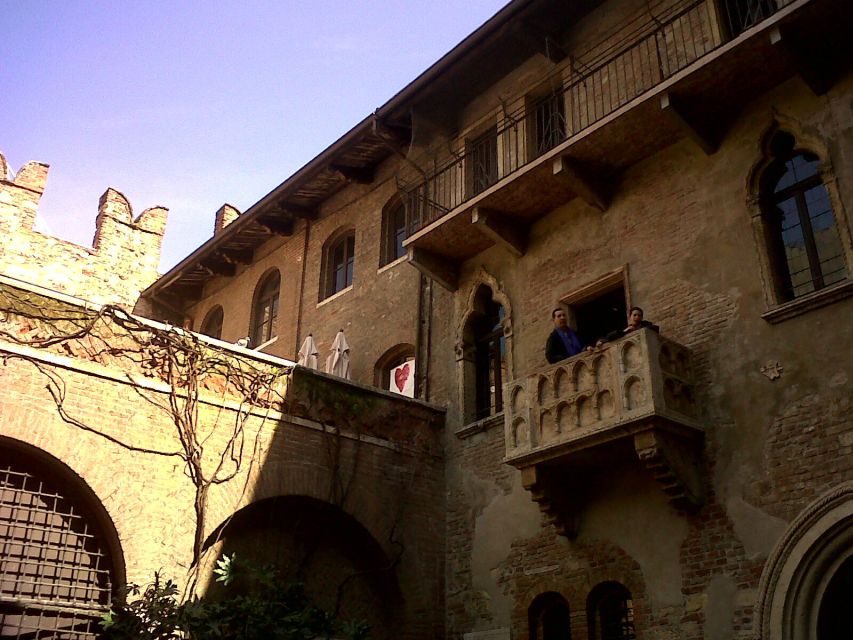
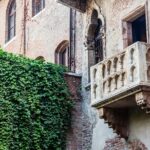
Finally, you’ll continue down a narrow alleyway to stand in front of the house and balcony tied to the Romeo and Juliet story from Shakespeare.
This stop is often the one most people recognize before they even arrive in Verona. What makes it work on this particular tour is the lead-in. You’ve already seen Roman infrastructure, medieval fortress logic, and the Scaliger-era power center. So the Juliet moment doesn’t feel like a disconnected theme park scene. It feels like one more layer of Verona’s identity.
Tip: bring your patience for narrow streets and potential foot traffic in this area. You’ll want comfortable shoes and a willingness to slow down for a proper viewing moment.
“Non-mainstream streets” and Medieval Verona charm
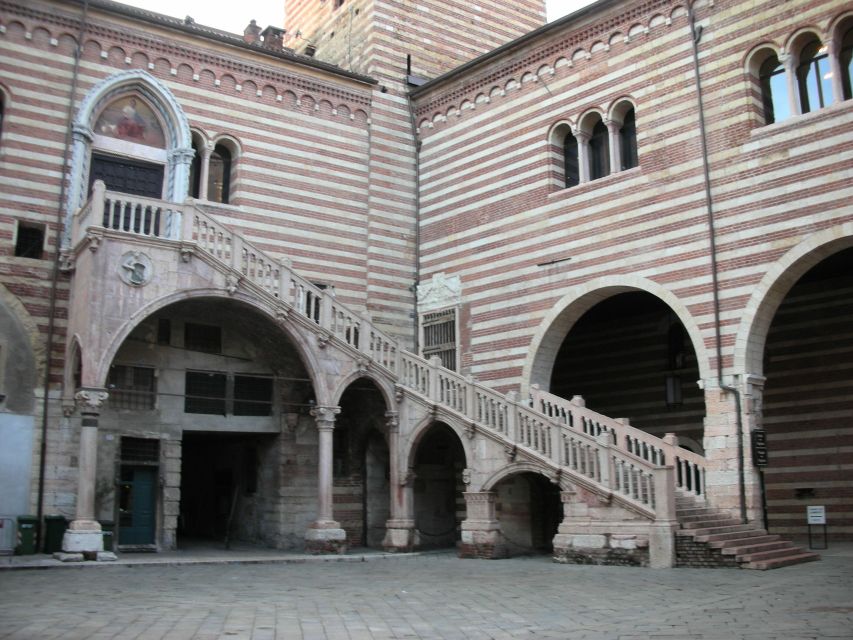
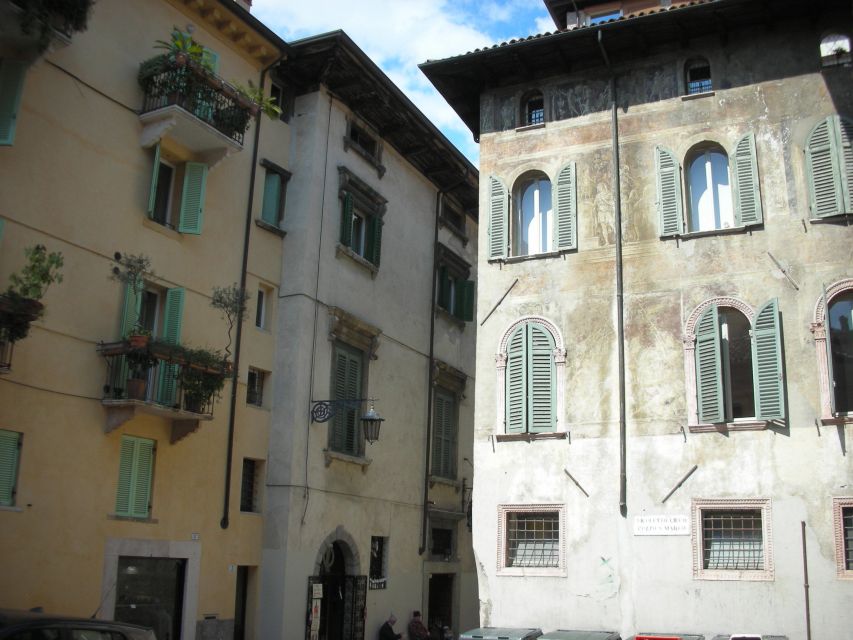
One of the tour highlights is walking through streets that aren’t the most obvious tourist routes. That’s not just marketing. In a city like Verona, the difference between the easiest route and a guide-led route is huge: you get a calmer, more local-feeling walk, and you also see details you wouldn’t notice from a standard route.
This tour frames Verona as having medieval charm—especially through the way it ties plazas, wall remnants, and power-era architecture together. You’re not just walking past photos. You’re being helped to connect them so the city feels readable in a short time.
What the $335.32 price really covers (and who it fits best)
The price is listed as $335.32 per group, up to 15 people, for a 2-hour private walking tour. That structure is actually part of the value story. Instead of paying per person, you’re buying a guide’s time and attention, and the private format makes it easier to share the cost if you’re traveling with friends or a small group.
Is it expensive? For a single traveler, it can be. For a group, it can feel reasonable because you’re paying once for the guide and using that 2 hours efficiently.
Also, admissions to monuments are not included. That’s normal for a walking tour, but it changes how you budget. If you plan to enter ticketed sights, you’ll want to set aside extra funds. If you’re happy focusing on exteriors and guided explanations, you’ll get your money’s worth out of the route itself.
One more value note: free cancellation up to 24 hours in advance is listed, and the option to reserve now and pay later is available. That’s helpful if your Verona plans depend on weather or schedule tweaks.
Logistics you’ll want to plan for (quick and useful)
This is a walking tour with a 2-hour duration, so build in time for photo pauses and a comfortable pace. The route ends back at the meeting point on Piazza Brà.
A few rules are stated:
- No luggage or large bags
- No sleeveless shirts
- Bring a passport or ID card, comfortable shoes, and a face mask or protective covering
Also, pay attention to the mobility notes. The activity is marked as wheelchair accessible, but there’s also a note saying it’s not suitable for people with mobility impairments. If that applies to you, contact Veronatours ahead of time to confirm what route features and walking distances would work for your situation.
Who should book this Verona 2-hour tour?
I’d recommend this tour if you want a tight, efficient overview that still feels personal. It’s a good fit for:
- Couples who want the Romeo and Juliet moment without getting lost
- Families or friends who want a structured walk with a guide to answer questions
- Travelers who like architectural variety—Roman, medieval, and literary Verona in one loop
- Anyone who appreciates a route that includes plazas like Piazza Erbe and Piazza dei Signori, plus the Porta Borsari and Adige segments
It’s less ideal if you’re looking for lots of timed museum entries or long stops at ticketed monuments. The tour is designed for walking and seeing, not for staying inside buildings.
Should you book Verona: Private 2-Hour Walking Tour?
If your goal is to make Verona feel understandable in a short window, this is a strong choice. You get a smart mix: Roman structure at Piazza Brà, medieval fortress and bridge by the Adige, Porta Borsari for the wall line, two major squares for atmosphere and power, and then the Juliet balcony moment at the end.
One final check before you book: since admissions aren’t included and the time is tight, decide ahead of time whether you want to treat this as a walking-and-looking experience, or whether you’ll add ticketed entries separately. If you want the route experience and explanations, you’ll likely feel satisfied.
FAQ
Is this a private tour or a shared tour?
It’s a private group tour with a live guide.
How long is the Verona private walking tour?
The duration is 2 hours.
Where does the tour start and end?
The tour starts by the statue of King Vittorio Emanuele II on a horse on Piazza Brà, Verona, and it ends back at the same meeting point.
What language is the live guide?
The live tour guide is German.
Is the price per person or per group?
The price is $335.32 per group, up to 15 people.
Are monument admissions included?
No. Admissions to monuments are not included.
What should I bring?
Bring a passport or ID card, comfortable shoes, and a face mask or protective covering.
Are large bags or luggage allowed?
No. Luggage or large bags are not allowed.
Is the tour wheelchair accessible?
Wheelchair accessible is listed, but there is also a note that it is not suitable for people with mobility impairments, so it’s best to check with the provider.
Is free cancellation available?
Yes. You can cancel up to 24 hours in advance for a full refund.