REVIEW · VERONA
Verona Private Guided Walking Tour, Romeo & Juliet and More
Book on Viator →Operated by LivTours · Bookable on Viator
Shakespeare meets Roman brick in two hours. This private guided walk is designed to help you get your bearings fast with an express route, while still letting you steer the pace. I like that you can pick a morning or afternoon start time, then adjust the focus as you go.
The two big wins for me are the guide’s stop-by-stop storytelling and the hit list of Verona icons in a tight loop. If you’re lucky enough to tour with Silvia, you’ll feel how prepared the day is, with crisp explanations and smart practical tips. One consideration: it’s built for highlights, not long museum time, and you won’t see everything in depth.
In This Review
- Key points to know before you go
- Start at Piazza Bra: Arena di Verona and the Roman heartbeat
- Juliet’s House and Balcony: what you’re really seeing
- Piazza dei Signori (Dante Square): Scaligeri power in plain sight
- Through side streets to the Adige: Ponte Pietra viewpoints
- Optional add-ons: cathedral, Carega ateliers, Gavi arch, and Castelvecchio
- What you actually cover: Arena area, Porta Borsari, and key stops
- Customization in a 2-hour private walk
- Price and value: is $216.27 a good deal?
- The small details that make it work: tickets, shoes, and what to ask
- Should you book this Verona private walking tour?
- FAQ
- How long is the Verona Private Guided Walking Tour?
- Where does the tour start?
- Is this a private tour?
- What languages are available?
- What’s included versus not included?
- Do I need to buy tickets separately?
- What should I wear for churches or places of worship?
- Is free cancellation available?
Key points to know before you go
- Private guide, not a crowd: Only your group walks the route, so questions and detours are easy.
- Two start-time options: Morning or afternoon departure helps you match Verona’s daily rhythm.
- Arena area without the hassle: You get the Roman amphitheater context even when the ticketed access isn’t part of the plan.
- Juliet’s Balcony viewpoint time: You spend a focused chunk at Casa di Giulietta, including the balcony courtyard area.
- Medieval politics, not just love stories: Piazza dei Signori (Dante Square) connects romance to the Scaligeri family.
- Adige river viewpoints, walk included: Expect river-adjacent alleys and classic photo angles like Ponte Pietra.
Start at Piazza Bra: Arena di Verona and the Roman heartbeat
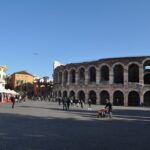
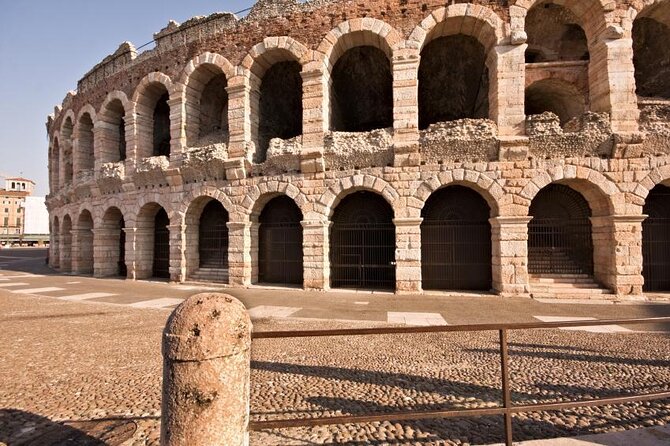
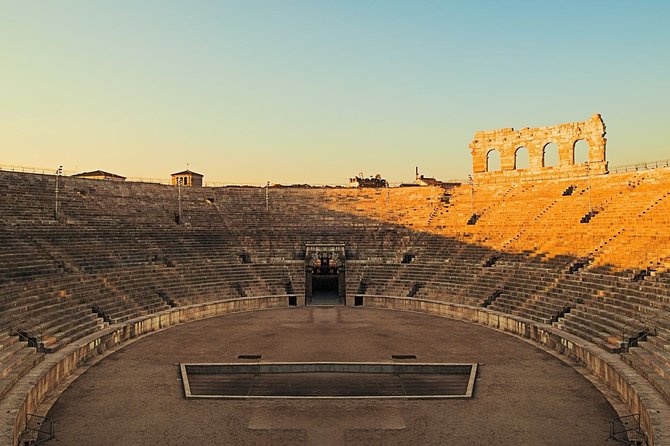
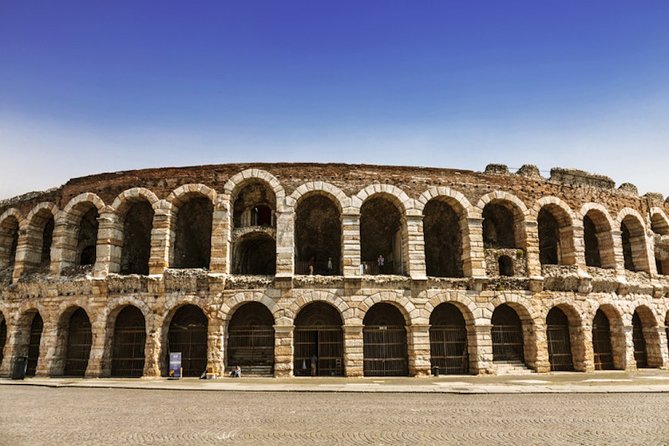
Your tour begins at Piazza Bra, right by the Arena di Verona (locally just the Arena). This amphitheater is so well preserved that it still hosts cultural events, and your guide uses that fact to explain why the Romans still matter in Verona’s layout. If you want Verona fast, this is a smart first stop because it anchors the whole city in real physical space.
From the start, you’ll also get the feeling that you’re walking through layered time. Piazza Bra is not a quiet blank square; it’s Verona’s largest piazza and tied to an old market atmosphere that helped shape the city’s everyday life long before tourists arrived with cameras. It’s the kind of opening that makes later stops click, especially when the story shifts from Roman power to medieval rule.
A practical note: time at this opening segment is limited, and the Roman Arena itself is treated as a major sight from the outside during this walk. If you’re the type who wants to go inside for the full interior view, plan to add that separately.
You can also read our reviews of more tours and experiences in Verona.
Juliet’s House and Balcony: what you’re really seeing
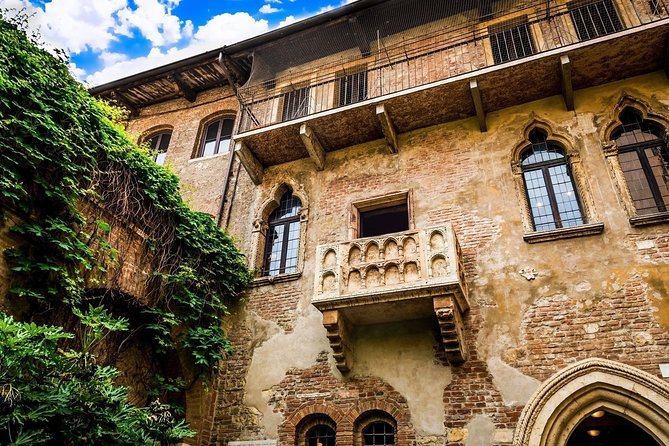
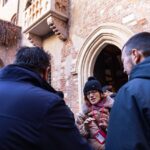
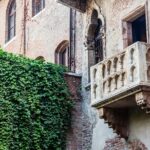
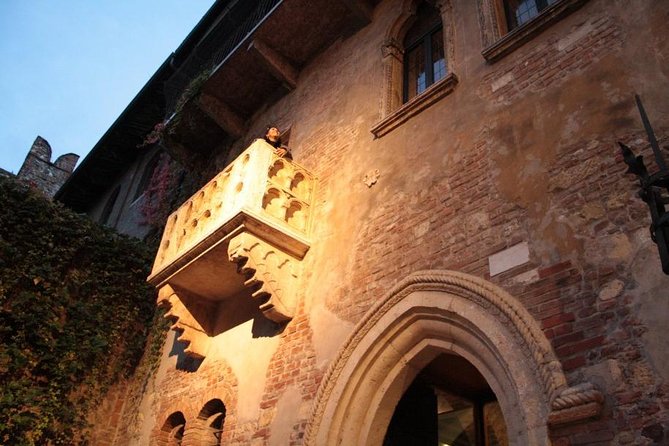
Casa di Giulietta sits close by, and the mood changes immediately. This is the place most people come for—the Juliet courtyard where you can see the balcony that’s become the shorthand for Romeo and Juliet in Verona. You’ll get enough orientation to understand what’s tied to the Shakespeare story, and what’s just the way Verona turned literature into place.
You spend a focused block here, including the courtyard area and the Juliet balcony viewpoint. The walls carry visible marks from the legend itself, and your guide helps you read the site instead of just snapping photos. That matters, because this stop can feel like a blur if you’re wandering without context.
One upside: this is a classic, easy-to-handle attraction because the time is organized. You won’t feel like you’re fighting your way through long lines for an extended visit during a 2-hour tour.
The tradeoff: if you’re hoping for extra time for deeper exploring inside related rooms, this walk is unlikely to satisfy that desire. It’s designed for getting the highlights and moving on.
Piazza dei Signori (Dante Square): Scaligeri power in plain sight
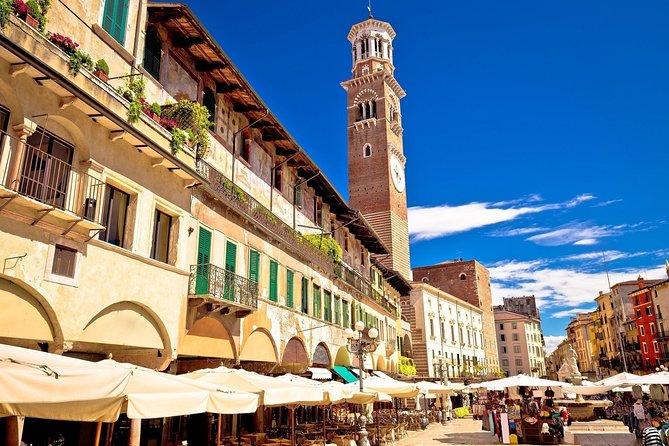
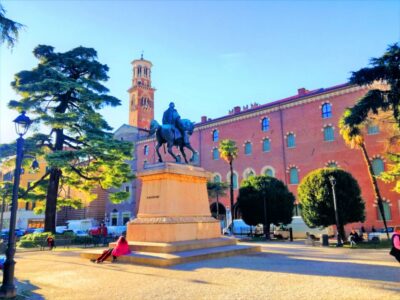
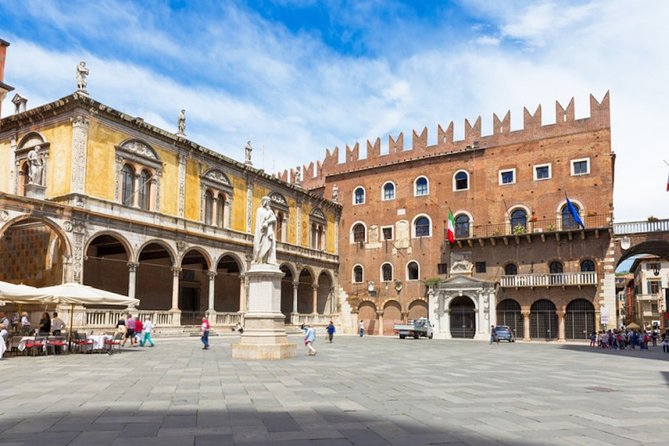
After the romance stop, you head to Piazza dei Signori, which locals often call Dante Square. This is where Verona shows its political teeth. The Scaligeri family shaped the city in the Middle Ages, and your guide connects their headquarters setting to the mood of intrigue and ambition that grew around that era.
This is a high-value stop because it reframes Verona. Instead of treating the city like one big photo set, you start recognizing how the story of power, rivalry, and public life shaped where people built their monuments. The shift also helps you understand why Verona later became such a strong stage for romance—because cities with strong civic identity tend to cultivate legends.
Because the time is limited, your goal here is orientation: learn what this square represents, how it links to the family, and why it sits in the historical center where everything else feels “inevitable.” If you love medieval atmospheres, you’ll probably want to come back later for longer wandering. But as part of an express walk, this stop delivers a lot.
Through side streets to the Adige: Ponte Pietra viewpoints
Now you leave the big-name squares and get into the Verona that feels local. Your guide leads you through off-the-beaten-track alleys that connect the historical center toward the Adige River. This is where the walking tour starts to feel like more than a checklist. Side streets in Verona have their own scale—narrow, human, and full of small visual surprises that you’d miss on your own.
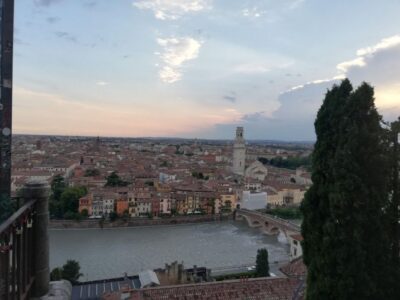
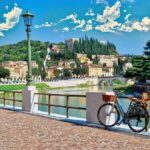
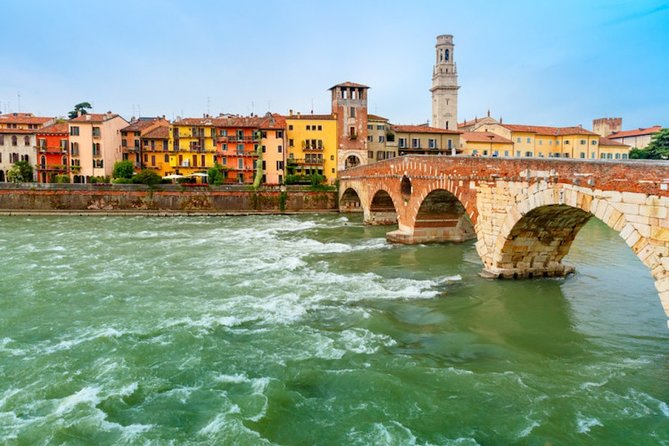
Then you reach one of the payoff zones: views around Ponte Pietra and the nearby Roman Theatre and Archaeological Museum area. Even if you don’t enter museums during a short tour, the guide’s perspective helps you “see” what you’re looking at. It’s the difference between noticing a bridge and understanding why this spot matters to Verona’s Roman layers.
This segment is also where the guide’s practical instincts can help. If your walking pace slows or you want more time at a viewpoint, a private guide gives you that flexibility without breaking the structure of the day.
Optional add-ons: cathedral, Carega ateliers, Gavi arch, and Castelvecchio
One of the smartest parts of this tour format is that the route can flex. You can use your remaining time to add other sights, depending on your interests. If the group wants it, you may shift toward Verona Cathedral, the Carega District with artist ateliers, the Castelvecchio area, or the Arch of the Gavi family.
A key thing here: these are optional, so you’re not trapped in a fixed script. That’s especially helpful if you have strong opinions—maybe you care more about art workshops than fortress walls, or you want the cathedral only if the dress code is workable.
Keep in mind the dress code. If you pass holy sites or places of worship, shoulders and knees need to be covered. Bring a light layer, especially if you’re traveling in warm weather. Comfortable walking shoes also matter more than you’d think, because Verona’s old center isn’t designed for stiff, heavy footwear.
If you choose these add-ons well, you’ll feel like you tailored Verona to your trip, not the other way around.


What you actually cover: Arena area, Porta Borsari, and key stops
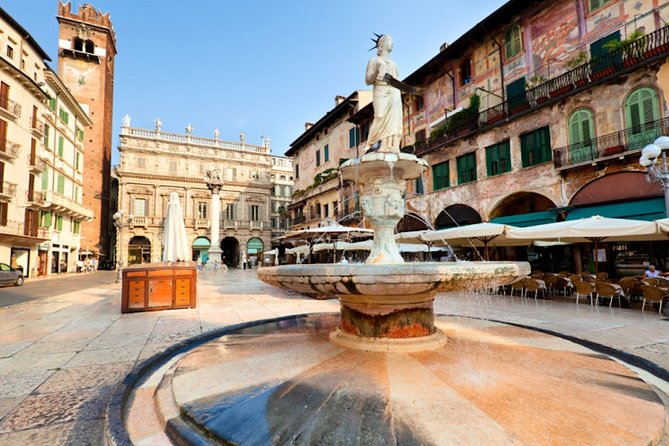
Even though this is a short tour, you’ll see a well-chosen set of anchors. Expect the Arena area by Piazza Bra, the journey toward Piazza delle Erbe, and stops tied to Verona’s Roman and medieval identity. You’ll also encounter Porta Borsari and views around the Ponte Pietra area.
You’ll spend time at significant storytelling points such as Signori Square (Dante Square) and the Juliet site area. Along the way, your guide points out connections—how one era’s architecture and street patterns set up what comes next. That’s what makes a highlight tour more useful than just walking from one postcard to another.
Also, check what’s included versus ticketed. The Roman Arena is treated as an outside view within the walk, and some attraction segments are handled as part of the tour time without requiring separate admissions. If you plan to add formal entry tickets separately later, you’ll avoid surprises.
Customization in a 2-hour private walk
In a 2-hour window, customization isn’t about adding ten things. It’s about making sure the stops match your brain. The guide can shift emphasis so you spend your time where you care most—romance, Roman Verona, medieval politics, or river-and-bridge viewpoints.
This is why private beats group on a walking plan like this. When you’re with only your own party, you can ask questions and shape the pace without holding anyone else up. It also makes it easier to pivot if you’re traveling with kids, or if you simply move slowly and don’t want to feel rushed.
If you’re the kind of traveler who plans to wander after the tour, this format works especially well. You leave with names, locations, and themes you can follow later on your own. It turns the rest of your trip into smoother self-guided walking.
Price and value: is $216.27 a good deal?
At $216.27 per person for about two hours, this isn’t a budget stroll. It’s a premium experience because you’re paying for a local guide, private attention, and an efficient route that hits Verona’s biggest “I don’t want to miss that” landmarks.
The value comes from three places:
- Time saved. Verona’s center is easy to get lost in on your own, and you can easily miss the right connections between eras.
- Guided context. The tour doesn’t just point at sights; it ties them together—Roman to medieval to romance.
- Practical recommendations. This is where the guide can add real money-and-time value. One standout example from the guide experience: Silvia recommended a lunch choice, including a Tagliolini Truffle & Ricotta pasta that became a highlight of the trip.
If your alternative is building your own route and hoping you hit the right beats, a guided plan often pays for itself in reduced indecision. If, however, you already know Verona well and enjoy planning routes on your own with minimal guidance, then you may prefer a self-guided option.
The small details that make it work: tickets, shoes, and what to ask
A walking tour only feels good if the day runs clean. Here, that starts with basic prep: wear comfortable walking shoes and dress with the dress code in mind if your route includes churches or worship spaces. You’ll also want to plan for weather and sun because you’re out on foot.
Bring questions. This tour format rewards curiosity. Ask how Verona’s Roman structures influenced later medieval building patterns. Ask what’s worth seeing if you have only one extra day. And ask for food advice—your guide can help you find a traditional Veronese meal style and a smart lunch plan.
Also consider your start time. Morning can feel calmer for photos and walking; afternoon can fit better with a late start on a vacation schedule. Either way, you’ll have the same structured route, with customization options built in.
Should you book this Verona private walking tour?
I’d book this if you want Verona’s highlights with context, and you don’t want to spend your limited time figuring out what to see first. It’s especially worth it for couples, first-timers, and anyone who likes learning the story behind the streets as they walk.
I’d skip it if you already have a tight self-guided plan and you’re determined to spend long stretches inside museums or attractions on your own. This is an express walk, and it’s meant for orientation and momentum.
If you’re on the fence, here’s an easy decision rule: if you want Verona to feel clear by the end of two hours, this private guided route is the kind of shortcut that actually pays off.
FAQ
How long is the Verona Private Guided Walking Tour?
The tour lasts about 2 hours.
Where does the tour start?
You meet in Piazza Bra in Verona, at the Arena area (the ancient Roman amphitheater in Bra Square).
Is this a private tour?
Yes. It’s private, and only your group participates.
What languages are available?
The tour is offered in English, French, Spanish, Portuguese, and Italian. If you want a language other than English, you’ll need to request it in the booking notes.
What’s included versus not included?
Included is the local guide and key sights along the route, such as the Piazza Bra area, Juliet’s Balcony courtyard area, and Roman/medieval landmarks like Porta Borsari and Ponte Pietra viewpoints. Food and drinks are not included.
Do I need to buy tickets separately?
The Roman Arena is handled as an outside viewing within this tour. The information provided also indicates that an admission ticket is not included for the Arena segment, while the Juliet balcony courtyard is free.
What should I wear for churches or places of worship?
For holy sites or places of worship, you’ll need shoulders and knees covered to enter. Comfortable walking shoes are also recommended.
Is free cancellation available?
Yes, free cancellation is available up to 24 hours in advance for a full refund.