REVIEW · VERONA
Verona: Romeo and Juliet Guided Walking Tour
Book on GetYourGuide →Operated by Timonfaya Travel Lanzarote · Bookable on GetYourGuide
Romeo and Juliet come alive on this walk. I like how this tour strings together the big Verona landmarks with the story you already know, so the city feels readable fast. You start right in the right spot near the Arena, then work your way toward Juliet’s House for the kind of photo stop that actually matches the drama.
My second big win is the guides. Names that repeatedly come up—like Maria Pia and Mauro—are praised for being warm, energetic, and ready with lots of on-the-ground tips. The main catch is time: it’s only about 1.5 hours, so if you want long pauses for photos or extra time to wander inside specific sites, you’ll likely want to build that in after the tour.
In This Review
- Quick takeaways from this Verona walk
- Why This Verona Walk Hits the Romeo and Juliet Sweet Spot
- Before You Go: Meeting at Piazza Bra and Timing Your 90 Minutes
- Stop-by-Stop: From the Arena Area to Piazza Erbe’s Market Streets
- Piazza dei Signori and the Scaliger Legacy: Architecture Across Roman to Renaissance
- Juliet’s House, Casa di Romeo, and the Balcony Moment You Came For
- The Value of Paying for a Guide Here (Not Just Walking to Sights)
- Who This Tour Fits Best (and Who Might Want More Time)
- Should You Book This Verona Romeo and Juliet Guided Walking Tour?
- FAQ
- How long is the Verona Romeo and Juliet guided walking tour?
- Where does the tour start?
- Does the tour include a guide in English?
- What sights are included on the route?
- Is this tour rain or shine?
- Are entrance fees included?
- How long is the guided time at Juliet’s House?
- How late can I arrive before the guide leaves?
- What is the cancellation policy?
Quick takeaways from this Verona walk
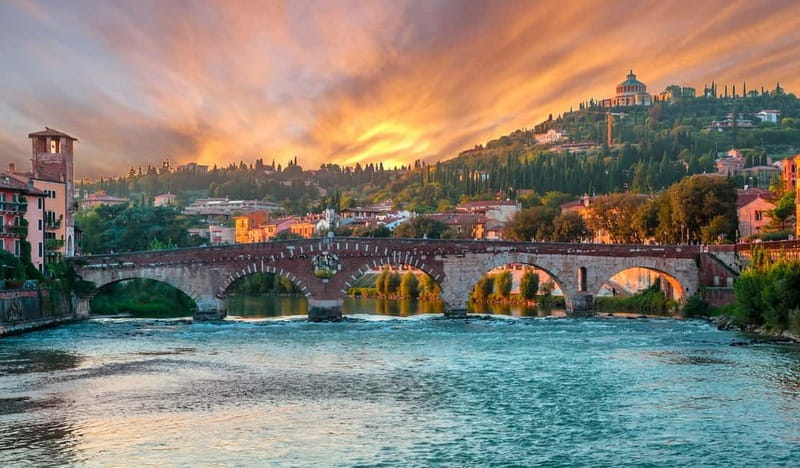
- A story-led route: Romeo and Juliet themes tied to real street corners and landmark squares
- Arena start in Piazza Bra: you begin with one of Verona’s most important buildings
- Iconic Juliet moments: the balcony and the statue of Juliet are a central stop
- Architecture across eras: Roman through Romanesque, Gothic, and Renaissance details along the route
- Market energy in Piazza Erbe: you get a feel for everyday Verona, not just a stage set
Why This Verona Walk Hits the Romeo and Juliet Sweet Spot

Verona is one of those places where literature and architecture bump into each other in a very physical way. This tour leans into that—using the city’s sights as proof that Shakespeare wasn’t pulling the setting out of thin air. You’ll hear the romance, drama, and family feuds story, then you’ll walk the same general paths that make those themes feel believable.
I also like that it’s not just “here’s the balcony.” You move through Piazza Erbe and Piazza dei Signori, and you’ll see how the city’s public spaces connect to power, commerce, and civic pride. That matters because Verona’s charm is partly in how the streets functioned over time, not only in how pretty they look.
One more practical plus: you don’t have to “figure it out” yourself. With a live English guide, you get a narrative thread and a sense of order, especially when you pass through spots that reflect Roman, medieval, and later styles.
You can also read our reviews of more tours and experiences in Verona.


Before You Go: Meeting at Piazza Bra and Timing Your 90 Minutes
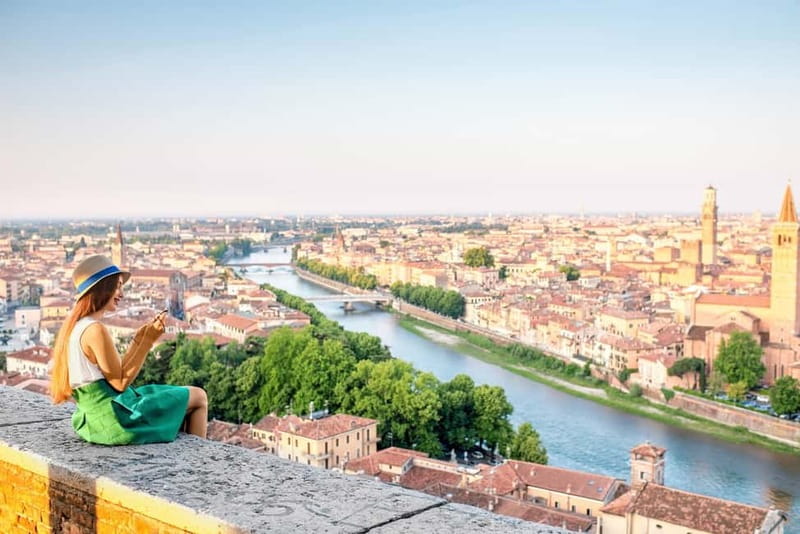
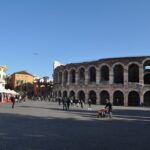
The tour meets under the equestrian statue of King Vittorio Emanuele II in Piazza Bra. This is a smart starting point because it puts you near the Arena area right away, so you’re oriented before the story starts rolling.
The duration is about 1.5 hours, and the day is designed around short walking segments plus several guided stops. A guide waits up to 10 minutes from the departure time, so aim to be there a bit early—Verona’s center is walkable, but cobblestones and getting your bearings can eat up time.
It runs rain or shine as long as conditions are safe, which is great if you’re planning around weather. You’ll still get the key sights, and you won’t end up “choosing between” culture and a dry umbrella.
Finally, entrance fees aren’t included. That doesn’t mean you won’t see everything you expect from the outside and in the courtyards, but it does mean you should budget separately if you plan to go into any ticketed spaces.
Stop-by-Stop: From the Arena Area to Piazza Erbe’s Market Streets

Your first landmark energy comes fast. After meeting in Piazza Bra, the tour starts you near the Arena, built before Rome’s Colosseum and still used for cultural events today. Even if you’ve seen photos, the Arena hits differently when you’re standing next to it. It’s the kind of scale that makes the rest of the route feel important.
Next you head along Via Giuseppe Mazzini for a guided sightseeing stretch. It’s a short segment, but it helps you transition from “big iconic building” mode into “street-level Verona” mode. This tour keeps that rhythm: walk a bit, then anchor the story again.
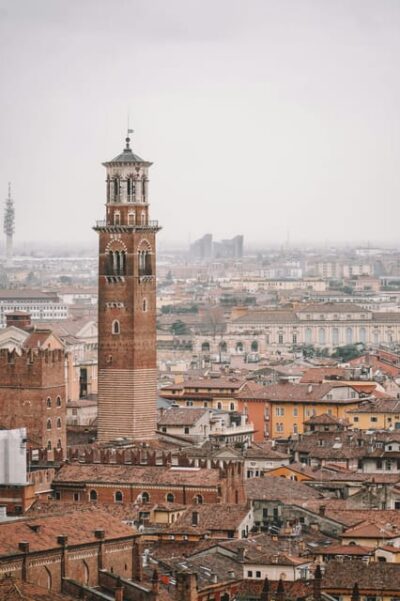
Then comes Piazza Erbe (about 15 minutes of guided time). This is one of those squares where you can feel Verona living, not just posing. You’ll learn about the romance and drama through what you’re seeing around you, while also spotting major historic elements like Lamberti Tower and the ancient Domus Mercatorum. The Domus Mercatorum is especially meaningful because it connects the square’s long role in trade with Verona’s public life—so the setting feels lived-in, not museum-quiet.
A drawback to flag: since the tour is compact, you’ll see a lot of exterior architecture cues rather than lingering for deep museum-style explanations. If you’re the type who loves to read every plaque and stay put for 30 minutes at one spot, you may feel slightly rushed. But if you want the highlights with context in a single session, the pace works.
Piazza dei Signori and the Scaliger Legacy: Architecture Across Roman to Renaissance
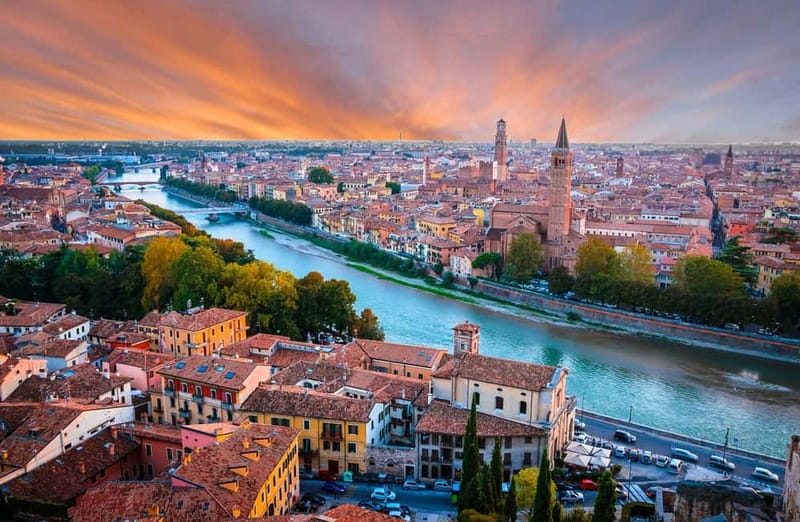
After Piazza Erbe, you move on to Piazza dei Signori (about 10 minutes). This stop is where the tour leans into Verona’s civic history. The square reads like a timeline in stone: Roman-era influence giving way to later medieval development, with Gothic and Renaissance layers you can often spot just by noticing shapes, detailing, and how buildings face the square.
You’ll then walk along Via Arche Scaligere (around 5 minutes) and get guided context on the Scala family legacy. The route includes passing through medieval courtyards on the way to the Scala Family Tombs area. Even when you’re not paying to enter something, courtyards and approach lanes matter here—they show you how the city’s elite spaces were structured.
Here’s what I like about the architecture approach: it doesn’t feel like a random facts checklist. You’re shown how time built on time, so Roman through Romanesque, Gothic, and Renaissance styles don’t feel like separate worlds. They start to feel like one continuous city that changed its mind as centuries passed.
Juliet’s House, Casa di Romeo, and the Balcony Moment You Came For
This is the part you’ll remember. You’ll stop at Casa di Romeo first (about 10 minutes). Even though your tickets aren’t included and you may not go inside everything, this stop helps balance the story. It’s not all Juliet—Romeo gets his own place in the route so the romance theme stays intact.
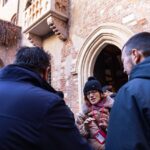
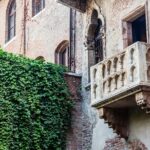
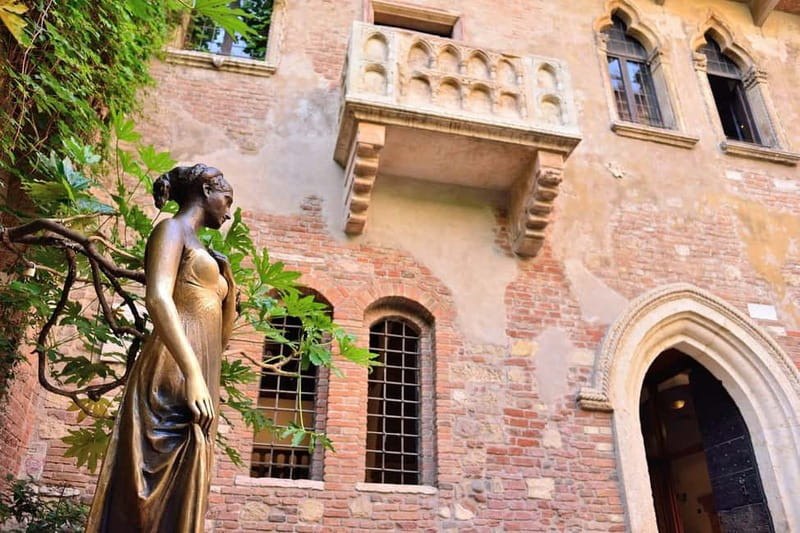
Then you move to Juliet’s House, where the guided portion is about 20 minutes. This is the classic stop: you’ll see the famous balcony and the statue of Juliet. It’s the kind of moment that looks “touristy” on Instagram, but it lands better when the guide places it within the broader Verona story you’ve been hearing.
A practical note: because it’s a popular location, expect people. The tour time is planned for you to get your key viewpoints without turning the whole experience into a line-waiting exercise. Still, if you care a lot about photos, plan to stay patient and work with your guide’s timing.
If you’re coming for Shakespeare only, this is the payoff. If you’re coming for Verona too, this is where the city’s theatrical legend meets the real street layout and stone setting. That combo is why this type of walk works.



The Value of Paying for a Guide Here (Not Just Walking to Sights)
At $67.19 per person for roughly 1.5 hours, you’re paying for three things: direction, context, and time saved. You could walk from one landmark to another on your own, but you’d likely miss the “why it matters” pieces—especially when you’re spotting architectural shifts across eras.
This is also where the top reviews feel meaningful. Guides like Maria Pia and Mauro are praised for explaining details clearly and going beyond the script with tips. That matters because Verona is compact, but it’s not always obvious what you’re looking at unless someone gives you the right labels and the right order.
The inclusion list is simple: you get the guided walking tour. No entrance fees are included, so the best value is really the story and the interpretive lens the guide brings as you move through each stop. For many people, that’s the difference between collecting photos and understanding a place well enough to revisit it afterward on your own.
Also, the tour ends back at the meeting point. That’s a small detail, but it’s practical: you don’t have to solve navigation at the end of a focused walking session.
Who This Tour Fits Best (and Who Might Want More Time)
I’d send friends to this tour if they want an organized introduction to Verona with a clear storyline. It’s a good choice for:
- Couples and families who want Verona highlights without planning every step
- Shakespeare fans who want the setting explained in plain language
- First-timers who want to feel oriented in under two hours
It’s less ideal if you’re a slow walker with a strong preference for long, independent time at one major site. The route is designed for movement and coverage. You’ll see the iconic balcony moment, but you won’t have hours to linger.
It also suits people who dislike “all day” tours but still want something structured. Short format + English guide + a route that hits multiple landmark squares is a solid combo for limited vacation time.
Should You Book This Verona Romeo and Juliet Guided Walking Tour?
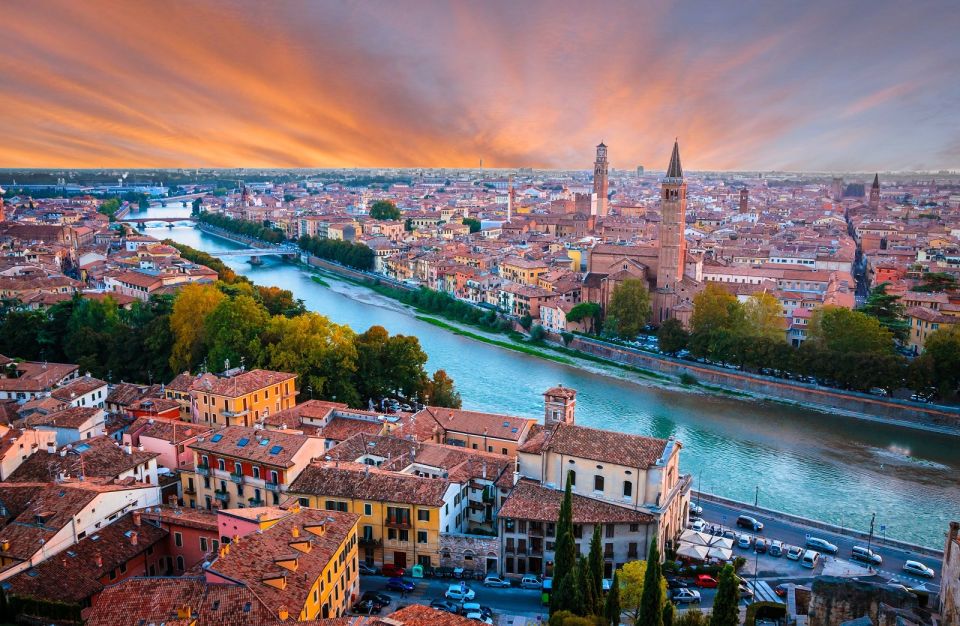
If you’re choosing between doing this as a guided experience or doing Verona on your own, I’d lean guided. The tour does exactly what you want a tour to do: it gives you the story, then it anchors that story in Piazza Erbe, Piazza dei Signori, and the Juliet’s House moment. The strongest evidence for value is the repeated praise for guides—especially Maria Pia and Mauro—for making the details feel clear and making the walk feel like more than sightseeing.
I’d book it if you want a confident first look at Verona with minimal hassle. If you’re the kind of traveler who needs lots of unscripted time, you can still book it and then add extra wandering afterward near the Arena or Juliet’s area.
Bottom line: this tour is a fast, well-paced way to turn Romeo and Juliet from a book into a walkable city.
FAQ
How long is the Verona Romeo and Juliet guided walking tour?
It lasts about 1.5 hours.
Where does the tour start?
You meet under the equestrian statue of King Vittorio Emanuele II in Piazza Bra.
Does the tour include a guide in English?
Yes, the tour is guided in English.
What sights are included on the route?
You’ll pass by or stop at the Arena area, Juliet’s balcony and the statue of Juliet, Piazza Erbe, Lamberti Tower, Domus Mercatorum, Piazza dei Signori, and you’ll also visit the Casa di Romeo stop along the way.
Is this tour rain or shine?
Yes, it operates in bad weather as long as conditions are safe.
Are entrance fees included?
No. Entrance fees are not included.
How long is the guided time at Juliet’s House?
The guided portion at Juliet’s House is listed as 20 minutes.
How late can I arrive before the guide leaves?
The guide waits a maximum of 10 minutes from the departure time.
What is the cancellation policy?
You can cancel up to 24 hours in advance for a full refund.