REVIEW · VERONA
Verona: Vineyard and Winery Tour with Wine Tasting
Book on GetYourGuide →Operated by Tenuta Santa Maria Valverde s.a. · Bookable on GetYourGuide
The Valpolicella hills do half the work for you. This Verona vineyard and winery tour takes you into a family-run Tenuta (Tenuta Santa Maria Valverde) where you walk real ground, see the traditional drying space for Amarone, and taste wines with food and great views.
I love how the day stays hands-on and simple: vineyard stroll, a tour of cellar spaces, then a tasting where you learn how to evaluate wine by sight, smell, and taste. The hosts also make it feel personal, with friendly guide energy from people like Raquel, Claudia, and Jacopo.
Second, I really like the focus on how the wine is made, not just what it tastes like. You spend time understanding Appassimento, the process used to dry Amarone grapes before they’re pressed, and then you taste wines that come from those choices.
One thing to think about: while the experience is listed as 2 hours, the tasting + relaxed meal can run longer in practice. If you have a tight schedule right after, give yourself some buffer.
In This Review
- Key highlights worth marking
- Tenuta Santa Maria Valverde: Verona’s wine country shortcut
- The vineyard stroll: where the story starts
- Appassimento and the Amarone drying room
- 17th-century cellar and the rural house visit
- Your tasting lineup: Valpolicella, Ripasso, and Amarone
- Lunch on the terrace: antipasti, olive oil, and a view
- How the guides make it feel real (and not rehearsed)
- Price and value: what you’re really paying for
- Getting there from Verona: plan for the countryside transfer
- Who this tour is best for
- Should you book Tenuta Santa Maria Valverde?
- FAQ
- How long is the wine tasting tour?
- Where is the meeting point?
- What wines will I taste?
- Is food included?
- Do you offer the tour in English?
- Is the tour suitable for children?
Key highlights worth marking
- Appassimento Amarone drying room: see how grape drying shapes flavor
- 17th-century cellar and historic winemaking spaces
- Family-run, 5-generation hospitality: warm, un-rushed hosting
- Tasting of Valpolicella, Ripasso, and Amarone with sensory guidance
- Terrace lunch with local antipasti, including cheeses, salami, bread, and olive oil
- Panoramic Valpolicella views that turn lunch into an actual scene
Tenuta Santa Maria Valverde: Verona’s wine country shortcut
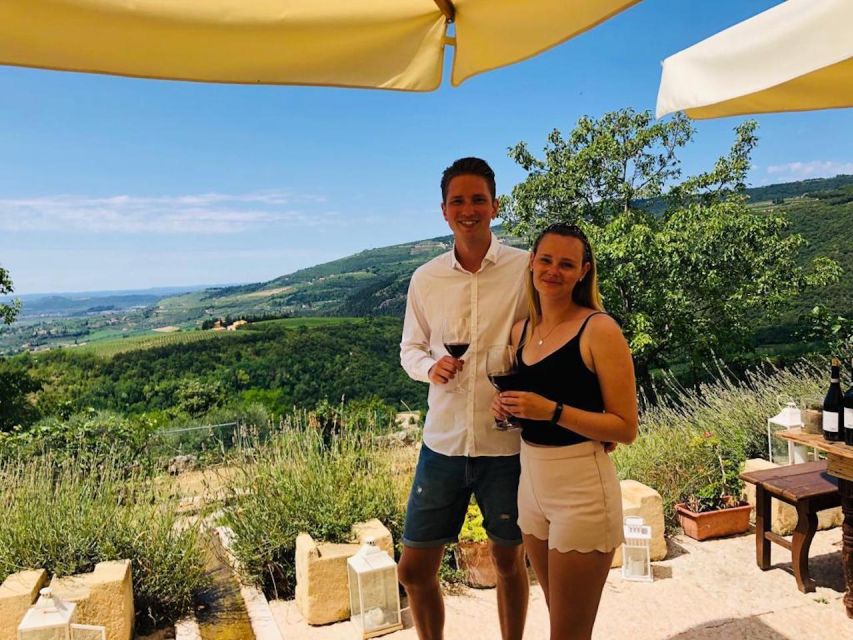
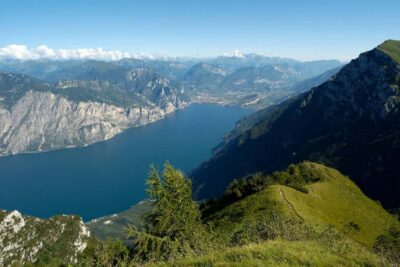
If you want Verona without spending your whole day on buses, this is a solid move. Tenuta Santa Maria Valverde sits out in the countryside in the Valpolicella area, where the scenery is the first “wow” moment: rolling hills, open sky, and that soft golden light you only really get outside city limits.
What makes it work well is the balance. You get enough structure to feel like you learned something real, but the pace stays calm. You’re not rushed between stops, and the staff clearly want you to understand what you’re tasting. That matters, because wine tours can sometimes turn into a blur of names and brand talk. Here, the focus is on the process and your senses.
The setting also feels lived-in. This isn’t a museum vibe. It’s a functioning winery home base, run by a family over five generations. In practical terms, that usually means you get more context and more human stories than you’d get at a big corporate tasting room.
You can also read our reviews of more tours and experiences in Verona.


The vineyard stroll: where the story starts
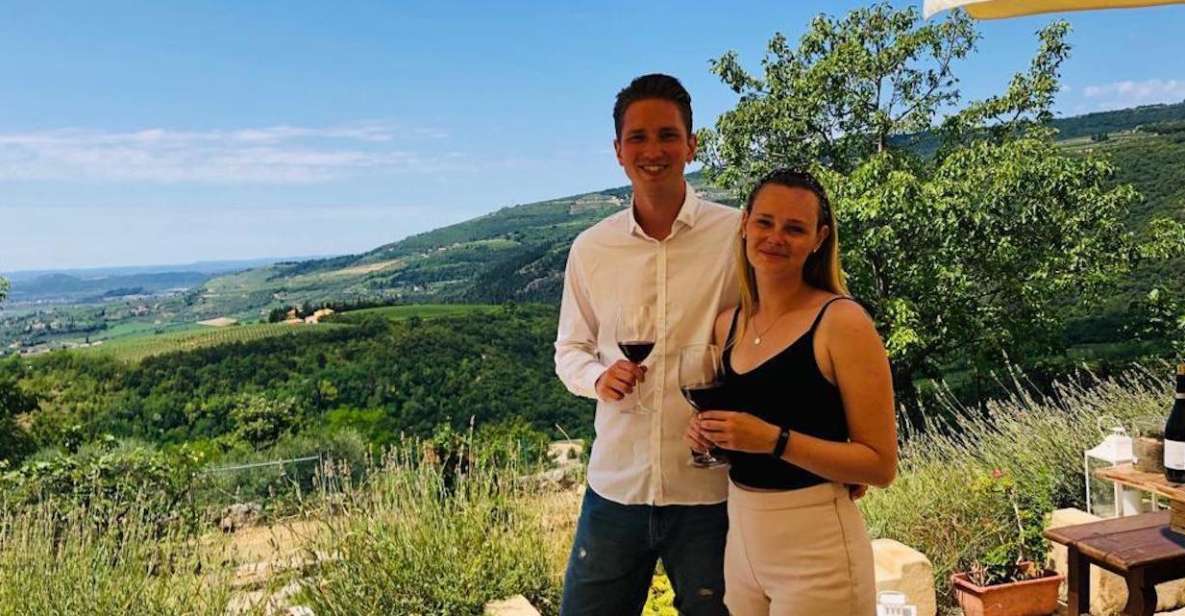
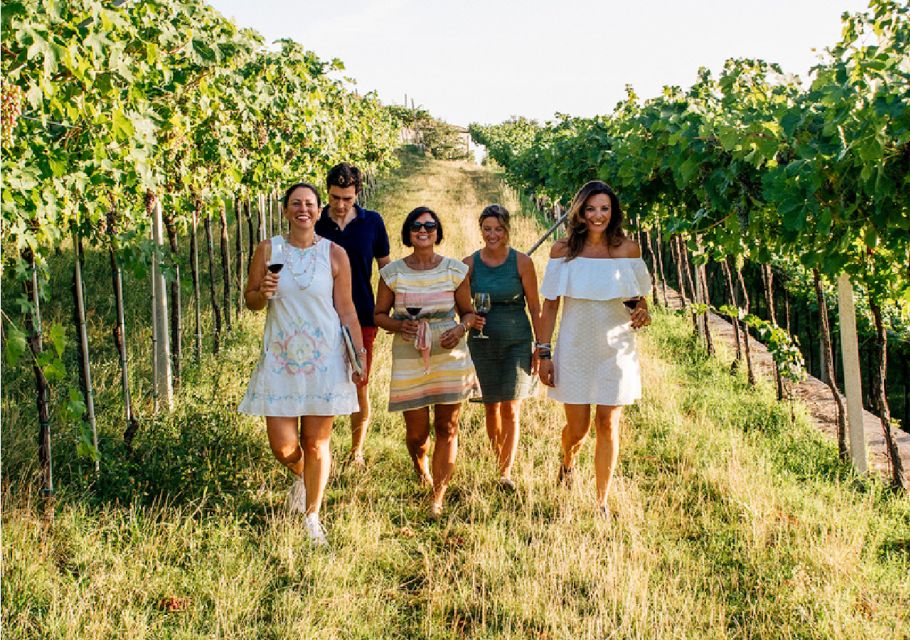
The tour begins with a visit to the winery grounds at Tenuta Santa Maria Valverde, and the first portion is a walk through the vineyard area. You’re not just there for photos (though you’ll take photos). You’re there to connect the plants to what eventually lands in the glass.
You’ll hear family history of the winery and the estates, then you’ll transition from outdoors to the production side. That shift is smart. It helps you understand that Valpolicella isn’t one single style. It’s a region with distinct grape behavior and winemaking techniques, and those choices show up later during tasting.
A small practical tip: wear shoes you’re comfortable walking in on uneven vineyard ground. You’re strolling, not trekking, but it’s still rural terrain.
Appassimento and the Amarone drying room
This is the part I’d put at the center of the whole experience if you care about what makes Amarone taste like Amarone.
You head to the traditional drying room and learn how Amarone grapes are dried using the process called Appassimento. In plain language, it’s about changing what the grapes do before fermentation. Drying concentrates character and influences flavor. You don’t need a winemaking degree to get the concept, but you do need to see and hear it in context—on-site—so the tasting later makes sense.
Then the winemaker explains the process and how different grapes can produce different flavors. This is where the tour earns its keep. Tastings are fun, but what you really want is cause-and-effect: this room, these steps, then the style in your glass.
If you’ve ever wondered why some wines taste deeper, warmer, or more intense, this is where you get your answer. Appassimento is a major reason.
17th-century cellar and the rural house visit
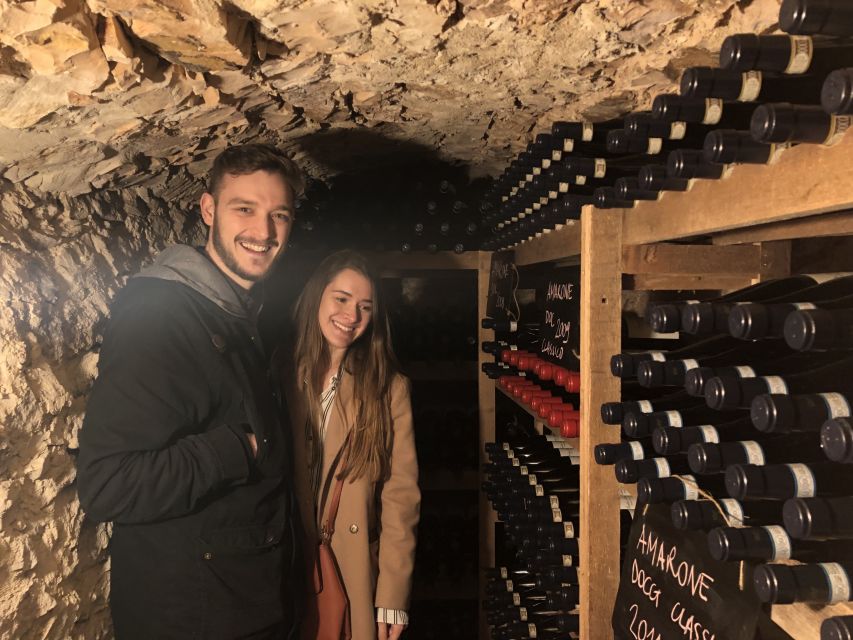
Next comes a look at the winery’s historic spaces: the rural house and cellar, including areas used for winemaking since the 17th century. That old structure isn’t just scenery. It helps you understand why winemaking has traditionally happened in certain kinds of spaces—cooler cellar environments, storage realities, and the long-term habits of a working estate.
The cellar and historic house also give the tour its human rhythm. You’re walking through places where the family’s craft has been practiced over decades, not just months. That turns the explanation into something you can picture, instead of just absorb.
In feedback from many visitors, the reception here tends to feel welcoming rather than formal. You’ll likely get time for questions, and that helps if you’re new to wine or just want to understand what you’re tasting instead of memorizing a label.
Your tasting lineup: Valpolicella, Ripasso, and Amarone
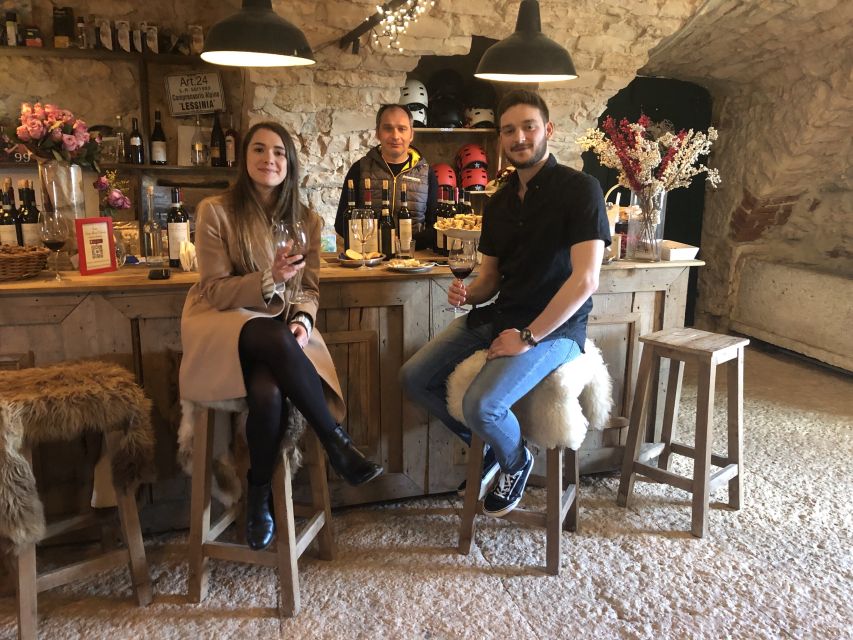
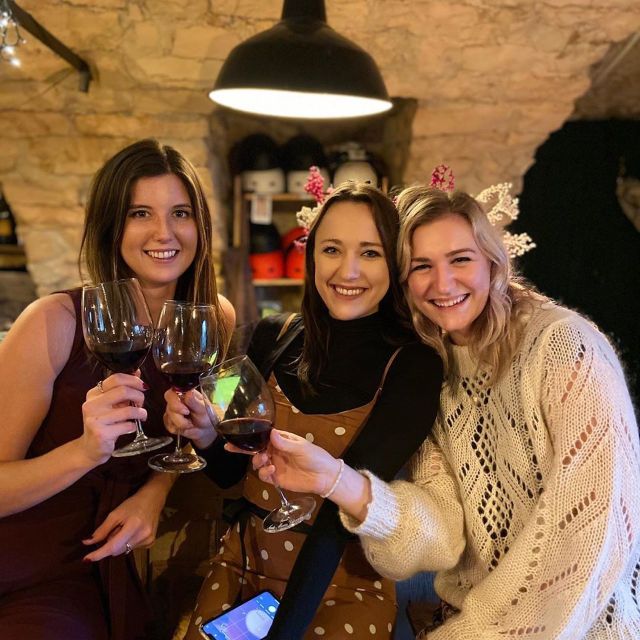
After the cellar tour, you sit down for the tasting. The lineup focuses on Valpolicella, Ripasso, and Amarone—three styles that let you compare in a way that feels logical, not random.
You’ll also get guidance on how to evaluate wine using your senses of sight, smell, and taste. This part is more useful than it sounds. Even if you’re not a “wine person,” it teaches you a repeatable method. You start noticing aromas, you pay attention to color and clarity, and you pick up differences in flavor and structure.
What I like about tastings like this is that they make you active. You’re not waiting for someone to tell you what to think. You’re learning what to check.
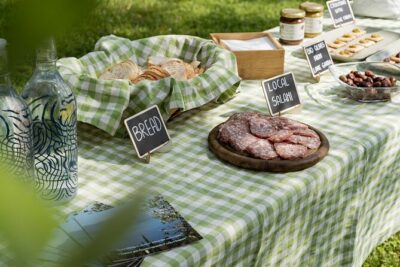
Food pairing matters here too. The wines come with antipasti, and that pairing changes how you experience each glass. If you try the wines without food, you might miss some of the balance. With local cheeses, salami, bread, and olive oil, you get the rhythm of a real meal.



Lunch on the terrace: antipasti, olive oil, and a view
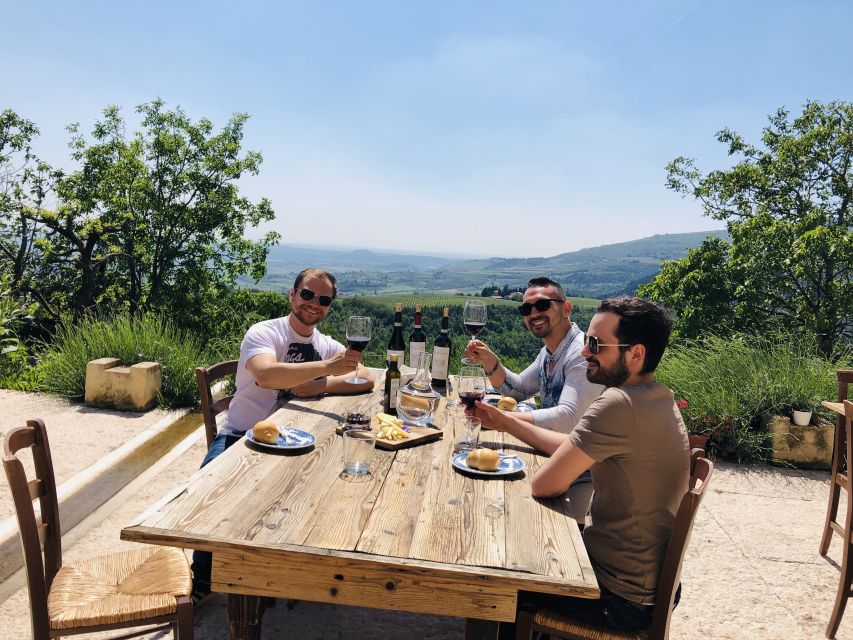
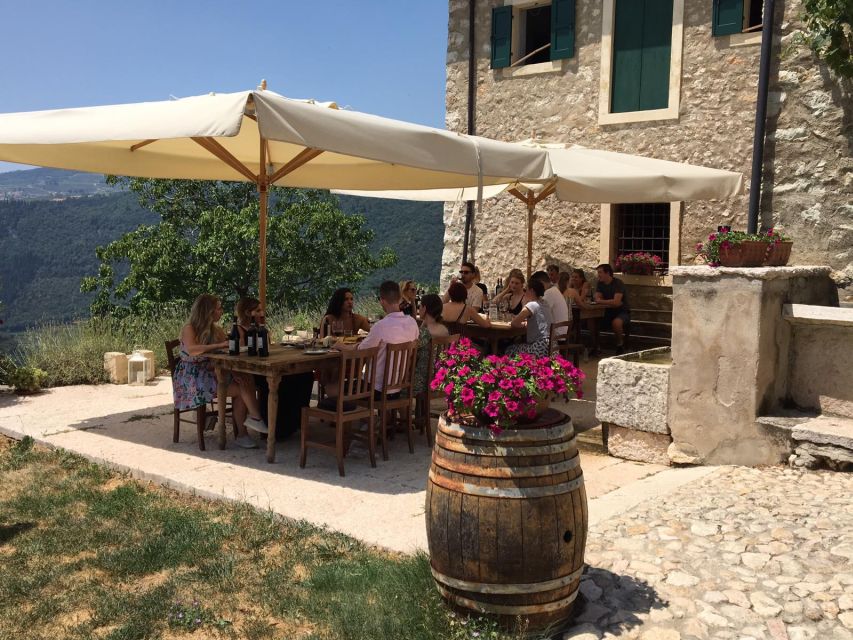
The tour wraps the tasting with a light lunch on the terrace, and the terrace view is a big part of why this experience lands as relaxing.
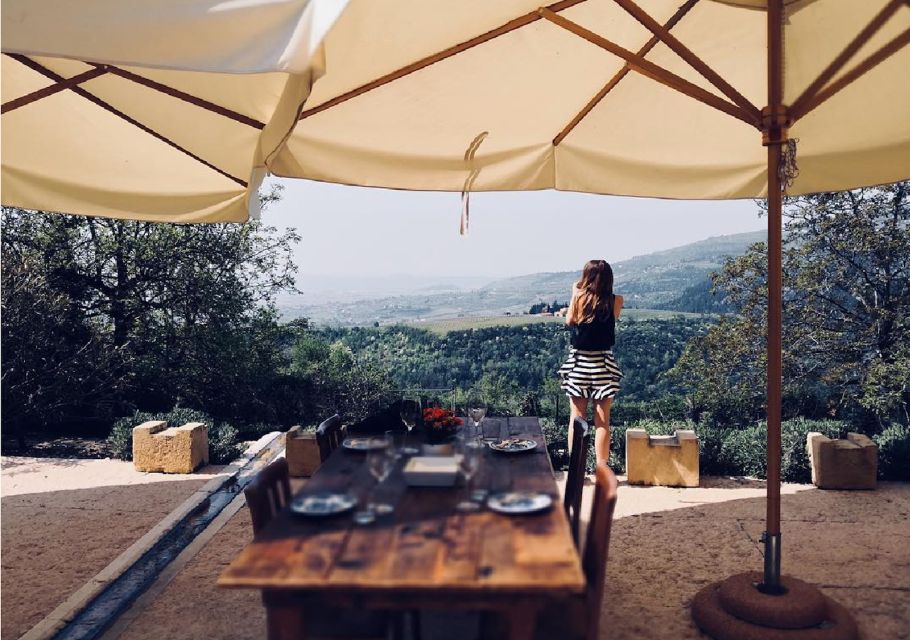
You’ll eat with a view across the Italian countryside and the Valpolicella hills. That sounds like a nice add-on, but it changes the entire feel of the tour. It takes the edge off the technical talk and lets you just enjoy the moment.
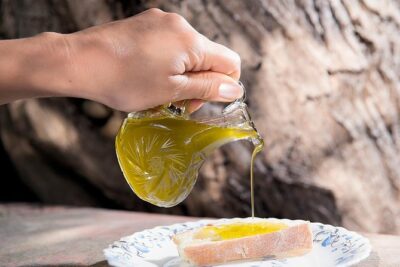
The antipasti portion you can expect includes local cheeses, salami, bread, and extra virgin olive oil. Some offerings also include things like local cherry chutney and almond biscuits/dessert, depending on what’s being served during your visit.
One practical note: because it’s a light lunch with tastings, you probably shouldn’t schedule a demanding activity right after. Even if the official duration is listed as 2 hours, the experience can run longer at a relaxed pace. Give yourself room to finish slowly and enjoy the view.
How the guides make it feel real (and not rehearsed)
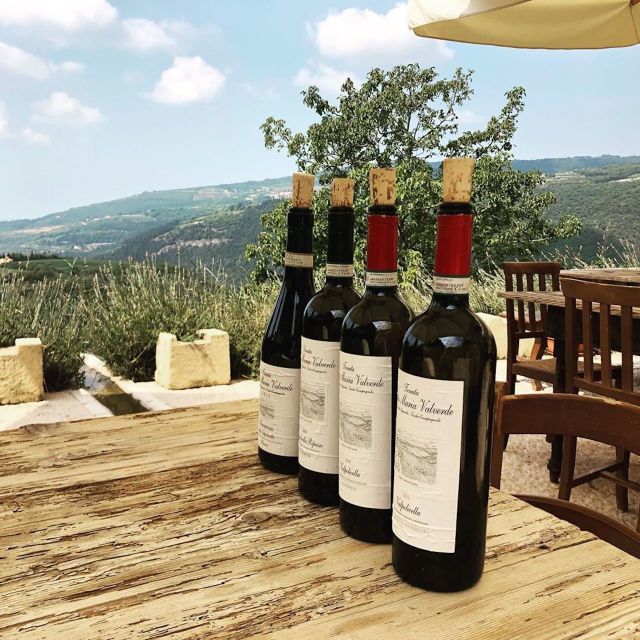
A big reason this tour scores so high is the human factor. Tenuta Santa Maria Valverde is run by a family team, and the guides and hosts show up with stories, not just scripts.
Names you may hear include Raquel, Claudia, Jacopo, Ginevra, and Alberto. People often mention how the hosts explain regional differences and the wine process in a way that’s easy to follow.
Also, yes—dogs are part of the charm here. More than one visitor describes meeting winery dogs during the visit. It’s not a gimmick; it’s just that this is a working family estate, and life happens around the tasting.
If you like tours where you feel like you’re joining a family moment (with wine and food), this matches that vibe.
Price and value: what you’re really paying for
At about $82 per person, this isn’t the cheapest tasting option. But it’s not just a quick sip-and-leave either.
You’re paying for a bundle of experiences that usually cost more when sold separately:
- A structured guided visit around the vineyard and historic winery spaces
- A dedicated look at Amarone production and the Appassimento drying process
- A tasting with multiple wines (Valpolicella, Ripasso, Amarone)
- Food pairing with local antipasti and regional items, eaten with the countryside view
For wine country, that price can represent good value when the tour actually teaches you something and gives you food pairing that fits the wines. If you’re the type who likes to taste, learn, and then relax on a terrace, this is likely to feel fair.
Getting there from Verona: plan for the countryside transfer
The meeting point is Tenuta Santa Maria Valverde in Località Gazzo, 4, 37020 Marano di Valpolicella (VR).
From Verona, you generally have a few ways to make it work:
- You can arrange assistance with transport through the experience provider or plan public transit to the winery area.
- You might be able to organize a private transfer.
- Some visitors used a taxi from Verona train station, and one report put it around €35–€40.
Here’s the practical takeaway: don’t wing it with zero margin. Rural wineries are not next door to a platform and a timetable. Call ahead and align on pickup/arrival timing so you don’t end up crossing the wrong side of the valley. That kind of mishap happens fast on rural routes.
Who this tour is best for
This experience fits best if you want:
- A short, high-quality winery visit from the Verona area
- Real explanation of Amarone’s approach through Appassimento
- A tasting that includes food pairing, not just wine in a glass
- Scenic countryside time without turning it into an all-day production
It’s also a good choice if you’re traveling with friends or a couple, since the hosting style tends to make the group feel comfortable.
It’s not suitable for children under 18, since wine is part of the experience.
Should you book Tenuta Santa Maria Valverde?
I’d book it if you want a Verona-area winery tour that mixes historic spaces, hands-on production knowledge, and a proper terrace lunch. The Amarone drying room lesson is the headline, and the tasting pairing is what makes the learning stick.
Skip it (or at least temper expectations) if you have a very tight schedule. Even with a listed 2 hours, the experience can stretch longer because the food and tastings are meant to be enjoyed at an unhurried pace. And if you’re hunting for a huge, flashy show, this isn’t that kind of tour. It’s a working family estate with a focus on craft and hospitality.
FAQ
How long is the wine tasting tour?
The activity is listed as 2 hours, though the pace can feel relaxed and may take longer in practice due to the tasting and meal.
Where is the meeting point?
You meet at Tenuta Santa Maria Valverde, Località Gazzo, 4, 37020 Marano di Valpolicella VR.
What wines will I taste?
You can expect tastings that include Valpolicella, Ripasso, and Amarone.
Is food included?
Yes. The tour includes a light lunch with tastings of local items such as local cheeses, salami, bread, and extra virgin olive oil, plus other local food.
Do you offer the tour in English?
Yes. The live guide is available in Italian and English.
Is the tour suitable for children?
No. You must be at least 18 years old to consume alcohol, so it isn’t suitable for children under 18.