REVIEW · VERONA
Fascinating Verona: in the Footprints of Romeo and Juliet
Book on Viator →Operated by Curioseety SRLS · Bookable on Viator
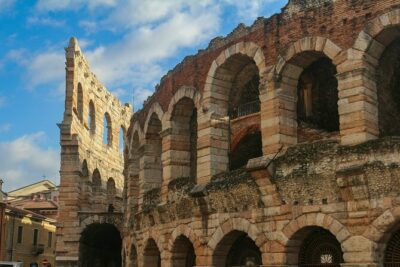
Verona can feel like a stage set. This 1.5-hour walk starts at the Arena and follows the city’s drama from ancient stone to the places tied to Romeo and Juliet lore. I especially like how guides such as Frank and Maria turn architecture and street corners into a story you can picture.
Two things I really appreciate: you get an informed, human storytelling guide (Maria and Andrea are repeatedly praised for energy), and you also see more than the balcony—Herbs Square, Signori Square, and the Scala family tombs make the city’s real power plays part of the fun. One possible drawback: the Romeo and Juliet angle is only a piece of the whole route, so if you want the entire time to be Shakespeare-only, this may feel slightly split.
In This Review
- Key takeaways before you go
- Arena to Courtyards: Why This Verona Walk Works
- What to expect from the pace
- Getting Your Bearings at Piazza Bra (Arena Amphitheater)
- Juliet’s Balcony and Statue: A Stop You’ll Remember, Tickets You’ll Plan For
- What’s included vs. what you pay separately
- Herbs Square, Lamberti Tower, and Domus Mercatorum Market Area
- Watch for the day’s rhythm
- Signori Square: Where Verona’s Eras Collide in One Walk
- Scala Family Tombs: Real Medieval Drama, Not Just a Love Story
- Price and Logistics: Is $83.45 Worth It?
- What Makes the Guides Here So Strong
- Best Use of This Tour in Your Verona Day
- Who Should Book This Tour (and Who Might Skip It)
- Should You Book Fascinating Verona: in the Footprints of Romeo and Juliet?
- FAQ
- Where does the tour start?
- What time does the tour end?
- How long is the tour?
- Is this tour available in English?
- Is the Juliet House included with the tour price?
- What else is not included?
- How many people are in a group?
- What is the meeting time and how late can you be?
- Does the tour run in bad weather?
- Can I get a refund if my plans change?
- Is there a fitness requirement?
Key takeaways before you go
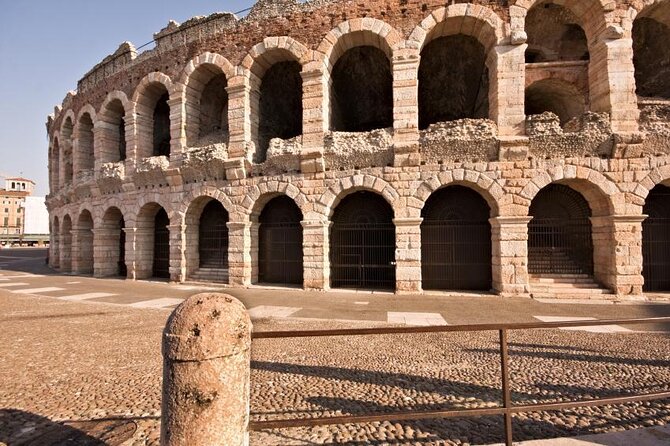
- Arena start: you begin at a Roman amphitheater that predates Rome’s Colosseum and is still used for cultural events
- Small group size: maximum 15 people means you can actually hear your guide and ask questions
- Juliet stop at Casa di Giulietta: famous balcony and a statue moment, with Juliet tickets not included
- Multi-era Verona: Romans, Romanesque, Gothic, Renaissance, and modern layers show up in walking distance
- Herbs Square and guild history: you’ll connect the market area with Domus Mercatorum, tied to the merchant guild
- Scala family tombs: medieval scandals and political drama in a setting that feels quietly intense
Arena to Courtyards: Why This Verona Walk Works
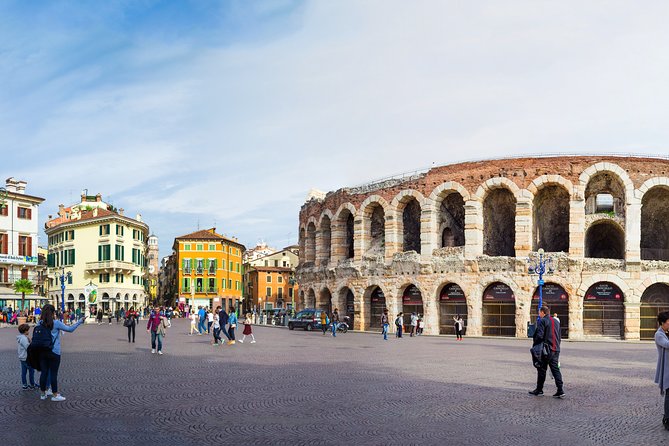
I like tours that use good pacing and sharp context. This one starts where Verona’s long timeline is impossible to miss: the Arena amphitheater in Piazza Bra. It’s not a “look and move on” stop. You get the big picture right away—ancient Roman roots in a site that’s been in use for more than 2,000 years, and still hosts cultural events today.
From there, you shift into the part that makes Verona addictive: narrow medieval streets, small turns, and sudden views that make you slow down without being told. That walking stretch is where the guide’s story skills really matter. You’re not just collecting facts. You’re learning how the city’s different eras talk to each other—Romean stone to later medieval power to Renaissance style.
Also, you’re in good company with the group format. Maximum 15 travelers keeps things conversational. Guides like Frank and Maria are repeatedly praised for keeping attention, even when the day gets hot or you’re traveling with teenagers. That’s a practical advantage: you’ll get more than a lecture, and the route stays lively.
You can also read our reviews of more tours and experiences in Verona.


What to expect from the pace
The total time is about 1 hour 30 minutes at a moderate walking pace. That’s long enough to cover meaningful ground, but short enough to fit into a day in Verona without draining you. You’ll also want to keep a moderate fitness level in mind. The route includes backstreets and courtyards, not just flat sidewalks.
And yes, it runs rain or shine. Verona can toss weather at you, so bring a small umbrella or a light rain layer and don’t plan your outfit like it’s a photoshoot only.
Getting Your Bearings at Piazza Bra (Arena Amphitheater)
Meeting at Piazza Bra is smart. You’re at the center of things, and it’s an easy reference point once you’re in Verona. The Arena itself does more than set the mood. It gives you a reality check on time.
The guide frames the Shakespeare connection in a helpful way: the Capulet and Montague families are fictional, but Verona’s past had plenty of fatal feuds and romance-like intrigue that made it a natural setting for tragedy. Starting at the Arena is a clever way to show how a city with long-running drama can become a playwright’s magnet.
Practical note: this tour’s title leans Romeo and Juliet, but the Arena start is where you learn the deeper Verona engine. Once you understand that, the Shakespeare landmarks land better—even if Juliet isn’t the only star of the show.
Juliet’s Balcony and Statue: A Stop You’ll Remember, Tickets You’ll Plan For

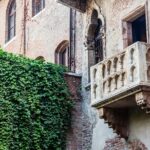
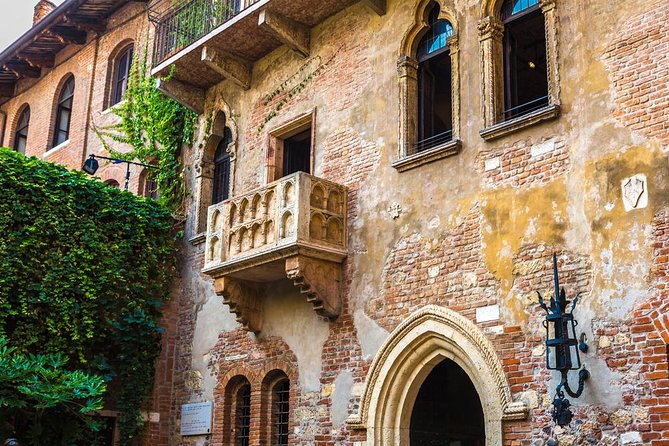
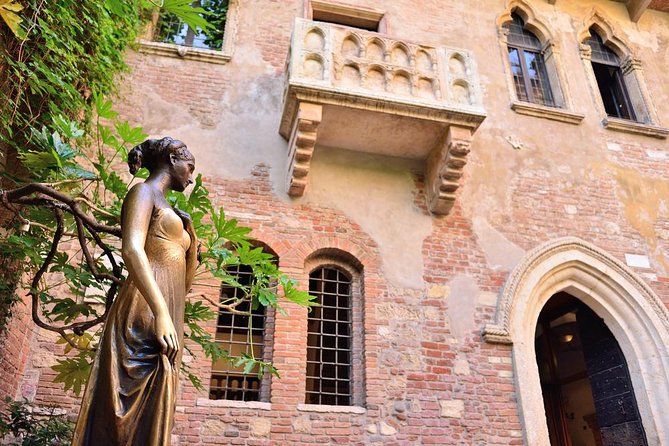
Eventually you’ll head to Casa di Giulietta area (ending there). This is the moment most people come for: the famous Juliet balcony and a statue of Juliet.
Here’s the key detail for expectations: the tour treats Juliet lore as part of the story, but the Shakespeare tie-ins are described as dubious. In other words, you’ll get the famous images, plus you’ll get the more grounded Verona context around what’s real, what’s legend, and why the myth sticks.
What’s included vs. what you pay separately
Your tour does not include Giulietta Home tickets or any entrance fees. You’re still guided to the key Juliet spot, but if your experience requires paid entry access, you’ll need to handle that separately.
So I recommend this approach: decide ahead of time whether you want extra time at Juliet’s House beyond the quick highlight. If you do, plan for ticket costs on top of the tour price. If you prefer the walk itself and the big-picture storytelling, you can keep Juliet as the iconic photo stop without turning the day into a museum marathon.


Herbs Square, Lamberti Tower, and Domus Mercatorum Market Area
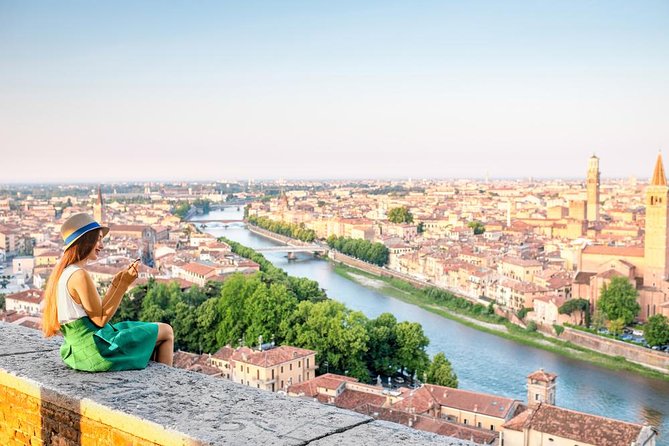
After Juliet’s highlight, the tour moves into a livelier kind of history. Herbs Square (and the surrounding market area) is where you feel daily Verona—not just monumental stone.
The guide points out Lamberti Tower and the Domus Mercatorum, described as a former home of the merchant guild. This is one of those “wait, that makes sense” moments. You learn how trade and wealth fed the city’s power, and how the same place can be a market today and a power center in earlier centuries.
There’s also a practical upside. A market square gives you space for a breather. Even if the day is hot, you’re not staring at one wall for 90 minutes. You’ll get short stretches to look, turn, and absorb.
Watch for the day’s rhythm
Because it’s an outdoor walk, the pace can feel different depending on crowds. In market areas, the flow of people can be a little unpredictable. Your guide’s job is to keep you moving while still making each stop meaningful. That’s exactly why a small group helps.
Signori Square: Where Verona’s Eras Collide in One Walk
One of the most fun concepts in Verona is how much you can see without “driving to the next landmark.” At Signori Square, the guide brings that idea to life.
This square is described as a place where multiple architectural periods overlap in view—Roman, Romanesque, Gothic, Renaissance, and modern. That means you’re not just hearing about history in separate chapters. You’re watching it layer up as you walk.
For me, that’s the tour’s sweet spot: it trains your eye. After a good guide points out what you’re looking at, streets start acting like timelines. A wall isn’t just a wall. It becomes evidence of who had influence, what building styles were favored, and how Verona kept reinventing itself.
Scala Family Tombs: Real Medieval Drama, Not Just a Love Story
The final leg turns the volume down—quiet courtyards and backstreets—until you reach the Scala family tombs. The Scaliger/Scala ruling family is tied to the 13th and 14th centuries, with scandals and power struggles that the guide draws a parallel to Romeo and Juliet energy.
This stop is a good reminder that Verona’s romance isn’t only about myth. Medieval politics could be brutal. The city’s power stories are not abstract; they’re embodied in where people were remembered.
If you like history that feels human and messy, this part lands well. It also helps the Juliet moment make sense. You realize why Shakespeare would pick a city like this. Not because everything matches the play, but because the ingredients for drama were already there.
Price and Logistics: Is $83.45 Worth It?
The price is $83.45 per person for about 1.5 hours with a local professional guide and a small group format (up to 15 travelers). That’s not cheap for a walking tour, so you need to know what you’re paying for.
You’re paying for three things:
- Story time with a top guide, not just a route map
- Context at each stop (Arena through Signori Square to the Scala tombs)
- Time efficiency if you only have a day in Verona and want more than a quick photo sweep
The reviews back up that value. Guides such as Maria and Frank are singled out for energy and storytelling. One review specifically notes that Maria made a hot day more bearable by getting water during the tour. Another calls out that the guide could adjust focus based on what the group wanted, which is exactly what you’d hope for in a small group.
What could be less satisfying for some people is that entrance fees and Juliet House tickets aren’t included, and the tour isn’t designed as a full museum-style visit. So you won’t leave feeling like you did everything for free. But you will likely feel like you got the best why behind what you saw.
If you’re the kind of traveler who likes to understand what you’re looking at—why a tower matters, what a guild building implies, how eras overlap—then this price makes sense.
What Makes the Guides Here So Strong
This tour’s biggest strength isn’t the route on paper. It’s the people leading it.
Across the praised experiences, a pattern shows up:
- Guides like Maria and Maria Pia are described as animated storytellers who make architecture and history easier to follow
- Frank earns strong marks for keeping the tour fun and focused
- Andrea and Francesco (Frank) are praised for giving lots of context on political history and architectural styles, with clear English and strong engagement
- One tour experience notes the guide paid extra attention to a dad in the group and handled questions well—so this isn’t just “talk at people”
You don’t need a degree in art history to enjoy it, but you will get a sense of how the city worked over time. That’s the real payoff: your time in Verona becomes more than a checklist.
Best Use of This Tour in Your Verona Day
Because the tour ends at Casa di Giulietta, you can plan your later time around Juliet and the central area. After you finish the walk, you’ll be in the right neighborhood to continue on your own.
This also helps if you want to do a mix of guided and unguided time:
- Start with this tour to get your bearings and your timeline
- Then use the rest of your day to pick one or two places to linger longer
If your schedule is tight—say you’re doing Verona as a stop on a bigger Italian trip—this tour is a strong “get grounded fast” option without pretending you can see everything in 90 minutes.
Who Should Book This Tour (and Who Might Skip It)
You’ll love this tour if:
- You want a small-group walking tour with real storytelling
- You care about architecture and how eras overlap
- You want the Romeo and Juliet angle but also want the Verona behind the myth
You might pass or choose something else if:
- You want mostly Shakespeare with minimal history
- You’re hoping the price covers all entry tickets (it doesn’t)
- You don’t handle walking and outdoor weather well, since it’s rain or shine and includes courtyards and backstreets
Also, plan ahead. The tour is typically booked around 54 days in advance on average. If you’re traveling in peak season, you’ll want to lock it in sooner rather than later.
Should You Book Fascinating Verona: in the Footprints of Romeo and Juliet?
Book it if you want Verona in a compact package with sharp context and a guide who can make you care. The strongest reason to choose it is not the balcony alone—it’s the way the tour teaches you how Verona’s real history feeds the drama people associate with Romeo and Juliet.
Pass if you only want Shakespeare and you’re not interested in learning about merchant power, architectural styles, or the Scala family’s medieval role in the city’s story. For everyone else, this is a smart first move when you want to understand the city fast—and enjoy the walk while you do it.
FAQ
Where does the tour start?
It starts at Piazza Bra (P.za Bra, Verona VR, Italy) at 1:30 pm.
What time does the tour end?
It ends at Casa di Giulietta (Via Cappello, 23, 37121 Verona VR, Italy).
How long is the tour?
The duration is about 1.5 hours.
Is this tour available in English?
Yes, the tour is offered in English.
Is the Juliet House included with the tour price?
No. Giulietta Home tickets are not included.
What else is not included?
Entrance fees and tips/gratuities are not included, and there is no hotel pick-up or drop-off.
How many people are in a group?
The experience has a maximum of 15 travelers.
What is the meeting time and how late can you be?
You should arrive at the indicated time. The guide will wait max 10 minutes from departure time, and a delay of 15 minutes can be accepted. Arriving later makes you a no show.
Does the tour run in bad weather?
Yes. The tour runs rain or shine.
Can I get a refund if my plans change?
Yes. You can cancel up to 24 hours in advance for a full refund.
Is there a fitness requirement?
You should have a moderate physical fitness level. This is a walking tour with courtyards and backstreets.