REVIEW · VERONA
Verona: Authentic Pasta Making Class with a Local Family
Book on GetYourGuide →Operated by Vallì Homemade · Bookable on GetYourGuide
Making pasta from scratch in Verona feels personal. This hands-on class turns into a shared dinner with a local family, where you learn dough and classic shapes, then eat what you make. I love the focus on learning by doing (you’ll work the dough yourself) and the intimate setup with instruction led by Valentina and Dave in a small group. One possible drawback: the meal is prepared with low/no salt and sugar to taste, so if you like heavily seasoned food, you’ll need to adjust your expectations.
You meet at Palazzo Balladoro, in the historic center near Castelvecchio and the Arena. The night lasts about 4 hours and wraps up with a 3-course meal plus a regional wine, along with unlimited sparkling and still water.
In This Review
- Key highlights worth your time
- Why a pasta night at Palazzo Balladoro feels different
- What you’ll actually make: dough, tagliatelle, ravioli, and classic shapes
- The dough basics and what those sauce lessons teach
- Pasta dough: the foundation you keep using
- Two quick, easy sauces you can repeat
- The family-style dinner: three courses, local wine, and low/no salt
- Timing and logistics that actually matter in Verona
- Price and value: what $107.62 buys you
- Who should book this pasta class, and who might want to think twice
- Should you book this Verona pasta-making experience?
- FAQ
- How long is the Verona pasta making class?
- What pasta will we make?
- Are the sauces included?
- What’s included in the meal?
- What languages are spoken during the class?
- How many people are in the group?
- Where do we meet and how close is it to major Verona landmarks?
Key highlights worth your time
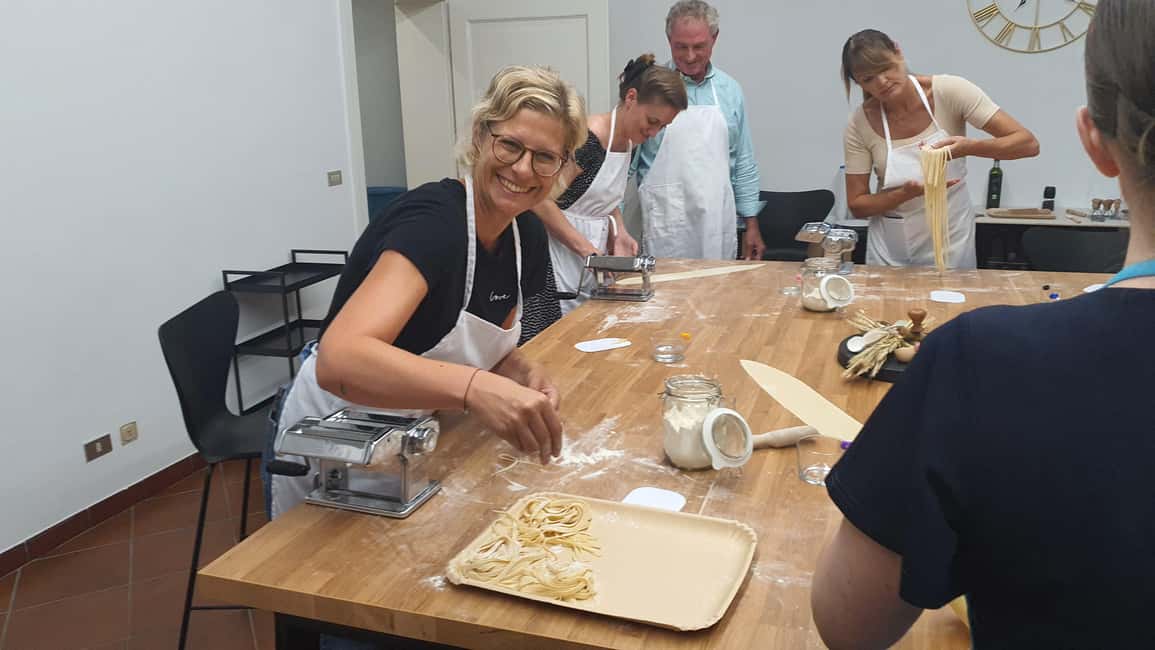
- Small group, hands-on pace limited to 10 participants
- Fresh pasta from scratch with dough work and classic cuts
- Tagliatelle and ravioli focus plus other shapes like farfalle and farfalle-style varieties
- Two quick sauce lessons with techniques and secrets you can reuse
- 3-course family dinner with regional wine and unlimited water
- Near the Arena and Castelvecchio meeting at Palazzo Balladoro
Why a pasta night at Palazzo Balladoro feels different
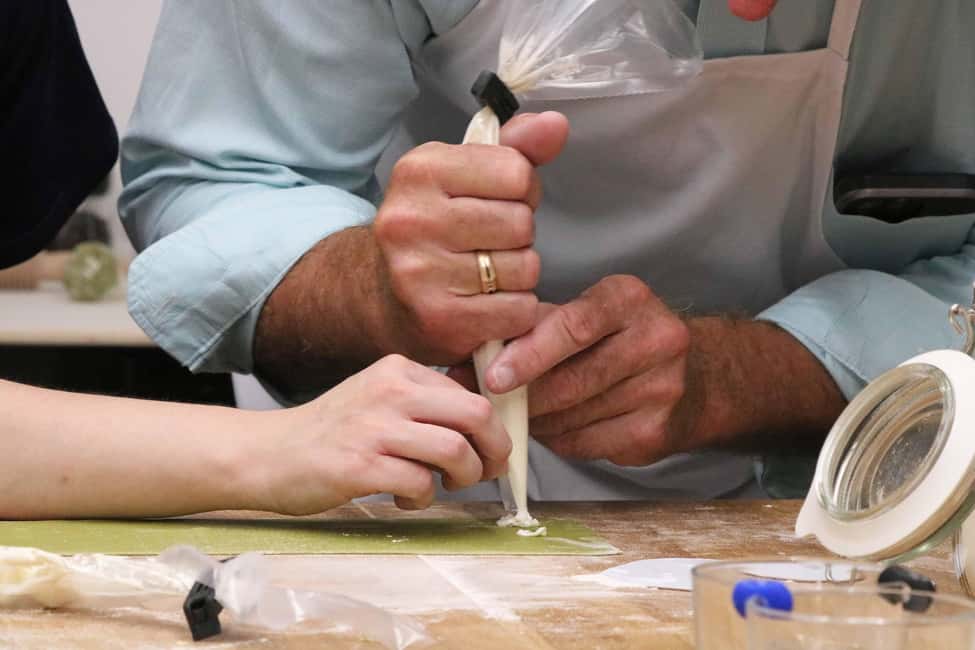
Verona has plenty of food options, but this kind of experience is a different category. You’re not just ordering pasta and hoping it’s good. You’re making it, from scratch, with real guidance, in a space that’s built for close-up cooking.
What makes it feel special is the combination of skills + dinner. You’ll learn the classic moves that turn flour and eggs into a dough that behaves. Then you get to sit down and taste what you produced, like a proper Italian family table, not a rushed tasting.
The small group size (up to 10) matters more than it sounds. More people can mean more waiting, more chaos, and less feedback. Here, the vibe is closer to a kitchen lesson you can actually keep up with, even if pasta making isn’t your usual hobby.
And yes, it’s hosted by Valentina and Dave. The energy is part of the value. When the hosts make the process clear and fun, you remember the steps later at home.
You can also read our reviews of more tours and experiences in Verona.
What you’ll actually make: dough, tagliatelle, ravioli, and classic shapes
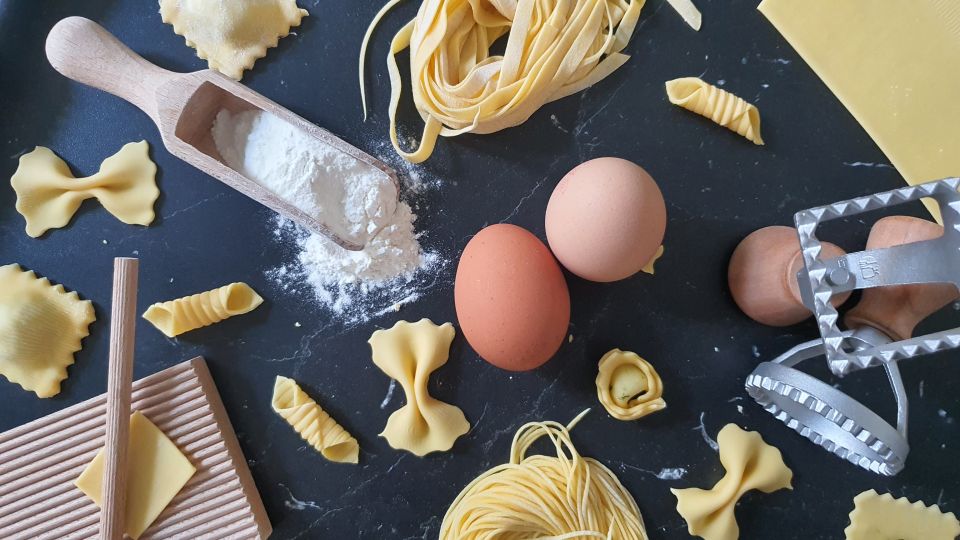
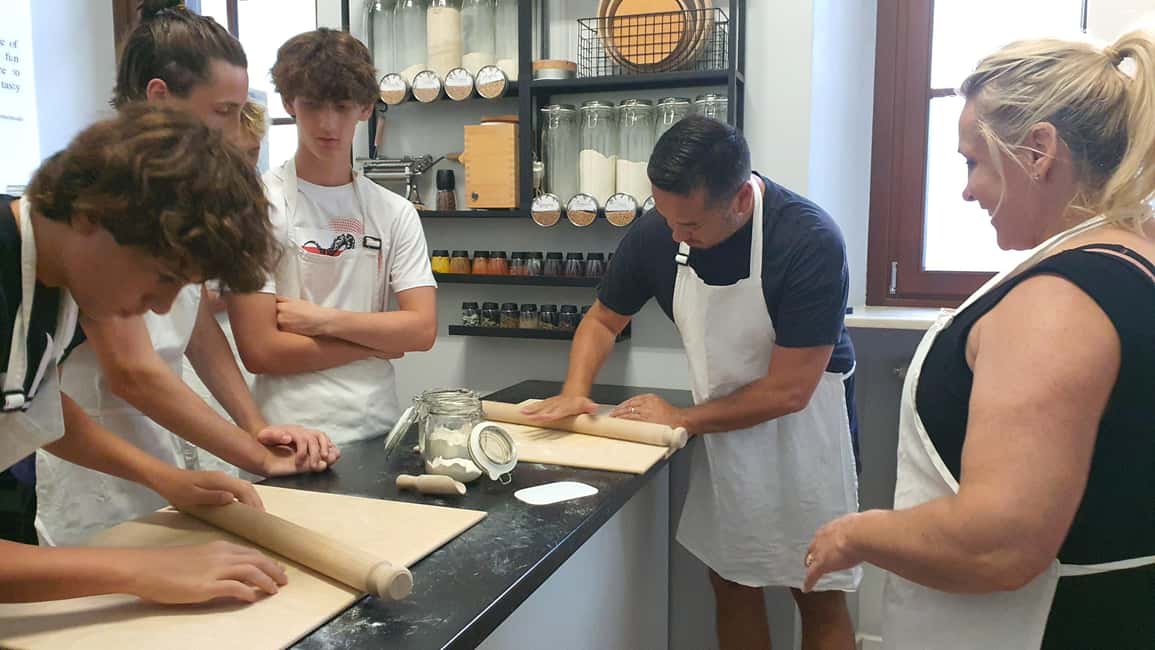
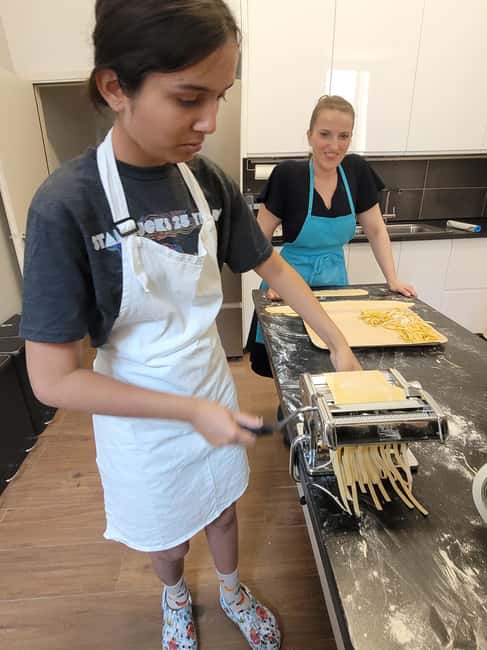
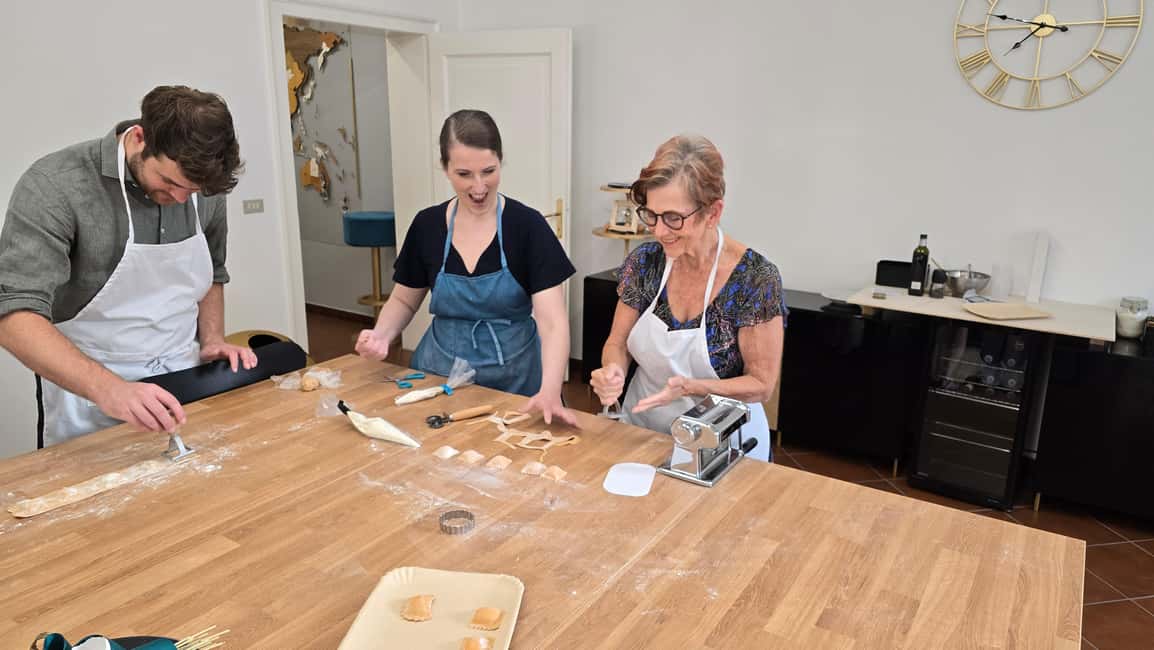
This class isn’t one of those short demos where you watch someone else do all the work. The core is making pasta dough from scratch and then forming it into traditional shapes.
Here’s what the experience is designed around:
- You’ll work with the dough and learn classic cuts and forms.
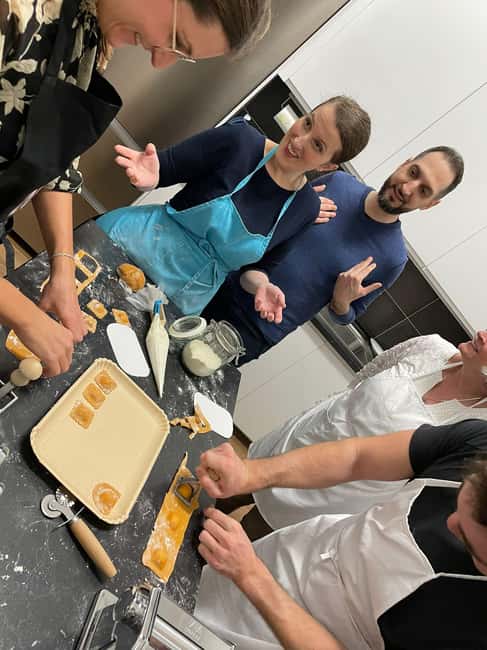
- You’ll specifically prepare tagliatelle and fresh ravioli, which are great “signature” pastas to master.
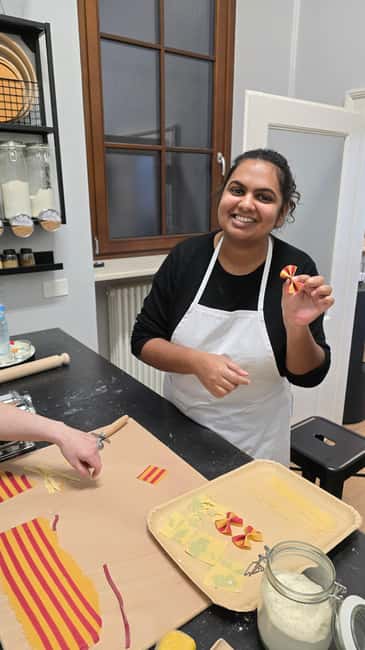
- You’ll also see other shapes such as tagliolini and pappardelle, plus farfalle and maltagliati.
- There’s room to learn about decorated pasta and colored pasta, which adds variety and helps you understand how pasta can be more than just the usual rectangle and fork.
One smart thing about learning multiple shapes: it teaches you the underlying method. If you only make one cut, you can end up thinking it’s memorization. If you try a few, you understand how thickness, handling, and rolling affect the final result.
Also, ravioli is a really practical skill because it trains you to think about sealing and filling. Even if you never go full chef at home, you’ll come away with confidence that you can make a fresh pasta meal rather than just cook dried.
If you’re the type who learns fast, you might find there are additional preparation options during the session. The key is that the class stays hands-on and adjusts to the group rather than bulldozing everyone at the same pace.
The dough basics and what those sauce lessons teach
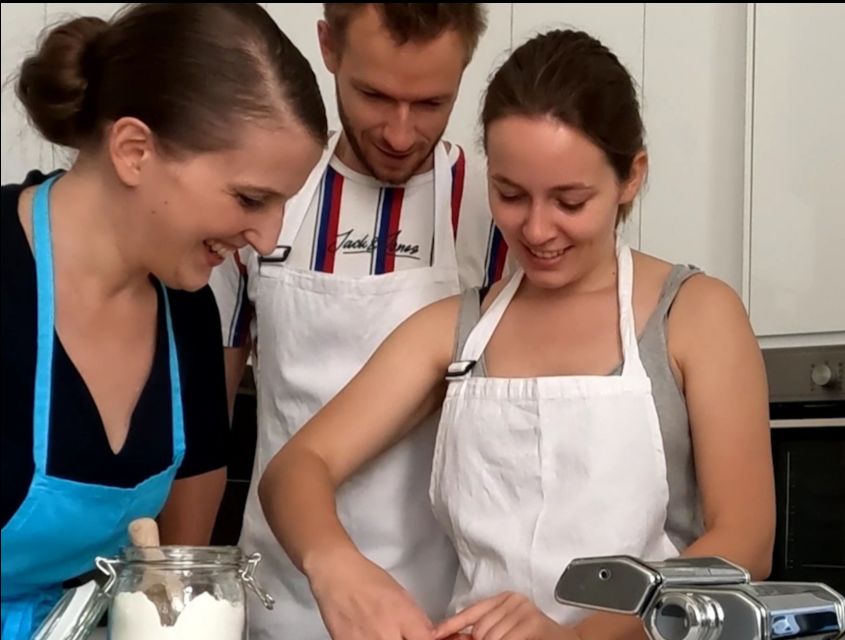
A good pasta class should do two things: help you make pasta today and help you make it again later. This experience is built for both.
Pasta dough: the foundation you keep using
The most valuable part is learning dough technique. You’re starting from scratch, so you learn how dough should feel and behave while you work it. That’s the difference between just copying a recipe and actually understanding what you’re doing.
You’ll get guidance on making dough and shaping it. Even if you’re not an expert in cooking textures, this kind of instruction helps you build intuition—how the dough responds as you roll it, how it comes together, and what you need to do to keep it workable.
Two quick, easy sauces you can repeat
The class also includes techniques and secrets for preparing two quick and easy sauces. You don’t need to know the exact ingredient list to see the value here.
Why sauces matter:
- Fresh pasta shines when the sauce supports it, not when it competes.
- Quick sauces make the whole meal realistic on a weeknight.
- Learning technique helps you tweak later based on what you have.
Even if you later change flavors, the method is what sticks. That’s why this isn’t just a pasta-making evening. It’s also a cooking lesson you can use long after you’ve packed up your flour-streaked kitchen towel.

The family-style dinner: three courses, local wine, and low/no salt
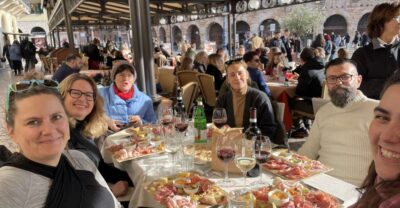
After you finish cooking, you sit down and eat. That matters because it closes the loop. You’ll taste what you made while the process is still fresh in your mind. It’s not a separate event; it’s the payoff.
The meal is a 3-course dinner with wine produced in the region from a small company. You also get unlimited water, both still and sparkling.
Two details are worth paying attention to:
- The courses are cooked and served with low/no salt and sugar to taste. This is a big clue about the style of cooking. The goal isn’t loud seasoning; it’s letting flavors show up more naturally.
- The menu is built around your pasta work, which keeps the evening cohesive. You don’t leave still wondering how your tagliatelle or ravioli compares to what you’d normally order in a restaurant.
If you’re the type who usually adds extra salt at the table, you may want to go easy at first. Try the food as it is, then decide. You may be surprised by how much flavor you notice when you aren’t overpowering it.
Also, the dinner tone is part of the reason people rave about this kind of class: conversation, shared food, and a relaxed pace. It’s not stiff or formal.
Timing and logistics that actually matter in Verona
This experience runs about 4 hours, and it ends back where you start. That’s helpful in a city like Verona, where planning around the Arena and the old streets can be a little tricky.
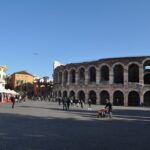
You’ll meet at Palazzo Balladoro, a historical building in the heart of Verona—around a 1-minute walk from Castelvecchio and about 5 minutes from the Arena.
Practically speaking, this location is convenient for two reasons:
- You’re already near major landmarks, so it’s easier to build the rest of your day around the class.
- You don’t need complicated transport planning for a short evening activity.
Language is also straightforward. The instructor supports English and Italian, so you’re not stuck guessing what you’re supposed to do with the dough.
And with a small group capped at 10 participants, you’re less likely to feel like you’re waiting your turn the entire time. In a hands-on class, that’s the difference between enjoying the process and watching other people do the fun part.
Price and value: what $107.62 buys you
At $107.62 per person, this isn’t a cheap snack. It’s a full cooking session plus dinner, and that’s the right context.
You’re paying for:
- Hands-on instruction while making pasta dough and shaping pasta
- A structured evening that includes tagliatelle and ravioli
- Techniques for two quick sauces
- A 3-course meal, a regional wine, and unlimited water
- Recipes and tips so you can recreate the experience at home
If you compare this to paying for dinner alone, the added value is obvious: you’re not just consuming. You’re learning how to produce.
You’re also paying for the hosting style. When instructors keep instructions clear and the vibe light, you walk out with actual skills rather than a vague memory of an activity. That’s why people talk about it as a highlight: the meal is great, but the real win is the foundation you take home.
Who should book this pasta class, and who might want to think twice
This class is best for:
- People who want a hands-on Verona experience beyond sightseeing
- Couples and small groups who like learning together
- Food lovers who enjoy practical skills, not just eating
- Travelers who want a cozy evening near the Arena and Castelvecchio
You might want to reconsider if:
- You strongly prefer very salty, heavily seasoned dishes. The class meal uses low/no salt and sugar to taste.
- You’re looking for a silent, museum-style activity. This is a conversation-driven, hands-on evening.
If your goal is a genuine local-food night, this fits the bill. It’s not pretending. It’s built around a household style of sharing and teaching.
Should you book this Verona pasta-making experience?
I think it’s a solid yes if you want a real skill and a real dinner in one evening. The biggest reasons to book are the hands-on pasta dough work, the focus on tagliatelle and ravioli, and the fact that you eat what you make. Add in the small group and the English/Italian support, and the experience stays approachable.
Book it especially if you’re only in Verona for a few days and want one activity that turns into a memory you can recreate later, at home. If you like learning, laughing, and going beyond the usual restaurant meal, this is the kind of night that earns its place on your itinerary.
FAQ
How long is the Verona pasta making class?
The class lasts about 4 hours.
What pasta will we make?
You’ll prepare homemade pasta dough and make tagliatelle and fresh ravioli. You’ll also learn classic cuts and see decorated and colored pasta.
Are the sauces included?
Yes. You’ll learn techniques and secrets for preparing two quick and easy sauces.
What’s included in the meal?
After the class, you’ll have a 3-course meal. Unlimited sparkling and still water is included, plus a glass of special regional wine produced by a small company.
What languages are spoken during the class?
The instructor offers English and Italian.
How many people are in the group?
The group is limited to 10 participants.
Where do we meet and how close is it to major Verona landmarks?
You meet at Palazzo Balladoro. It’s about 1 minute on foot from Castelvecchio and about 5 minutes from the Arena. The activity ends back at the meeting point.