REVIEW · VERONA
The Highlights of Verona Small Group Walking Tour
Book on GetYourGuide →Operated by Ways Tours | B Corp certified · Bookable on GetYourGuide
Verona’s highlights fit neatly into two hours. This small-group walk threads together UNESCO streets, the Roman Arena, and Juliet’s legendary courtyard without turning your day into a museum sprint.
I love two things most: you’ll get to pin a love letter at Juliet’s Balcony, and you’ll stand in the right spots to appreciate the Arena’s pink marble and its modern opera role.
One consideration: this tour is exterior-only, so if you’re hoping to walk inside the Arena or step fully into Juliet’s House, you’ll need extra plans.
Quick Hits:
- Pink marble Roman Arena and why it anchors summer opera season
- Juliet’s Balcony letter pin at Casa di Giulietta in a very narrow alley
- UNESCO center orientation that helps you navigate Verona afterward
- Opera-festival context showing where the big performances happen
- Photo-paced timing with a longer viewing stretch by Piazza Bra and the Arena
In This Review
- Why Verona’s Arena and Juliet’s Balcony Make This Walk Work
- The 2-Hour Plan: What You Actually See (and What You Don’t)
- Choosing Your Starting Point: Teatro Ristori vs. Arena di Verona
- Castelvecchio Bridge to Arco dei Gavi: First Views and Quick Context
- Piazza delle Erbe and Torre dei Lamberti: Where Verona’s Center Feel Comes From
- Piazza dei Signori: Architecture, Power, and the Art of Looking Up
- Casa di Giulietta and Juliet’s Balcony: The Love Letter Wall Moment
- Piazza Bra and the Verona Arena: Pink Marble Plus Opera Season
- Price and Value: Why $41 for Two Hours Can Make Sense
- The Human Factor: What the Best Guides Do Here
- Practical Considerations Before You Go
- Who This Verona Walk Is Best For
- Should You Book This Walk of Verona’s UNESCO Center?
- FAQ
- How long is the Verona small group walking tour?
- Where does the tour start?
- Are the monuments included for interior access?
- Can I pin a love letter during the tour?
- Does the tour run in bad weather?
- What languages are offered?
- Is it suitable for children and families?
- Are pets or luggage allowed?
- Is there a minimum number of participants?
- What’s the cancellation and payment flexibility?
Why Verona’s Arena and Juliet’s Balcony Make This Walk Work
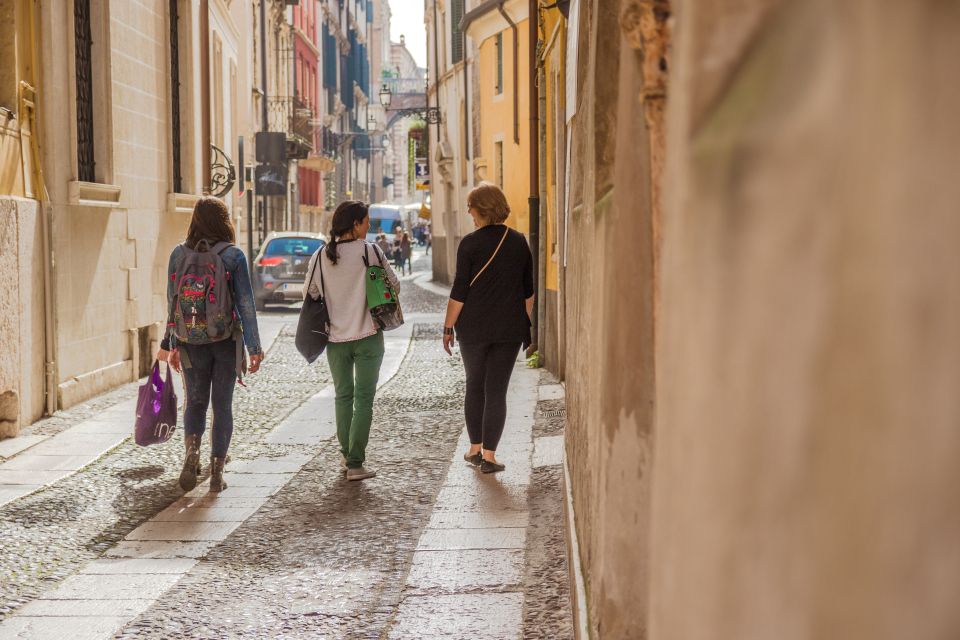
Verona is one of those cities where the postcards are real, but the real magic is in how the pieces connect. In just two hours, you move from ancient Rome to medieval squares to the most famous literary corner in town.
What makes this tour click is that it doesn’t treat Verona like a checklist. The guide connects landmarks to stories you’ll remember, including how the Arena is still used today for the main summer performances.
The 2-Hour Plan: What You Actually See (and What You Don’t)
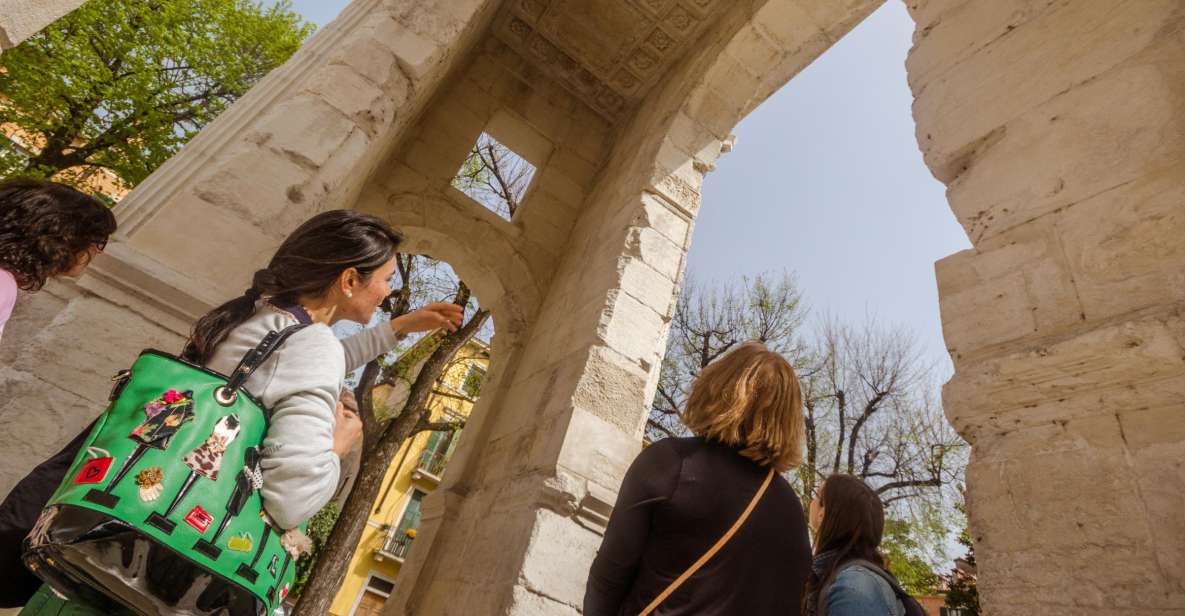
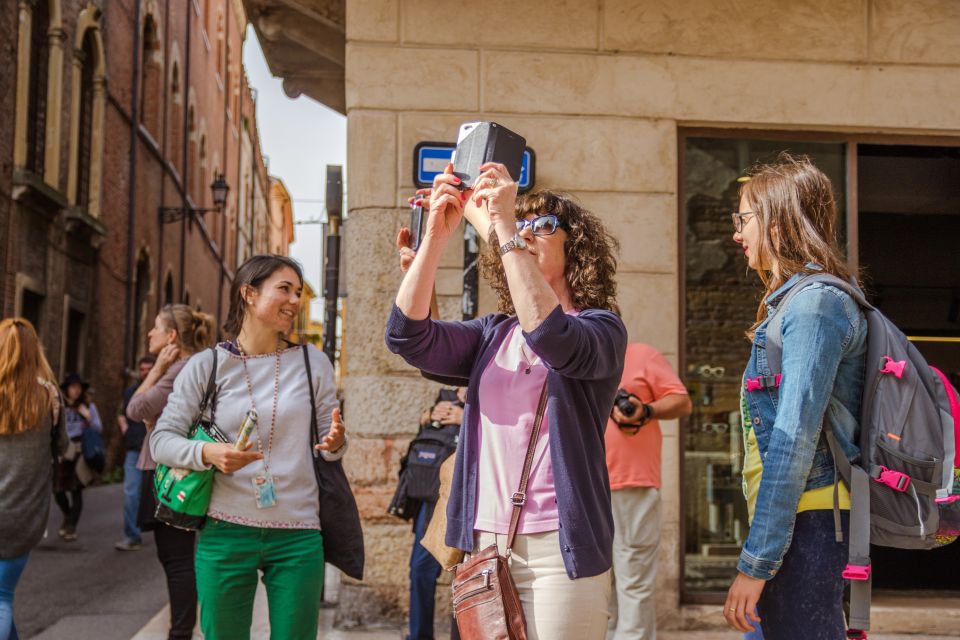
You’re in the historic center on foot, with a licensed local guide leading the way. The sights are primarily seen from the outside, so you’ll get great viewpoints and photos, but not guided entry into major monuments.
That matters because Verona can overwhelm you fast. If you’ve only got a short window, this is a smart way to learn the geography first, then explore at your own pace later.
Duration is 2 hours. You’ll also notice a steady rhythm of short guided stops and photo breaks, which keeps the pace from dragging.
You can also read our reviews of more tours and experiences in Verona.

Choosing Your Starting Point: Teatro Ristori vs. Arena di Verona
There are two starting location options, and your meeting point may vary based on what you book. You’ll either meet near Teatro Ristori or start from the Arena di Verona area, and the route is built to connect the city center monuments efficiently.
If you want to begin with the biggest visual hit right away, starting near the Arena makes sense. If you like easing into the day with squares and smaller streets, the Teatro Ristori start can feel a bit more gradual.
Castelvecchio Bridge to Arco dei Gavi: First Views and Quick Context
Early on, you’ll cross the Castelvecchio Bridge area and get a brief photo stop with guided commentary. This is a good warm-up stretch because it gives you a sense of how Verona’s river and built environment shape the city.
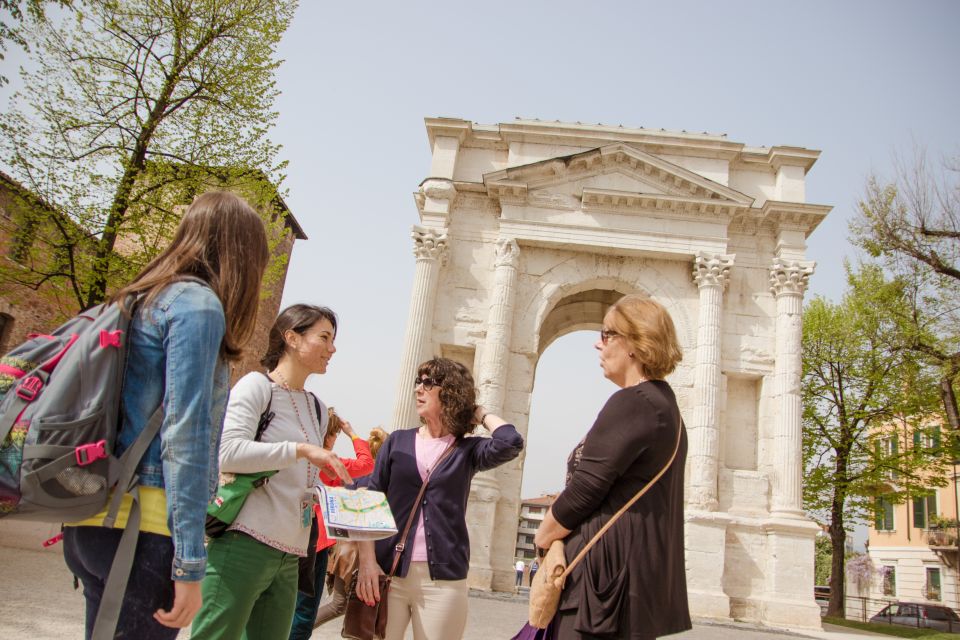
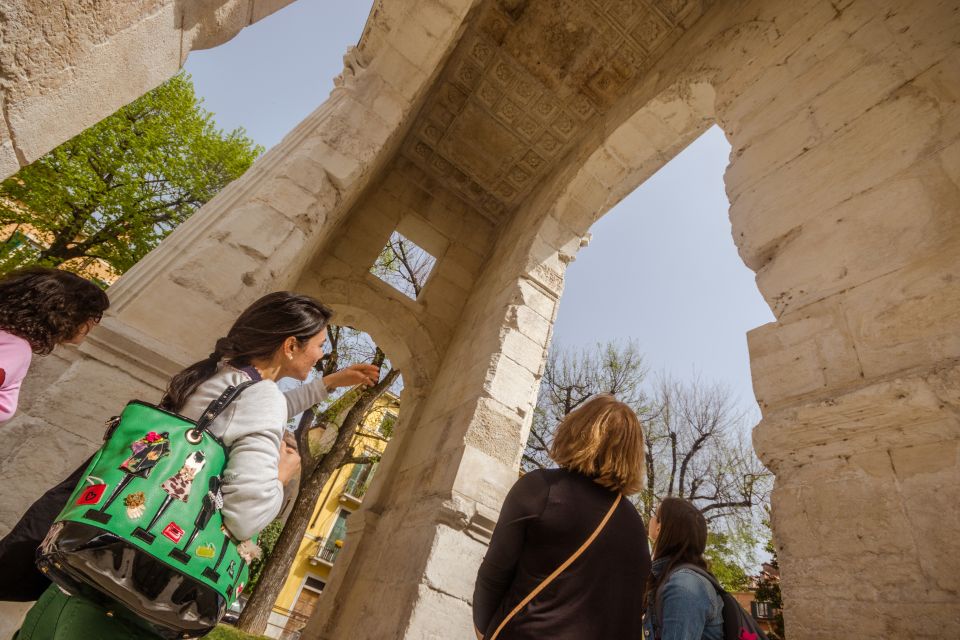
Then you’ll move toward the Arco dei Gavi. You get another short stop for photos and guidance, and this segment helps you spot the shifts between different eras of the city without having to do homework first.
You’ll likely appreciate this part most if you care about why places look the way they do. The guide’s explanations help you read the stonework and urban layout as you walk, not after the fact.
Piazza delle Erbe and Torre dei Lamberti: Where Verona’s Center Feel Comes From
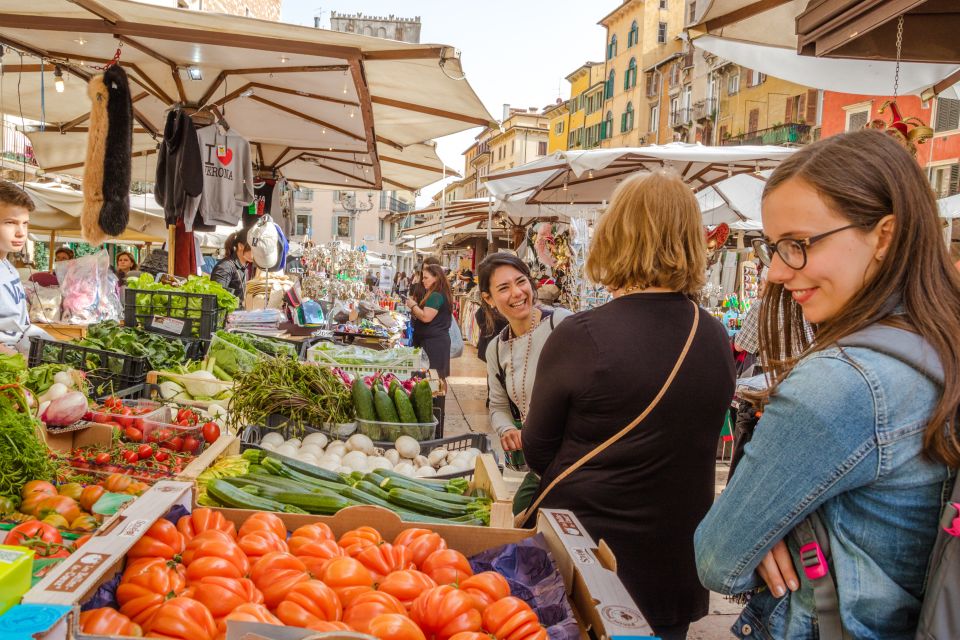
Soon you arrive at Piazza delle Erbe, one of the city’s most recognizable squares. This is the moment when Verona starts feeling like a lived-in place rather than a set of monuments.
You’ll also see the Torre dei Lamberti area as you go, and your guide points out what to notice while you’re still fresh. Expect a short photo stop, guided walking, and scenic viewpoints along the way.
Practical tip: bring your camera energy here. The views are good, and you’ll want a few angles before you move deeper into the tighter lanes.
Piazza dei Signori: Architecture, Power, and the Art of Looking Up
From Piazza delle Erbe, you’ll head toward Piazza dei Signori for another photo and guided stop. This square is famous for how it feels surrounded—like the buildings are watching you back.
Your guide uses this stop to help connect the city’s medieval identity to what you’ll see next. It’s also a great place to pause and take in the skyline, because the city’s vertical details become clearer once you’ve walked a bit.
If you like short interpretive stops, this one usually delivers. It’s not just photos; you get a reason to notice the shapes, the positions, and the scale.


Casa di Giulietta and Juliet’s Balcony: The Love Letter Wall Moment
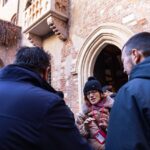
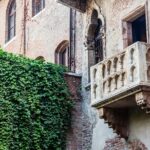
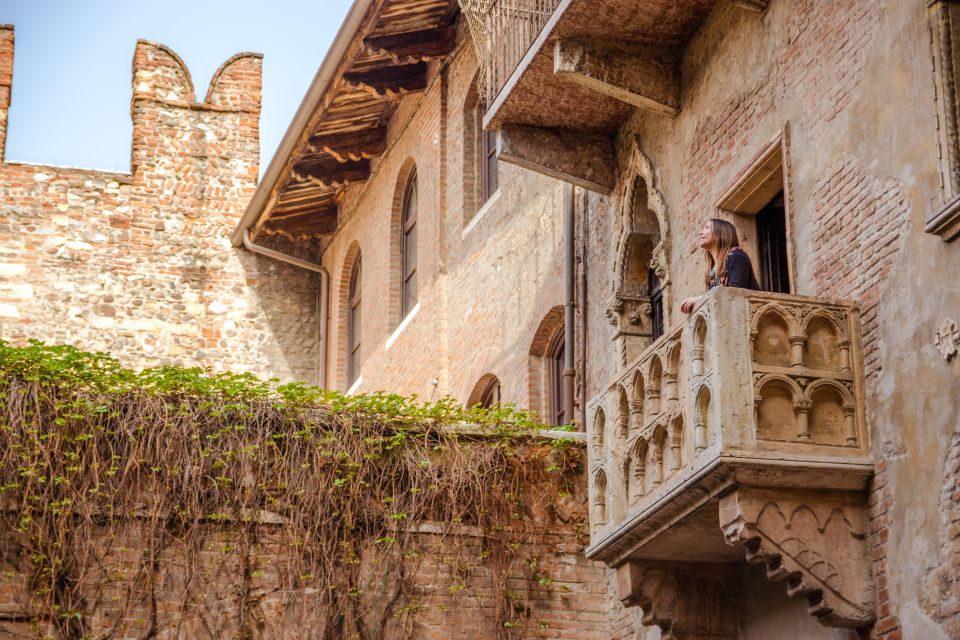
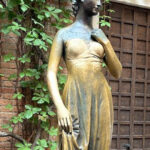
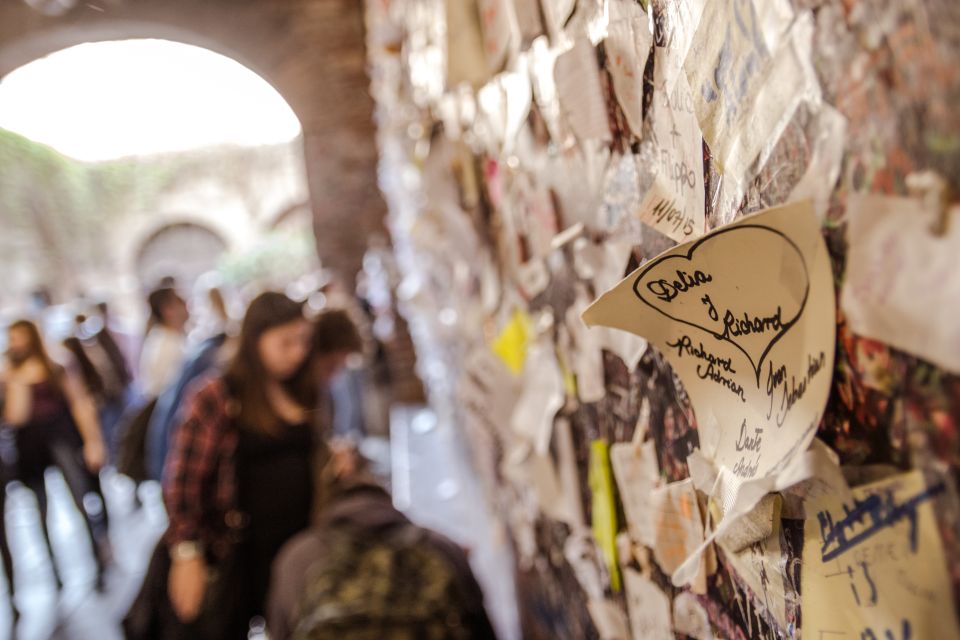
Then you reach the highlight for many people: Juliet’s Balcony and House, known as Casa di Giulietta. The route funnels you into a tiny dead alley, which is exactly what makes it feel oddly intimate for such a global legend.
You’ll have time for a photo stop and guided explanation, and yes—you can pin a love letter to the wall. Even if you don’t think you’re the type to do cheesy tourist rituals, it’s a fun, low-effort way to participate in the story.
This stop also helps you avoid the common Verona mistake: wandering into the famous spot without understanding what you’re looking at. The guide frames it as part of the city’s cultural identity, not just a place to snap and run.
Piazza Bra and the Verona Arena: Pink Marble Plus Opera Season
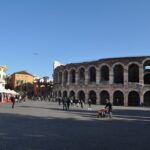
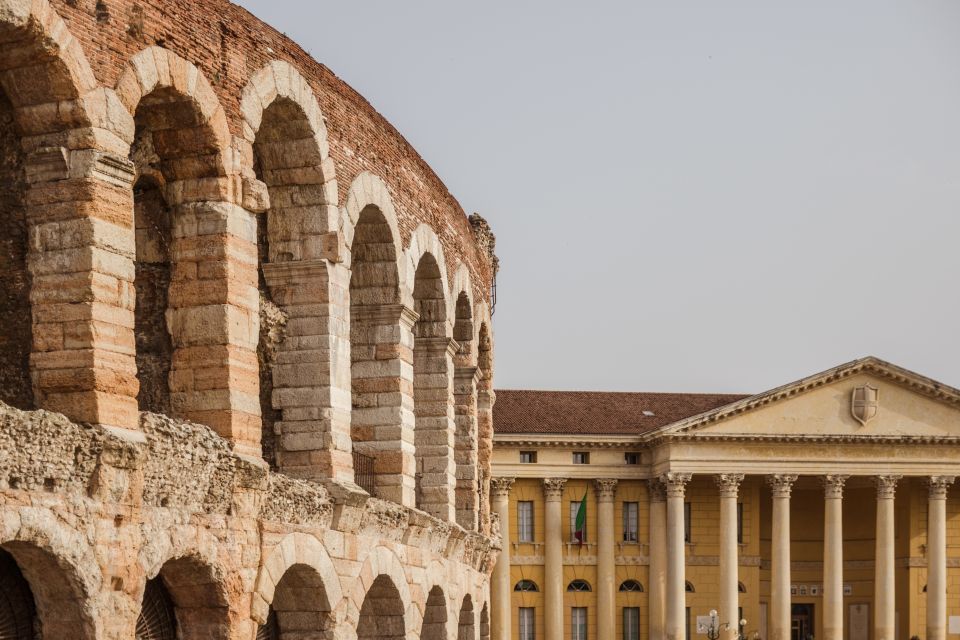
Piazza Bra is where the city opens up around you, and the mood shifts toward grander scale. You’ll get a scenic stretch and a longer viewing segment here, leading directly to the Verona Arena.
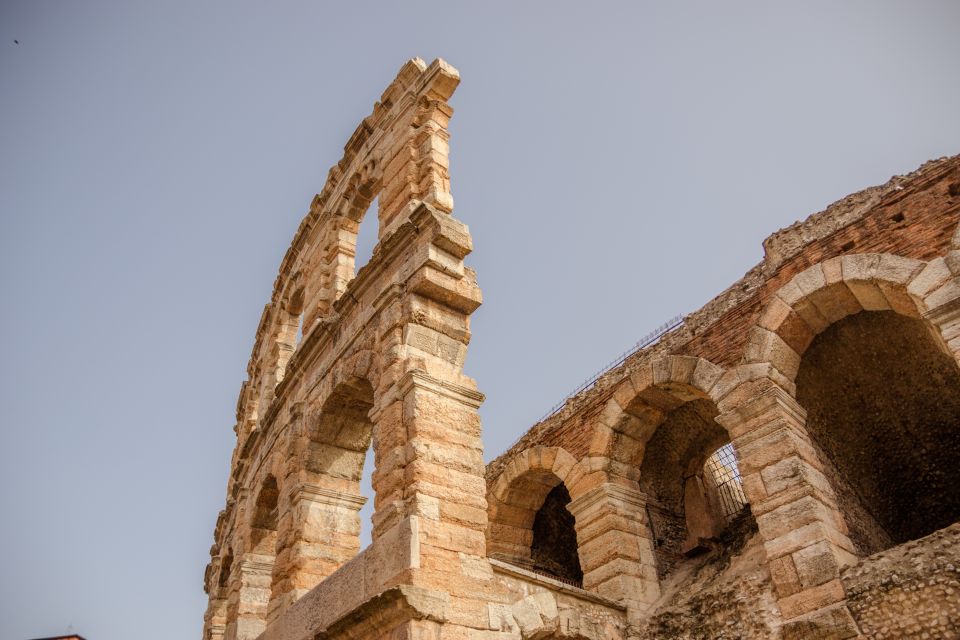
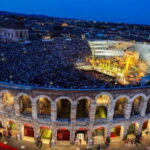
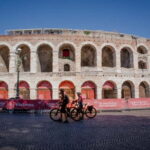
This is one of the best-supported moments in the whole walk: you’ll marvel at the Arena’s pink marble façade, a Roman amphitheater built in 30 AD. It’s considered one of the best-preserved structures of its kind, and it has survived more than 2,000 years—while still thriving today.
The guide also explains how the Arena is the main venue for the summer opera festival. That context turns the stones into something living. You’re not only seeing what’s left from the past; you’re seeing what the city still uses.
If you’re an opera fan, this stop is extra valuable because you’ll know where to focus during the season. If you’re not, it still helps—because it tells you why the building matters beyond photos.
Price and Value: Why $41 for Two Hours Can Make Sense
At $41 per person for a 2-hour guided walk, you’re paying for more than movement—you’re buying context and orientation. Verona is compact, but it’s also layered, and a guide helps you notice patterns you’d likely miss on your own.
This is also where the small-group angle matters. When the group isn’t huge, it’s easier to pause for questions and keep the pace comfortable on narrow streets.
Ways Tours is B Corp certified, which is a nice signal that the company is thinking beyond pure ticket sales. On a practical level, it usually lines up with the kind of organization you want for a short sightseeing window.
Also, the overall experience has been rated very high, with many guests praising the guides’ energy and how much they explain without making it feel like homework.
The Human Factor: What the Best Guides Do Here
A big reason this tour lands well is how guides connect the facts to what you can see right in front of you. In the names that show up often—Maria, Giuliana, Franc, Francesco, Andrea, Isabella, Andrea again, Priscilla, Irene, Benedetta, Graziano, Fabio, and Renee—you can spot a common style: they make the walking story-driven and easy to follow.
Many guests also mention guides who mix humor with solid detail, plus the ability to answer questions on the spot. Some guides even switch smoothly between English and Italian, which helps when you want to ask something specific.
What I’d take from this, as a practical traveler, is that you should come with curiosity. If you ask about why the Arena works for opera today, or how Verona’s squares relate to its power centers, you’ll get more out of the walk.
Practical Considerations Before You Go
This tour runs rain or shine, so wear shoes you trust on uneven pavement and be ready for quick weather shifts.
Monuments are shown from the outside only. That’s ideal if you want quick context and great photo angles, but it’s not a substitute for paid interior tickets.
There are also sensible rules: pets aren’t allowed, and you can’t bring luggage or large bags. Unaccompanied minors aren’t allowed, and underage guests must be accompanied by an adult.
Accessibility is mixed. Some parts may be hard for people with reduced mobility or disabilities, so if that applies to you, it’s worth checking the route specifics with the operator.
Who This Verona Walk Is Best For
You’ll likely love this if you:
- Have a limited time window in Verona and want the key sights tied together
- Like walking routes that help you get your bearings fast
- Want the Verona Arena story with opera-festival context
- Enjoy a mix of Roman, medieval, and literary landmarks in one compact route
If you’re the type who wants deep interior time in major sites, you might find the exterior-only format a bit limiting. In that case, pair this tour with separate timed entries where you want longer stays.
Should You Book This Walk of Verona’s UNESCO Center?
Yes, if your goal is to understand Verona quickly and walk away with a mental map you can use all week. The price is reasonable for the value you get: a licensed guide, a tight route through major landmarks, and that “two big hits in one walk” combo of the Arena and Juliet’s Balcony.
I’d especially recommend it for first-timers in Verona and for anyone who prefers a guided story over wandering. Bring good walking shoes, expect outdoors-only viewing, and you’ll get a clear, enjoyable overview that sets up the rest of your trip well.
FAQ
How long is the Verona small group walking tour?
It lasts 2 hours.
Where does the tour start?
There are two starting location options: Teatro Ristori or Arena di Verona. The exact meeting point may vary depending on the option you book.
Are the monuments included for interior access?
No. This tour allows you to discover the main monuments from the outside.
Can I pin a love letter during the tour?
Yes. You can pin a love letter to the wall at Juliet’s Balcony and House (Casa di Giulietta).
Does the tour run in bad weather?
Yes. It runs rain or shine.
What languages are offered?
The live guide speaks English and Italian.
Is it suitable for children and families?
Yes, it’s suitable for children and families, but underage guests must be accompanied by an adult.
Are pets or luggage allowed?
Pets are not allowed. Luggage or large bags are also not allowed.
Is there a minimum number of participants?
Yes. The tour is guaranteed with a minimum number of 2 participants.
What’s the cancellation and payment flexibility?
You can cancel up to 24 hours in advance for a full refund. You can also reserve now and pay later.