REVIEW · VERONA
Lazise: Historical Center Wine Tasting Tour
Book on GetYourGuide →Operated by CittàdiLazise · Bookable on GetYourGuide
Wine in an old cellar, right in town. This Lazise tasting at the ZF4 Cellar mixes 6 Garda wines with in-house Garda olive oil and easy, crowd-pleasing food. I like that the pacing is simple and the guide keeps everything grounded in how these wines are actually made.
One consideration: this experience is not set up for vegans, so if that’s a must for you, you’ll want to choose another option in the area.
In This Review
- Key highlights worth your time
- Step into the historic courtyard at ZF4 Cellar
- The tasting lineup: how the pours are organized (and why it helps)
- Pairing that makes sense: cold cuts, cheese, bread, and in-house olive oil
- What you’ll learn: cellar traditions and the philosophy behind each wine
- Duration, group size, and what the $47 buys you
- Lazise at night: who this works for (and who should pass)
- Should you book the Lazise historical center wine tasting?
- FAQ
- How long is the Lazise wine tasting tour?
- How many wines will I taste?
- What wines are included in the tasting?
- What food and drinks are included?
- Is this tour vegan-friendly?
- Is the group small?
- What languages does the live guide speak?
- Is transportation provided to the meeting point?
Key highlights worth your time
- Six wines to taste: white, rosé, Bardolino, then reds Syrah, Così, and Ettore
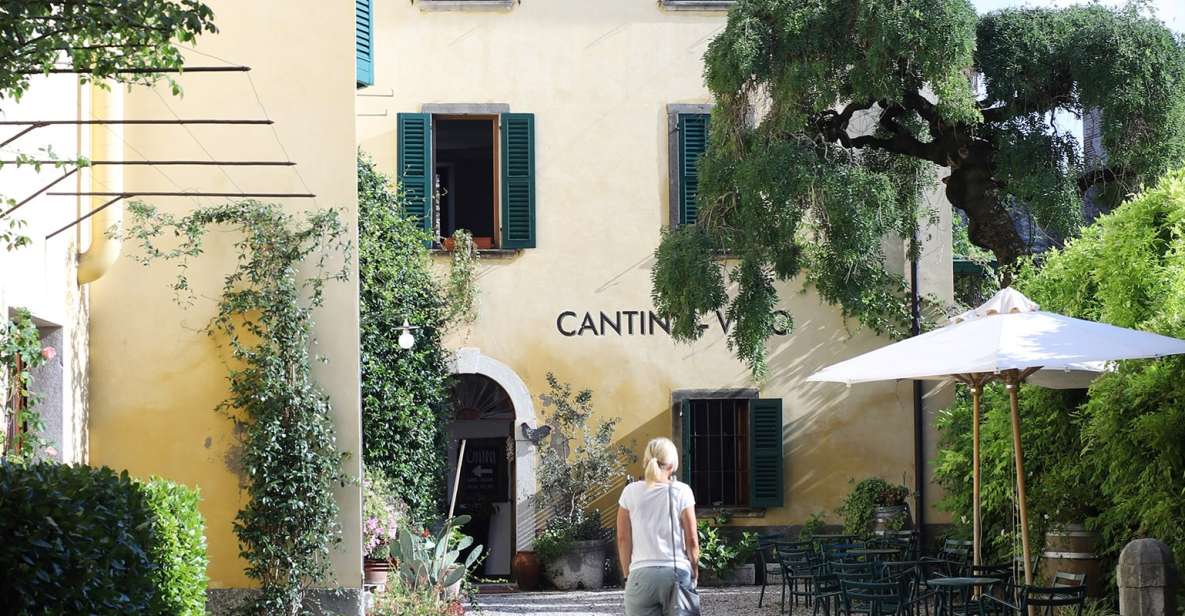
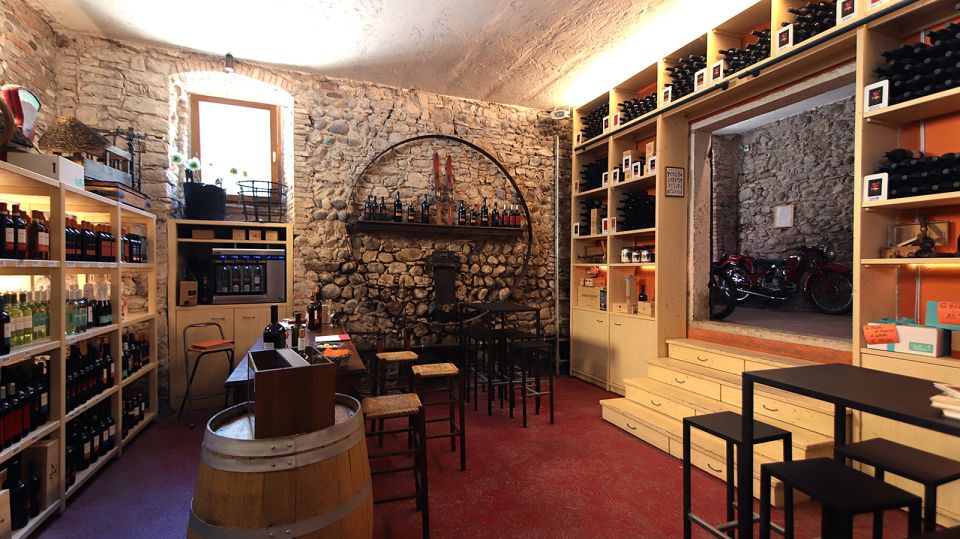
- A cellar tasting in Lazise: in an aged cellar inside a historic courtyard
- Olive oil pairing from the cellar: served alongside cold cuts, cheese, and bread
- Optional grappa: if you want a final small pour
- Small group of up to 10: more time for questions, less rushing
- Skip-the-line entry: so you spend your time tasting, not waiting
Step into the historic courtyard at ZF4 Cellar
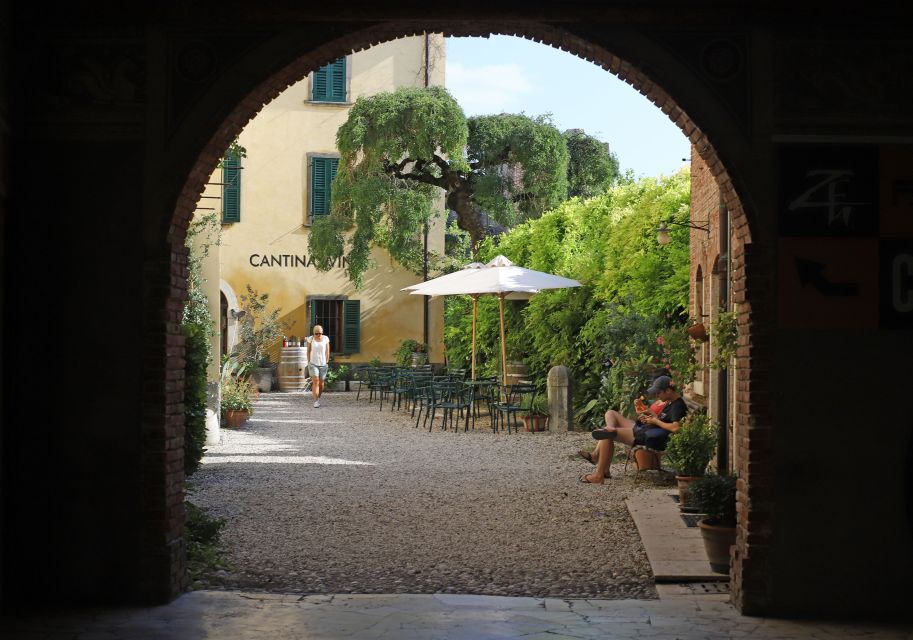
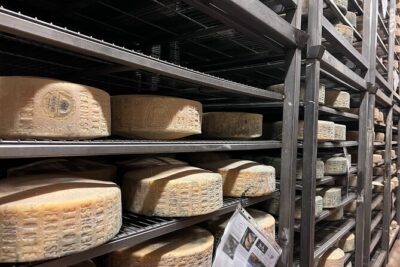
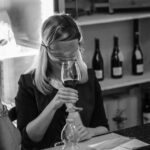
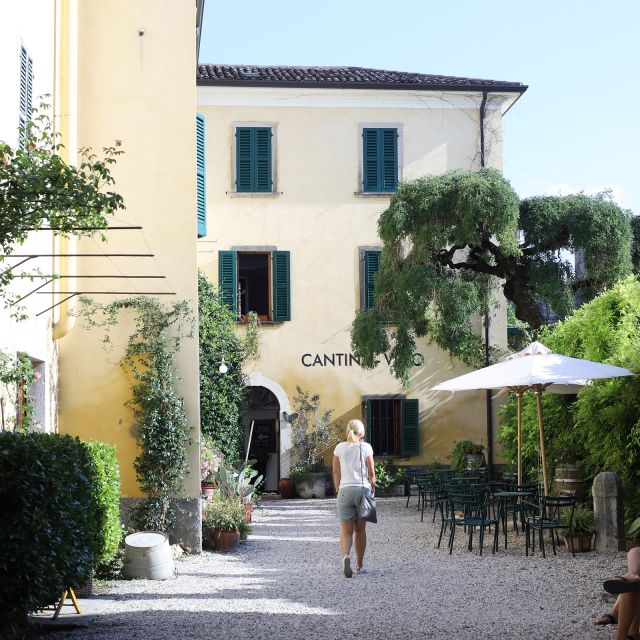
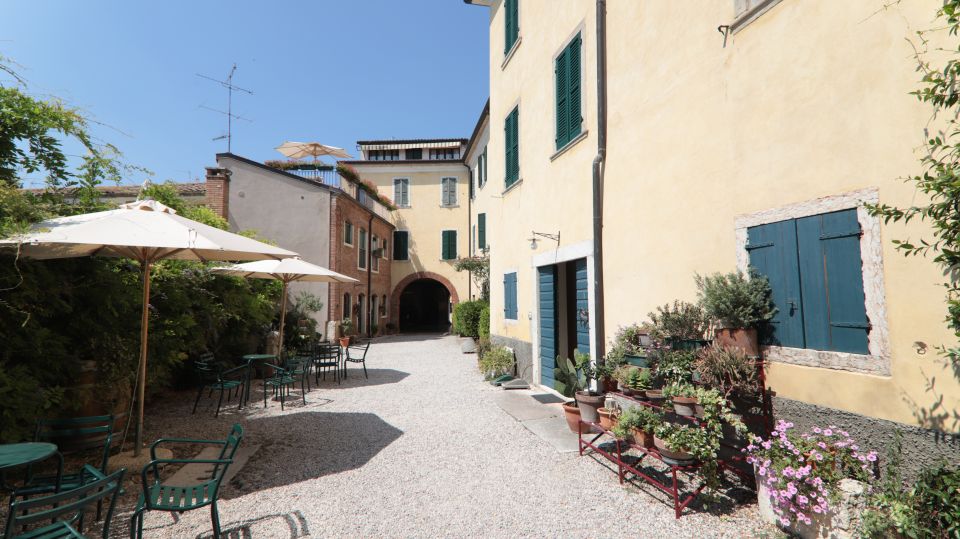
The first thing you notice is the setting. You enter an aged cellar tucked into a recently renovated historic courtyard, and it still keeps hints of its rural past. That matters more than it sounds, because it changes the vibe from formal wine lecture to relaxed, friendly tasting.
You’ll also feel the structure right away. This isn’t just a random pour of whatever is open. The tour is paced around a clear order of tastes, and that helps you actually compare styles instead of leaving with a blur of flavors.
If you’re the type who likes learning without feeling tested, you’ll appreciate how the experience is guided. Live explanations are offered in Italian, English, and German, and the group stays small (limited to 10). In past tastings, the host named Laura has led the evening with warm hospitality, and a sommelière has helped connect the wine details to what you’re tasting.
You can also read our reviews of more tours and experiences in Verona.
The tasting lineup: how the pours are organized (and why it helps)
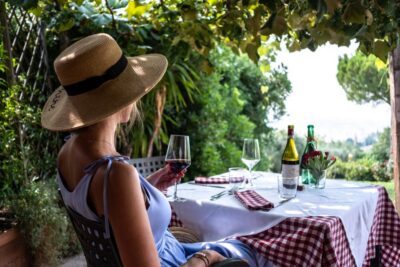
This tasting is built like a mini journey through Garda wines. You start with lighter styles, then gradually move toward the reds.
First stop: fresh white and rosé.
This initial pair is practical. It wakes up your palate and sets a baseline so the richer flavors later feel clearer rather than competing.
Then: Bardolino.
Bardolino comes next, and it’s a good pivot point. It helps you connect the earlier fresh notes to the kind of red character that’s common in this broader area around Lake Garda.
Next come the three red “vintages”: Syrah, Così, and Ettore.
This is where the tasting becomes more memorable. Instead of only tasting familiar crowd favorites, you get a set of three reds—Syrah, Così, and Ettore—so you can compare how different varietals and expressions behave in the glass.
A small, smart tip if you want to learn fast: take a moment between pours to ask yourself what changed. Was it acidity, body, bitterness, or aroma? The order (white/rosé → Bardolino → reds) makes those changes easier to notice.
Pairing that makes sense: cold cuts, cheese, bread, and in-house olive oil
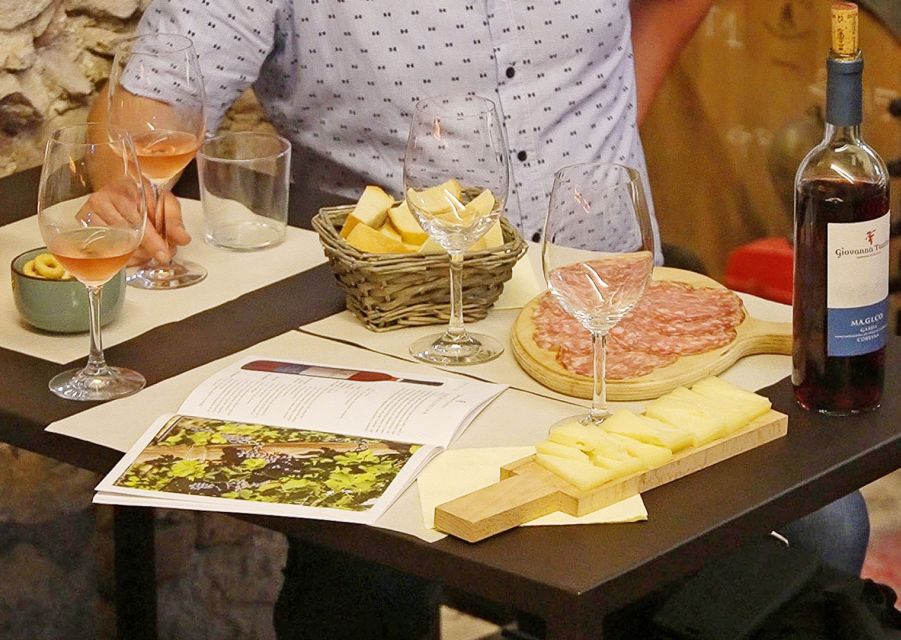
Food here isn’t an afterthought. You’ll get quality cold cuts and cheese plus bread, and the big local connection is the Garda olive oil produced in-house by the winemakers.
That pairing does two things for you:
- It softens the edges of some wines so the flavors feel smoother.
- It gives you a taste of the local food culture, not just wine culture.
You might find the olive oil particularly helpful during the red segment. Olive oil tends to interact well with savory bites, and it can make the wine taste more balanced instead of only heavy on the palate.
There’s also grappa (optional), which is a nice way to round out the session if you enjoy a traditional finish. If you don’t, you can simply focus on the wine and food pairing without needing that final pour.
And if you have dietary needs: food intolerances or dietary restrictions should be communicated in advance. Also note the important limit—no vegan food is offered.
What you’ll learn: cellar traditions and the philosophy behind each wine
Wine tastings can go one of two ways: either you get a fun snack-and-sip, or you get information that actually helps you taste better. This one leans toward the second option.
During your tasting, you’ll learn the history and philosophy behind the cellar’s production. The emphasis is on traditional methods passed down through generations. Even if you’re not a wine expert, this type of storytelling gives you a framework: you start tasting with purpose instead of randomness.
Here’s what I think makes this education feel usable:
- You’re learning while you taste, so the facts stick faster.
- The guide connects the style of each wine to the way it’s made, so you can guess what will likely happen when you try a similar wine later.
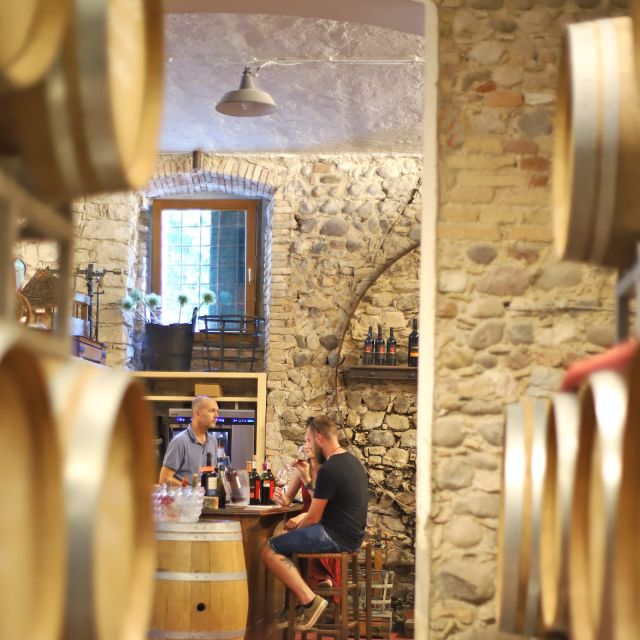
The setting also supports the lesson. When you’re in a historical cellar, the “traditional methods” theme stops being a marketing line and starts feeling like part of the environment.
Duration, group size, and what the $47 buys you
At $47 per person, you’re paying for more than just pours. You get:
- 6 wine tastings
- a food pairing (cold cuts, cheese, bread)
- Garda olive oil included with the bites
- story-led guiding (with live explanations)
- skip-the-line entry privileges
- a session length of about 1.5 hours
That duration is honestly a sweet spot. It’s long enough to taste in sequence (so you can compare), but short enough that you don’t feel trapped in a sit-down class.
The small group size (limited to 10) is also a real value point. With fewer people, you usually get more chances to ask questions and get direct answers. And in a cellar environment, that matters because you’re not shouting over a crowd.
Practical note: private transportation to the meeting point is not included, so you’ll want to plan how you’ll get to Lazise and the cellar area on time.

Lazise at night: who this works for (and who should pass)
This tasting fits best if you like any of these:
- learning the basics of Garda wine without getting overwhelmed
- tasting wines in the context of local food (especially olive oil)
- a relaxed, guided evening in a small setting rather than a loud group event
- asking questions, since the group is capped at 10
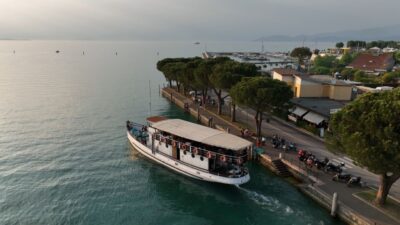
It also pairs well with a day around Lake Garda. Lazise is easy to move through, and an evening cellar tasting gives you something different from lake views and main-street strolling.
Who should pass:
- If you’re vegan, this won’t be a match since vegan food can’t be served.
- If you need a totally silent, self-paced tasting room experience, a live guided format might feel a bit structured.
Good to know: pets are allowed, and the space is wheelchair accessible and suited for people with reduced mobility.
Should you book the Lazise historical center wine tasting?
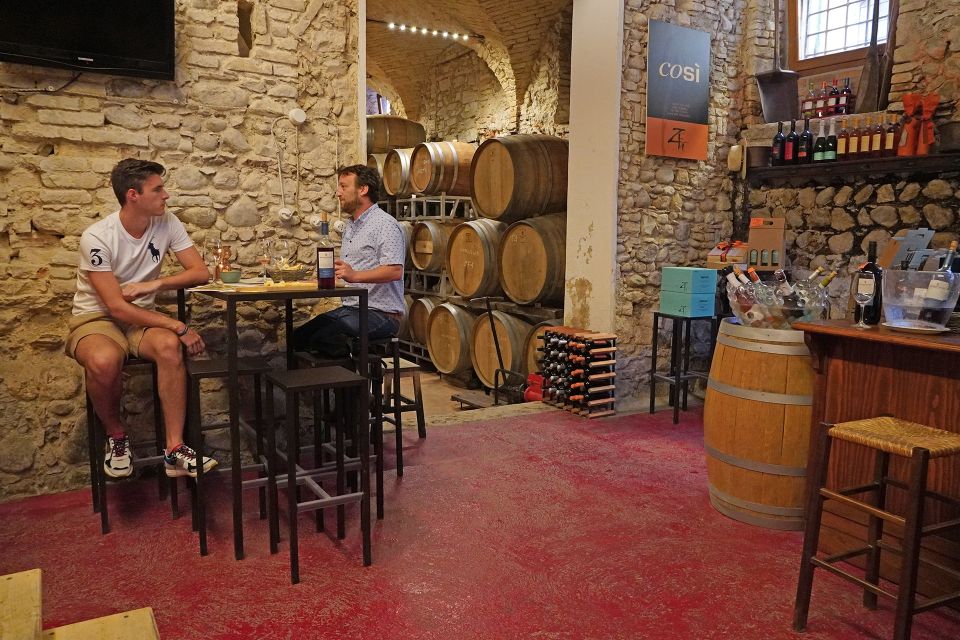
If you want a straightforward evening that combines 6 Garda wines, a real local pairing (including in-house olive oil), and a guide-led story in a small group, I’d book this. It’s priced in a way that feels tied to what you actually get: instruction, pours, and food, all in about 1.5 hours.
Skip it only if vegan options are non-negotiable for your group or if you’re hunting for a very high-end, long-form sommelier-only experience. Otherwise, this is an excellent way to taste Garda wines in the place they come from—inside a cellar that makes the whole thing feel grounded.
FAQ
How long is the Lazise wine tasting tour?
It lasts about 1.5 hours.
How many wines will I taste?
You’ll taste 6 Garda wines.
What wines are included in the tasting?
The tasting includes fresh white and rosé, then Bardolino, followed by red wines: Syrah, Così, and Ettore.
What food and drinks are included?
You’ll get cold cuts, cheese, bread, and Garda olive oil. Grappa is available as an optional extra.
Is this tour vegan-friendly?
No. Vegan food can’t be served on this experience.
Is the group small?
Yes. The tour is limited to a small group of up to 10 participants.
What languages does the live guide speak?
The guide offers explanations in Italian, English, and German.
Is transportation provided to the meeting point?
No. Private transportation to the meeting point is not included.