REVIEW · VERONA
Visit and wine tasting at Tenuta La Cà
Book on Viator →Operated by Tenuta La Cà · Bookable on Viator
A great winery visit should teach you how to see wine. Tenuta La Cà does that by starting in the countryside, then walking you through the cellar before the tasting. I like that the experience is built around soil and terroir, not just pouring wine and moving on.
What I really enjoy is the story-driven walkthrough—life, vines, and why fermentations and wood choices matter—followed by a tasting that feels grounded in what you just learned. The one thing to watch is pacing and expectations: it’s a tight 1.5-hour experience with four wines, and if you want bigger pours or a super quiet vibe every time, it may not match your style.
In This Review
- Key points to know before you go
- A vineyard visit that starts with real ground rules
- Countryside, cellar, barrel room: the actual flow of the tour
- Countryside briefing: vines, soil, and terroir talk
- The cellar story: turning grapes into wine
- Barrel cellar: where “refining” becomes visible
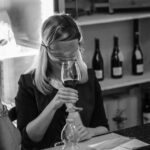
- The tasting: four wines, local bites, and pairing that makes sense
- What you can expect if you don’t drink much
- A note on extra purchases
- Giulia’s teaching style: warm welcome plus clear technical talk
- Price and value: about $46.86 for 1.5 hours
- Getting there from Bardolino: don’t assume a safe walk
- What makes this tour special (and what doesn’t)
- The best-fit reasons
- The possible mismatch
- Who should book Tenuta La Cà
- Should you book? My honest call
- FAQ
- FAQ
- What’s the duration of the Tenuta La Cà wine tasting?
- How many wines will I taste?
- What’s included with the tasting?
- Is the tour offered in English?
- What’s the group size?
- Where does the tour start and end?
- Is there a mobile ticket?
- Can service animals go on the tour?
- Is there free cancellation?
- Do I need to drink wine to enjoy it?
Key points to know before you go
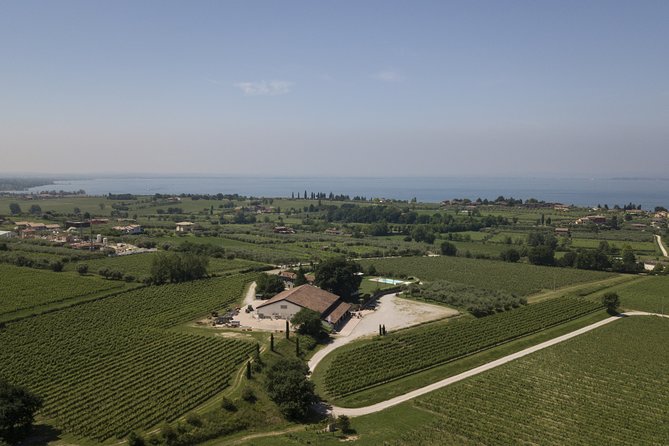
- Vineyard-to-barrel sequence: countryside talk, cellar process, then a barrel-cellar look at refining.
- Tasting is built on learning: you try 4 wines right after the technical explanations.
- Small group size: maximum 20 travelers, which helps keep the Q&A real.
- English is supported: the tour is offered in English, so the science and family stories land clearly.
- Local bites included: Veronese salami, Monte Veronese cheese, and other local specialties pair with the wine.
- Plan on car/taxi access: getting there on foot may be risky, so sort transport ahead of time.
A vineyard visit that starts with real ground rules
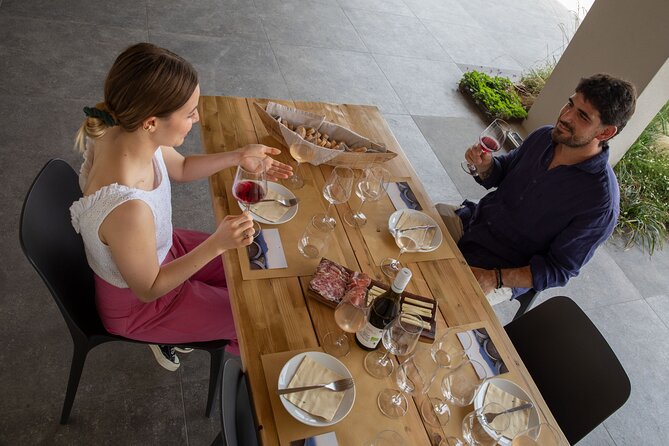
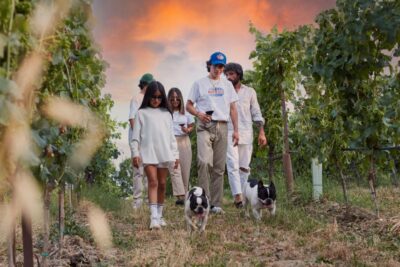
Tenuta La Cà is the kind of place where you don’t begin with a map or a graphic. You start outside, in the countryside, talking about vines the way locals actually think about them: what the land gives you, what the grapes take from the season, and how soil and terroir shape the final glass.
I love this approach because it changes how you taste. Instead of saying, This wine is good, you’re more likely to ask, Why is it tasting this way today? You’ll also pick up the rhythm of the winery’s philosophy before you ever step into the cellar.
And the host matters. In the standout experiences, Giulia leads with a warm, family-run energy, while keeping the explanations clear enough that you don’t need a wine degree to follow along.
You can also read our reviews of more tours and experiences in Verona.
Countryside, cellar, barrel room: the actual flow of the tour
This is a 1.5-hour visit that moves through three main zones, and the order is the point.
Countryside briefing: vines, soil, and terroir talk
First you head out to the countryside to set the stage. This part focuses on daily realities of vine-growing: life in the vineyard, how vines respond to soil, and what terroir means when you’re dealing with real grapes that ripen in a real climate.
Practical takeaway: this is the best moment to ask questions. If something about the flavors in your own bottle experience has puzzled you—why one white feels crisp while another feels round—you’re likely to get direct context here.
The cellar story: turning grapes into wine
Next comes the cellar, where the focus shifts from growing to making. You’ll hear about fermentations and temperatures, plus how the winery thinks about naturalness. They also talk about woods and evolution, which is basically a way of explaining how aging choices influence what you smell and taste later.
This is also where the tour feels most “hands-on in the mind.” Even if you don’t drink much, you’ll get the logic behind the method: what they do, what it’s meant to change, and what you can expect when the wine is finished.
Barrel cellar: where “refining” becomes visible
Then the barrel cellar doors open. This isn’t presented as a dramatic finale—it’s more like seeing the quiet work behind the scenes. You’ll learn how their most precious expressions are refined there, which helps you connect the earlier technical talk with what you’re about to taste.
If you’re the type who likes to understand processes rather than just enjoy the outcome, this segment is a highlight.

The tasting: four wines, local bites, and pairing that makes sense
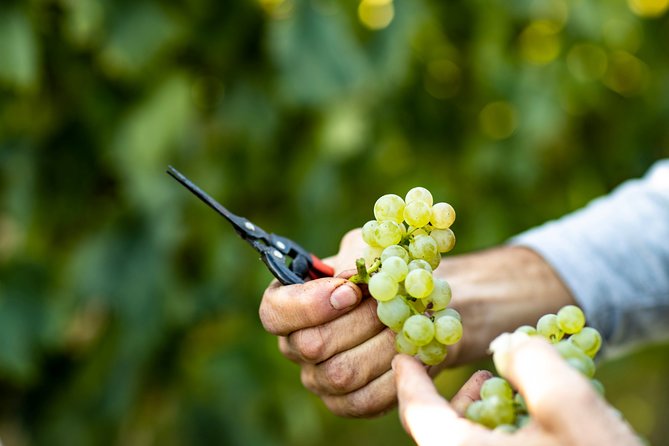
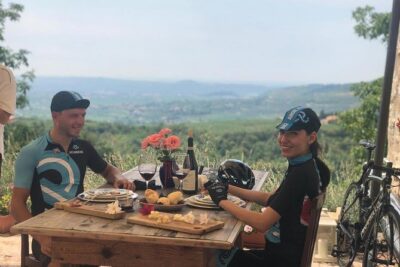
After the walk-through, you taste a selection of 4 wines from their production. Pairing is included, with local specialties served alongside the wines.
Here are the two items listed on the menu:
- Homemade bread with Veronese salami
- Medium-aged Monte Veronese cheese made in the Pre-Alps
Those choices aren’t random. Salami brings salt and savoriness, which can make wine feel more structured. Monte Veronese cheese adds texture and depth, helping you notice how a wine handles aging and evolution.
What you can expect if you don’t drink much
One of the smartest surprises in experiences like this is that wine novices still enjoy it—because you’re learning how to read the wine while tasting, not just drinking it. If you’re with people who only like one style, you’ll still get value from the explanations and the paired bites.
Also, tasting four wines in a focused time window is usually more satisfying than endless samples. You don’t leave feeling confused or oversugested.
A note on extra purchases
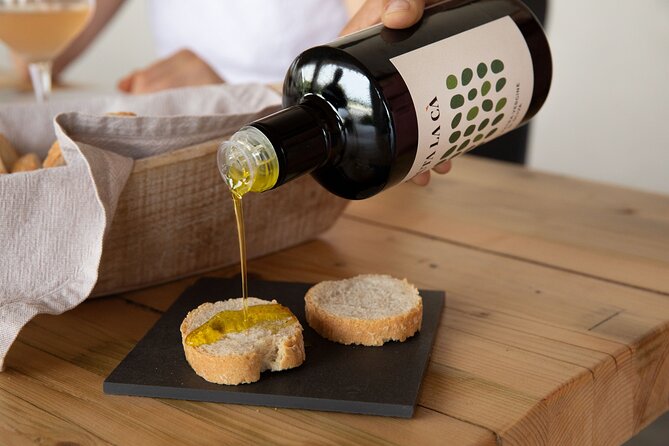
If olive oil is on your radar, plan to try it there and consider taking some home. At least one memorable experience highlighted olive oil as something worth buying.
Giulia’s teaching style: warm welcome plus clear technical talk
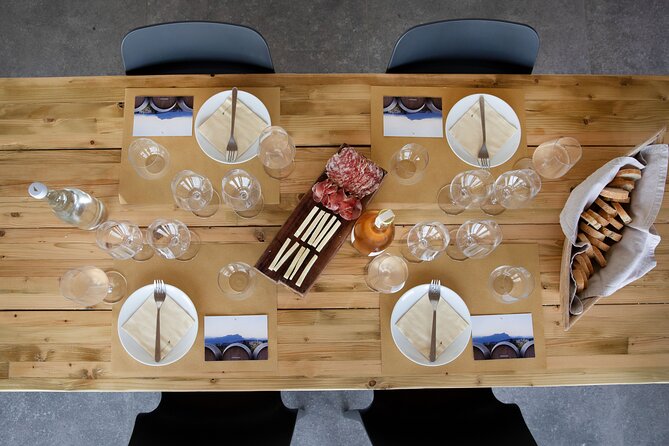
The best wine tours don’t just explain what’s in a glass—they build a mental picture of what you’re tasting.
That’s where Giulia shines. In the most positive experiences, she’s described as welcoming, passionate, and able to connect family stories with the practical work of winemaking. The result is a vibe that feels personal without turning the visit into a lecture.
What stands out is the mix of topics:
- fermentations and temperatures
- naturalness and what that means in practice
- woods and how they affect the final character
- evolution over time and why it matters
You’ll likely leave with at least a few “aha” moments—like understanding that a wine’s flavor isn’t only about the grape variety. It’s also about decisions made during fermentation, aging, and refinement.
Price and value: about $46.86 for 1.5 hours
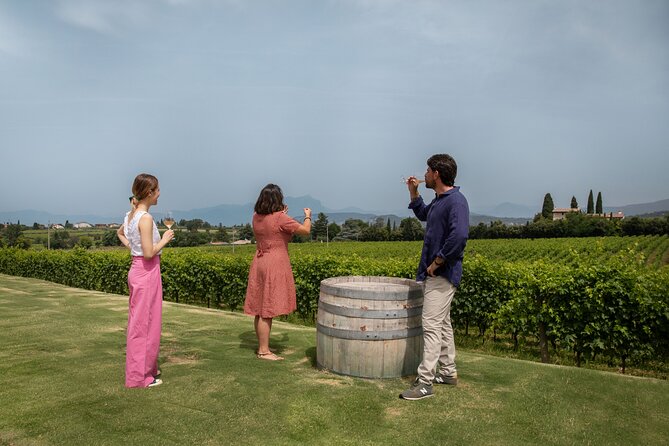
At $46.86 per person, the question isn’t just the total cost. It’s what you get for the money: a guided vineyard-and-cellar experience, a tour of the cellar and barrel cellar, and a tasting of 4 wines paired with local bites.
For many visitors, this feels like fair value because:
- you get more than a tasting room experience
- the learning is part of the product, not an add-on
- the tasting is structured around what you just saw and heard
That said, there is a balance to strike. One experience flagged a weaker value feel due to relatively small quantities and a more structured atmosphere. So I’d frame it like this: if your goal is serious wine education with a curated tasting set, this works well. If your goal is maximum volume for the price, you might want to compare options.
Getting there from Bardolino: don’t assume a safe walk
The meeting point is Str. del Progno, 12, 37011 Bardolino VR, Italy, and the visit ends back there.
Here’s my practical advice: plan on taxi or car if you’re thinking about walking from your lodging. One experience described the walk as risky because there can be no proper pathways and the route can feel dangerous, even if someone claims it’s about a 40-minute walk.
On the other hand, heading back toward Bardolino after the tasting may be more manageable—at least one person found it easy and enjoyed views along the way. The key is this: don’t gamble on it. If you’re not sure, ask your host about the safest way to get back based on where you’re staying.
What makes this tour special (and what doesn’t)
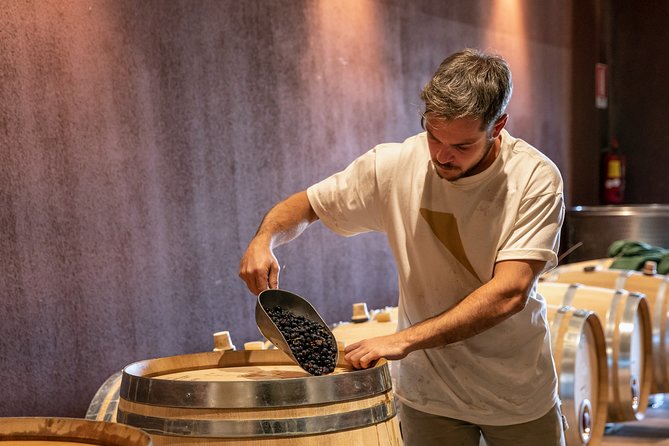
This isn’t just a wine tasting with a pretty view. It’s designed to help you connect place to process.
The best-fit reasons
- You want a small-group visit with space to ask questions (max 20).
- You like tours that explain why choices are made—temperature, wood, fermentation, naturalness.
- You’re interested in learning even if you’re not a heavy drinker.
- You want a friendly, family-run feel led by Giulia.
The possible mismatch
- It’s relatively short (about 1 hour 30 minutes), so it won’t feel like a slow, long lunch experience.
- If you’re sensitive to group dynamics or want a totally unstructured, ultra-relaxed vibe, you might not always get that level of quiet. The max group size helps, but the pace stays “tour paced.”
Who should book Tenuta La Cà
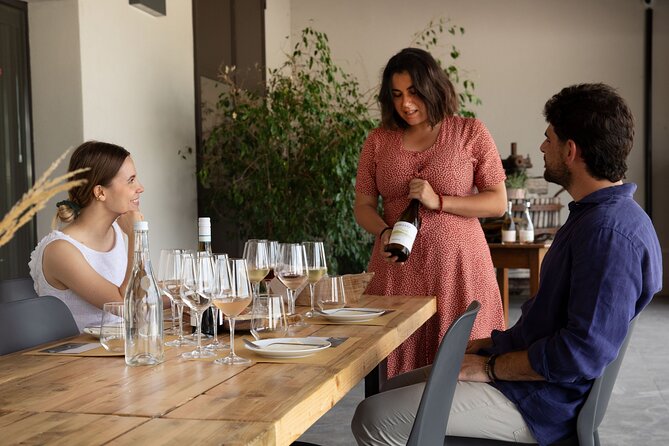
This visit fits you if you’re:
- in Bardolino and want something wine-focused but still educational
- traveling with a mix of wine lovers and non-drinkers (the pairing and explanations can still land)
- the type who enjoys family-run wineries where the host clearly believes in what they do
- looking for a compact tour that doesn’t swallow your whole afternoon
It may be less ideal if you:
- expect a full meal day (the menu lists pairings, not a long sit-down format)
- want large pours and lots of free-flow wine for the price
- prefer quieter experiences with zero chance of group energy
Should you book? My honest call
Yes, I think you should book Tenuta La Cà if you want a well-paced, small-group winery experience that teaches you how to taste by understanding the land and the process. The pairing—especially the Veronese salami and Monte Veronese cheese—makes the tasting feel complete, not like you’re just checking off a winery box.
My only “wait and think” advice: if you’re the kind of person who measures value by sheer volume, or you hate any hint of group atmosphere, compare a couple of nearby tastings and choose the one that matches your style. Otherwise, this is a strong choice for Bardolino wine country: you’ll come away with both flavor and understanding, in about 90 minutes.
FAQ
FAQ
What’s the duration of the Tenuta La Cà wine tasting?
It’s about 1 hour 30 minutes.
How many wines will I taste?
You’ll taste a selection of 4 wines from their production.
What’s included with the tasting?
The tasting is paired with local specialties, including homemade bread with Veronese salami and medium-aged Monte Veronese cheese made in the Pre-Alps.
Is the tour offered in English?
Yes, the experience is offered in English.
What’s the group size?
The tour has a maximum of 20 travelers.
Where does the tour start and end?
It starts at Str. del Progno, 12, 37011 Bardolino VR, Italy, and ends back at the meeting point.
Is there a mobile ticket?
Yes, it’s listed as having a mobile ticket.
Can service animals go on the tour?
Service animals are allowed.
Is there free cancellation?
Yes. You can cancel up to 24 hours in advance for a full refund.
Do I need to drink wine to enjoy it?
Not necessarily. The tour includes explanations and local food pairings, so you may still enjoy it even if you don’t drink much wine.