REVIEW · VERONA
From Verona: Amarone Half-Day Wine Tasting Tour
Book on GetYourGuide →Operated by Pagus Wine Tours® · Bookable on GetYourGuide
Amarone in 3.5 hours feels like magic. This half-day from Verona pairs a visit to San Giorgio di Valpolicella with a focused, small-group tasting where you actually learn what makes Amarone tick. I love the way you get hands-on context for Valpolicella’s wines, including the grape drying process, and I also love the structured cellar tasting with food pairings that help you read the flavors fast.
The main thing to consider: the day is short, so it’s one village stop and one winery session, not a multi-winery marathon. Also, the cellar is kept at a constant 15°C (59°F), so a jacket matters even if Verona feels warm outside.
In This Review
- Key Highlights You’ll Care About
- Leaving Verona for Valpolicella’s Wine Route
- San Giorgio di Valpolicella: A Quick Stop With Big Payoff
- How Amarone and Recioto Get Their Flavor: The Drying Room Moment
- The Vineyard Visit: Where the Story Gets Physical
- Inside the Cellar: Your Flight of Valpolicella Wines
- Food Pairings: Simple, Local, and Actually Useful
- Your Guide and the Small-Group Advantage (Max 8)
- Price and Value: Is $106 Worth It?
- Practical Tips Before You Go
- Who Should Book This Amarone Half-Day Tour
- Final Verdict: Should You Book?
- FAQ
- Where does the tour start?
- How long is the Amarone half-day wine tasting tour?
- Is hotel pickup included?
- What wines do you taste?
- Is the tour rain or shine?
- What should I bring for the tasting?
- How big is the group?
Key Highlights You’ll Care About
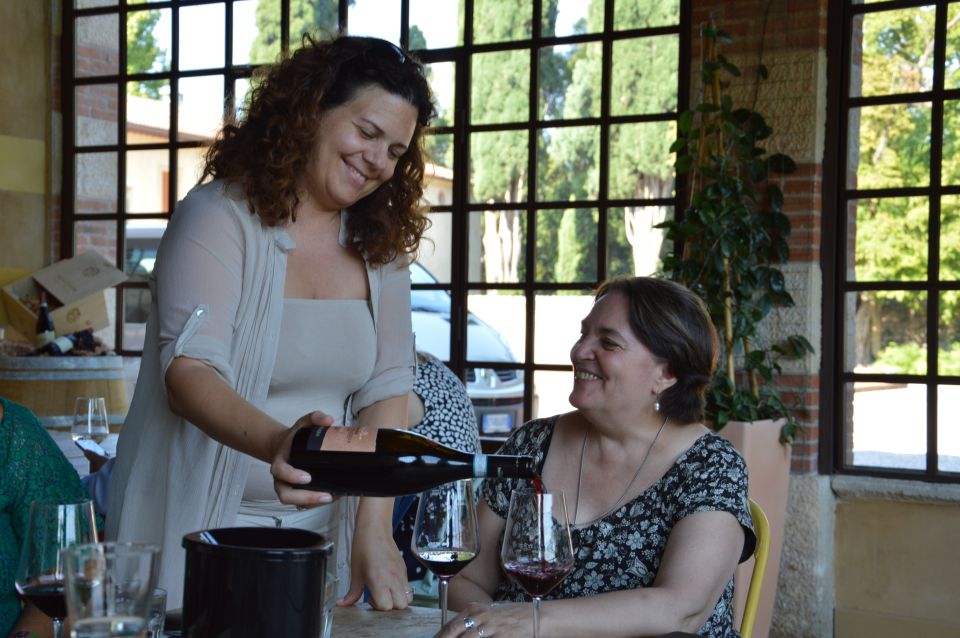
- Small group (max 8) for real questions and a calmer pace through the tasting
- San Giorgio di Valpolicella in 30 minutes: Romanesque church details and high-value viewpoints
- Amarone and Recioto explained the right way: drying grapes, fermentation, and why it’s called a meditation wine
- A cellar flight of at least four wines: Valpolicella, Ripasso, Amarone, and Recioto
- Food pairings that match the wine mood: bread, cheese, and salami (and sometimes more at the winery)
- A vineyard visit with production storytelling plus a quick sniff in the drying room
Leaving Verona for Valpolicella’s Wine Route
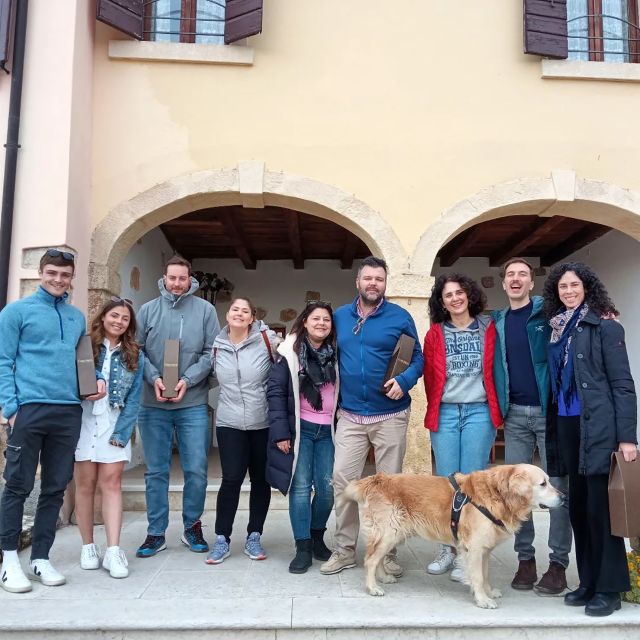
This tour starts at Pagus Wine Tours® in Verona, and then you head out into Valpolicella by air-conditioned van. You’re not stuck waiting around; the goal is to get you into the hills and vineyards while your brain is still fresh and ready for wine explanations.
What I like about the timing here is that you get countryside time without turning the afternoon into a logistics project. The drive takes you along the Valpolicella wine route, where the hills and terraced vines are part of the lesson, not just scenery.
If you’re the type who likes to connect flavors to place, this is a good match. You’ll be tasting Valpolicella wines after seeing the terrain that influences them.
You can also read our reviews of more tours and experiences in Verona.
San Giorgio di Valpolicella: A Quick Stop With Big Payoff
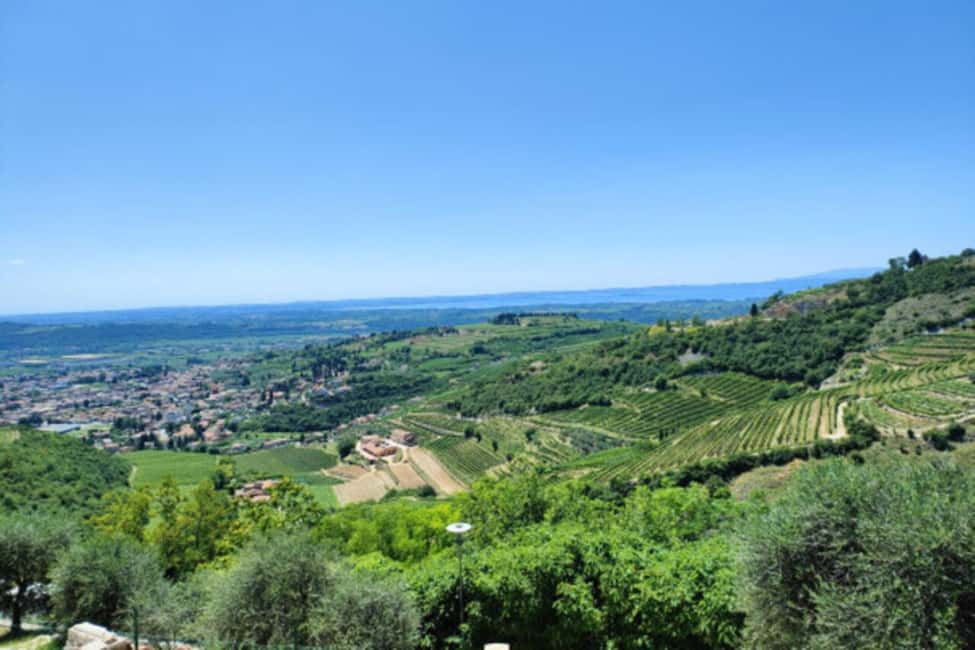
Your first meaningful stop is San Giorgio di Valpolicella, with about 30 minutes on the ground. This is plenty of time to get your bearings and still feel like you did something real beyond a quick photo stop.
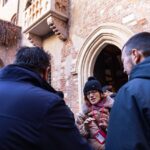
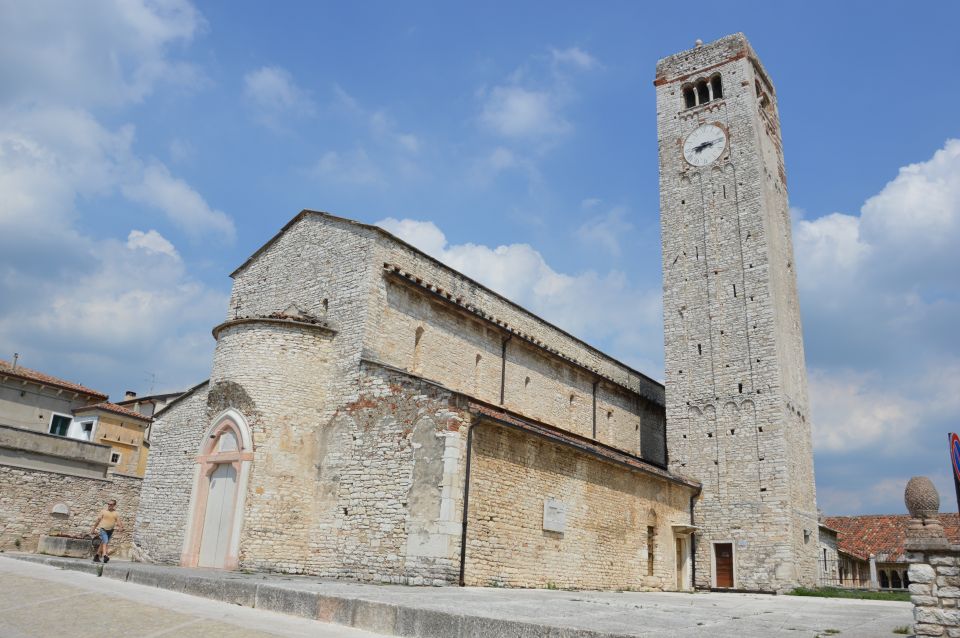
You’ll see the Romanesque parish church and pay attention to the intricate stonemasonry of the columns. Then you’ll get panoramic views over the surrounding area—an easy way to understand why winemaking lives on these hills.
The practical downside: 30 minutes moves fast. If you love slow wandering and long chapel detours, you may wish the village portion had more time. But if you want a smart, efficient cultural “starter course” before wine, the schedule works.
How Amarone and Recioto Get Their Flavor: The Drying Room Moment
At the winery, the focus shifts from place to process. This is where the tour earns its name: you learn the tradition of Amarone and Recioto from a sommelier, with an explanation of the particular Valpolicella grapes and the meticulous production steps.
One of the most memorable parts is the drying process. Amarone is made in a way that turns grapes into something more concentrated and intense—harvesting, then drying, then fermenting with care. You’ll even peek inside a drying room and get a quick sniff, which is honestly one of the fastest ways to understand why the wine tastes the way it does.
If you’re new to these wines, the guide’s job is to translate the jargon into something you can taste. You’ll leave knowing what to look for: warmth, structure, and that slightly “slow-brew” sensation that comes from concentration.
If you’re already a nerd about Amarone, you’ll still appreciate how the tour keeps the story grounded in what the steps do to the wine in your glass.
The Vineyard Visit: Where the Story Gets Physical
Before the tasting, you’ll visit a local Amarone vineyard. This matters because Amarone isn’t just a bottle you drink—it’s a system of growing choices and timing. The guide ties what you’re seeing outdoors to what happens later in the cellar.
In many cases on this kind of tour, the host is hands-on and family-run, and you’ll hear about the winery’s approach in plain language. You might also get quick answers to the kind of questions wine lovers always ask—how they decide when to harvest, why certain grapes behave the way they do, and what makes their Amarone style distinctive.
The pace is realistic. You’re not doing a long hike, but you are getting out where vines and terraces show you what the winemaking relies on.
Inside the Cellar: Your Flight of Valpolicella Wines
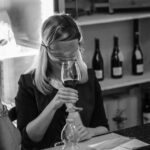
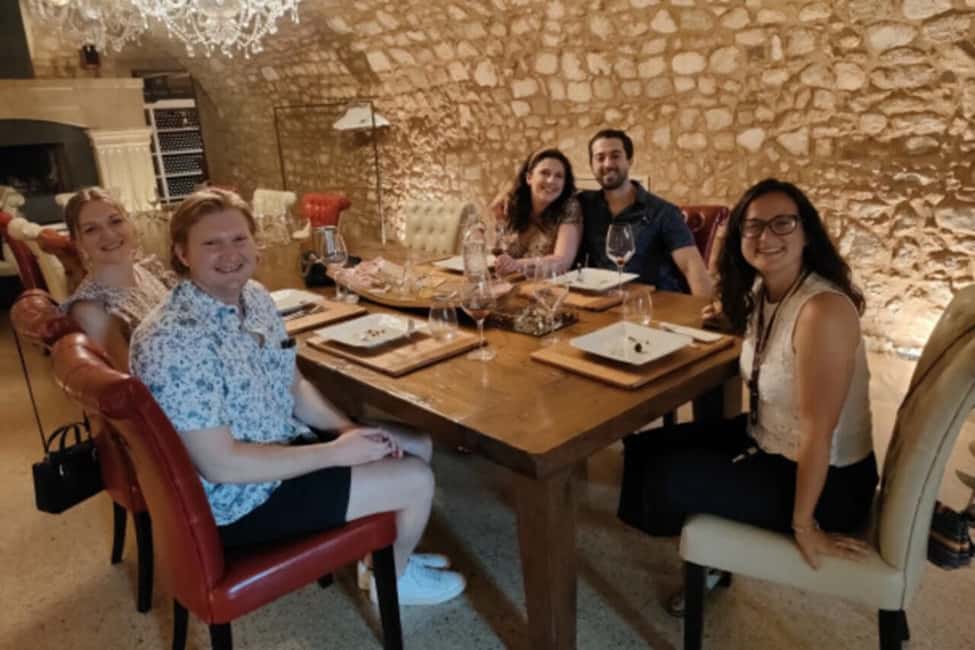
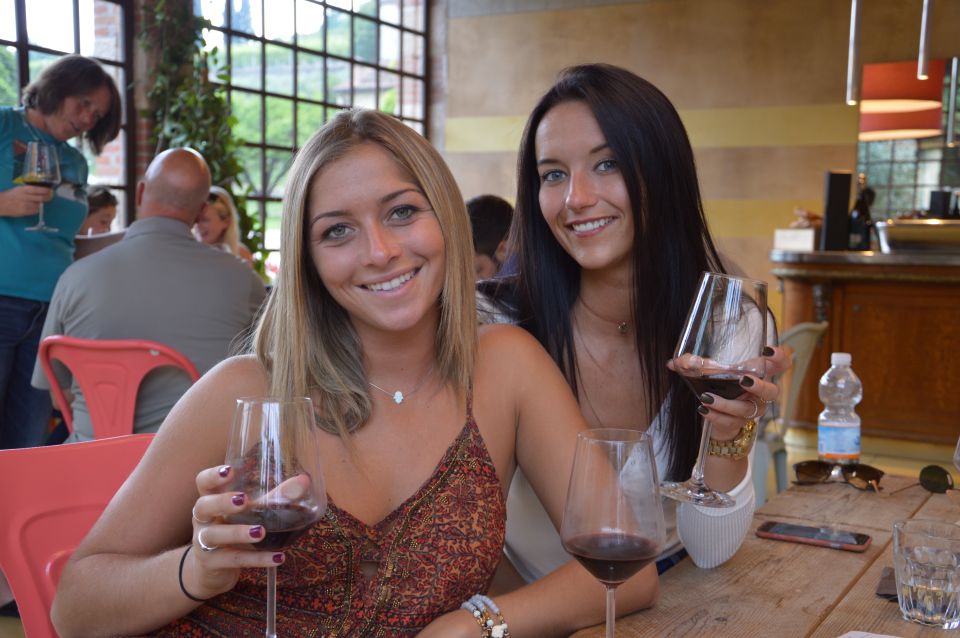
Then comes the part you paid for: the tasting. You head down to the cellar, where the temperature stays constant at 15°C (59°F). That’s cool in multiple senses—especially for your hands and the wine itself—so bring a jacket you can actually keep on.
You’ll taste a flight of at least four Valpolicella wines. Expect the core lineup:
- Valpolicella
- Ripasso
- Amarone
- Recioto
What I like about this lineup is that it gives you a ladder of styles. You can compare how the wines move from brighter, more straightforward profiles (Valpolicella) toward deeper, more concentrated expressions (Amarone and Recioto). Ripasso sits in between, and it helps you understand how technique changes the character of the final glass.
As you taste, you’ll also get bread, cheese, and/or salami matched with the wines. This is not random snacking. Salt and fat help you reset your palate, and bread keeps you steady while you evaluate structure and aroma.
One smart tip: go slow through the flight. If you rush, you’ll end up remembering alcohol warmth instead of flavors. I’d rather take a moment with each pour and then use the food to clarify what changed from one wine to the next.


Food Pairings: Simple, Local, and Actually Useful
The food pairing here is classic and practical: bread plus cheese and/or salami. That’s enough to keep your mouth balanced so you can focus on what the wines are doing.
In feedback from recent guests, some tastings also included additional items like peaches and olive oil, and some winery hosts served more than just four wines. You should still expect at least the four-wine flight, but it’s fair to stay open-minded if your winery pours a little extra.
One consideration: food quality can vary slightly by host. If you’re the kind of person who expects a full meal, think of this as tasting-time food—helpful, not a restaurant dinner.
Your Guide and the Small-Group Advantage (Max 8)
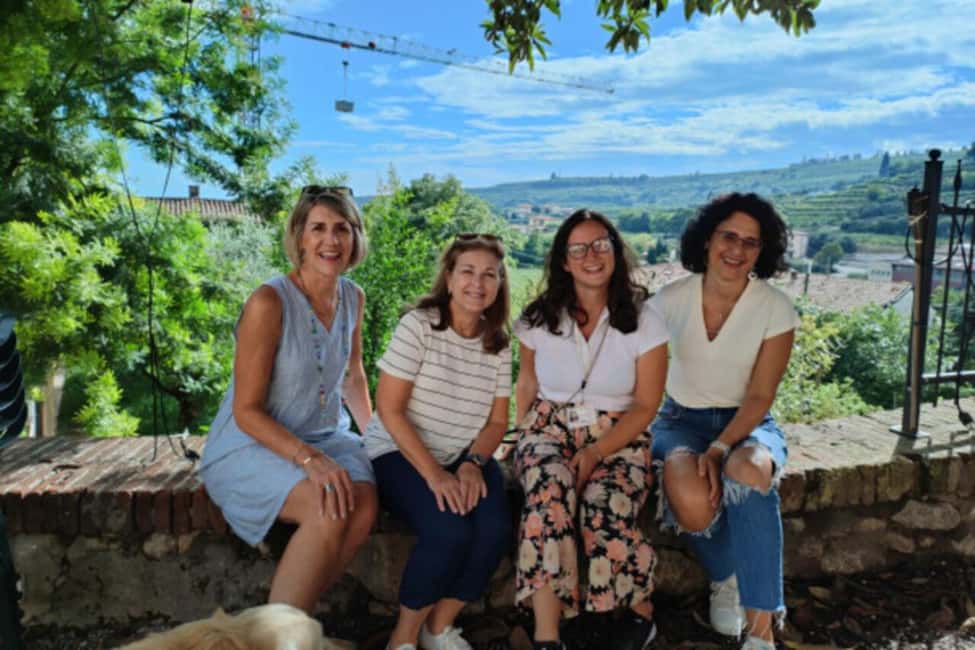
This tour is limited to 8 participants, and you feel that immediately. You get time to ask questions without the guide repeating everything word-for-word for a big bus group.
You’ll have a driver/guide/sommelier combo, and the sommelier role is where the wine education becomes more than just polite commentary. English is the tour language, and guides I’ve seen associated with this experience—like Anna, Michele, Roberto, Alice, and Elisabetta—are repeatedly praised for staying engaging and on-topic.
At the winery, you may meet hosts who explain the winemaking steps directly, and names that come up often include Marco and Emma, with vineyard guide Sofie also mentioned by guests. The common thread: it tends to feel personal, not corporate.
Also, a small group can mean you’re more likely to get the tour at a speed that fits wine lovers. You’ll have a better chance to notice subtle shifts between Valpolicella, Ripasso, Amarone, and Recioto.
Price and Value: Is $106 Worth It?
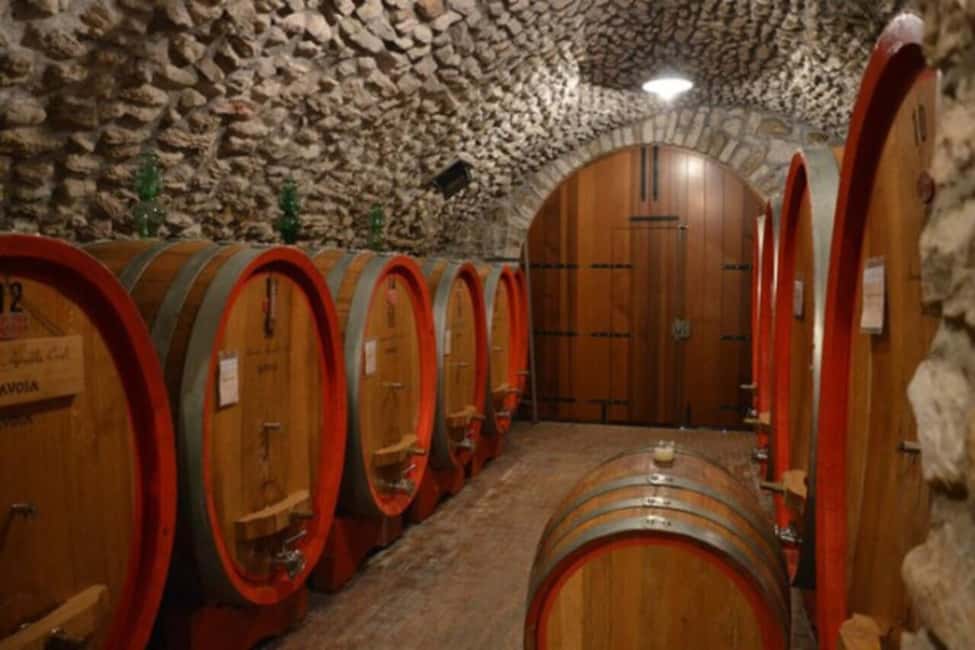
At $106 per person for about 3.5 hours, you’re paying for four things: transportation out of Verona, a guide/sommelier, the village visit, and a tasting with multiple wines plus pairing food.
Is it cheap? No. But it’s not a tourist “tasting for show,” either. You’re getting a structured flight of at least four Valpolicella wines, including the star (Amarone), plus education around drying and fermentation—exactly the stuff that makes this region different from generic wine tours.
Value usually comes down to your intent:
- If you want an Amarone-focused lesson and a guided comparison of styles, this is a strong use of half a day.
- If you want lots of walking, multiple wineries, and a long list of stops, you might feel the schedule is too tight for the price.
And one more note: hotel pickup is not included, so you’ll meet at the Pagus Wine Tours® office. That’s normal for Verona tours, but it can add a bit of planning if you’re staying far from the meeting point.
Practical Tips Before You Go
Bring comfortable shoes. The village stop is short, but you’ll still appreciate footwear for uneven ground around historic areas.
Also pack a jacket. The cellar is kept at 15°C (59°F), and that chill won’t care if you planned to wear summer clothes. This is one of those “small detail, big comfort” things.
The tour runs rain or shine, so wear layers and expect the weather to do its own thing in the hills.
If you’re planning to buy wine, the tasting visit is set up for that. Some guests have shared that they were able to purchase bottles directly from the winery host after the tasting, which is a neat way to take home something you understand.
Who Should Book This Amarone Half-Day Tour
This is best for you if:
- You want a short, well-organized wine experience from Verona
- You’re interested in Valpolicella wines and especially Amarone and Recioto
- You like small groups where guides can answer questions
It may not be your best fit if:
- You use a wheelchair (this tour isn’t suitable for wheelchair users)
- You want more than one winery stop and a longer countryside day
- You dislike cold environments, since the cellar stays at 15°C
Final Verdict: Should You Book?
I think you should book this tour if you want an Amarone-centered tasting that teaches you what you’re drinking, without eating up your whole day. The village stop adds a real sense of place, the vineyard visit ties the wine to the land, and the cellar flight helps you compare styles in a way you can remember.
If you’re a pure collector and only want hours of wine-hunting at multiple wineries, you may wish for a longer itinerary. But for a focused half-day from Verona, this hits the right balance of education, tasting, and countryside time.
FAQ
Where does the tour start?
You meet at the activity provider’s office at Pagus Wine Tours®.
How long is the Amarone half-day wine tasting tour?
The duration is about 3.5 hours.
Is hotel pickup included?
No. Hotel pickup is not included.
What wines do you taste?
You’ll taste at least four Valpolicella wines: Valpolicella, Ripasso, Amarone, and Recioto.
Is the tour rain or shine?
Yes, it runs rain or shine.
What should I bring for the tasting?
Bring comfortable shoes and a jacket. The cellar stays at 15°C (59°F).
How big is the group?
It’s a small group, limited to 8 participants.