REVIEW · LAKE GARDA
From Tignale, Lake Garda: Beginner-Friendly Canyoning Tour
Book on GetYourGuide →Operated by SKYclimber · Bookable on GetYourGuide
Canyons at Lake Garda feel surprisingly close. This beginner-friendly canyoning tour from Tignale takes you into the Gumpenfever canyon for hands-on coaching and quality safety gear, with jumping, sliding, and rappelling built into the fun.
My favorite part is that the adrenaline moments are paced for real first-timers: you try a 5-meter cliff jump, then head down with controlled rappels and a 14-meter natural slide into the water. One consideration is that the walk-in can be the physically hardest segment, especially with wetsuits and hot air.
In This Review
- Key points before you go
- Gumpenfever canyoning from Tignale: the beginner-friendly recipe
- Getting there: that short van ride, then the walk-in
- Safety briefing: where your nerves get handled
- The gear that makes canyoning feel doable
- What the canyon adventure actually includes
- The big adrenaline moments: 5-meter jump and 14-meter slide
- Timing on the clock: what happens during the 3 hours
- Small groups, guide energy, and photo keepsakes
- Fitness and swimming: the real requirements
- What to bring (so you don’t end up miserable)
- Languages and communication
- Price and value: is $104 worth it?
- Should you book this canyoning tour near Tignale?
- FAQ
- How long is the canyoning tour?
- Where do I meet for the tour?
- What’s included in the price?
- Do I need to bring my own wetsuit or helmet?
- What should I bring with me?
- What footwear is allowed?
- Do I need to know how to swim?
- Is this suitable for children?
- Who should not book this tour?
Key points before you go
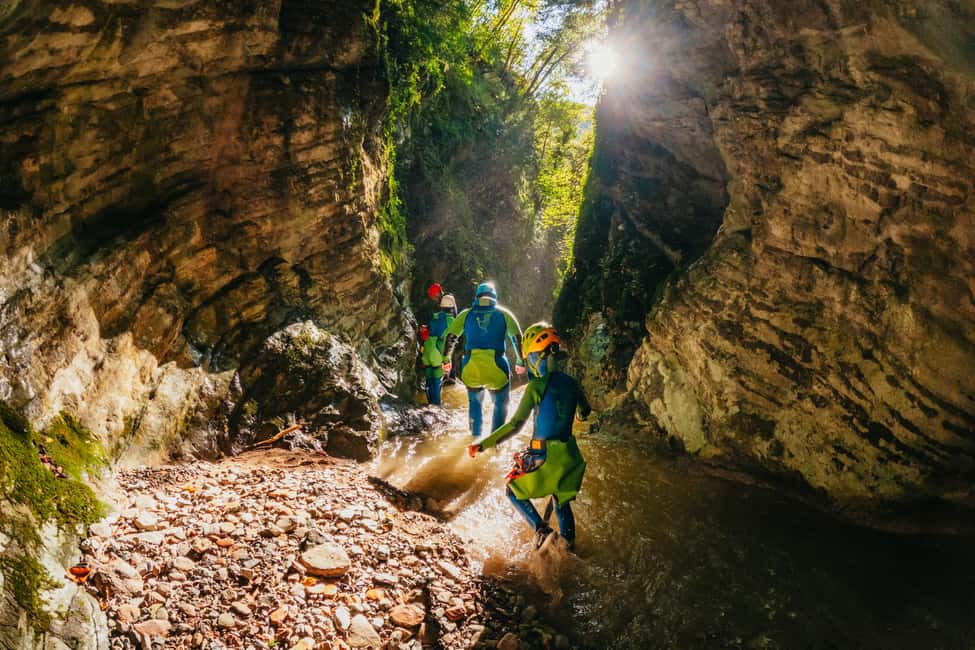
- 5-meter cliff jump + 14-meter natural slide in a single, beginner route
- Safety briefing first, then guided canyon time with hands-on help
- Neoprene suit, helmet, harness, and socks included so you can focus on the canyon
- Small groups or private options, which often helps if you have nerves
- Photos sent after via a downloadable link, so you keep the moments
- Family-friendly in spirit, with guides who adjust to fears and comfort levels
Gumpenfever canyoning from Tignale: the beginner-friendly recipe
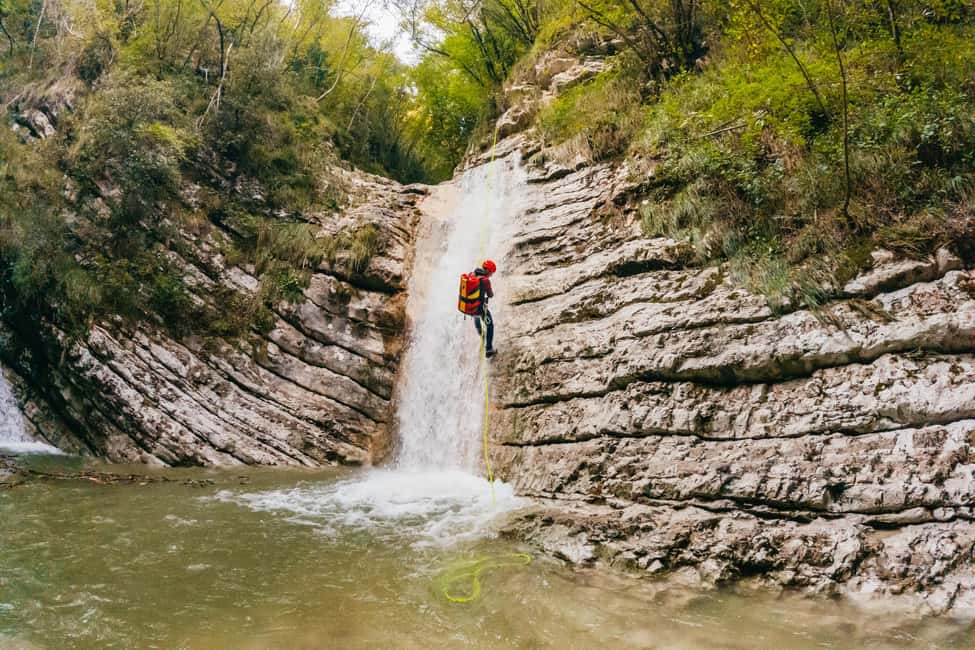
If you’re new to canyoning, the big question is always the same: will it feel scary in the wrong way? This tour is set up to keep things structured and confidence-building. You still get real action, but you’re not thrown into the deep end with zero support.
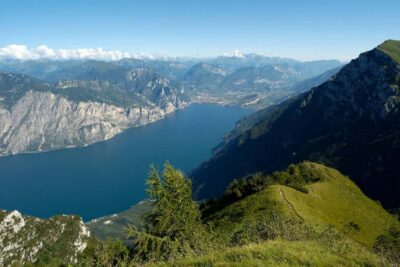
The setting matters too. Gumpenfever is close enough to Lake Garda that you can pair this with a day of sightseeing, but the canyon experience itself feels like you’ve stepped away from busy town life. That change of scenery is a big part of why people rate this so highly, with a steady stream of praise for safety and guide professionalism.
You can also read our reviews of more tours and experiences in Lake Garda.

Getting there: that short van ride, then the walk-in
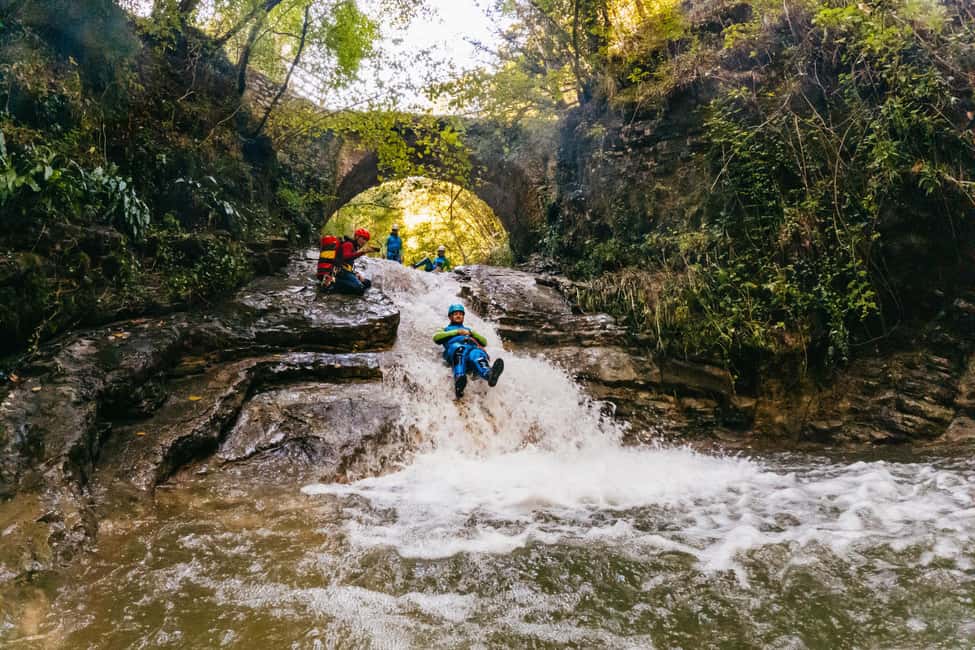
Your day starts at SP38, 28. You’ll park at a spot separated from the road by a short wall and plants, then connect with the operator for the exact GPS details if you need them. There’s also no hotel pickup, so plan on driving yourself and meeting at the parking area.
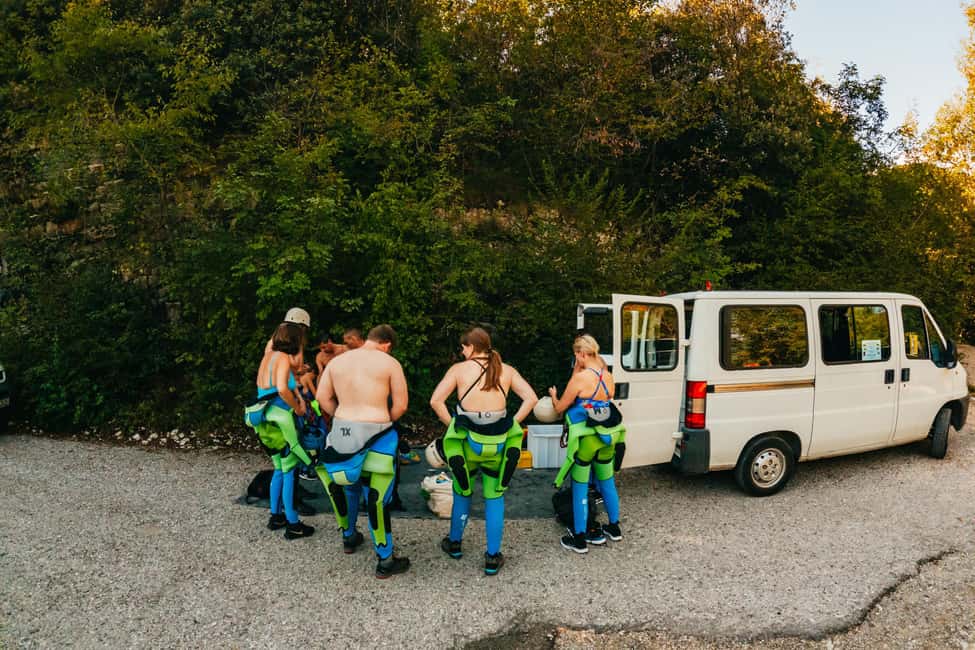
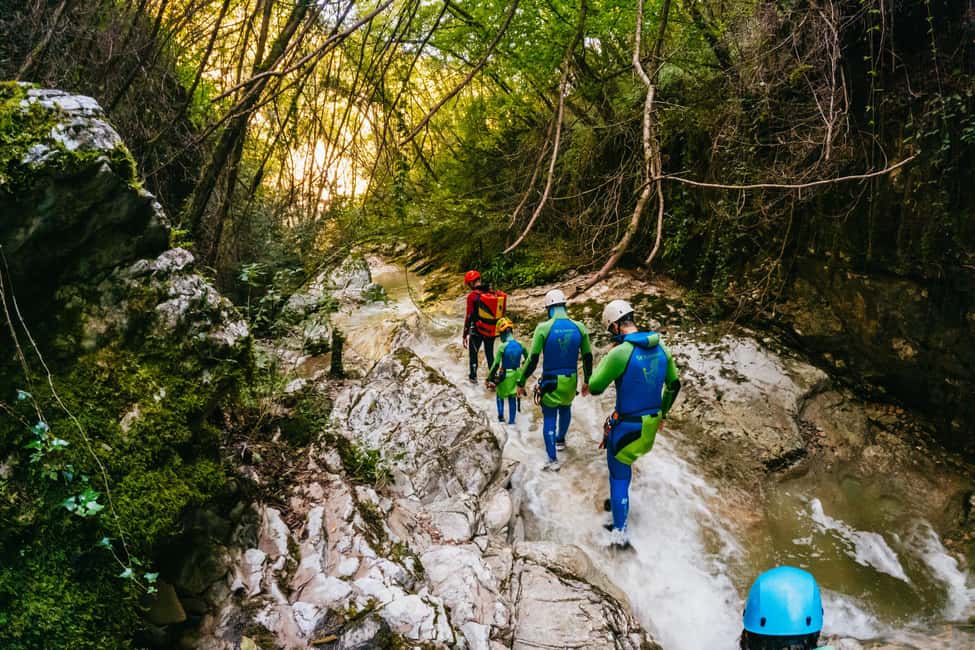
From there, it’s a short van ride (about 8 minutes). After that, you get a 30-minute walk to the canyon area, in wetsuit socks and gear. It’s not the adrenaline part yet, but it’s the part that most people feel. One practical tip from real experience: treat this as your warmup and expect it to be the most demanding segment for your legs, especially in warm weather.
Safety briefing: where your nerves get handled
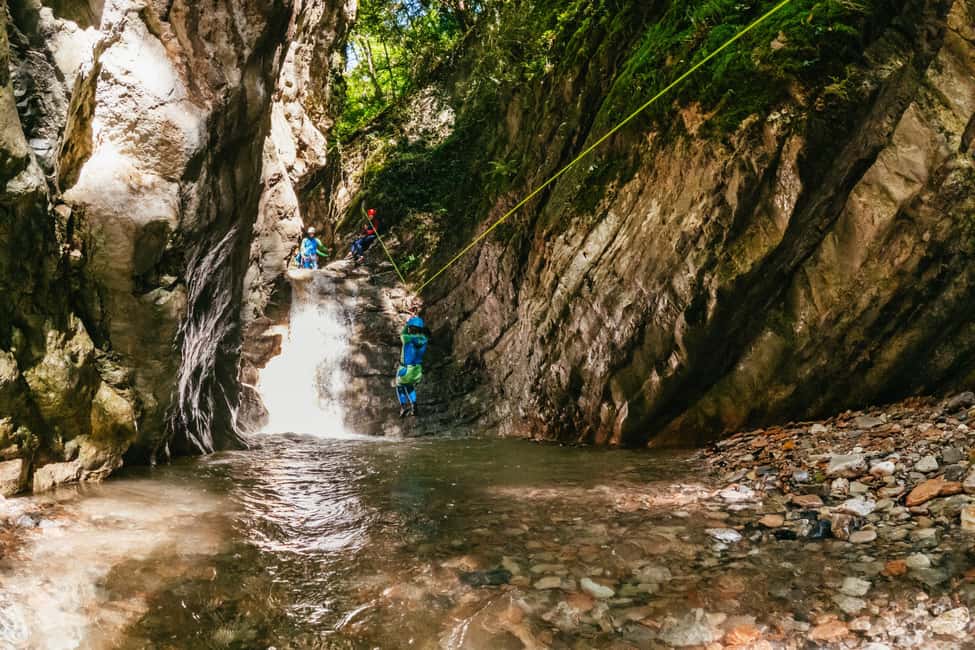
Before you start any jumping or rappelling, there’s a safety briefing (about 20 minutes). This is the moment when you learn the basics that keep the rest of the tour fun instead of stressful. In practice, it means you get guided instructions for how to move, what to do, and how to prepare for water entries.
What I like here is that the tour doesn’t act like safety is a formality. Guides have a reputation for being attentive and keeping comfort front and center. If heights make you uneasy, you can still have a good time, and you’ll likely get extra encouragement and coaching to help you handle the scary-looking parts.
The gear that makes canyoning feel doable
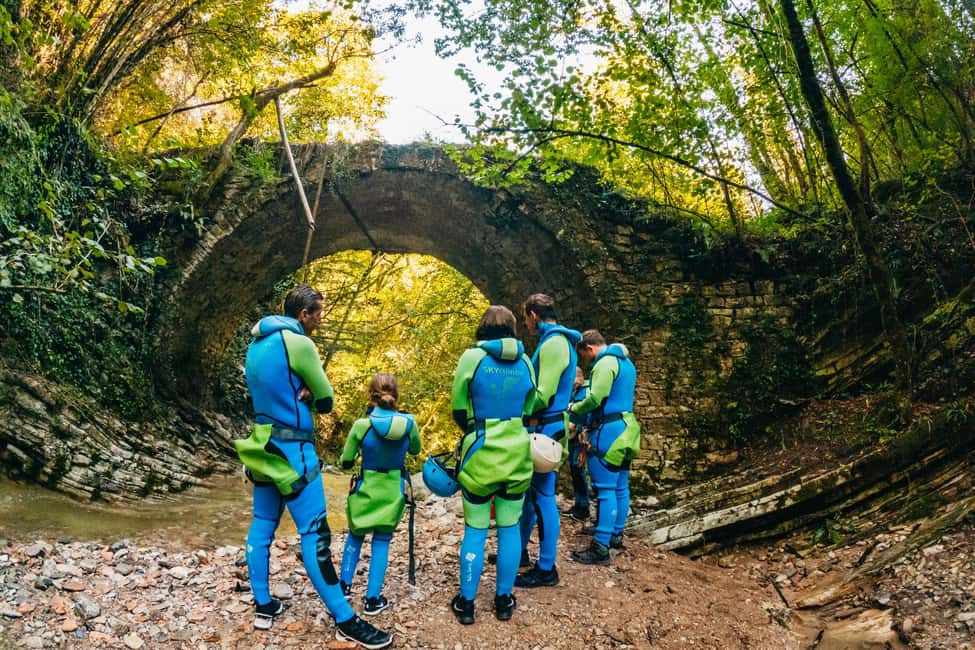
Canyoning is wet, cold-ish, and hands-on. That’s why the included equipment is a big value point, not just a checklist item.
You’ll get:
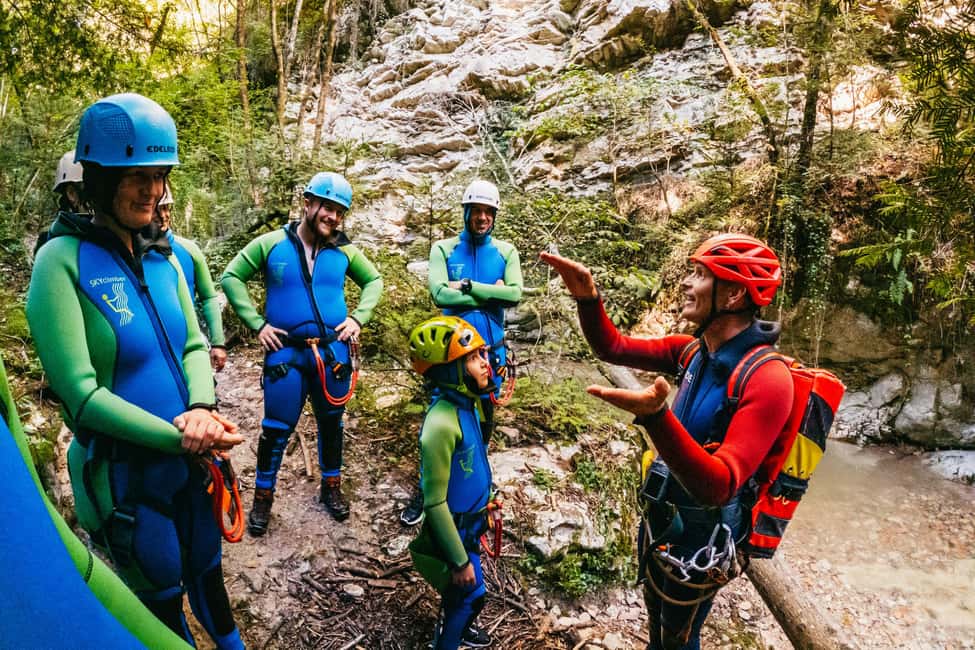
- Neoprene suit and socks to stay warm in the water
- Helmet for head protection
- Harness for rappelling and secure movement
And you’re not doing this alone. The guide stays with your group and walks you through each step. In several accounts, the “professional and friendly” theme is consistent, including guides like Tomas, David, Yan, and Felix showing up as standout instructors for different groups.
What the canyon adventure actually includes
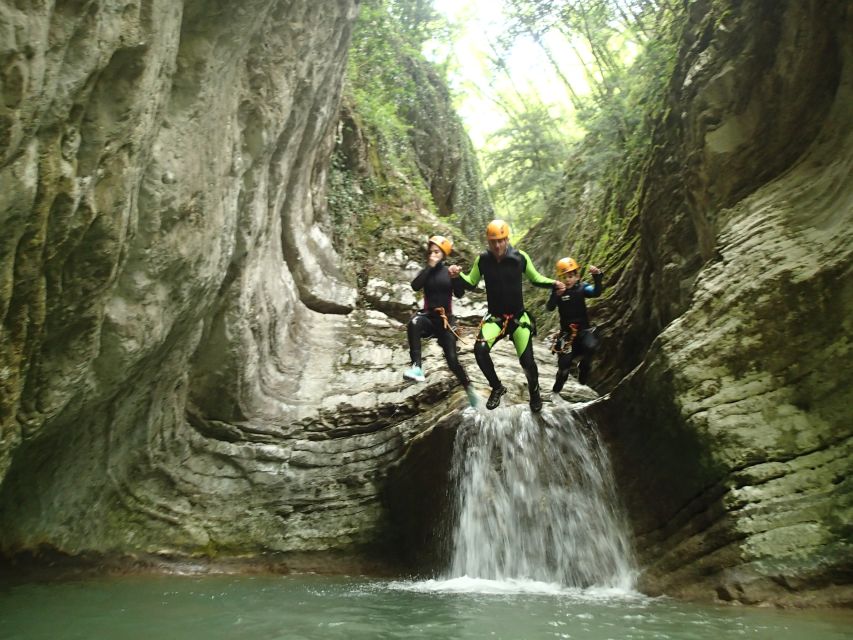
The main canyon time is about 100 minutes of guided activity. This is where you get the signature highlights: jumping, sliding, and controlled descents.
You can expect the typical flow to feel like a series of short challenges rather than one long ordeal:
- Jump opportunities from a height (including a 5-meter drop)
- Rappels down cliff sections with a secure setup
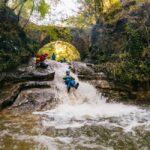
- A 14-meter natural slide back toward the water
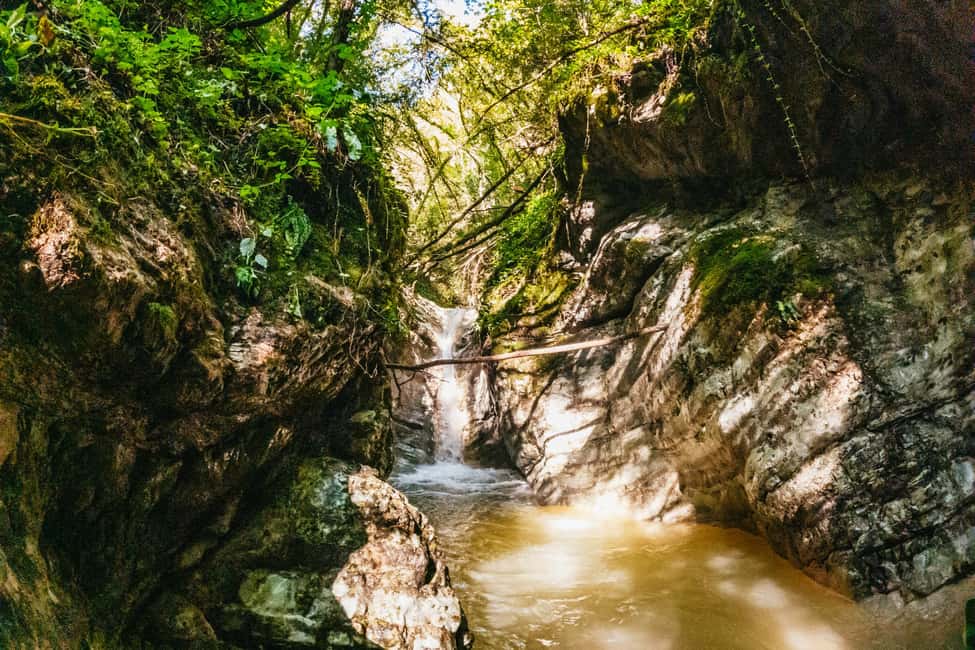
The slide is the moment many people remember most, partly because it feels playful and partly because it’s a clean way to go fast without guessing how to do it. The canyon itself also provides constant visual payoff, so it doesn’t feel like you’re just staring at your feet the whole time.


The big adrenaline moments: 5-meter jump and 14-meter slide
This tour’s marketing focuses on the headline moves, and for once, the details match what you’ll actually experience.
The 5-meter cliff jump is the first real “okay, we’re doing this” moment. Even if you’re nervous, you’re not just being pushed off the edge with no preparation. You’ll be coached through how to enter the water safely and how to react once you’re in.
Then comes the 14-meter natural slide, which is all about trusting the canyon. It’s a long enough descent to feel like an event, but it’s natural rock water slide style rather than a trick move you invent on the spot. The end result is that refreshing hit of cold water and that post-slide grin you can’t really fake.
If you’re thinking about whether your skill level matters, this is where the beginner-friendly structure really helps. Guides can adjust pacing and support, including for people who said they didn’t feel confident with swimming.
Timing on the clock: what happens during the 3 hours
Total duration is about 3 hours, but it doesn’t feel like 3 hours of nonstop action. The timing works because it spreads effort and recovery.
A realistic breakdown:
- Meet, gear up, and travel to the canyon zone (van + walk)
- Safety briefing so you know what’s coming
- Guided canyon time (where the jumping and sliding happen)
- A short break (about 15 minutes) to dry off a bit and reset
- Walk back and a final van ride to return to your meeting area
That break is more important than it sounds. Canyoning gear holds water and you’re using muscles you don’t always use on a normal vacation walk. A pause helps you stay calm and enjoy the last parts instead of rushing through them.
Small groups, guide energy, and photo keepsakes
This is rated 4.9 out of 5 and it shows in the repeated themes: guides are friendly, professional, and watchful. Multiple groups mention that instruction was clear and that equipment was solid, which matters a lot when you’re learning movements you’ve never done before.
Another big benefit: you get photos sent by downloadable link after the experience. That’s a smart touch for something like canyoning, because trying to film or photograph while you’re wearing a harness and wetsuit socks is not the plan anyway. You can just live the moment and collect proof later.
The tour also offers private or small groups. If you’re going as a family or as a mixed-age group, a smaller setup can make nerves easier to manage. It also helps the guide tailor pacing to the group rather than racing ahead.
Fitness and swimming: the real requirements
You don’t need to be an athlete, but you do need to be ready.
The tour states:
- Average fitness level and swimming skills are required
- Suitable for age 9 and up
- Not suitable for pregnant women, people with heart problems, wheelchair users, or epilepsy
Two practical notes for your decision:
- The walk-in portion can feel like the hardest part of the day, because it happens while you’re geared up and moving through warm conditions.
- If you’re not a strong swimmer, don’t panic, but take it seriously. There’s an example of a participant who couldn’t swim feeling supported and at ease, which suggests guidance matters. Still, the stated requirement stays the requirement.
What to bring (so you don’t end up miserable)
For canyoning, your “bring list” is really your comfort plan. Pack smart and you’ll enjoy the day instead of thinking about wet clothes and slippery shoes.
Bring:
- Swimwear
- Change of clothes
- Towel
- Closed-toe shoes
Not allowed:
- Sandals or flip-flops
- Open-toed shoes
Tip that makes a difference: bring a dry set of clothes that you’ll actually want to wear after. Canyoning is wet by nature, so plan for the reality of damp gear at the end.
Languages and communication
You’ll have an instructor in German, English, or Italian. Clear communication helps beginners more than people expect, because you’re learning movements while staying calm around water and heights. If you prefer English, you’ll want to check availability for an English-speaking instructor before you book.
Price and value: is $104 worth it?
At $104 per person for a roughly 3-hour experience, the value comes from what’s included. You’re not paying just for access to a canyon. You’re paying for:
- a guide who stays with you through the whole technical part
- full safety gear (helmet, harness)
- wet-warm comfort gear (neoprene suit and socks)
- photos afterward
Also note: hotel pickup and drop-off are not included, so your total cost depends on how you handle transport. If you’re driving from nearby towns, it can feel like a straightforward add-on day. If you’re planning extra taxi time, factor that in.
In plain terms: if you want a beginner canyoning experience with guided safety, gear included, and a real chance at the headline jumps and slide, this price looks fair.
Should you book this canyoning tour near Tignale?
Book it if:
- You’re a beginner who wants structure and step-by-step instruction
- You want a mix of real thrills without jumping into an advanced-only route
- You’re traveling with family or mixed ages and want a guide who can handle different comfort levels
- You’d like canyon scenery away from the busiest Lake Garda towns
Skip it (or choose something gentler) if:
- You have any of the listed medical constraints like epilepsy or heart problems
- You’re uncomfortable with swimming requirements or you can’t meet the average fitness expectation
- You’re expecting a totally relaxed, no-walk outing, because the walk-in is part of the effort
If your biggest fear is heights, don’t assume you’re out of luck. The guides have a track record of helping people handle that moment without turning it into a disaster.
FAQ
How long is the canyoning tour?
It lasts about 3 hours, though the exact start time depends on availability.
Where do I meet for the tour?
You meet at SP38, 28. The parking area is separated from the road by a short wall and plants, and you’ll be able to contact the provider for GPS coordinates and map links.
What’s included in the price?
The tour includes the canyoning experience, a guide, neoprene suit and socks, harness and helmet, and photos sent later via a downloadable link.
Do I need to bring my own wetsuit or helmet?
No. The neoprene suit and socks, plus a helmet and harness, are included.
What should I bring with me?
Bring swimwear, a change of clothes, a towel, and closed-toe shoes.
What footwear is allowed?
Closed-toe shoes are required. Sandals or flip-flops and open-toed shoes are not allowed.
Do I need to know how to swim?
Yes. The tour requires average fitness level and swimming skills.
Is this suitable for children?
The tour is suited for people over age 9.
Who should not book this tour?
It is not suitable for pregnant women, people with heart problems, wheelchair users, or people with epilepsy.