REVIEW · LAKE GARDA
Lake Garda: Garda Hills Wine Tour and Tasting
Book on GetYourGuide →Operated by CittàdiLazise · Bookable on GetYourGuide
Two hours, and my wine education leveled up. On the hills above Lake Garda, this guided stop pairs a walk through the vines with a real peek into how a family estate makes and ages its wines, then finishes with tasting and local food on-site. You also get a guide who keeps things friendly and practical, including English and German.
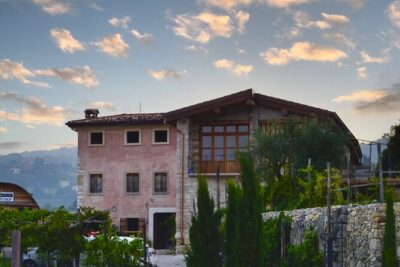
What I liked most: the setting. The approach up to the estate and the vineyard views make it feel like you’ve stepped into a postcard. And I loved the hands-on pacing—vineyard walk, cellar visits, then tasting—so you don’t just sample wine, you learn what you’re tasting along the way.
One thing to keep in mind: it’s only 2 hours, and the vineyard time is more of a guided walk-and-look than a long hike. Also, while the tasting is listed as 4 wines, the exact number can vary by day.
In This Review
- Key things I’d circle before you go
- Lake Garda hills and a family estate that feels personal
- Vineyard walk: learning grape varieties without getting stuck in a classroom
- Two cellars: new production, then the aging rooms
- The tasting lineup: 4 estate wines, local food, and Garda olive oil
- Price and value: does $51 buy enough?
- Who this Lake Garda wine tour suits best (and who should skip)
- Tips to make the most of your 2 hours
- Should you book this Lake Garda Garda Hills wine tour?
- FAQ
- How long is the Lake Garda wine tour and tasting?
- What’s included in the tasting?
- Will I see the vineyards and the cellars?
- What languages is the live guide available in?
- Is the tour wheelchair accessible?
- Are dogs allowed?
- Can I request help with food intolerances or preferences?
- What if I don’t want to drink wine?
- What’s the cancellation policy?
- What’s the price per person?
Key things I’d circle before you go
- Vineyard walk with grape-variety talk on the estate hills of Lake Garda
- Two cellar visits: the newer production space and the aging area
- A structured tasting with the estate’s wines plus pairing bites
- Local food match-ups like cold cuts, cheese, and bruschetta, plus their own olive oil
- A small, flexible experience guided in English or German (and you can choose a young rate if you’re not drinking)
Lake Garda hills and a family estate that feels personal
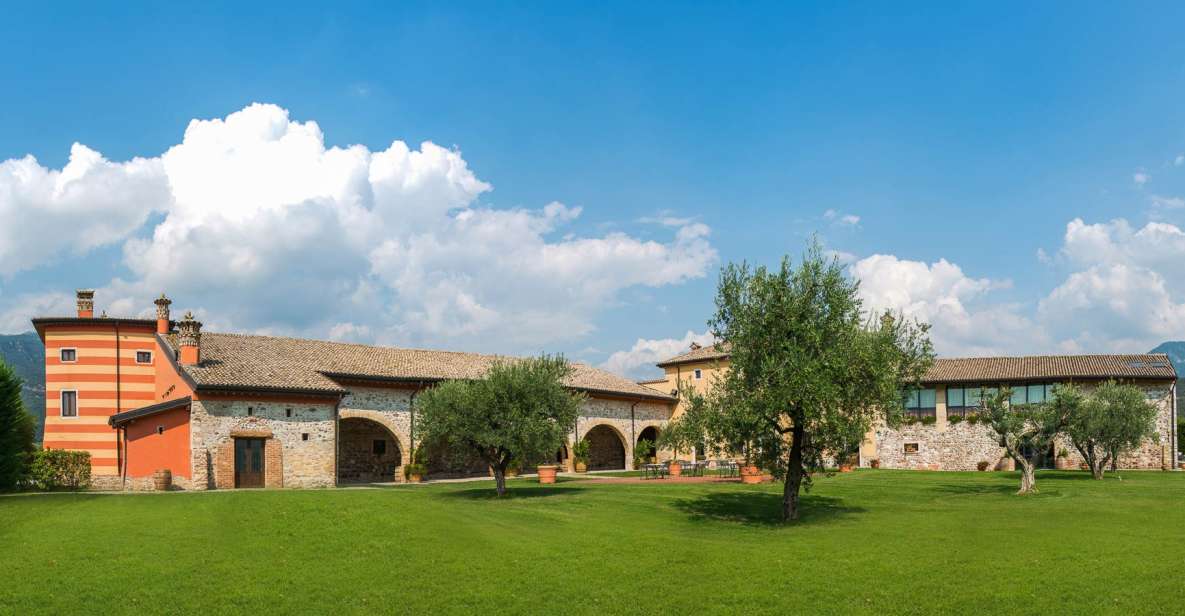
This tour works because it’s set up like a proper visit, not a “checklist parade.” You’re headed to a family-run estate on the hills overlooking Lake Garda, where the vibe is practical hospitality and real attention to quality. The property itself matters. You can feel it as soon as you arrive: the grounds, the vineyards around you, and that quiet hill-country feeling that you don’t get when wine tasting happens in a mall-like tasting room.
At $51 per person for 2 hours, it’s aimed at travelers who want a focused slice of the Lake Garda wine world without spending the whole day driving around. And with a rating of 4.8 from 136 reviews, it clearly lands for most people—especially those who care about the story behind the bottle.
The guide is part of the appeal. One highlight from a German-speaking visit: Enrico was described as very friendly, and he made even the short time feel worthwhile. That matters, because this experience isn’t just scenery. It’s the explanations—about grape varieties, cultivation choices, and what happens in the cellar—that turn tasting into something you remember.
You can also read our reviews of more tours and experiences in Lake Garda.
Vineyard walk: learning grape varieties without getting stuck in a classroom
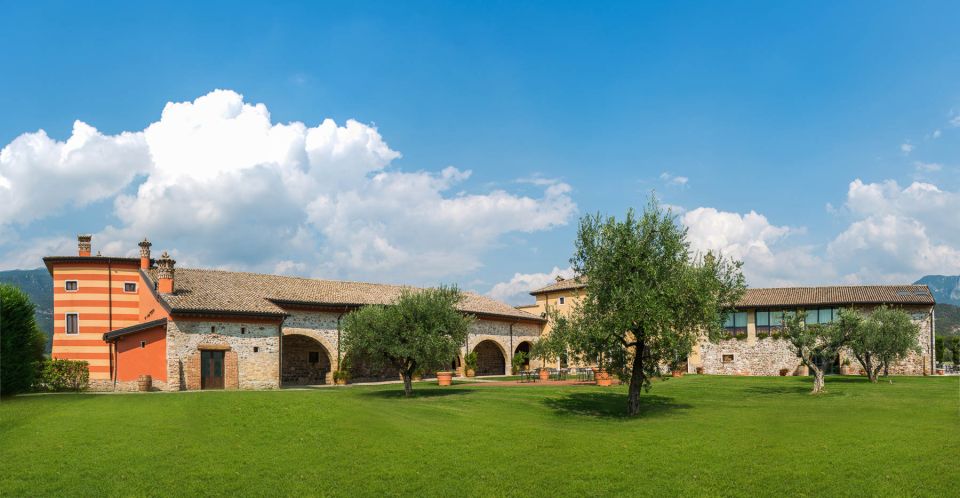
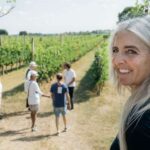
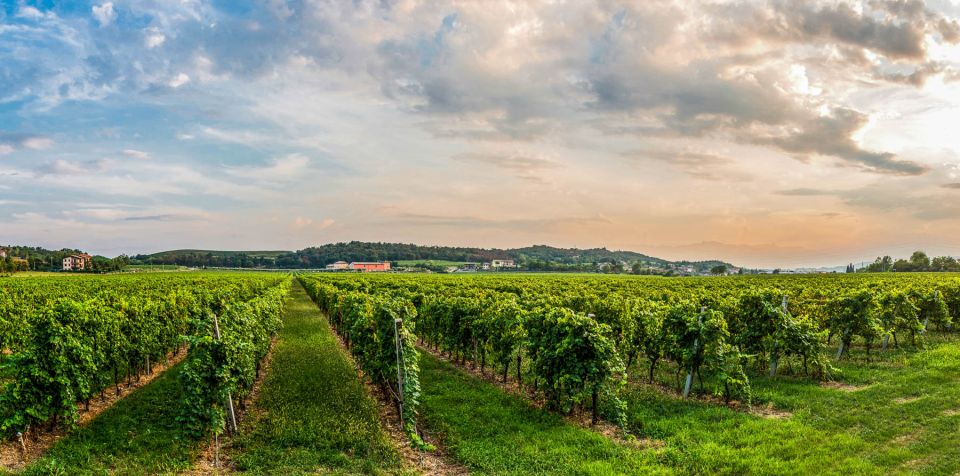
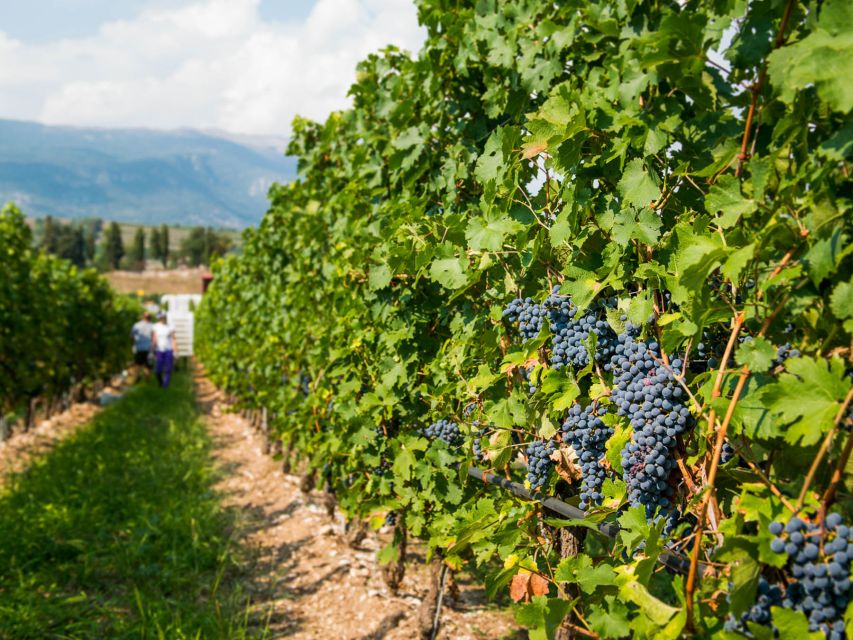
Your tour starts with the vineyard area around the estate. This is where you get the “why” behind the wine. You’ll walk among the vines and learn about the different grape varieties grown on the hills of Lake Garda, plus how they’re cultivated with care and attention.
Here’s why that’s valuable for you: Lake Garda is scenic, but it can be hard to connect the views to what’s actually happening in the vineyard. A short, guided stroll helps you connect the dots. You’ll be able to taste later with context—when a wine is described as lighter, fruit-forward, or more structured, you’ll have something to anchor it to from earlier in the walk.
Also, you’re not stuck outdoors for hours. The time is compact. That’s good if you prefer a moderate walk, but it’s not ideal if you want a long hiking-style vineyard trek. Think of it as guided exposure: you get the key points, then you move into the cellars.
Practical note: wear comfortable shoes. Even though it’s described as a walk through vineyards, hills and uneven ground come with the territory.
Two cellars: new production, then the aging rooms
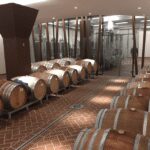
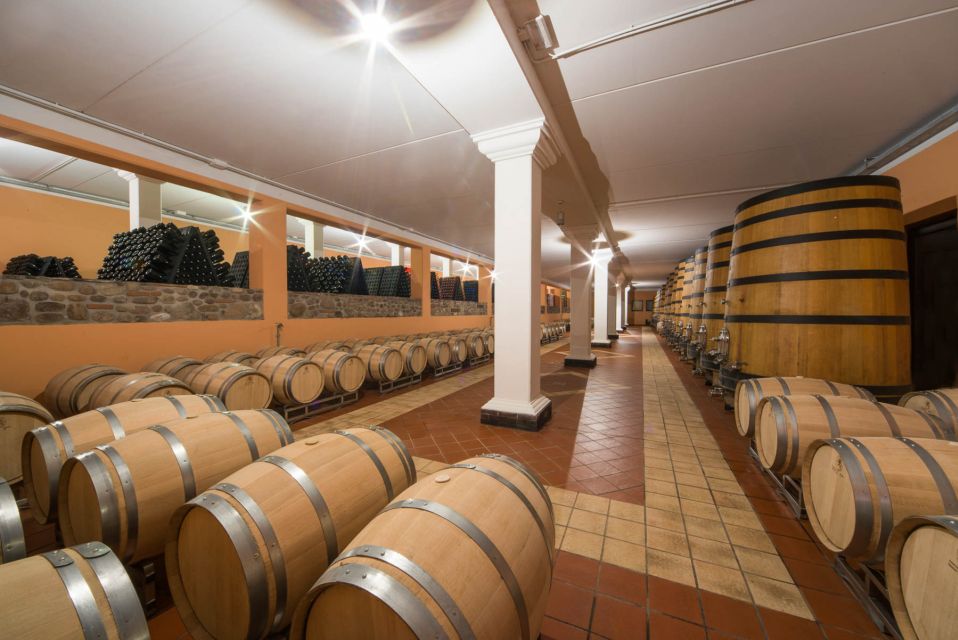
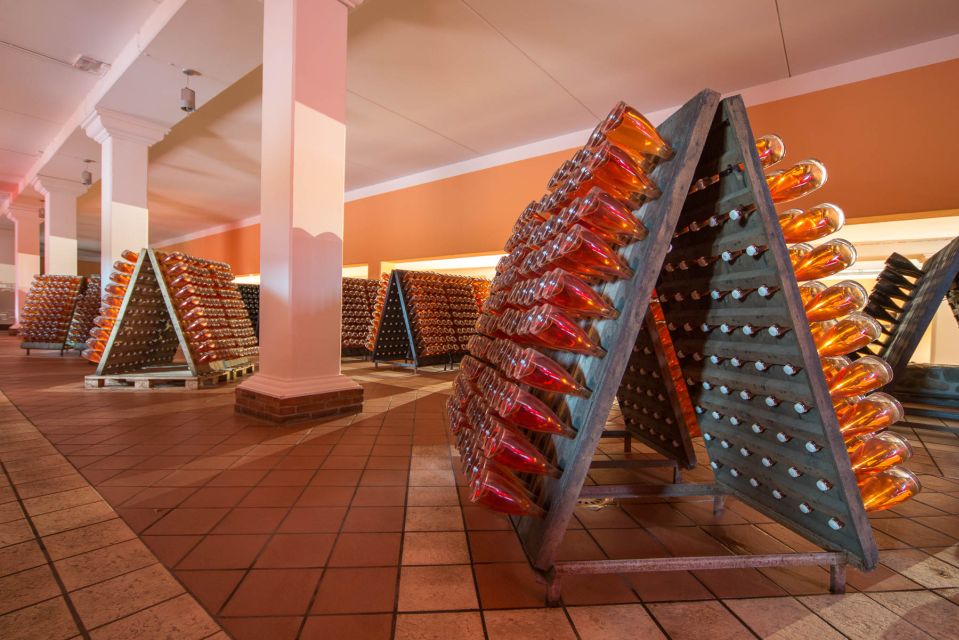
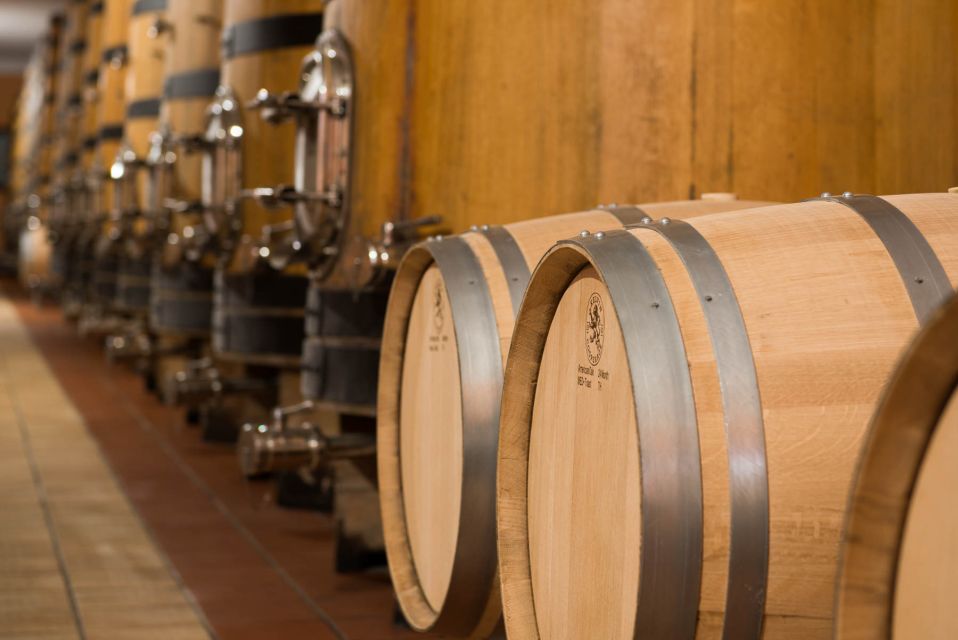
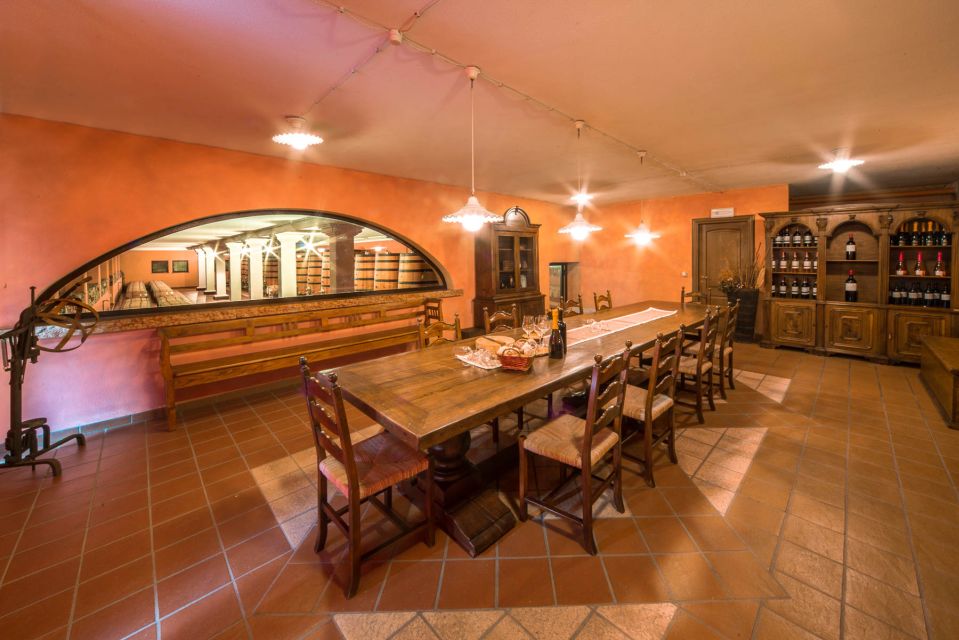
Next you’ll visit the estate’s cellars—specifically, a newer cellar and an aging cellar. Seeing both matters, because it helps you understand that wine isn’t just made once. It’s made, then it changes over time.
In the newer space, you’re looking at the production side: where wine is handled and prepared. Then you move to the aging cellar where special wines are kept as they develop. In at least one account, the visit included a look at barrels in the cellar area, and the tour guide explained the process in a way that made it easy to follow.
This part is the “real-world” payoff of the tour. It’s where you stop thinking of wine as something mysterious. You see the physical place where the transformation happens—fresh work in one area, patience in the other.
If you’re the type who likes food and drink tours but gets bored when they’re only about pouring and sipping, the cellar segment usually fixes that. It adds structure to what would otherwise be a simple tasting.
The tasting lineup: 4 estate wines, local food, and Garda olive oil
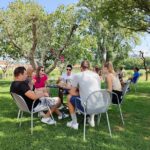
The tasting happens in the tasting area on-site, after your vineyard and cellar visits. This is where you’ll taste a selection from the estate—listed as 4 wines—paired with local food.
The food pairing includes cold cuts and cheeses, plus bruschetta. You’ll also have the estate’s own olive oil of Garda. That olive oil detail is easy to overlook when you’re focused on wine, but it actually helps round out the tasting experience. Oil, bread, and cheese create a different flavor rhythm than wine alone, so the tasting feels more like a meal than a quick sip-and-go.
One important realism check: the tasting is listed as 4 wines, but one German review described tasting 5 wines (including a rosé, a white wine, and three reds). Since the number can vary, don’t stress about getting exactly 4 glasses. Instead, go in expecting an organized flight, and be pleasantly surprised if the pour count is slightly higher.
What should you look for in your glass? Pay attention to how the flavors shift as you work through the flight. The vineyard talk and cellar visit give you clues about what to expect—whether something is meant to be lighter and more aromatic, or more structured and aging-friendly. Even if you’re not an expert, you’ll pick up the basics fast.
Also: communicate any food intolerances or preferences. The experience explicitly asks you to share them, so you don’t end up with a pairing that doesn’t work for you.
Price and value: does $51 buy enough?
At $51 per person for 2 hours, you’re paying for more than tasting. You’re paying for access to a real working estate experience: guided vineyard walk, two cellar visits, a curated tasting, and paired local bites plus water.
So the value question is really this: do you want a structured guided visit or do you only want wine sampling? If you want a quick sip with minimal explanation, you might find cheaper wine tastings nearby. But if you want the “connect the dots” experience—vines to cellar to bottle—this price feels fair.
Where it really earns its keep is the combination:
- Wine education you can actually use
- Visits to both new and aging cellar areas
- Food pairing that supports the tasting, not just filler snacks
And the overall rating of 4.8 suggests most people feel they got what they paid for. Still, one review flagged that the experience didn’t match expectations about the exact 2-hour structure and whether bruschetta was included. That’s a reminder to go in with flexible expectations: this is hospitality, not a museum script.


Who this Lake Garda wine tour suits best (and who should skip)
I think this tour fits best if you:
- Want a compact, guided wine-and-food experience in a scenic setting
- Enjoy learning from a live guide (English or German) while you sip
- Prefer estates where you can see how wine is produced, not just taste in a sales room
- Like practical pairing: cold cuts, cheese, bruschetta, and olive oil alongside wine
You might skip it if you’re looking for:
- A full-day vineyard hike or a long, deep-dive tasting marathon
- An experience that follows an exact script down to every last bite every time (even within the same offering)
If you’re traveling with someone who doesn’t drink wine, there are options. The experience notes reduced pricing for teetotal guests and also a young rate for those who won’t drink wine. So you’re not forced into the same tasting approach for everyone in your group.
Tips to make the most of your 2 hours
Here’s how to squeeze extra enjoyment from a short tour:
Ask questions during the vineyard walk. This is when grape-variety info lands best because you’re literally looking at the plants. If the guide is explaining cultivation choices, let them know what you tend to like in wine (crisp whites, juicy reds, dry vs softer styles).
Pay attention to the cellar difference. New versus aging matters. When you understand what changes during aging, tasting becomes more than a flavor test—it becomes a timeline.
Use the food as a reset. Cold cuts and cheese, plus bruschetta and olive oil, can change how a wine tastes. Take a bite, then sip again. You’ll notice the difference more clearly.
Mention preferences and intolerances early. The experience explicitly encourages you to communicate these needs. Do it before you arrive so the pairing fits you.
Plan for short walks and hill terrain. It’s wheelchair accessible (good news), but if you’re not using a wheelchair, comfortable walking shoes still help for the vineyard paths.
Should you book this Lake Garda Garda Hills wine tour?
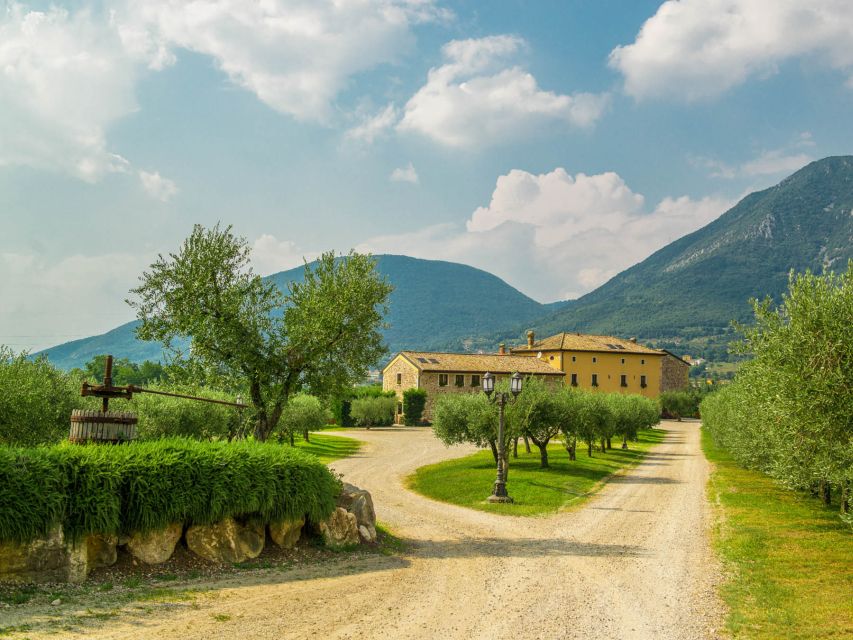
If you want a true estate visit—vineyard walk, two cellar stops, and a guided tasting with local food—this is a strong choice. It’s priced reasonably for what you get, and the high rating reflects that most people leave feeling they learned something and ate well. The estate setting on the Lake Garda hills is a big part of the charm, and the combination of wine + pairing keeps it from feeling stiff.
I’d book it if you value guided context and a friendly atmosphere over maximum time. And I’d be a bit cautious if you’re expecting a long, hiking-style vineyard experience or a perfectly identical tasting course every single day. Either way, it’s a solid way to spend your time on the hills instead of just passing through the region.
FAQ
How long is the Lake Garda wine tour and tasting?
The experience lasts 2 hours.
What’s included in the tasting?
You’ll taste a selection of wines (listed as 4 wines) with local food such as cold cuts, cheeses, and bruschetta, plus water.
Will I see the vineyards and the cellars?
Yes. You’ll walk through the vineyards and visit two cellars where the wine is produced and kept, including a newer cellar and an aging cellar.
What languages is the live guide available in?
The tour guide is available in German and English.
Is the tour wheelchair accessible?
Yes, the experience is wheelchair accessible.
Are dogs allowed?
Yes, dogs are allowed.
Can I request help with food intolerances or preferences?
You should communicate any food intolerances or preferences ahead of time, since the experience notes this information should be shared.
What if I don’t want to drink wine?
There’s a reduced young/teetotal option for guests who do not drink wine.
What’s the cancellation policy?
Free cancellation is available up to 24 hours in advance for a full refund.
What’s the price per person?
The price is $51 per person.